


FAQ
LNMU0303
China Lizhou Hard Alloy Source Factory
Product Name: milling insert
Coating : PVD
Material:Tungsten steel
Classification :
Milling Insert Hot Products
keyword:
lizhou




I. Analysis of LNMU0303ZER milling insert
L: Usually indicates the shape of the insert (e.g., 80° rhombus, circle, etc.), commonly used codes:
C=80° rhombus, T=triangle, R=circle, L may be a specific shape of a certain brand (e.g., long blade or low cutting force design).
N: May indicate the back rake angle (e.g., N=0°, P=11°, A=3°, etc.).
M: Usually comes with tolerance grade (e.g., M=medium tolerance, G=general chip breaker).
U: May indicate special functions of the chip breaker type (e.g., internal cooling holes, enhanced cutting edge or optimized material application)
03: Usually the inscribed circle diameter (IC) or cutting edge length (e.g., 3.97mm).
03: May indicate the insert thickness (S) (e.g., 3.18mm).
(Note: If the segment is "03-03", it may correspond to the inscribed circle diameter and thickness respectively.)
Z: Indicates the main rake angle, scraping blade: other 20°
E: Indicates the cutting edge type code: 2-15°
R: Cutting direction: right-hand cutting
II Characteristics of LNMU0303ZER high-speed milling inserts
Smaller cutting depth and larger feed rate: The insert profile is optimized for high-speed milling, allowing for higher feed rates (fz=0.3-0.8mm/z), smaller cutting depths (ap=0.5-2mm), and significantly improved metal removal rate (Q)
Hard metal substrate: High toughness substrate material (e.g., ultrafine grain hard metal), balancing impact toughness and wear resistance, extending tool life.
Enhanced cutting edge treatment: Cutting edge chamfering or dulling treatment (E code) reduces the risk of chipping and adapts to intermittent cutting (e.g., rough machining of cast surface).
III Applicable materials:
Steel rough machining: Larger cutting depth (ap=3-5mm), higher feed rate (fz=0.15-0.3mm/z).
Cast iron intermittent cutting: Impact-resistant design, reducing chipping risk.
Stainless steel semi-finishing: Sharp blades improve surface quality, and coatings extend tool life.
IV Typical applications:
Rough milling of mold cavities
Machining of automotive engine housings
Mass production of general mechanical parts
Previous page
Next page
Use equipment
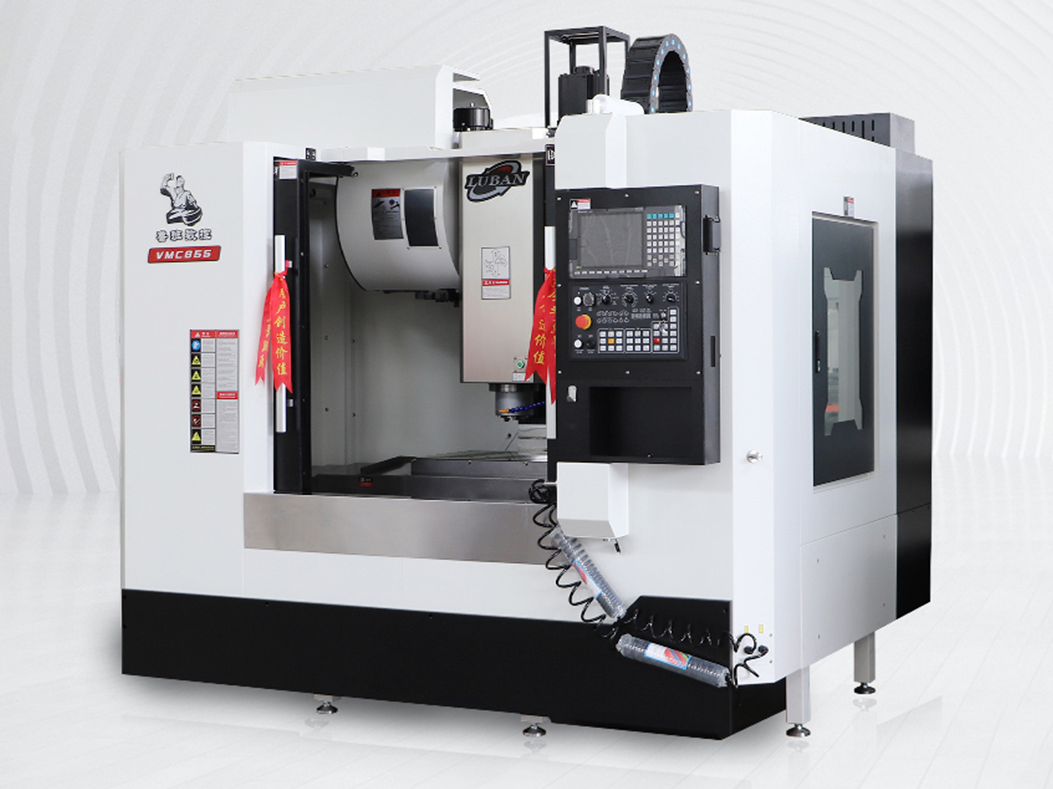
CNC machining centre
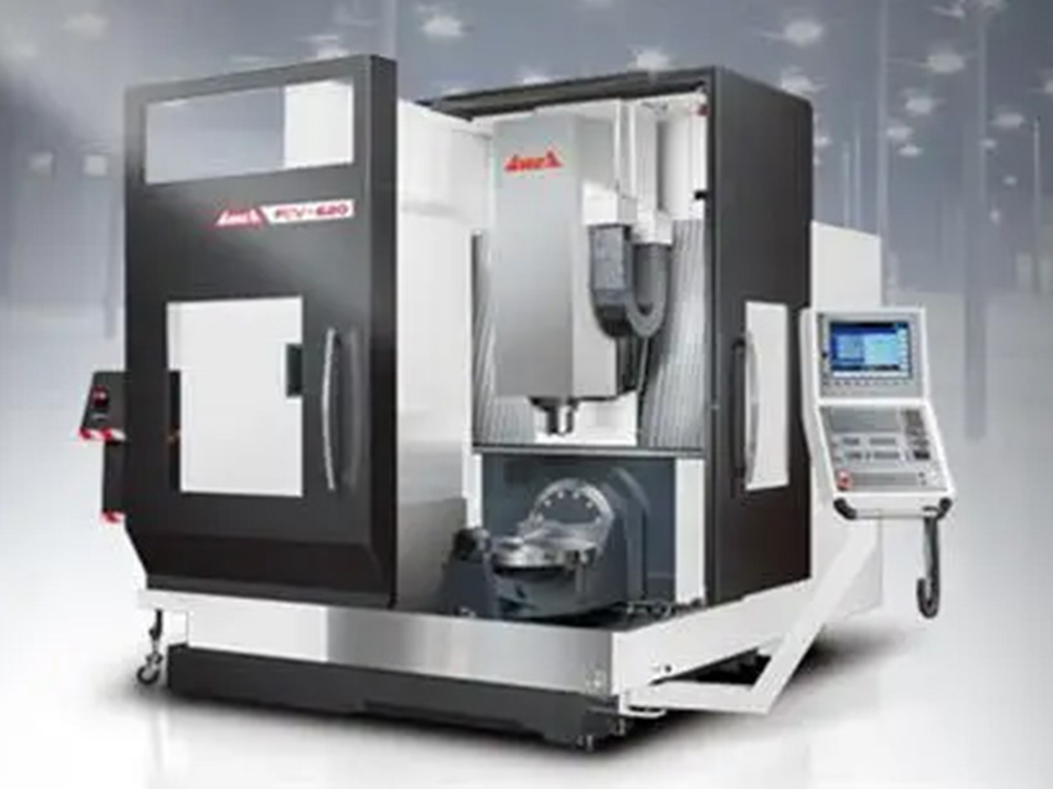
CNC machine tools
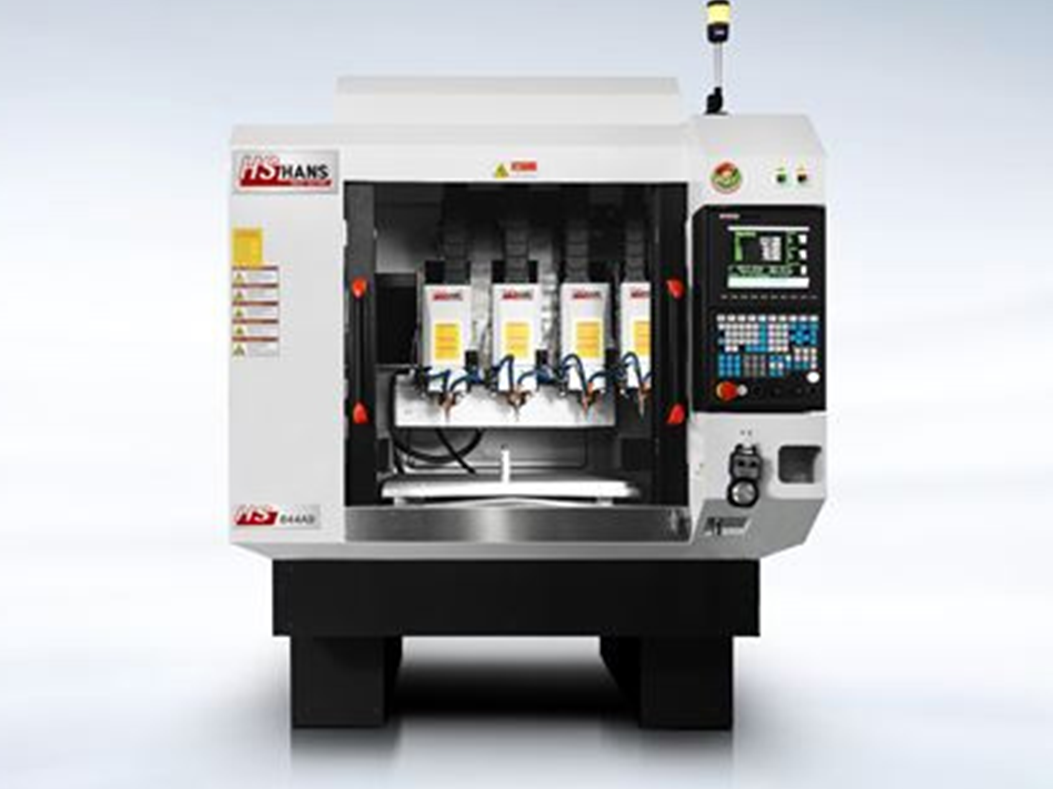
Carved machine
Factory Board
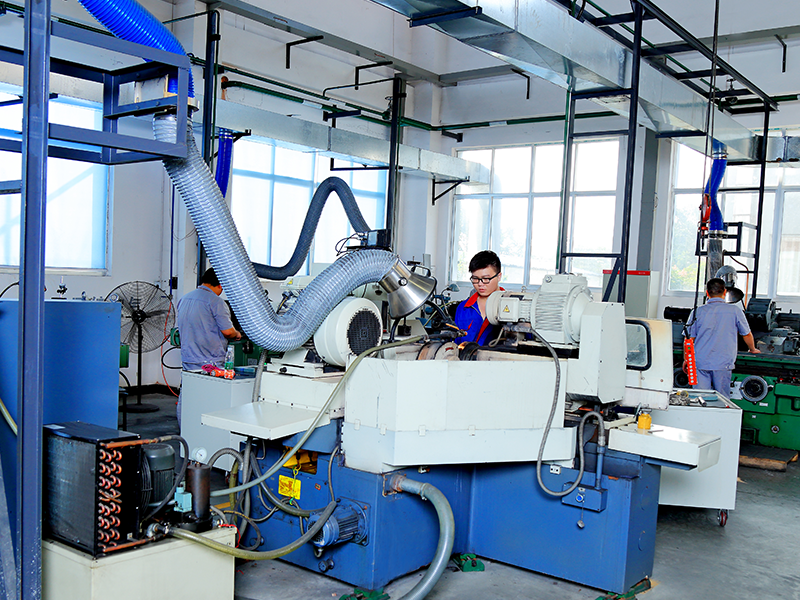
Factory Board
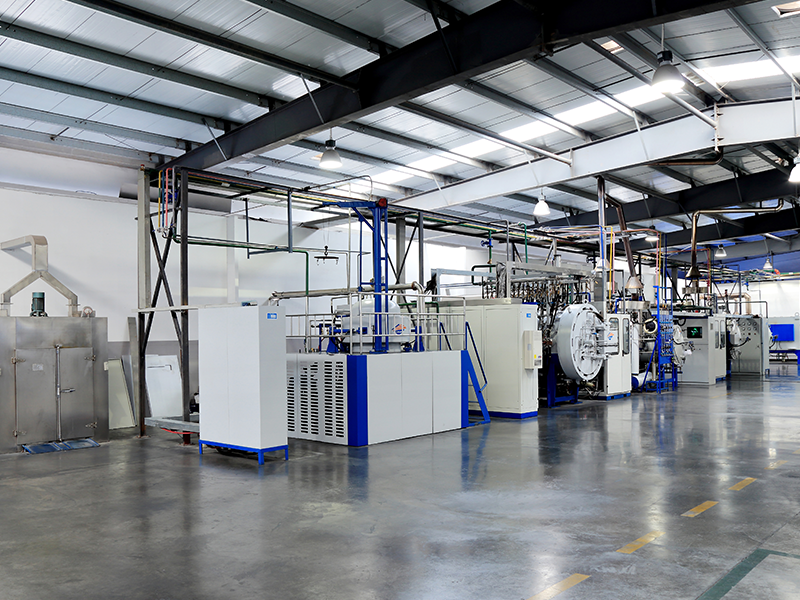
Factory Board
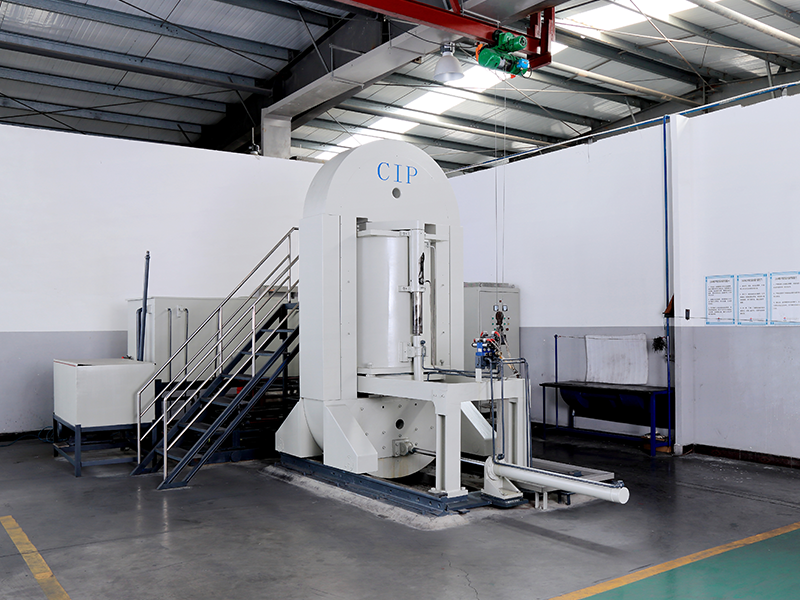
Factory Board
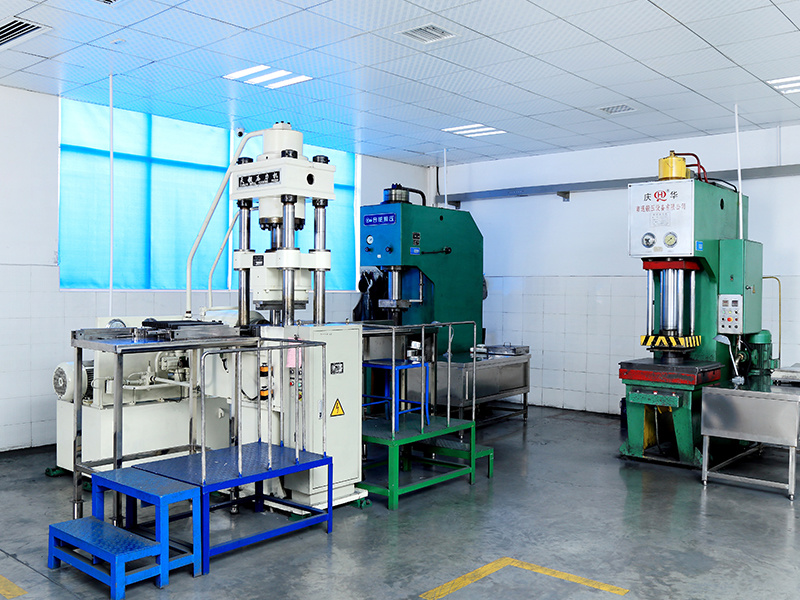
Factory Board
Recommended products


FAQ
2026-04-21
Common Issues in Machining Stainless Steel with Lizhou Turning Inserts
A detailed guide to LIZHOU cemented carbide turning inserts, covering naming conventions, types, selection of inserts specifically designed for roughing and finishing stainless steel, the differences between internal-bore and external-diameter inserts, and answers to frequently asked questions.
2026-04-21
Differences and Applications of Cobalt Drill Bits vs. Carbide Drill Bits
LiZhou Cemented Carbide provides a detailed comparison of cobalt-tipped drills and cemented carbide drills, covering material composition, hardness, tool life, suitable workpiece materials, and common issues to help you quickly select the right tool.
2026-03-31
What is the melting point of tungsten carbide? – Lizhou Cemented Carbide
This comprehensive analysis of Lizhou Cemented Carbide covers the melting point of tungsten carbide (2,870°C), a performance comparison, and industrial applications, explaining in detail why its high melting point makes cemented carbide highly resistant to high temperatures, wear, and deformation—making it ideally suited for tools, mining, steelmaking, and other demanding applications.
2026-03-28
How to Choose Positive and Negative Turning Inserts | LiZhou ISO Turning Tool Code Analysis
A Must-Read for Beginners! Lizhou Cemented Carbide Shows You How to Decode ISO Codes for Turning Inserts, Distinguish Between Positive- and Negative-Rake Inserts, Master the Three Key Selection Principles, and Resolve Common Issues Such as Poor Finish in Precision Turning and Work-Hardening When Machining Stainless Steel.
Hotline:
IPV4 / IPV6