Lizhou
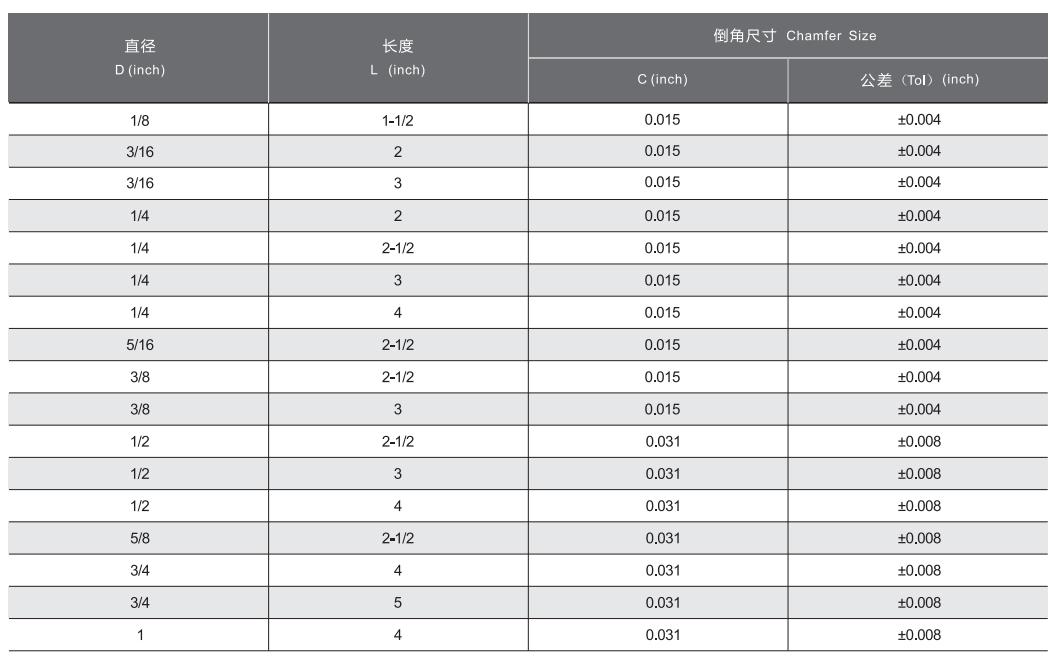
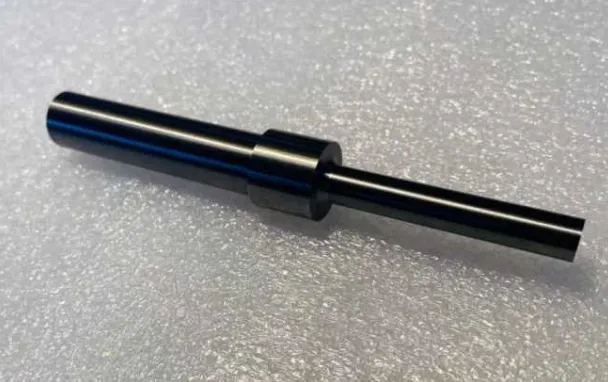
LBC25S round bar with chamfered inch | Tungsten carbide rod
+
  • LBC25S round bar with chamfered inch | Tungsten carbide rod
  • LBC25S round bar with chamfered inch | Tungsten carbide rod
  • LBC25S round bar with chamfered inch | Tungsten carbide rod
  • LBC25S round bar with chamfered inch | Tungsten carbide rod
  • LBC25S round bar with chamfered inch | Tungsten carbide rod

LBC25S round bar with chamfered inch | Tungsten carbide rod

China Lizhou Hard Alloy Source Factory


Grade:LBC25S


Classification :

Carbide Rod

keyword:

lizhou


LBC25s Solid Carbide Rods – Premium High-Cobalt Grade from LIZHOU


Introduction

For more than three decades, LIZHOU Carbide has been a trusted manufacturer of premium carbide materials, supplying global industries with high-performance cutting solutions. Among our advanced solid carbide grades, the LBC25s carbide rods stand out as a specialized solution for demanding machining tasks. With 12% cobalt content, ultra-fine 0.5 μm grain size, a bending strength of 4300 MPa, hardness of HRA 92.3, and density of 14.15 g/cm³, this grade delivers the perfect balance of toughness, hardness, and wear resistance.


This article provides a detailed technical overview of the LBC25s carbide rods, exploring their advantages, numerical parameters, applications, operating recommendations, and the technological innovations that make them a leading choice in modern machining.


2.Product Attributes


Grade: LBC25S
Cobalt Content: 12%
Tungsten Carbide Content: 88%
Grain Size: 0.5μm
Density: 14.15g/cm3
Vickers Hardness: 1600Kg/mm2
Rockwell Hardness: 92.3
Bending Strength: 4300N/mm2

3. Performance Analysis


Wear Resistance: Thanks to ultra-fine grains and high hardness, LBC25s resists abrasive wear even at high cutting speeds.

Toughness & Strength: The 12% cobalt binder gives excellent resistance to chipping and breakage, critical for applications involving interrupted cuts or heavy cutting forces.

Thermal Stability: Maintains stable performance under elevated temperatures, ensuring prolonged tool life during high-speed machining.

Surface Finish: Tools manufactured with LBC25s achieve precise dimensional accuracy and smooth surface finishes, reducing the need for secondary processing.


4. Application Scenarios


LBC25s carbide rods are widely used for manufacturing cutting tools that operate under high stress and in challenging materials. Common applications include:

Solid carbide drills – Ideal for drilling stainless steel, titanium alloys, and nickel-based alloys.

End mills – Effective for roughing and finishing operations on hardened steel.

Reamers – For achieving precision holes with superior surface quality.

Thread mills & taps – For processing tough materials where tool life is critical.

Special tools – Non-standard designs for aerospace, mold, and automotive applications.

Industries benefiting from LBC25s rods include:

Aerospace – Machining heat-resistant alloys such as Inconel and titanium.

Automotive – Precision tooling for engine components and hardened steels.

Energy – Tools for drilling and milling turbine blades and oilfield equipment.

General engineering – Applications requiring both precision and durability.

5. Characteristics and Advantages


Balanced hardness and toughness – Achieves both edge retention and resistance to breakage.

Versatile usability – Suitable for both coated and uncoated cutting tools.

Excellent machinability – Provides toolmakers with consistent grinding performance.

Reduced downtime – Extended tool life minimizes insert replacement and production interruptions.

Cost efficiency – Despite premium performance, longer life reduces cost-per-part.


6. Usage Recommendations and Precautions


To maximize performance of LBC25s rods, users should observe the following guidelines:

Tool Design: Select appropriate geometries to exploit the toughness of 12% cobalt content.

Cutting Parameters: For high-strength alloys, use moderate cutting speeds with optimized feed rates.

Cooling: Employ cutting fluids or through-coolant systems to manage heat and prevent thermal cracking.

Grinding: Use diamond grinding wheels for best results; ensure proper cooling during grinding.

Coating Compatibility: LBC25s is an excellent substrate for PVD and CVD coatings, enabling further improvements in wear resistance.

Storage: Keep rods in a dry, controlled environment to avoid oxidation of cobalt binder.

7. Technological Innovation by LIZHOU


LIZHOU continuously invests in R&D to enhance carbide rod performance. Some innovations applied in LBC25s include:

Ultra-fine grain technology – Developed through advanced powder metallurgy and precision sintering.

Binder phase optimization – Controlled cobalt distribution ensures uniform microstructure.

HIP (Hot Isostatic Pressing) – Eliminates porosity, increases density, and strengthens mechanical properties.

Proprietary coating compatibility – Designed to pair with modern PVD/CVD coatings for maximum cutting performance.

Patent-driven processes – Covering grain refinement and cobalt phase control, ensuring consistent global quality.


8. Why LBC25s Stands Out in the Market


Compared with conventional carbide grades, LBC25s offers:

Higher toughness due to 12% cobalt binder.

Improved reliability under interrupted cutting conditions.

Superior tool life in stainless steel and superalloy machining.

Better grindability for toolmakers, reducing manufacturing costs.

This makes LBC25s one of the most versatile and high-performance carbide rod grades available globally.


Conclusion

The LBC25s solid carbide rods from LIZHOU Carbide combine strength, toughness, hardness, and fine microstructure to deliver world-class performance for tool manufacturers and end-users alike. With 12% cobalt, 4300 MPa bending strength, HRA 92.3 hardness, 0.5 μm ultra-fine grains, and a density of 14.15 g/cm³, this grade is engineered for precision and reliability in the most demanding applications.

As a professional carbide rod factory with over 33 years of manufacturing expertise, LIZHOU continues to supply global industries with innovative, cost-effective, and high-quality carbide solutions. The LBC25s rods are a testament to our dedication to advancing machining technology and supporting customers worldwide with dependable carbide materials.

Use equipment

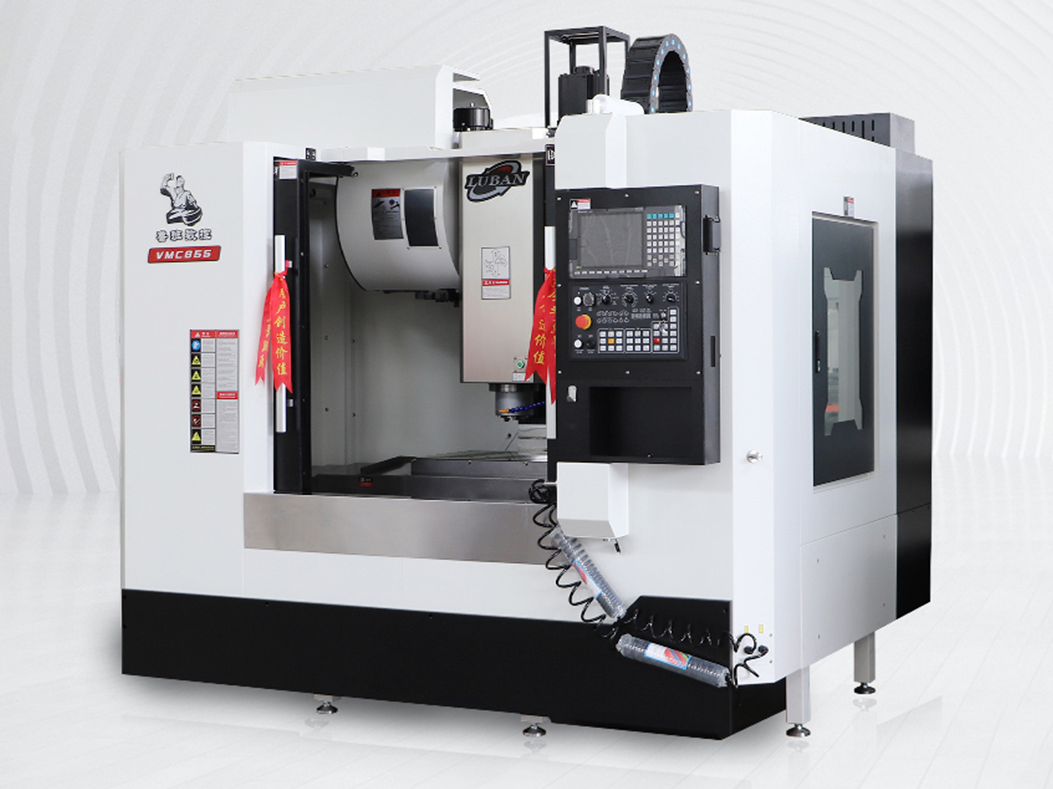
CNC machining centre

CNC machining centre

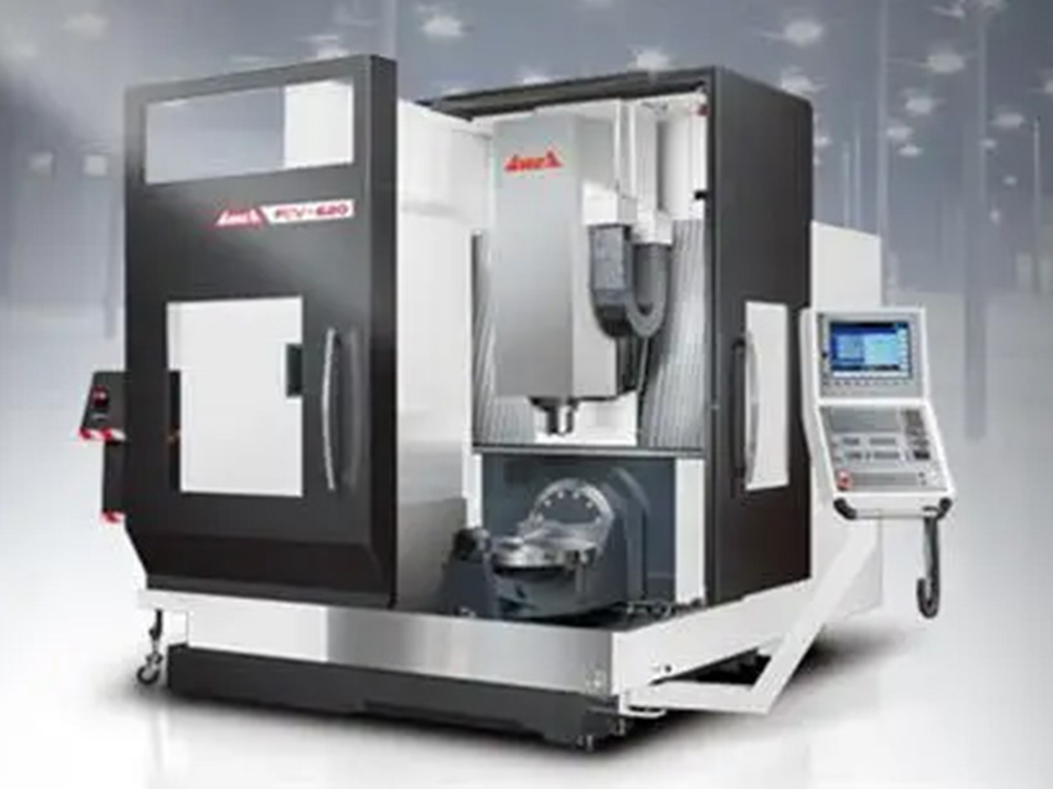
CNC machine tools
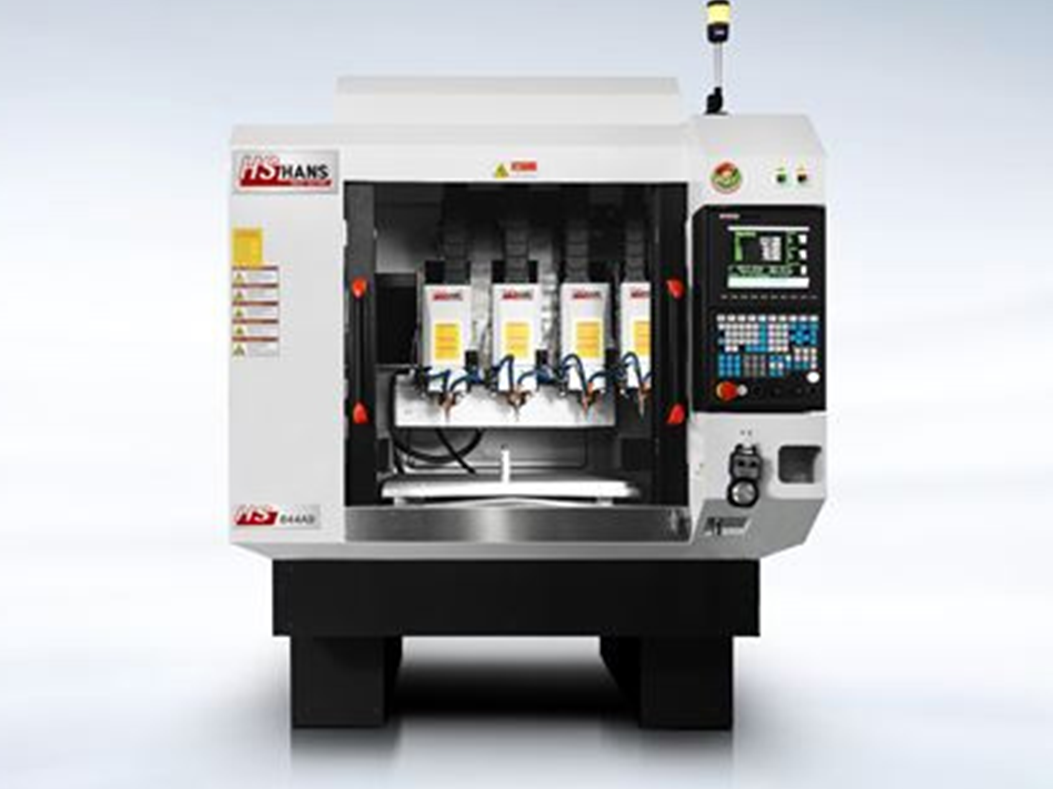
CNC machine tools

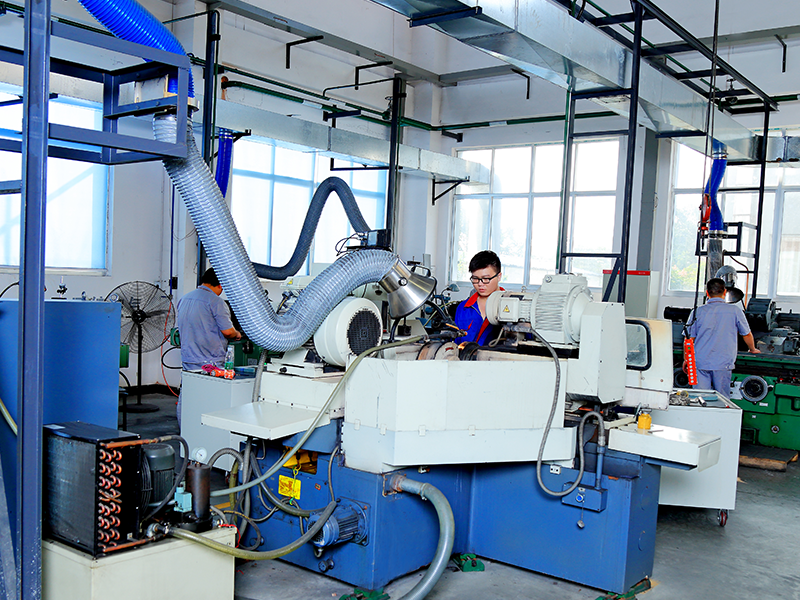
Carved machine

Carved machine

Factory Board

Factory Board

Factory Board
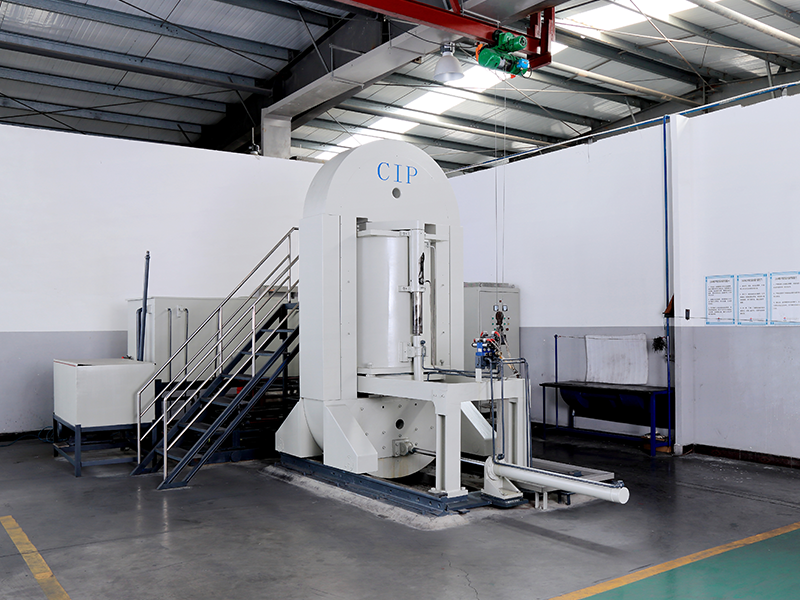
Factory Board
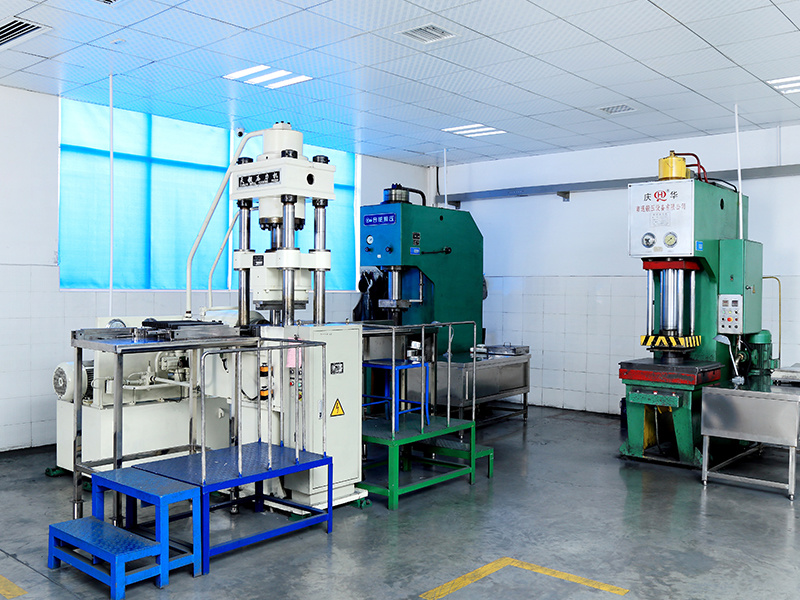
Factory Board

Factory Board

Factory Board

Factory Board

Factory Board

Recommended products

LBC05 cemented carbide round bar uses ultrafine grain alloy, which has good bonding properties with diamond-coated tools. It is especially suitable for making small-hole to deep-hole drills and is applicable for processing graphite, composite materials, etc.

View Details +

The innovative LBC12S grade is more stable when milling various types of stainless steel materials. It features ultra-high impact toughness and an extremely long service life. The LBC12 is especially suitable for machining hard steel with a hardness of HRC50 or higher; it is a special grade specifically developed for machining stainless steel materials.

View Details +

Application of LBC09 grade cemented carbide rods in the field of difficult-to-machine materials. It has ultra-high wear resistance and impact toughness, suitable for high-speed cutting. It can be used to process hard steel, plastics, composite plates, carbon fiber and other difficult-to-machine materials.

View Details +

Lizhou T-shaped milling cutter blanks are raw materials or semi-finished products that have not yet undergone final machining. They are usually cylindrical bars that require further processing to become cutting tools.

View Details +

FAQ

2025-05-29

Carbide insert nomenclature

The naming conventions for turning inserts generally follow international standards (such as ISO standards). The model number consists of a series of letters and numbers, each character representing different geometric parameters or functional characteristics, such as the naming convention for the TNMG160404R-PV turning insert from Lizhou.

More +

2025-05-26

What types of end mills are there?

Materials can be processed according to different types of end mills, categorized by the types of milling tools, including flat end mills, ball end mills, radius end mills, chamfer end mills, and end mills with chip breakers.

More +

2025-05-23

What is a PCD milling cutter?

PCD milling cutter is a polycrystalline diamond (PCD) milling cutter, which has a wide range of applications in the field of machining.

More +

2025-05-08

End mill for machining aluminum materials

Many customers have told us that ordinary end mills frequently stick when machining aluminum, and the accumulation of chips affects the accuracy, so they always change the tools. LIZHOU editor suggests that coated end mills are not recommended for aluminum materials, because some coatings contain aluminum elements. Therefore, it is better to choose uncoated end mills when selecting end mills for machining aluminum materials.

More +

Verification: 6cec288be8d61597