


FAQ
LBC05 Grade Cemented Carbide Round Bar
China Lizhou Hard Alloy Source Factory
Grade: LBC05
Classification :
Carbide Rod
keyword:
lizhou




The LBC05 cemented carbide round bar is made from an ultra-fine-grained alloy, offering excellent adhesion for diamond-coated cutting tools. It is particularly well suited for manufacturing small-diameter deep-hole drills and is ideal for machining graphite, composite materials, and similar workpieces.
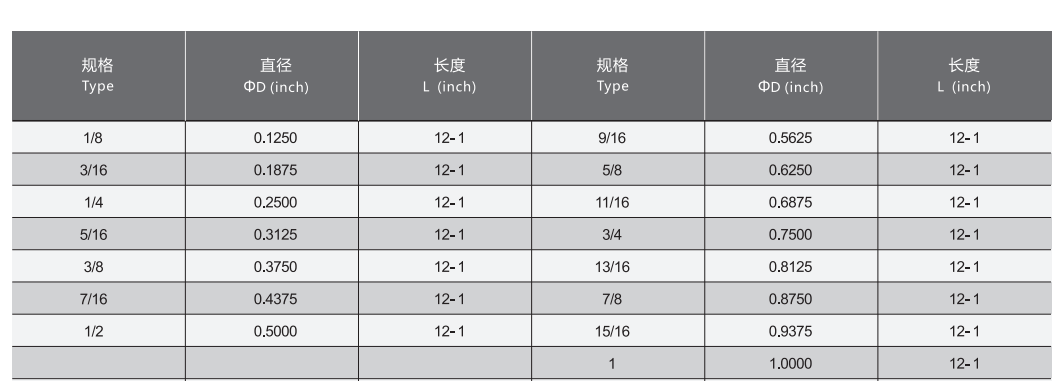
Product Attributes:
Grade: LBC05
Cobalt content: 6%
Tungsten carbide content: 88%
Grain size: 1.0 μm
Density: 14.8 g/cm³
Vickers hardness: 1600 kg/mm²
Rockwell hardness: 92.3
Flexural strength: 3100 N/mm²
I. Comparative Advantages and Limitations
Advantages |
Limitations |
| Wear resistance is superior to that of ordinary cemented carbides. | Cost is higher than that of medium-coarse-grained cemented carbide. |
| Suitable for high-precision, small-diameter cutting tools. | Not suitable for heavy roughing operations (e.g., intermittent cutting of steel workpieces). |
| Highly compatible with diamond coatings | Anti-diffusion coatings (e.g., TiAlN) are required when machining steel parts. |
II. Scope of Product Application
1. Applicable Processing Materials
Non-metallic hard and brittle materials: graphite, ceramics, carbon-fiber-reinforced polymer (CFRP), and glass-fiber-reinforced polymer (GFRP).
Nonferrous metals: aluminum alloys, copper alloys (require coated, non-stick cutting tools).
Difficult-to-machine materials: titanium alloys and high-temperature alloys (must be used in conjunction with coatings).
2. Typical Cutting Tool Types
Small-diameter cutting tools: micro-drills, milling cutters, and PCB micro-drills with a diameter ≤ 3 mm.
Deep-hole drilling: cutting tools for machining deep holes with a length-to-diameter ratio of ≥10 (e.g., gun drills, BTA drills).
Diamond-coated cutting tools: milling cutters and drills with a diamond coating on the surface, designed for high-speed dry machining.
3. Main Application Areas
Electronics industry: PCB drilling and semiconductor packaging mold machining.
Aerospace: Milling and drilling of composite components (wings, cabins).
Mold manufacturing: precision machining of graphite electrodes and engraving of glass molds.
Automotive industry: Efficient machining of brake discs (carbon fiber) and engine components (titanium alloy).
Previous page
Use equipment
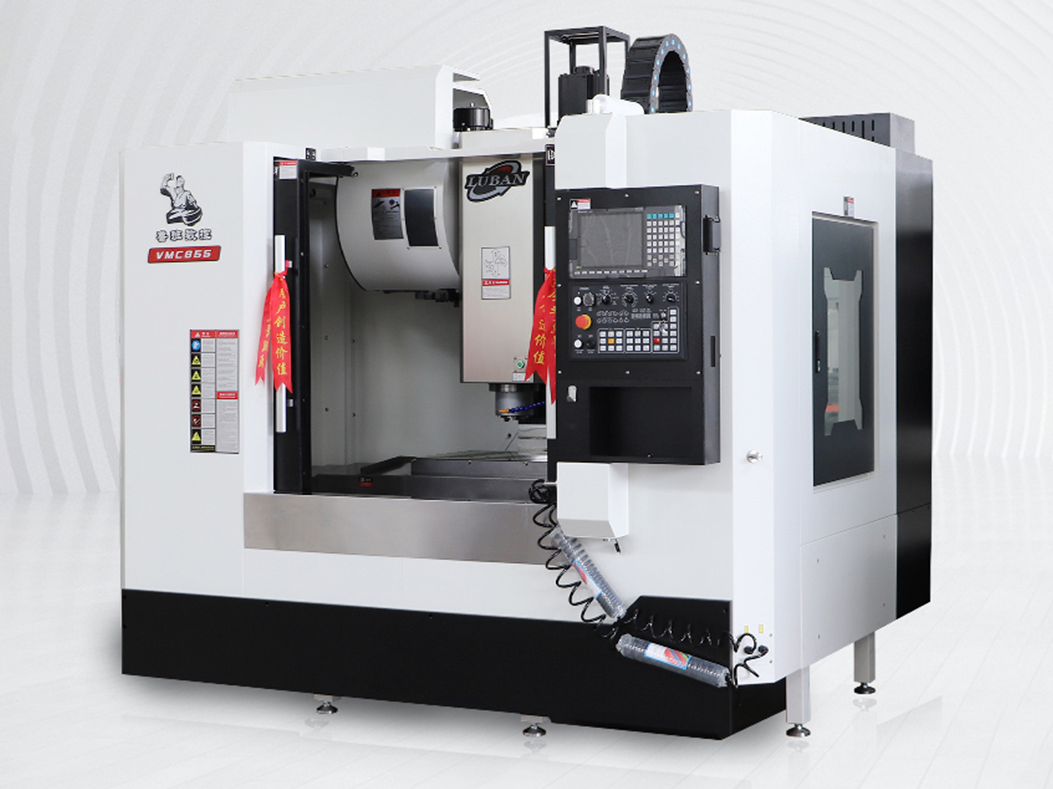
CNC machining centre
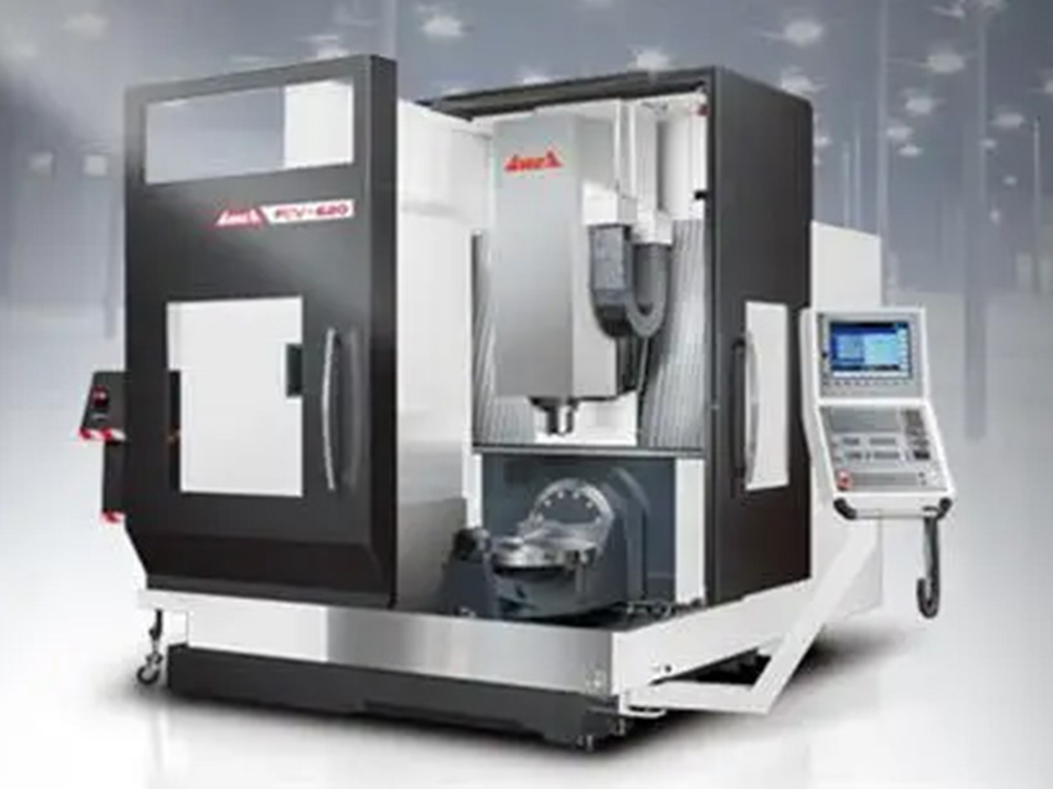
CNC machine tools
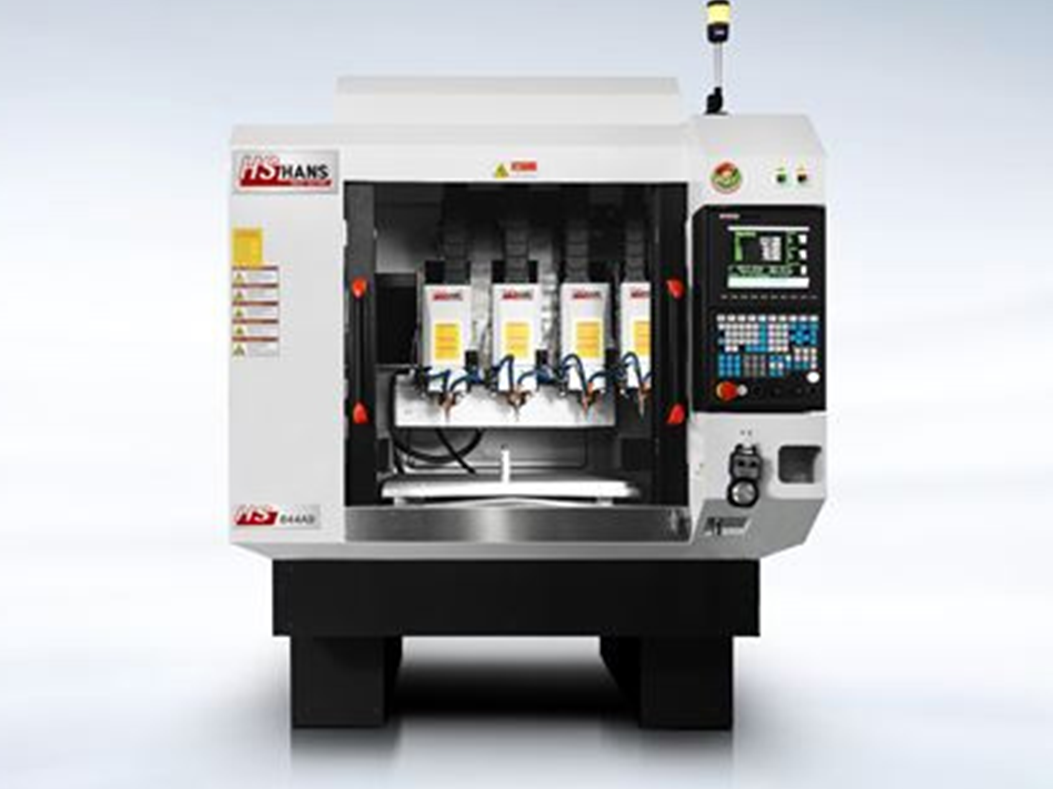
Carved machine
Factory Board
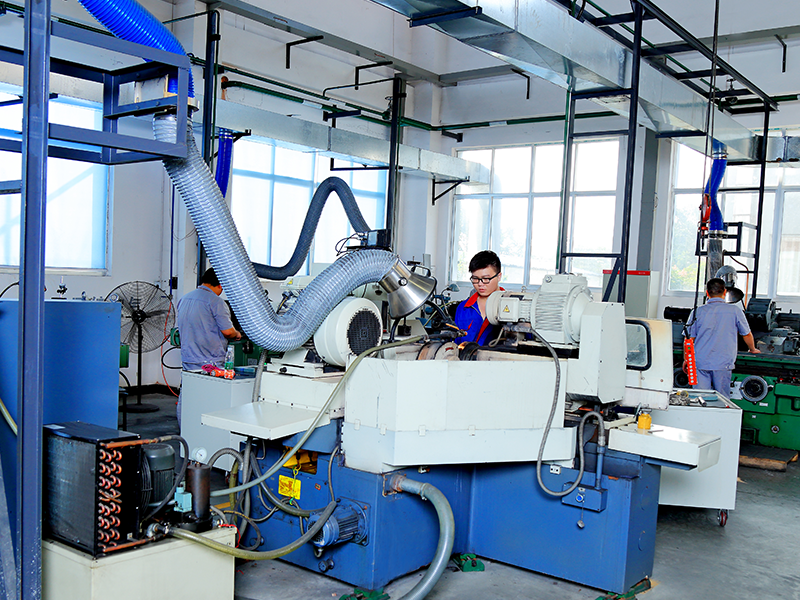
Factory Board
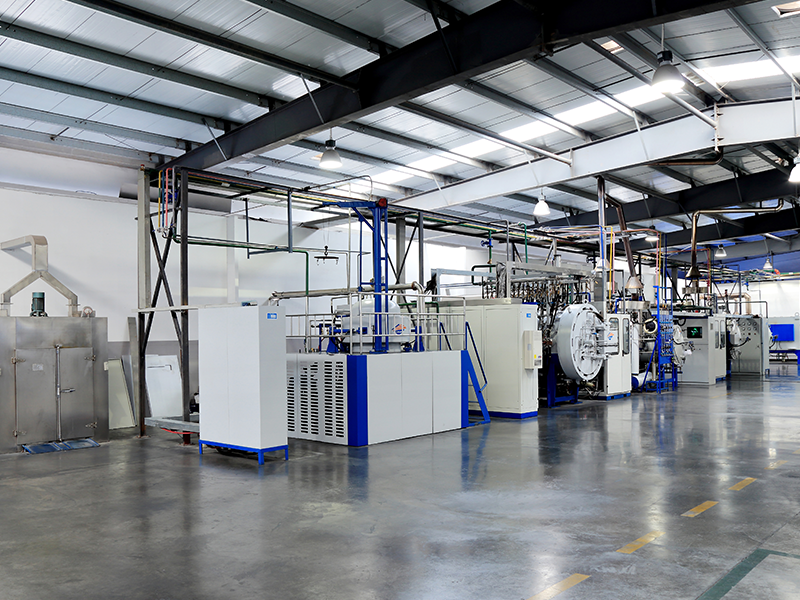
Factory Board
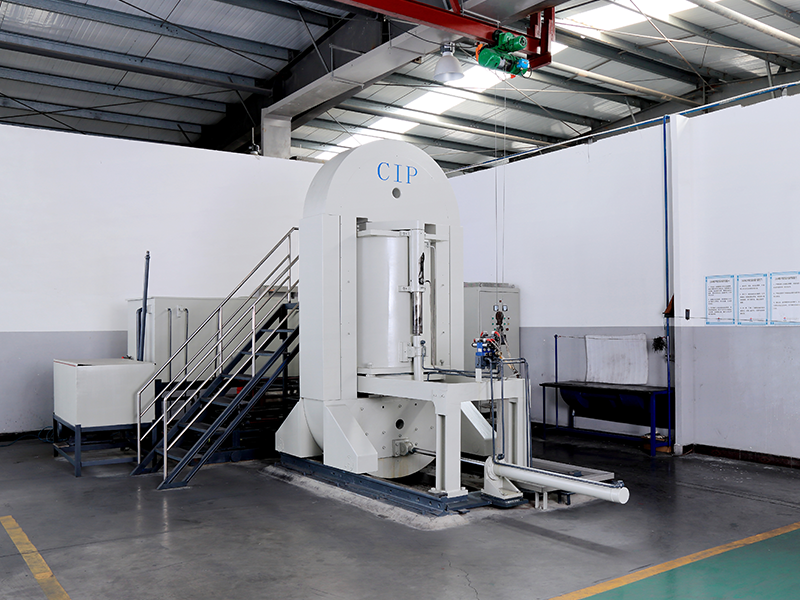
Factory Board
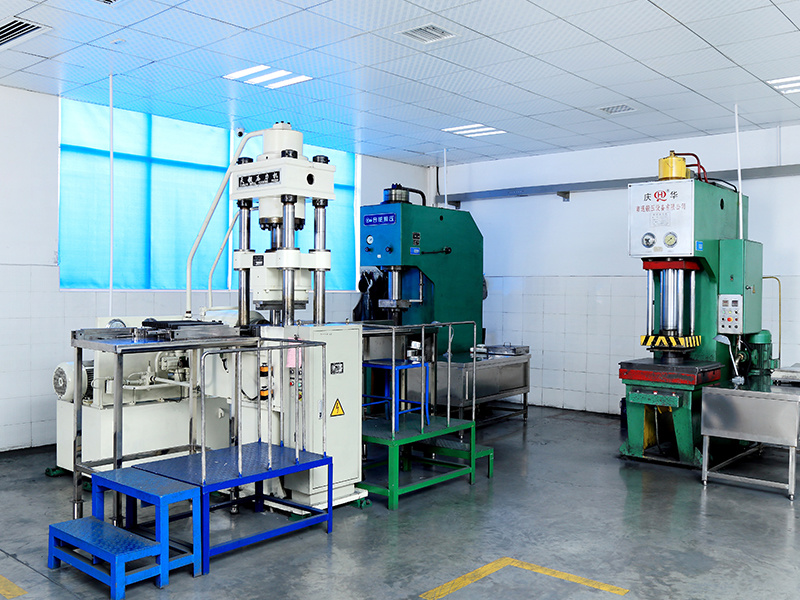
Factory Board
Recommended products


FAQ
2026-04-21
Common Issues in Machining Stainless Steel with Lizhou Turning Inserts
A detailed guide to LIZHOU cemented carbide turning inserts, covering naming conventions, types, selection of inserts specifically designed for roughing and finishing stainless steel, the differences between internal-bore and external-diameter inserts, and answers to frequently asked questions.
2026-04-21
Differences and Applications of Cobalt Drill Bits vs. Carbide Drill Bits
LiZhou Cemented Carbide provides a detailed comparison of cobalt-tipped drills and cemented carbide drills, covering material composition, hardness, tool life, suitable workpiece materials, and common issues to help you quickly select the right tool.
2026-03-31
What is the melting point of tungsten carbide? – Lizhou Cemented Carbide
This comprehensive analysis of Lizhou Cemented Carbide covers the melting point of tungsten carbide (2,870°C), a performance comparison, and industrial applications, explaining in detail why its high melting point makes cemented carbide highly resistant to high temperatures, wear, and deformation—making it ideally suited for tools, mining, steelmaking, and other demanding applications.
2026-03-28
How to Choose Positive and Negative Turning Inserts | LiZhou ISO Turning Tool Code Analysis
A Must-Read for Beginners! Lizhou Cemented Carbide Shows You How to Decode ISO Codes for Turning Inserts, Distinguish Between Positive- and Negative-Rake Inserts, Master the Three Key Selection Principles, and Resolve Common Issues Such as Poor Finish in Precision Turning and Work-Hardening When Machining Stainless Steel.
Hotline:
IPV4 / IPV6