Product
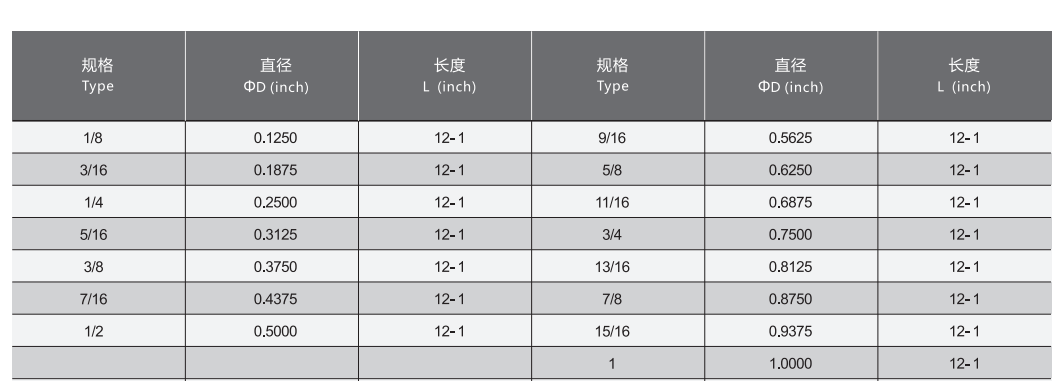
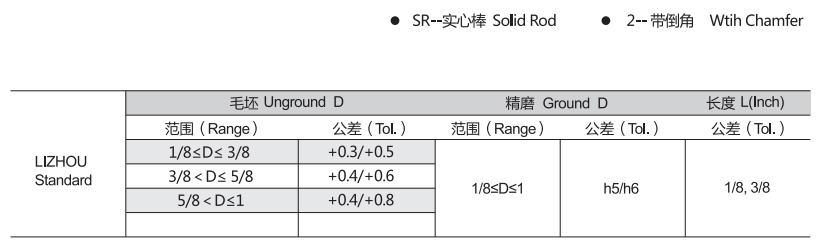
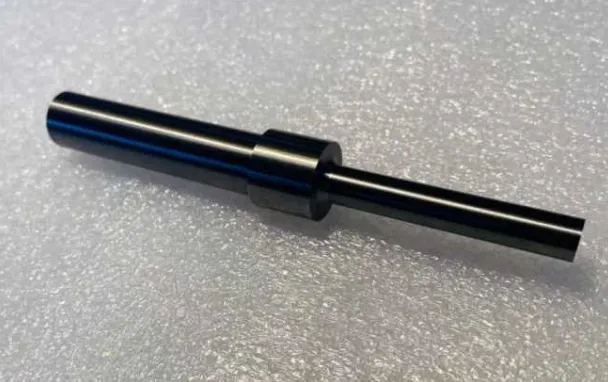
LBC09 solid round bar
China Lizhou Hard Alloy Source Factory
Grade:LBC09
Classification :
Carbide Rod
keyword:
lizhou
LBC09 Tungsten Carbide Rods — High Hardness, Precision, and Stability for Advanced Cutting Applications
Introduction
In modern precision manufacturing, the quality and reliability of cutting tool materials directly determine production efficiency, accuracy, and cost. As industries move toward high-speed, high-precision, and automated machining, the demand for tungsten carbide rods with higher hardness and better wear resistance continues to grow.
Among the various grades of cemented carbide, LBC09, developed by LIZHOU Carbide Factory, represents one of the most advanced ultrafine-grain materials available today. Engineered with optimized cobalt content, controlled grain size, and superior hardness, LBC09 tungsten carbide rods are specifically designed for high-speed cutting, dry machining, and precision finishing.
This article provides a complete overview of LBC09 carbide rods, covering their numerical parameters, performance advantages, typical applications, unique characteristics, precautions, and innovative production technologies.


Product Attributes
Grade: LBC09
Cobalt Content: 9%
Tungsten Carbide Content: 91%
Grain Size: 0.2-0.3μm
Density: 14.65g/cm3
Vickers Hardness: 1600Kg/mm2
Rockwell Hardness: 93.7
Bending Strength: 3300N/mm2
Performance Advantages
1. Exceptional Hardness and Wear Resistance
The standout feature of LBC09 is its ultrahigh hardness of 93.7 HRA. This allows tools made from LBC09 to maintain cutting edge sharpness far longer than standard grades, particularly during high-speed machining of hardened steels and alloys.
2. Precision and Dimensional Stability
The fine-grain structure and low cobalt content contribute to minimal deformation and outstanding shape retention. Toolmakers benefit from precise grinding performance and consistent geometry even under high loads.
3. Superior Surface Finish Capability
LBC09 carbide rods are ideal for producing tools used in finishing and semi-finishing operations. The ultrafine grain enables extremely sharp cutting edges, reducing friction and improving surface smoothness on workpieces.
4. Extended Tool Life
Reduced flank wear, lower micro-chipping, and stable cutting performance translate into a significantly longer service life, lowering the cost per component for manufacturers.
5. High Temperature Resistance
LBC09 retains its mechanical properties even at elevated cutting temperatures, ensuring reliability under high-speed dry or semi-dry cutting conditions.

Typical Applications
Thanks to its superior hardness and fine grain structure, LBC09 tungsten carbide rods are widely applied in industries requiring precision and wear resistance:
1. Cutting Tool Manufacturing
Micro Drills & End Mills: Especially suitable for PCB micro-drilling and high-speed steel cutting.
Reamers and Taps: Ideal for finishing tools demanding dimensional accuracy.
Threading and Form Tools: Provides sharpness and edge retention during continuous machining.
2. Precision Machining
Finishing of Hardened Steels: Machining of die steels, bearing steels, and stainless steels.
High-Speed Milling and Turning: Excellent for small-diameter, high-rpm tools used in CNC applications.
Cutting Non-Ferrous Materials: Offers clean cuts in aluminum, copper, and composite materials.
3. Electronic and Medical Equipment
Micro Tools for Electronics: Used in drilling and slotting PCBs and semiconductor materials.
Medical Device Machining: Produces micro-cutting tools for surgical instruments and implants.
4. Aerospace and Automotive Industries
Ideal for machining titanium alloys, carbon fiber composites, and hardened steels used in aerospace and engine components.
Product Features
Nano-Grain Microstructure:
With a grain size of only 0.2–0.3 μm, LBC09 represents the latest generation of ultrafine tungsten carbide materials.
High Grinding Precision:
Enables mirror-level surface finishes on tools after polishing or coating.
Excellent Coating Compatibility:
The ultrafine surface texture provides superior adhesion for PVD and CVD coatings such as TiAlN, AlCrN, and DLC.
Stable Batch Consistency:
Advanced powder preparation and HIP sintering ensure every batch meets strict uniformity standards.
Customizable Formats:
Available as solid rods, ground rods, and coolant hole rods to match different tool designs.

Precautions for Use
To maximize the performance and lifespan of LBC09 rods, the following guidelines should be observed:
Avoid Excessive Impact:
LBC09 is optimized for hardness, not impact toughness. It’s best used in finishing rather than heavy-duty roughing.
Use Proper Cutting Parameters:
Optimize cutting speeds and feed rates based on material type to avoid thermal damage.
Adequate Cooling:
Apply suitable coolants during machining to control heat buildup and minimize thermal stress.
Correct Grinding Tools:
Use high-quality diamond wheels for re-sharpening and ensure proper coolant flow during grinding.
Storage and Handling:
Keep carbide rods in dry, stable environments to prevent oxidation or binder corrosion.

Technological Innovation and Manufacturing Process
LIZHOU Carbide Factory utilizes several proprietary technologies to produce LBC09 carbide rods with exceptional uniformity and performance.
1. Nano Powder Preparation Technology
Advanced nano-level tungsten carbide and cobalt powders are uniformly mixed to ensure controlled particle distribution and minimal grain growth during sintering.
2. HIP (Hot Isostatic Pressing) Sintering
High-pressure sintering eliminates internal voids and ensures near-theoretical density, enhancing strength and reliability.
3. Uniform Binder Distribution
The cobalt binder is evenly dispersed throughout the structure, reducing the risk of weak zones and improving wear consistency.
4. Surface Purification Process
A specialized pre-sintering cleaning process ensures the rods are fully compatible with coatings, enhancing adhesion and tool performance.
5. Cooling Hole Technology (Optional)
For custom applications, LIZHOU can manufacture LBC09 rods with internal cooling holes, ideal for high-speed or deep-hole drilling tools.
Comparison with Other Grades
| Grade | Co (%) | HRA | TRS (MPa) | Grain Size (μm) | Key Strength |
|---|---|---|---|---|---|
| LBC12s | 12 | 91.5 | 4400 | 0.6 | Toughness |
| LBC09 | 9 | 93.7 | 3300 | 0.2–0.3 | Hardness & Wear Resistance |
| LBC15S | 10 | 92.5 | 4000 | 0.5 | Balance of both |
From this comparison, it’s clear that LBC09 emphasizes hardness and wear resistance, making it ideal for applications requiring long-lasting cutting edges and fine surface finishes.
Why Choose LIZHOU LBC09 Tungsten Carbide Rods?
Over 20 Years of Manufacturing Expertise in cemented carbide production.
Strict Quality Control System, including hardness, density, and TRS testing.
Global Export Experience with clients in Europe, Asia, and South America.
Custom Engineering Solutions for tool manufacturers and distributors.
Consistent Batch Quality guaranteed by automated production and inspection systems.
Conclusion
The LBC09 tungsten carbide rod exemplifies the perfect material solution for advanced cutting applications requiring ultra-high hardness, wear resistance, and precision. With 9% cobalt content, 93.7 HRA hardness, and a nano-level grain size of 0.2–0.3 μm, LBC09 achieves superior tool life and performance stability in demanding machining environments.
From micro-drilling in electronics to high-speed milling in the aerospace and automotive sectors, LBC09 delivers unmatched performance and reliability. Supported by LIZHOU Carbide Factory’s technological innovation and strict quality standards, this material has become a preferred choice for global tool manufacturers pursuing excellence in precision machining.
Previous page
Next page
Use equipment
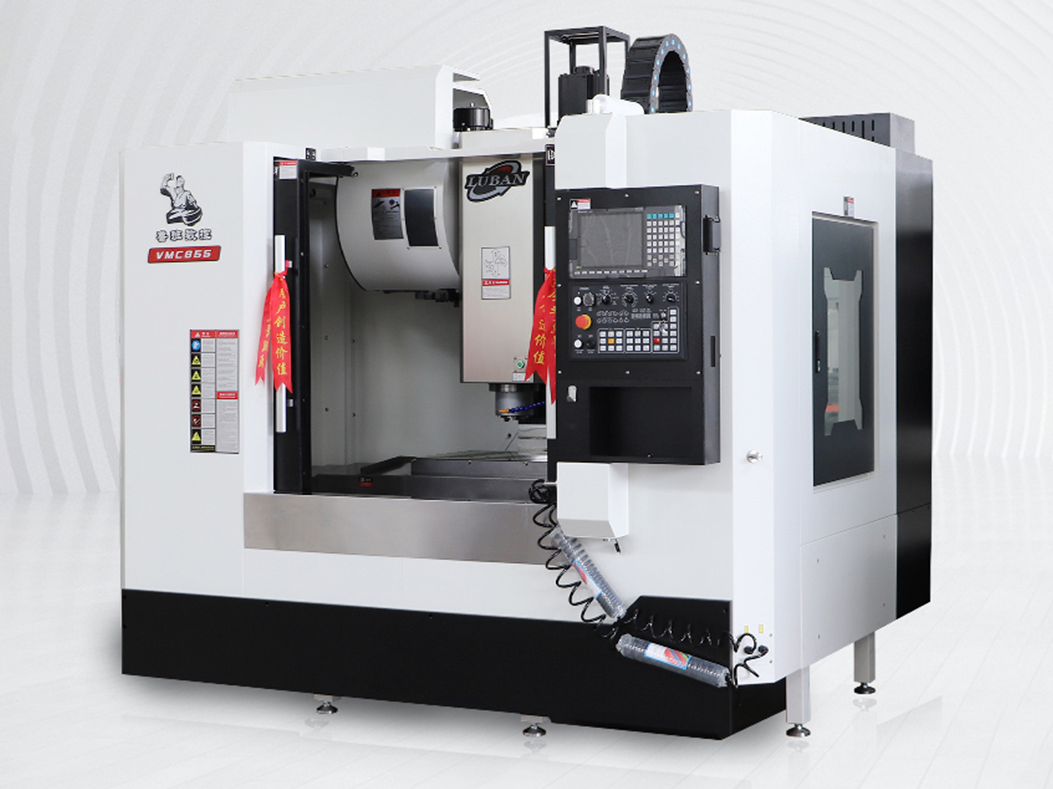
CNC machining centre
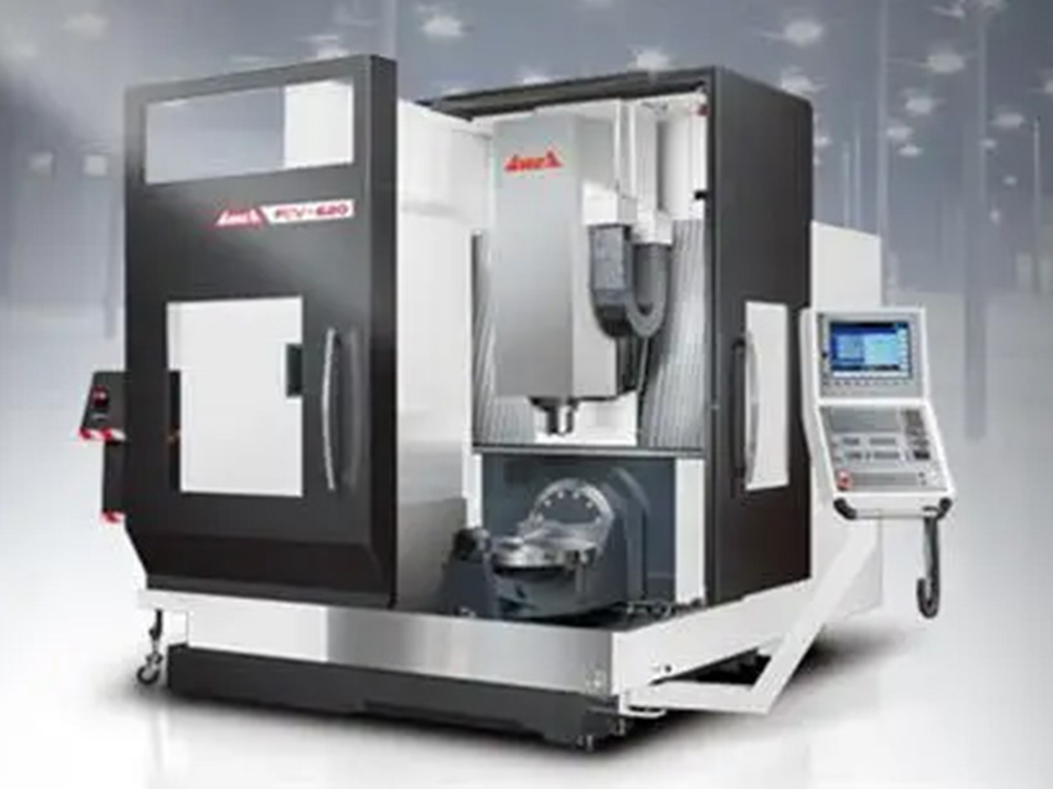
CNC machine tools
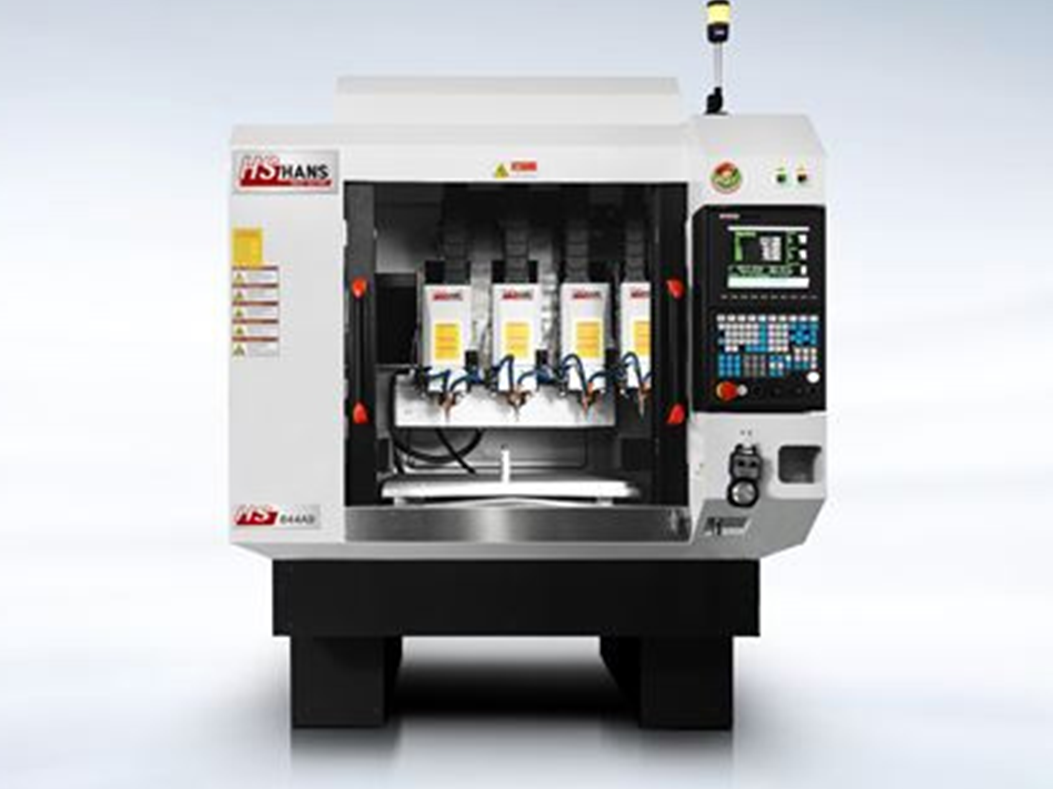
Carved machine
Factory Board
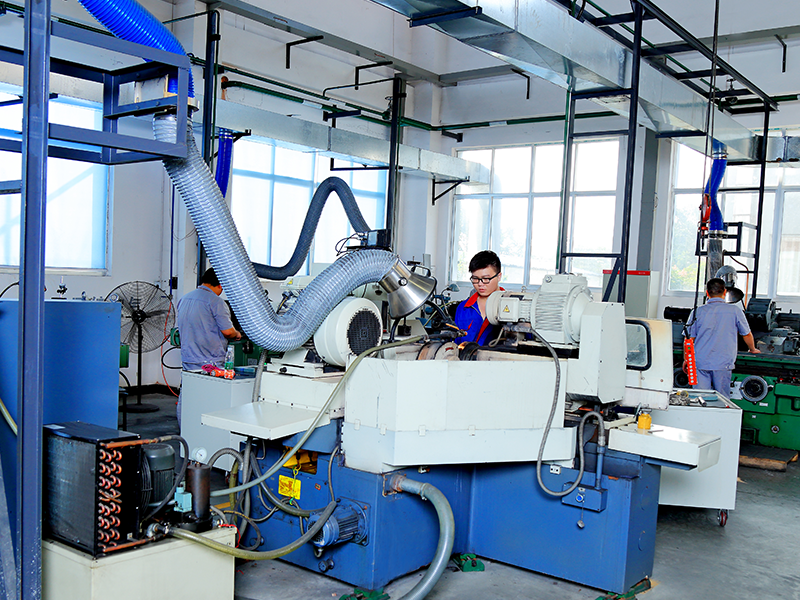
Factory Board

Factory Board
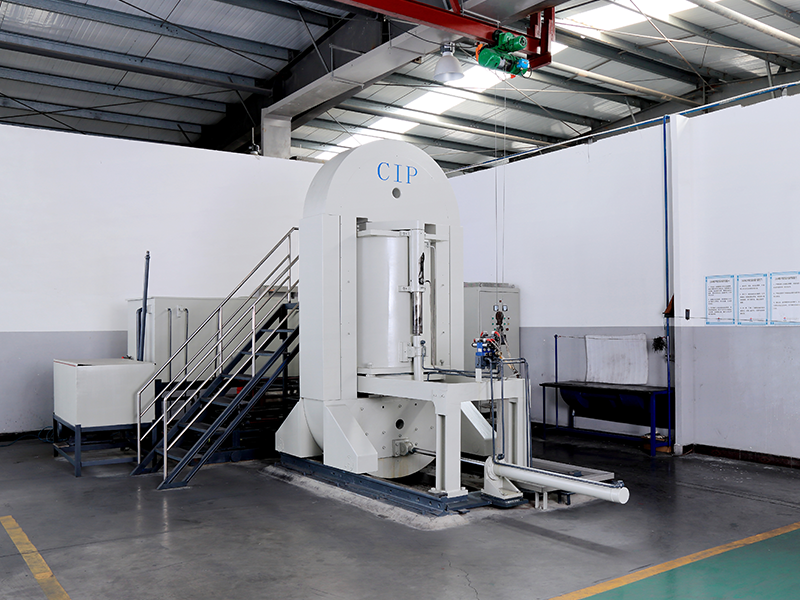
Factory Board
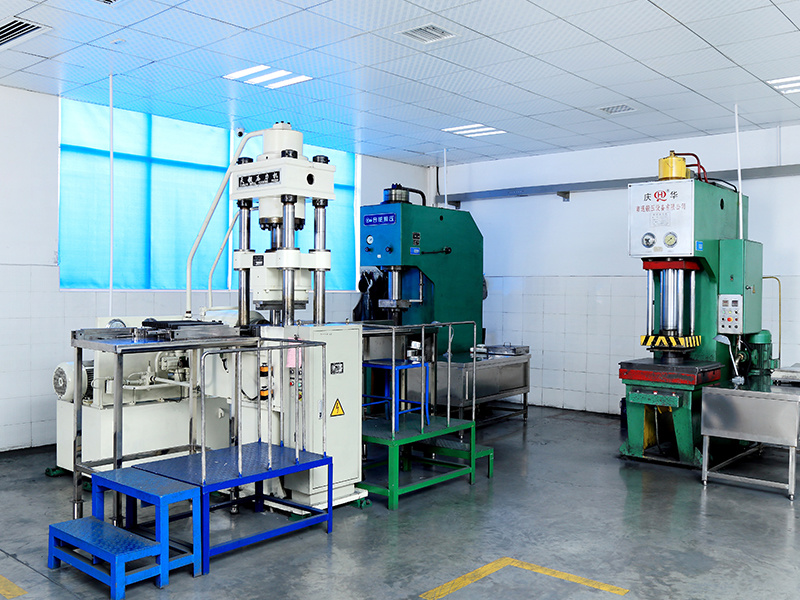
Factory Board
Recommended products
FAQ
2025-05-29
The naming conventions for turning inserts generally follow international standards (such as ISO standards). The model number consists of a series of letters and numbers, each character representing different geometric parameters or functional characteristics, such as the naming convention for the TNMG160404R-PV turning insert from Lizhou.
2025-05-26
What types of end mills are there?
Materials can be processed according to different types of end mills, categorized by the types of milling tools, including flat end mills, ball end mills, radius end mills, chamfer end mills, and end mills with chip breakers.
2025-05-23
PCD milling cutter is a polycrystalline diamond (PCD) milling cutter, which has a wide range of applications in the field of machining.
2025-05-08
End mill for machining aluminum materials
Many customers have told us that ordinary end mills frequently stick when machining aluminum, and the accumulation of chips affects the accuracy, so they always change the tools. LIZHOU editor suggests that coated end mills are not recommended for aluminum materials, because some coatings contain aluminum elements. Therefore, it is better to choose uncoated end mills when selecting end mills for machining aluminum materials.