


FAQ
Chamfered LBC15S Grade Cemented Carbide Rod – Metric (h5/h6)
China Lizhou Hard Alloy Source Factory
Grade:LBC15S
Classification :
Carbide Rod
keyword:
lizhou




Product Specifications
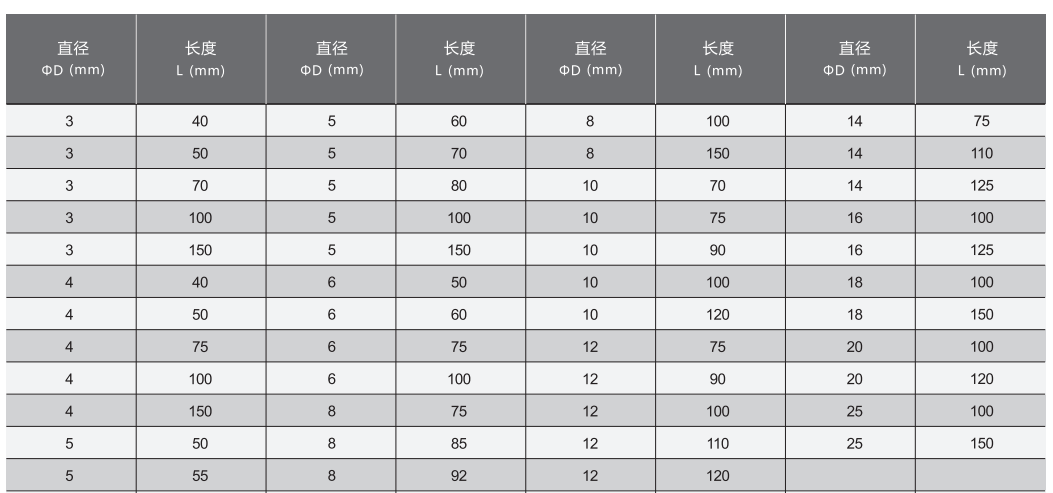

Product Attributes
Grade: LBC15S
Cobalt content: 12%
Tungsten carbide content: 88%
Grain size: 0.5 μm
Density: 14.15 g/cm³
Vickers hardness: 1600 kg/mm²
Rockwell hardness: 92.3
Flexural strength: 4300 N/mm²
Product Features
1. Utilizes low-pressure sintering technology for stable and reliable quality: the sintering pressure can reach 100 kgf, effectively eliminating internal porosity in the alloy to produce green compacts with excellent density, high hardness, and high strength. An advanced temperature-control system further minimizes variations in product quality.
2. Utilizing automated pressure-relief extrusion equipment, a wide range of bar profiles can be produced: The fully automatic extrusion line, imported from Germany, allows pressure to be adjusted according to specific requirements, facilitating the production of various bar types.
3. High-precision fine grinding of bar stock to achieve a mirror finish: Utilizing CNC grinding machines with a higher polishing rate, this process rapidly removes the damage layer generated during polishing, significantly enhancing surface finish and attaining a mirror-like appearance. The dimensional tolerances for precision-ground bars are as follows: diameter tolerance D ≤ ±0.01 mm; length tolerance L ≤ ±0.5 mm.
4. Stable mechanical properties, easy weldability, excellent wear resistance, and good impact resistance.
Product Range
Zhuzhou Lizhou cemented carbide rods are primarily used for drill bits, milling cutters, and reamers.
It can also be used for cutting, stamping, and measurement tools. It is applied in the paper-making, packaging, printing, and non-ferrous metal processing industries. In addition,
Widely used in machining applications such as high-speed steel cutting tools, carbide milling cutters, carbide tools, NAS tools, aerospace cutting tools, carbide drills, center drills, high-speed steel tools, tapered milling cutters, imperial-system milling cutters, micro-milling cutters, reaming guides, power tools, step drills, metal-cutting saws, double-locking drills, gun barrels, angle milling cutters, carbide rotary files, and other carbide cutting tools.
Carbide rods can be used not only for cutting and drilling tools—such as micrometer drills, twist drills, and vertical mining drill bits—but also as insertion pins, various wear-resistant rollers, and structural materials. In addition,
It is widely used in various fields, including machinery, chemical engineering, petroleum, metallurgy, electronics, and national defense.
Previous page
Next page
Use equipment
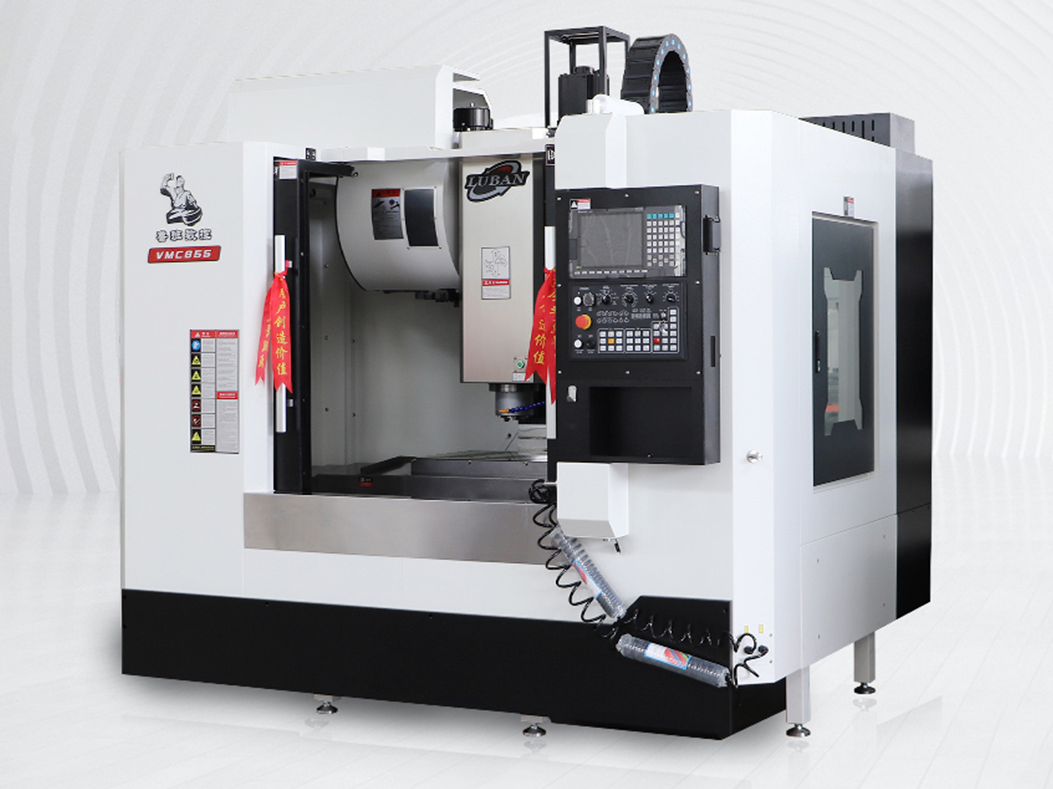
CNC machining centre
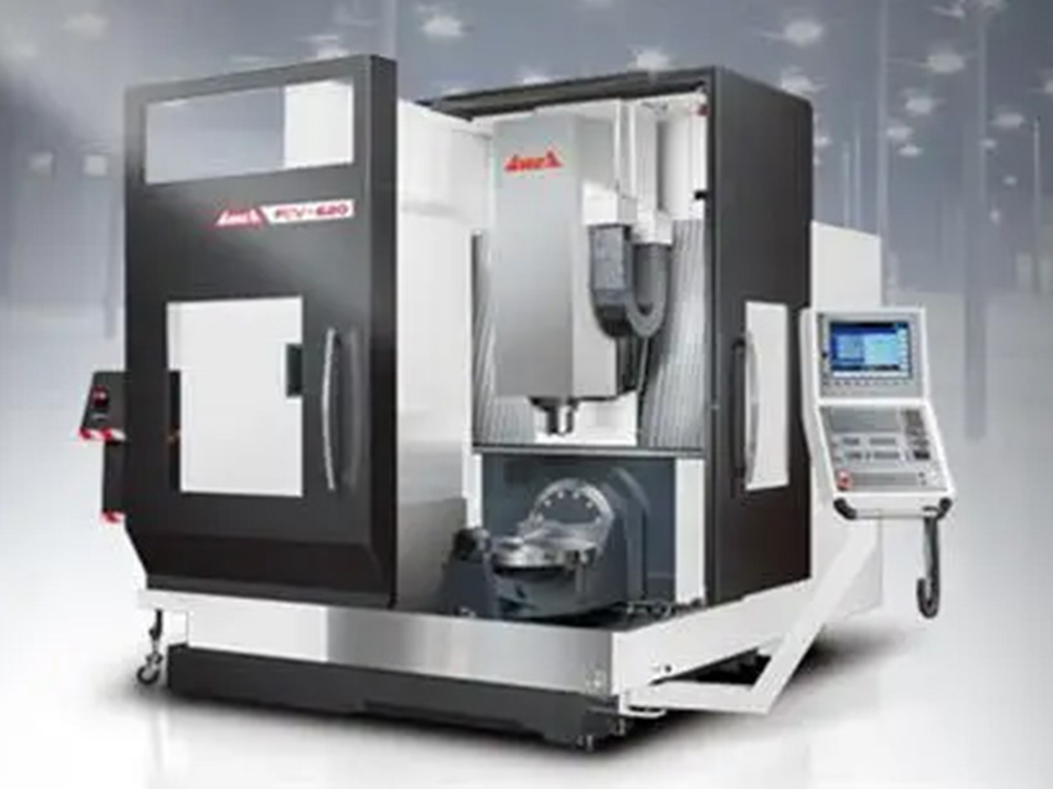
CNC machine tools
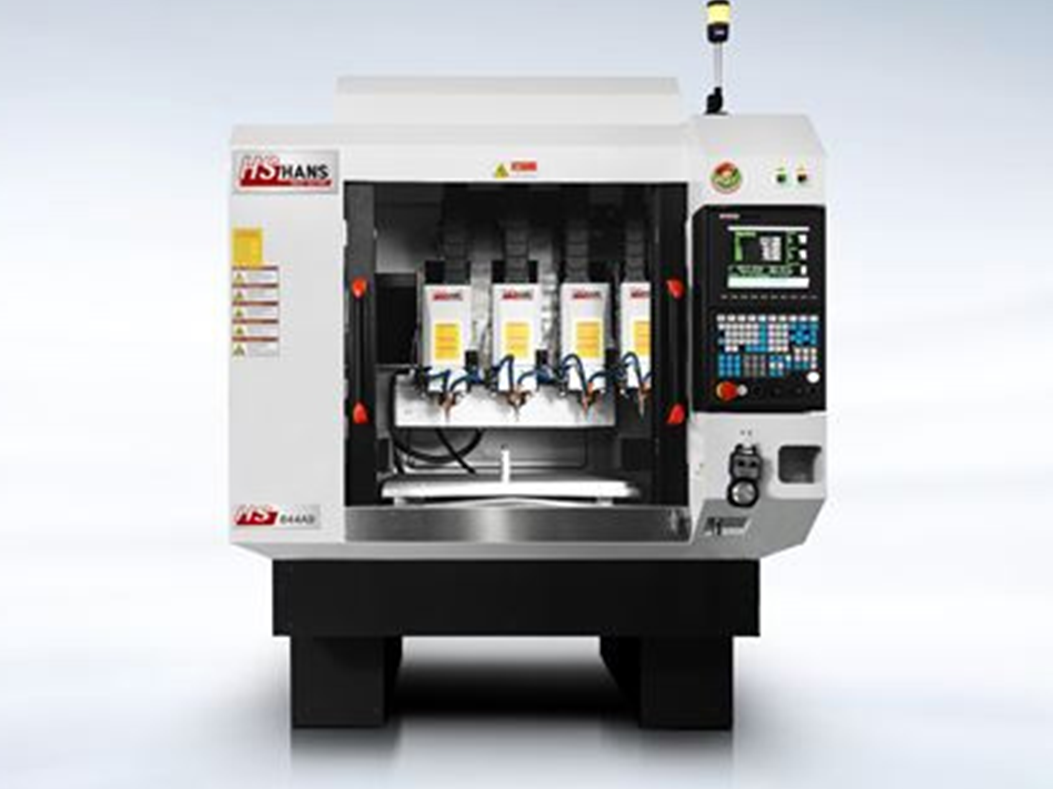
Carved machine
Factory Board
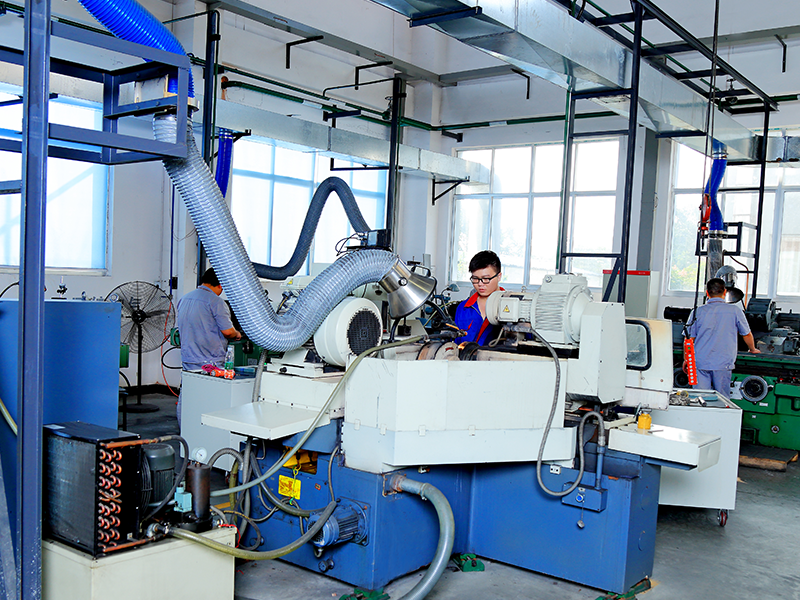
Factory Board
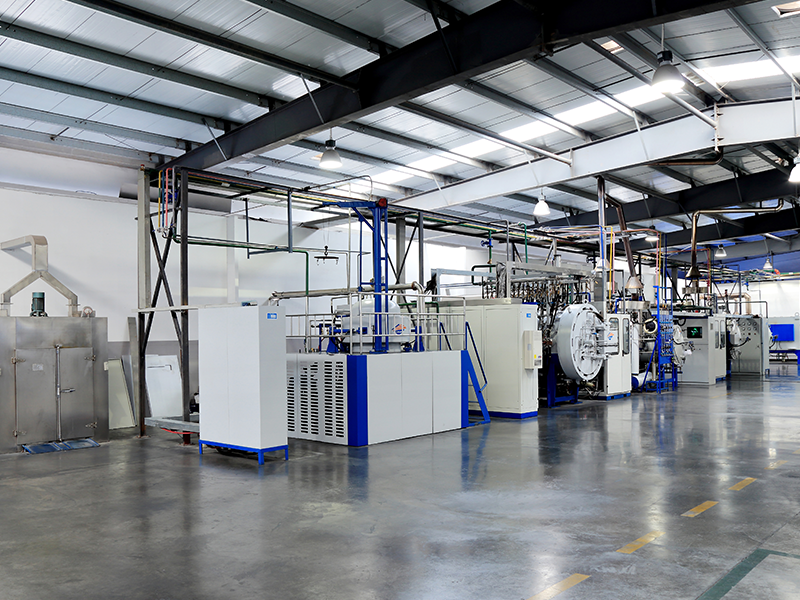
Factory Board
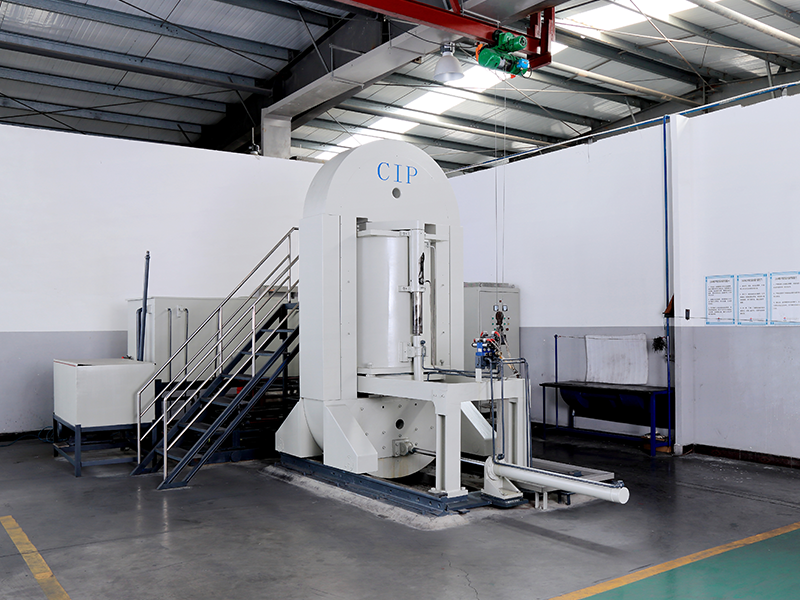
Factory Board
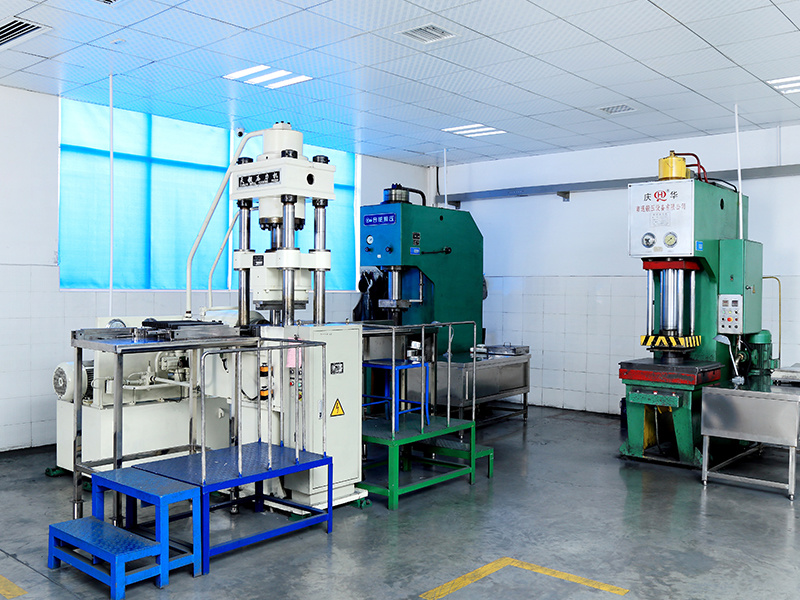
Factory Board
Recommended products


FAQ
2026-04-21
Common Issues in Machining Stainless Steel with Lizhou Turning Inserts
A detailed guide to LIZHOU cemented carbide turning inserts, covering naming conventions, types, selection of inserts specifically designed for roughing and finishing stainless steel, the differences between internal-bore and external-diameter inserts, and answers to frequently asked questions.
2026-04-21
Differences and Applications of Cobalt Drill Bits vs. Carbide Drill Bits
LiZhou Cemented Carbide provides a detailed comparison of cobalt-tipped drills and cemented carbide drills, covering material composition, hardness, tool life, suitable workpiece materials, and common issues to help you quickly select the right tool.
2026-03-31
What is the melting point of tungsten carbide? – Lizhou Cemented Carbide
This comprehensive analysis of Lizhou Cemented Carbide covers the melting point of tungsten carbide (2,870°C), a performance comparison, and industrial applications, explaining in detail why its high melting point makes cemented carbide highly resistant to high temperatures, wear, and deformation—making it ideally suited for tools, mining, steelmaking, and other demanding applications.
2026-03-28
How to Choose Positive and Negative Turning Inserts | LiZhou ISO Turning Tool Code Analysis
A Must-Read for Beginners! Lizhou Cemented Carbide Shows You How to Decode ISO Codes for Turning Inserts, Distinguish Between Positive- and Negative-Rake Inserts, Master the Three Key Selection Principles, and Resolve Common Issues Such as Poor Finish in Precision Turning and Work-Hardening When Machining Stainless Steel.
Hotline:
IPV4 / IPV6