


FAQ
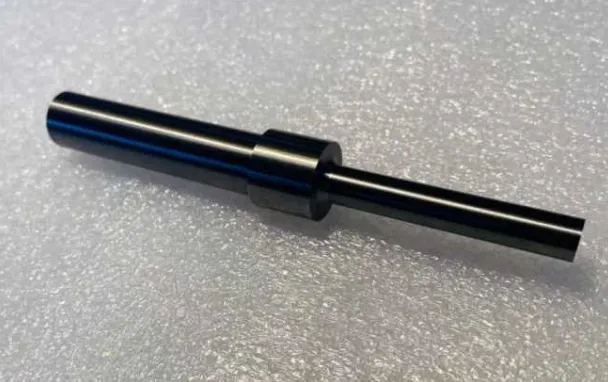
Tungsten carbide rod
China Lizhou Hard Alloy Source Factory
Grade:LBC15
Application:Soft wood
Classification :
Cemented Carbide Strip
keyword:
lizhou




Carbide strips are also rectangular tungsten carbide rods, also known as carbide flat bars. They are manufactured using the same process as carbide round bars.
I. Hard Alloy Bar Product Specifications:
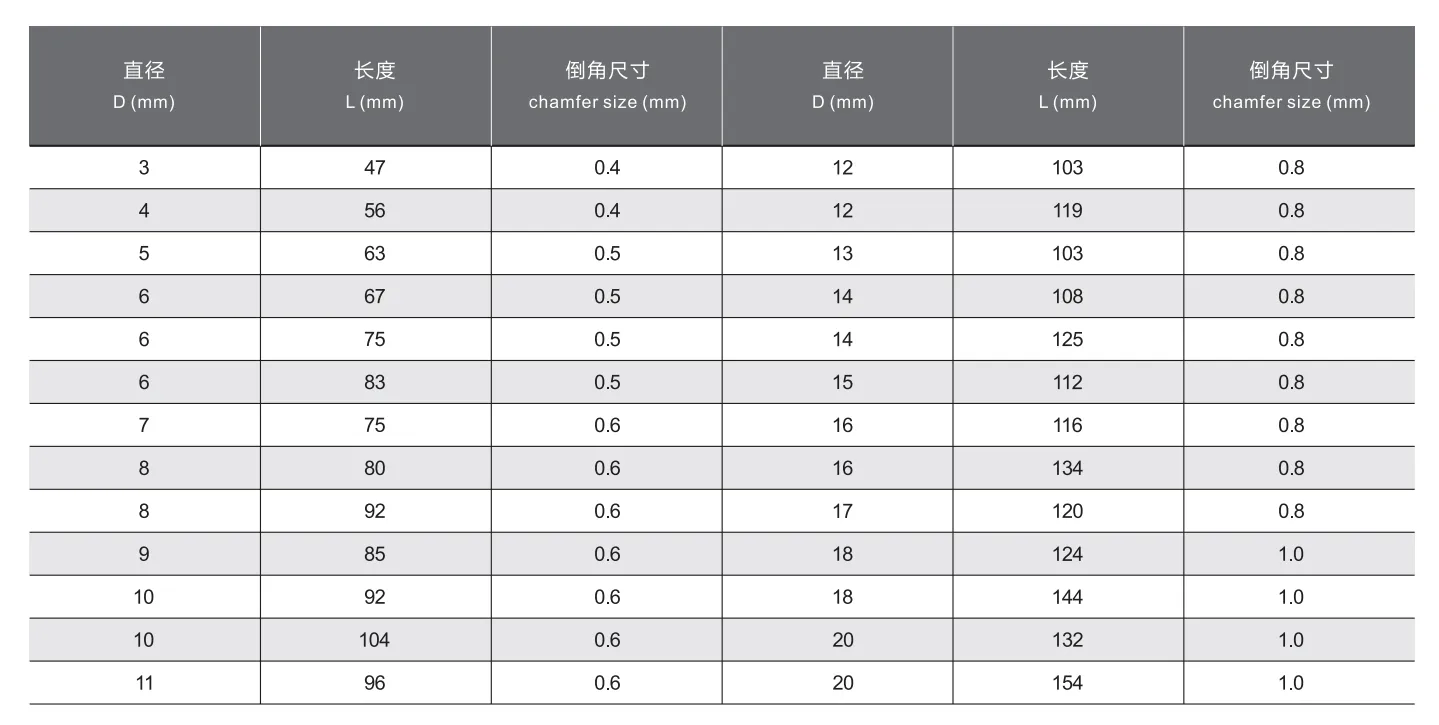
II. Product Data Parameters
Grade: LBC15
Cobalt content: 10%
Grain size: 0.8 μm
Density: 14.4 g/cm³
Hardness: 91.5 HRA
Flexural strength: 4100 N/mm²
Cemented carbide bar production process:
Powders (primarily a mixture of WC and Co powders in accordance with the specified formulation ratio) undergo mixing, ball milling, spray tower drying, extrusion, drying, sintering, (with cutting or grinding performed as necessary), final inspection, packaging, and delivery. Intermediate inspections are conducted after each processing step to ensure that only qualified products proceed to the next stage of production.
Cutting applications: Cork
Core Advantages:
Carbide rods (tungsten carbide rods) are formulated with ultra-fine-grained tungsten carbide and a cobalt binder, achieving a hardness of up to 91.5 HRA. They are suitable for high-abrasion applications such as metal cutting and ore crushing.
High-temperature oxidation resistance: the structure remains stable at 1200°C.
Precision Molding: Dimensional tolerances as tight as ±0.02 mm, with support for custom cutting and surface finishing to meet a wide range of industrial requirements.
Why Choose Our Lizhou Cemented Carbide Strips:
1. Rigorous quality control throughout the entire process: from raw material sintering to precision grinding, with 100% non-destructive testing to ensure the absence of porosity and cracks.
2. Customization Support: OEM customization for special requirements such as custom dimensions, non-standard cross-sections, and gradient structures, with rapid response and delivery.
3. Global Validation: The product has been exported to more than 20 countries and serves over 5,000 machinery manufacturing, energy, and mining companies.
Use equipment
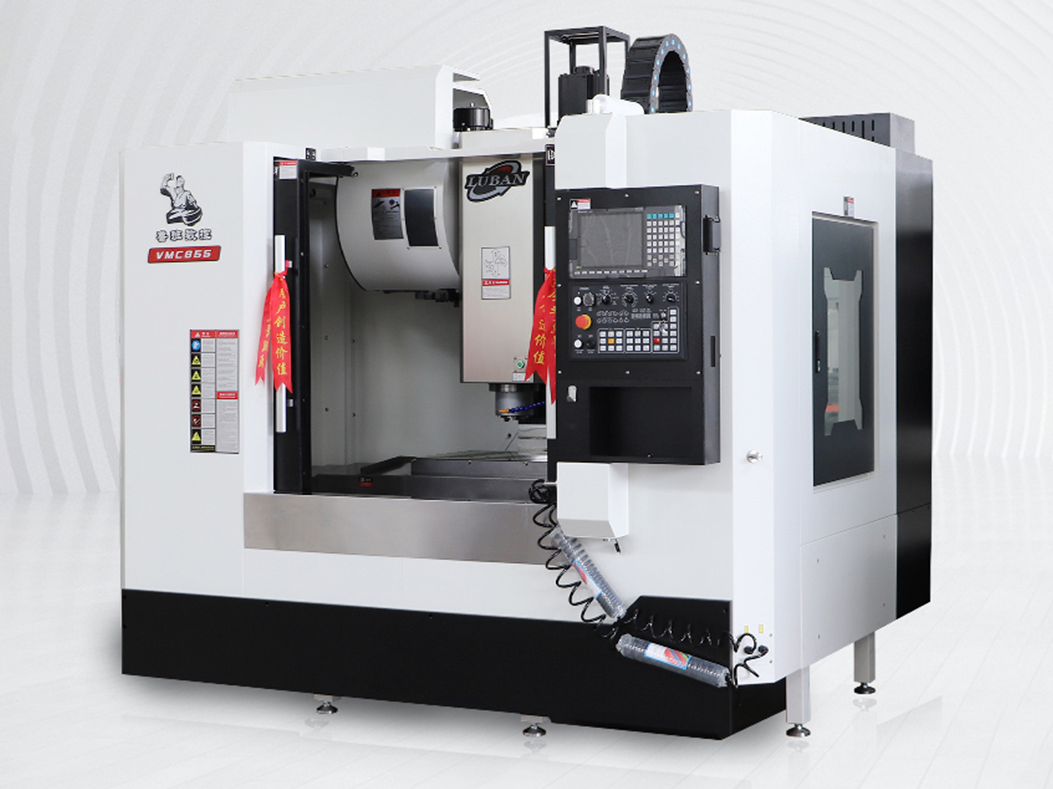
CNC machining centre
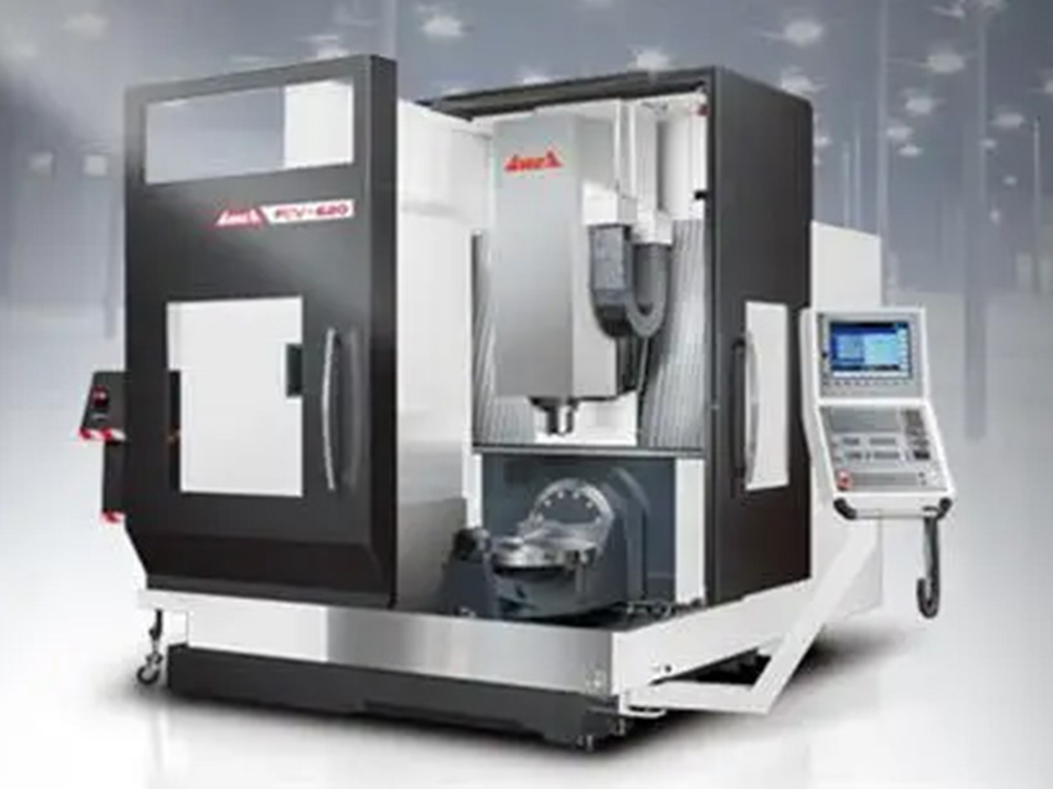
CNC machine tools
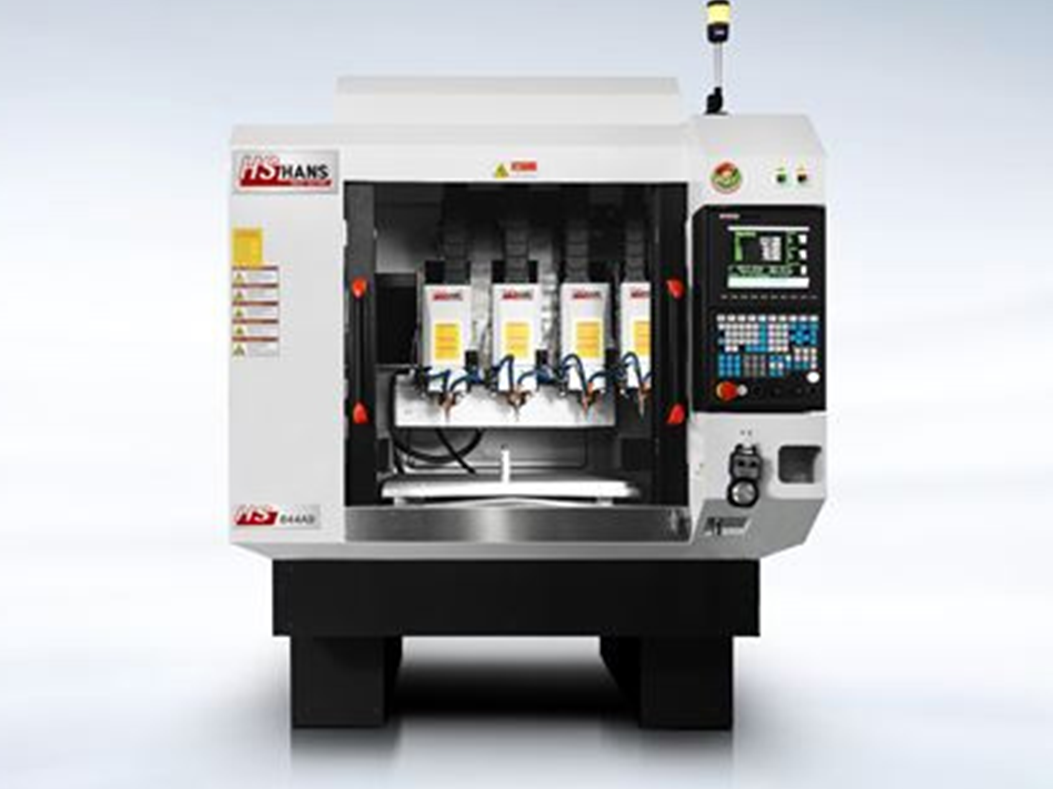
Carved machine
Factory Board
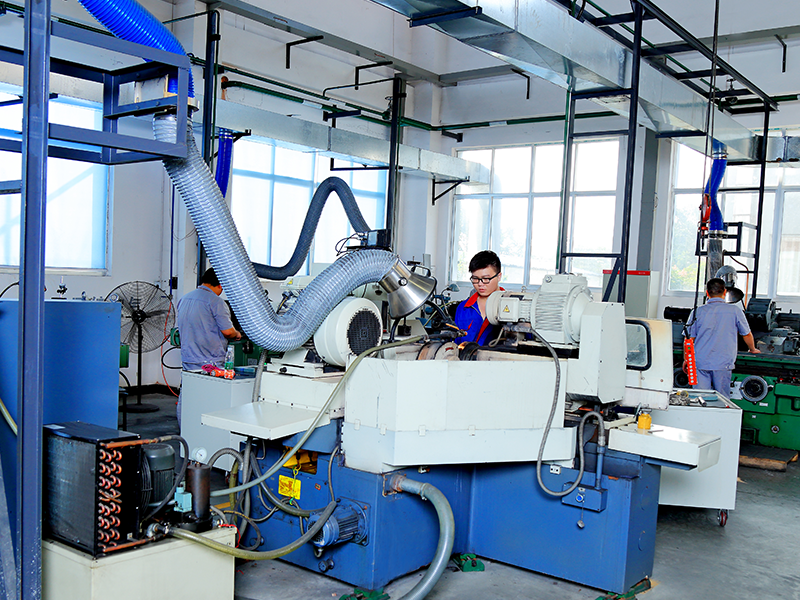
Factory Board
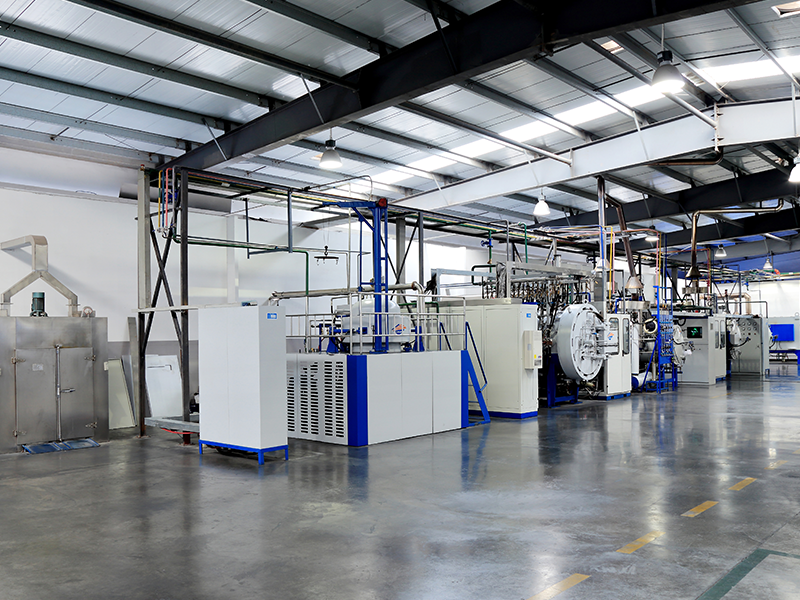
Factory Board
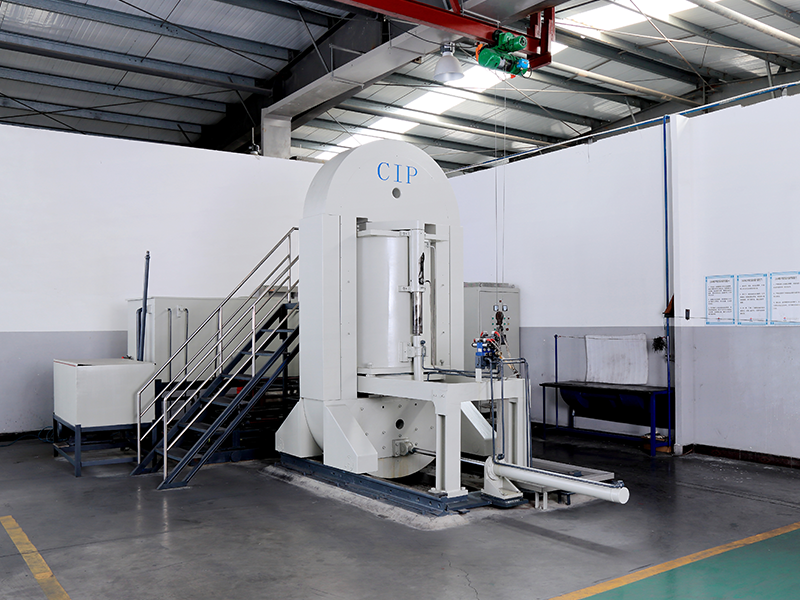
Factory Board
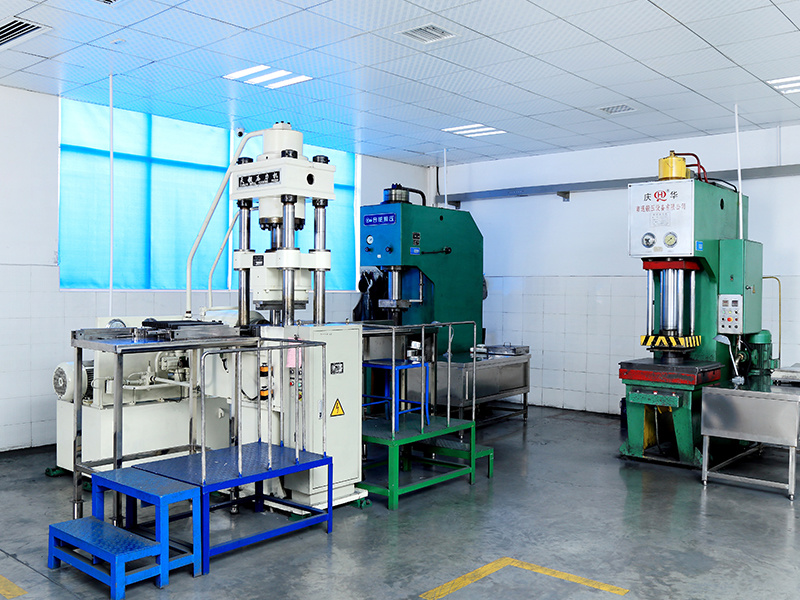
Factory Board
Recommended products


FAQ
2026-04-21
Common Issues in Machining Stainless Steel with Lizhou Turning Inserts
A detailed guide to LIZHOU cemented carbide turning inserts, covering naming conventions, types, selection of inserts specifically designed for roughing and finishing stainless steel, the differences between internal-bore and external-diameter inserts, and answers to frequently asked questions.
2026-04-21
Differences and Applications of Cobalt Drill Bits vs. Carbide Drill Bits
LiZhou Cemented Carbide provides a detailed comparison of cobalt-tipped drills and cemented carbide drills, covering material composition, hardness, tool life, suitable workpiece materials, and common issues to help you quickly select the right tool.
2026-03-31
What is the melting point of tungsten carbide? – Lizhou Cemented Carbide
This comprehensive analysis of Lizhou Cemented Carbide covers the melting point of tungsten carbide (2,870°C), a performance comparison, and industrial applications, explaining in detail why its high melting point makes cemented carbide highly resistant to high temperatures, wear, and deformation—making it ideally suited for tools, mining, steelmaking, and other demanding applications.
2026-03-28
How to Choose Positive and Negative Turning Inserts | LiZhou ISO Turning Tool Code Analysis
A Must-Read for Beginners! Lizhou Cemented Carbide Shows You How to Decode ISO Codes for Turning Inserts, Distinguish Between Positive- and Negative-Rake Inserts, Master the Three Key Selection Principles, and Resolve Common Issues Such as Poor Finish in Precision Turning and Work-Hardening When Machining Stainless Steel.
Hotline:
IPV4 / IPV6