


FAQ
2-Flute Corner Radius End Mill
China Lizhou Hard Alloy Source Factory
| Brand: | Lizhou | |
| Specification: | 2 blade | |
| Coating: | None | |
| Structural Material: | Tungsten Steel | |
| Spiral Angle: | 30° | |
| Place of Production: | Zhuzhou, Hunan | |
Classification :
Corner Radius End Mill
keyword:
lizhou




2-Flute Corner Radius End Mill – Precision Carbide Cutting Tool for High-Performance Machining
Introduction
In the world of precision machining, cutting tools play a decisive role in determining productivity, accuracy, and surface finish quality. Among these, the 2-Flute Corner Radius End Mill stands out as a versatile and reliable tool, particularly when crafted from premium carbide materials. This tool is engineered to combine the efficiency of a two-flute design with the durability of a corner radius profile, making it ideal for manufacturers who need high-performance machining solutions across aluminum, steel, stainless steel, and other alloys.
As a professional carbide tool manufacturer, our company specializes in producing advanced end mills that reflect the perfect balance between material science, tool geometry, and innovative coating technologies. In this article, we will introduce the 2-Flute Corner Radius End Mill in detail, covering its advantages, applications, features, usage tips, and technology innovations to help buyers and engineers make informed decisions.


1. What Is a 2-Flute Corner Radius End Mill?
A 2-Flute Corner Radius End Mill is a cutting tool with two helical flutes designed for efficient chip evacuation. Unlike standard square end mills, this tool features a corner radius instead of a sharp 90-degree edge. The radius provides additional strength at the cutting edge, reduces chipping, and prolongs tool life.
Number of flutes: 2 (optimized for high-speed machining and better chip clearance)
Corner radius: Small rounded edge at the tip, designed to prevent breakage and improve surface finish
Material: Solid carbide for superior hardness, heat resistance, and wear resistance
This geometry makes the 2-flute corner radius end mill especially effective in roughing and finishing operations, particularly when machining softer, non-ferrous materials like aluminum as well as harder steels where tool strength is critical.

2. Advantages of Carbide in End Mills
The performance of any end mill depends heavily on its material. Our 2-Flute Corner Radius End Mill is manufactured from fine-grain tungsten carbide, which offers multiple advantages over traditional high-speed steel (HSS) or cobalt tools.
2.1 Superior Hardness and Wear Resistance
Carbide maintains cutting-edge sharpness even under high cutting temperatures.
Ensures longer tool life, reducing downtime for tool changes.
2.2 High Heat Resistance
Carbide withstands the extreme heat generated during high-speed machining.
Reduces risk of tool deformation, ensuring dimensional accuracy of workpieces.
2.3 Increased Productivity
Allows for higher cutting speeds and feeds compared to HSS tools.
Enables shorter cycle times and higher output efficiency.
2.4 Dimensional Precision
The tool maintains tight tolerances during complex machining operations.
Delivers mirror-like surface finishes with minimal need for post-processing.
2.5 Versatility in Machining Materials
Suitable for aluminum, stainless steel, titanium, hardened steels, and composites.
A single tool can be used across multiple applications, reducing inventory costs.
3. Applications of 2-Flute Corner Radius End Mill
The 2-Flute Corner Radius End Mill is a highly versatile cutting tool used in various industries.
3.1 Aerospace Industry
Machining lightweight aluminum alloys for aircraft structures.
Producing titanium components with extended tool life.
3.2 Automotive Industry
Manufacturing engine parts, molds, and transmission components.
High-speed machining of aluminum cylinder heads and blocks.
3.3 Mold and Die Industry
Cutting molds for injection molding and die-casting.
Corner radius ensures stronger edges for longer tool life in mold cavities.
3.4 General Engineering
Suitable for machining stainless steel, copper, brass, and hardened steels.
Used in CNC machining centers, milling machines, and high-precision workshops.
3.5 Medical and Electronics
Producing small components with high dimensional accuracy.
Used for machining slots, contours, and profiles in sensitive applications.
4. Features of the 2-Flute Corner Radius End Mill
This cutting tool is engineered with specific design elements to maximize efficiency.
4.1 Two-Flute Geometry
Provides superior chip evacuation.
Ideal for machining softer materials where chip load is higher.
4.2 Corner Radius Design
Reinforces the tool tip, reducing chipping.
Produces stronger edge geometry, extending tool life.
Creates smoother surface finishes compared to square end mills.
4.3 High-Performance Carbide Material
Manufactured from ultra-fine grain carbide.
Exceptional wear resistance and durability.
4.4 Precision Grinding and Sharpening
Flutes are ground to tight tolerances.
Ensures accuracy and consistency across workpieces.
4.5 Optional Coatings
Advanced coatings like TiAlN, AlTiN, or DLC improve tool performance.
Enhances heat resistance and reduces friction.
5. Benefits of Using 2-Flute Corner Radius End Mills
Extended tool life:corner radius cutting -edge stress
Superior Chip Control: two flutes allow smooth chip evacuation,preventing clogging,
High Feed Rates:efficient cutting makes it possible to run faster machining cycles.
Improved surface finish:reduces burrs and improves workpiece quality.
Versatility : Works well across a range of metals and applications.
6. Usage Guidelines and Precautions
To maximize the life and efficiency of the tool, proper usage practices must be followed.
6.1 Proper Machine Setup
Ensure rigid fixturing to avoid vibration.
Use high-precision collets for tool holding.
6.2 Cutting Parameters
Optimize cutting speeds and feeds according to material hardness.
For aluminum: Higher spindle speeds with coolant for chip evacuation.
For steels: Moderate speeds with coated end mills for durability.
6.3 Use of Coolant
Apply coolant or mist lubrication to improve tool life.
Prevents excessive heat buildup.
6.4 Avoid Excessive Tool Overhang
Shorter overhang improves stability and reduces tool breakage.
6.5 Regular Tool Inspection
Inspect cutting edges for wear or chipping.
Replace tools before they reach critical wear levels.
7. Technical Innovations and Patents
As a carbide manufacturer, our company integrates advanced technologies in tool design:
Micro-grain carbide substrates for higher toughness and strength.
Special flute polishing techniques to improve chip evacuation.
Patented corner radius geometry that balances cutting efficiency and durability.
Multi-layer PVD and CVD coatings designed for different machining materials.
Finite element analysis (FEA) in tool design to optimize cutting performance.
These innovations ensure that our tools outperform conventional end mills in both longevity and precision.
8. Why Choose Our Company?
Expertise: Years of experience in carbide manufacturing.
Customization: Tailored solutions based on client material and application needs.
Quality Assurance: ISO-certified production and rigorous inspection standards.
Global Supply: Trusted by industries worldwide for high-precision tooling.
We provide OEM and ODM services for global brands and can develop customized carbide cutting tools for special machining requirements.
Conclusion
The 2-Flute Corner Radius End Mill is a high-precision, durable, and efficient cutting tool that combines the benefits of carbide material with advanced design. From aerospace to automotive, mold-making to electronics, this tool enhances productivity while ensuring excellent surface finish and longer tool life.
For manufacturers seeking reliable tools that deliver both performance and cost efficiency, our carbide 2-Flute Corner Radius End Mill represents the ideal choice.
Previous page
Next page
Use equipment
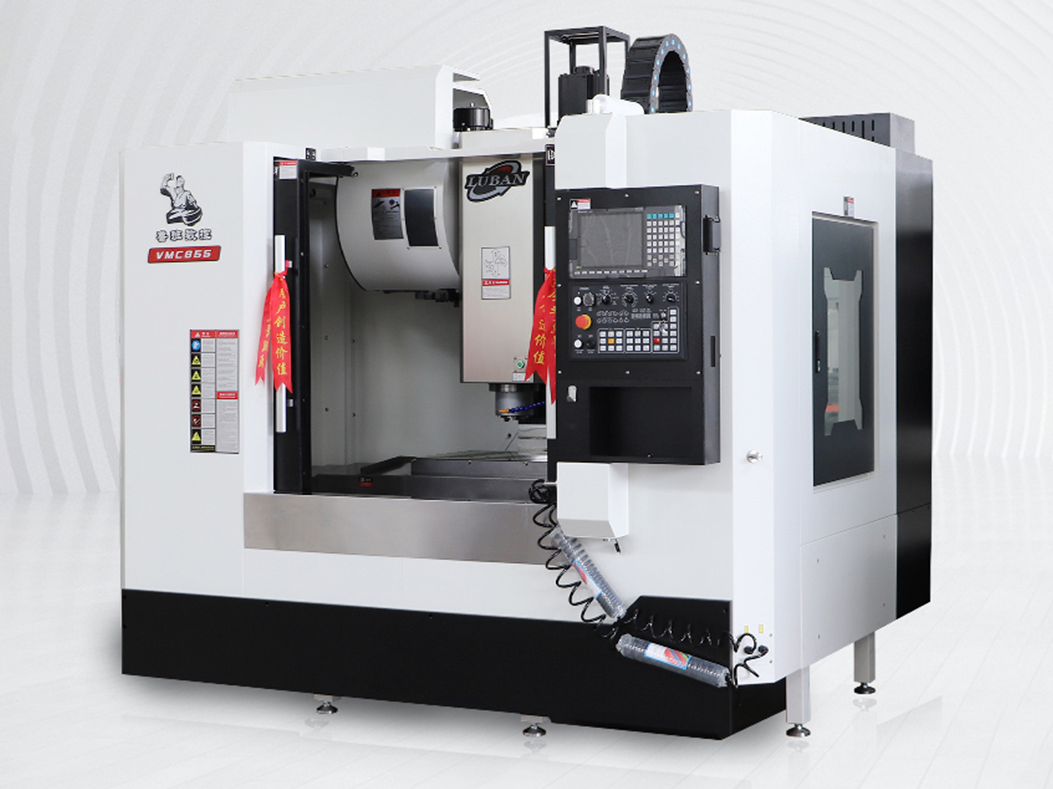
CNC machining centre
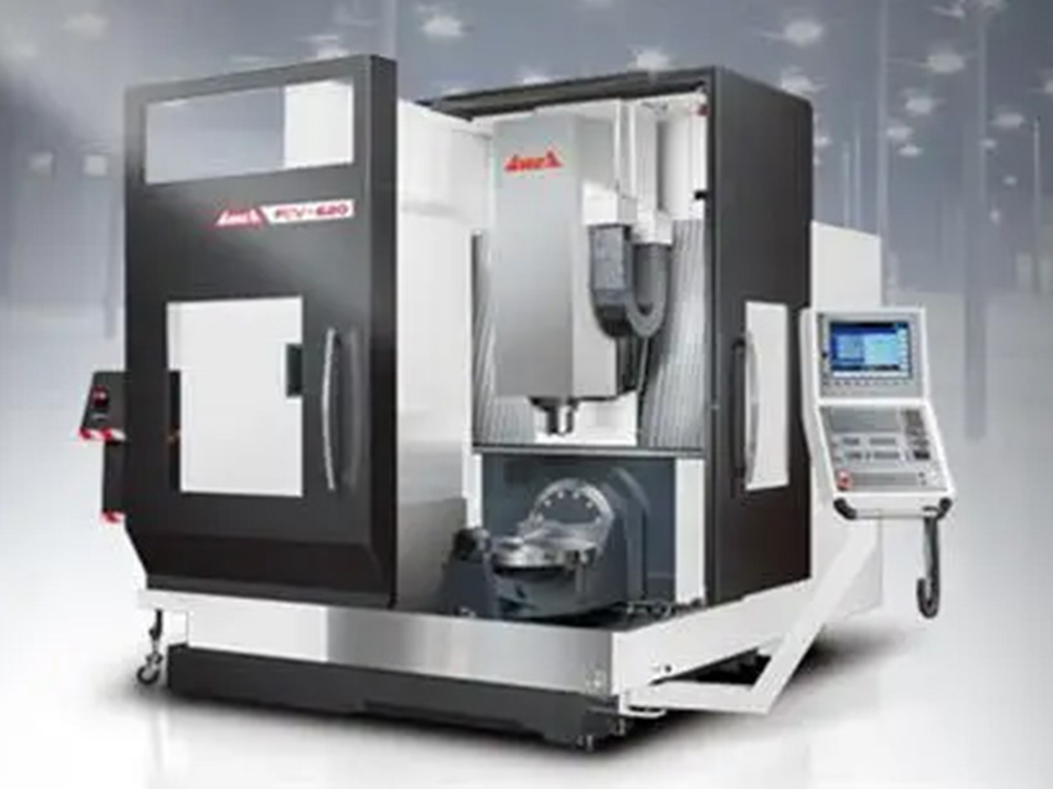
CNC machine tools
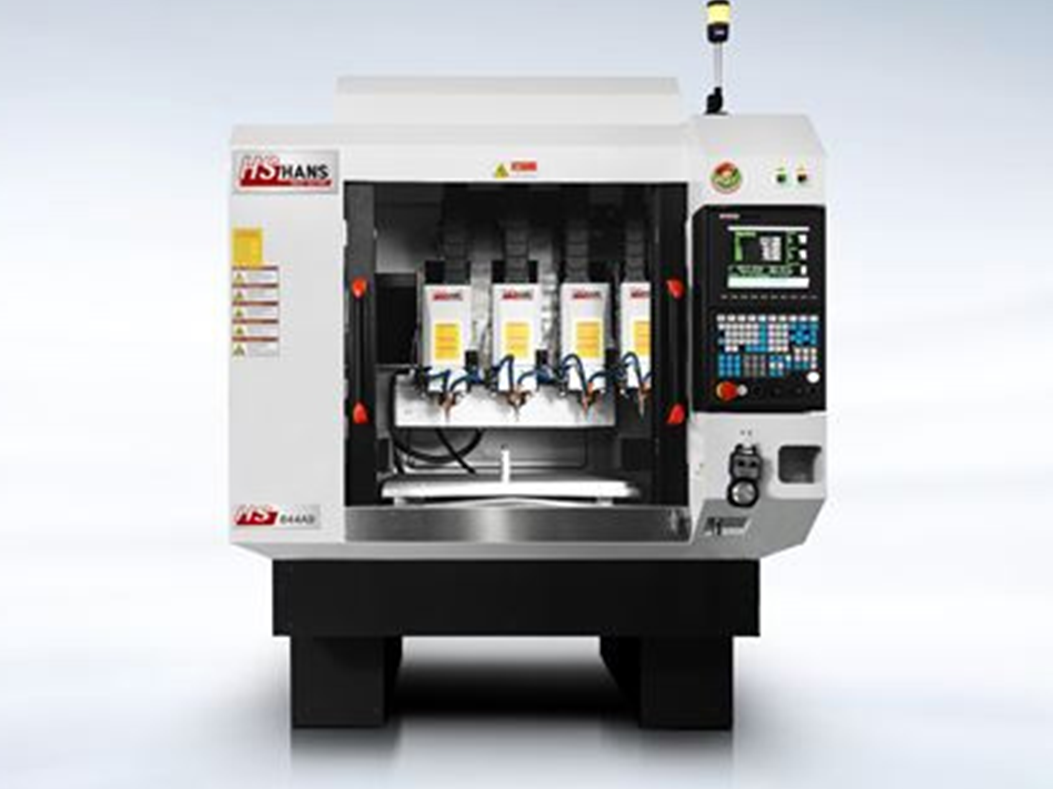
Carved machine
Factory Board
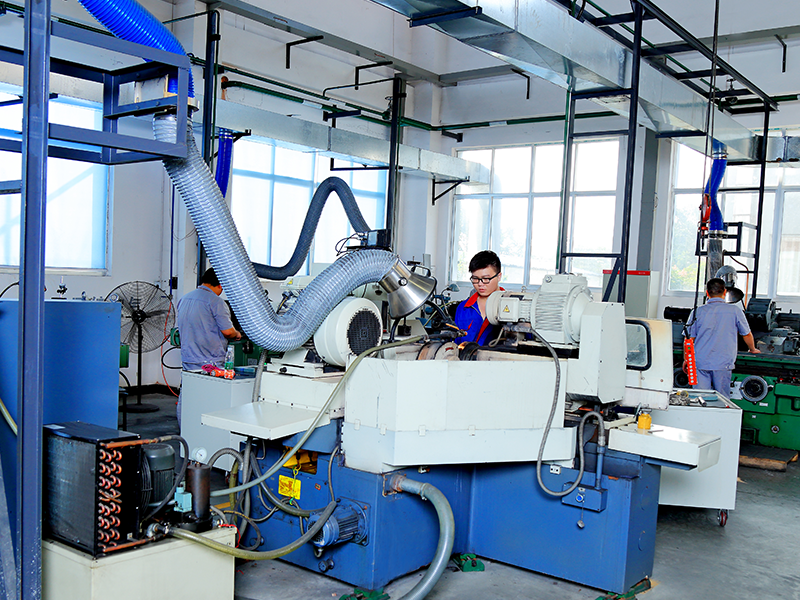
Factory Board

Factory Board
Factory Board

Factory Board
Recommended products


FAQ
2026-04-21
Common Issues in Machining Stainless Steel with Lizhou Turning Inserts
A detailed guide to LIZHOU cemented carbide turning inserts, covering naming conventions, types, selection of inserts specifically designed for roughing and finishing stainless steel, the differences between internal-bore and external-diameter inserts, and answers to frequently asked questions.
2026-04-21
Differences and Applications of Cobalt Drill Bits vs. Carbide Drill Bits
LiZhou Cemented Carbide provides a detailed comparison of cobalt-tipped drills and cemented carbide drills, covering material composition, hardness, tool life, suitable workpiece materials, and common issues to help you quickly select the right tool.
2026-03-31
What is the melting point of tungsten carbide? – Lizhou Cemented Carbide
This comprehensive analysis of Lizhou Cemented Carbide covers the melting point of tungsten carbide (2,870°C), a performance comparison, and industrial applications, explaining in detail why its high melting point makes cemented carbide highly resistant to high temperatures, wear, and deformation—making it ideally suited for tools, mining, steelmaking, and other demanding applications.
2026-03-28
How to Choose Positive and Negative Turning Inserts | LiZhou ISO Turning Tool Code Analysis
A Must-Read for Beginners! Lizhou Cemented Carbide Shows You How to Decode ISO Codes for Turning Inserts, Distinguish Between Positive- and Negative-Rake Inserts, Master the Three Key Selection Principles, and Resolve Common Issues Such as Poor Finish in Precision Turning and Work-Hardening When Machining Stainless Steel.
Hotline:
IPV4 / IPV6