


FAQ
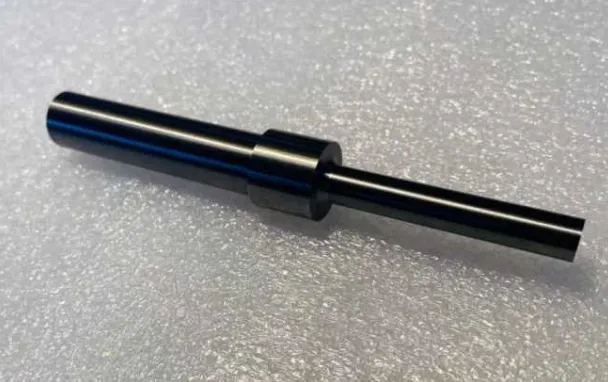
Carbide wire-drawing die
China Lizhou Hard Alloy Source Factory
Classification :
Carbide Wire Drawing Die
keyword:
lizhou




Lizhou Cemented Carbide manufactures cemented carbide wire-drawing dies. Diameter and hole-size tolerances can be controlled to very tight limits, with hole-size tolerance as tight as ±0.1 mm.
The internal diameter profile of the drawing die is critically important. It determines the tensile force required to draw the metal wire and influences the residual stresses in the wire after drawing.
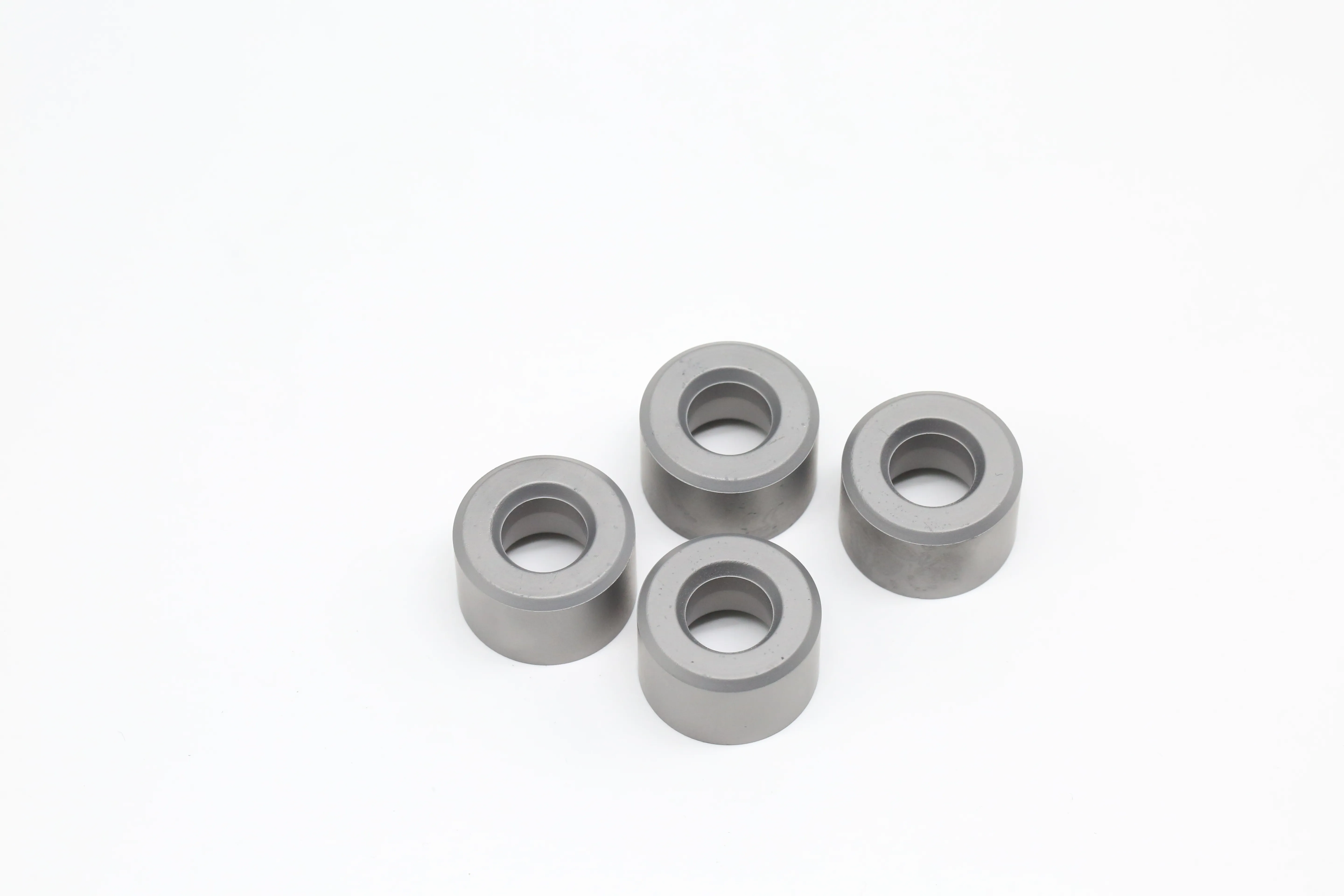
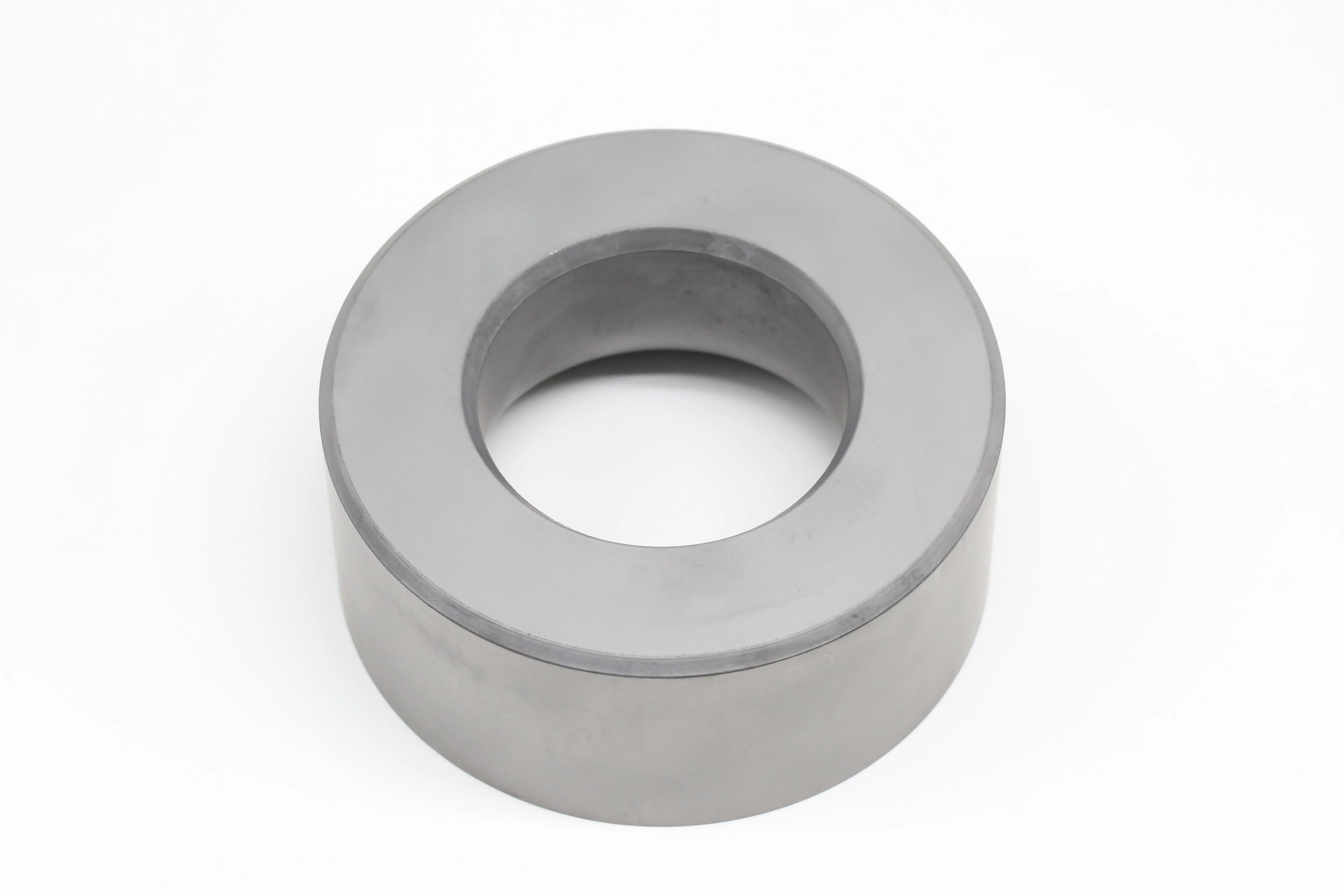
As a professional cemented carbide manufacturer, we offer high-quality wire-drawing dies designed to ensure precise drawing of metal wires. Our products are crafted from high-hardness cemented carbide, delivering exceptional wear resistance, exceptionally long service life, and superior dimensional accuracy—providing a stable and highly efficient solution for your production needs.
Carbide Wire Drawing Die Dimension Table
Size |
Tolerance |
Size |
Tolerance |
greater than or equal to 0.3~0.4 |
0–0.08 |
greater than 16.0~24.0 |
0–0.50 |
greater than or equal to 0.4~0.6 |
0–0.08 |
greater than 24.0~32.0 |
0–0.60 |
greater than 0.6~3.0 |
0–0.18 |
greater than 32.0~40.0 |
0–0.80 |
greater than 3.0~6.0 |
0–0.25 |
greater than 40.0~55.0 |
0–1.20 |
greater than 6.0~9.0 |
0–0.30 |
greater than 55.0~90.0 |
0–1.50 |
greater than 9.0~16.0 |
0–0.40 |
greater than 90
|
0-2.0 |
|
|
|
|
Outer diameter unit: millimeters
Size |
Tolerance |
Size |
Tolerance |
less than or equal to 10
|
plus or minus 0.15
|
greater than 35~40 |
plus or minus 0.40
|
greater than 10~16 |
plus or minus 0.2
|
greater than 40~45 |
plus or minus 0.50
|
greater than 16~30 |
plus or minus 0.3
|
greater than 45~50 |
plus or minus 0.60
|
greater than 30~35 |
plus or minus 0.4
|
greater than 50
|
plus or minus 1.3% D |
Product Applications
Metal wire manufacturing: efficient processing of stainless steel wire, copper wire, aluminum wire, welding wire, and more.
Cable Industry: Precision Wire Drawing for Cables, Conductors, and Communication Cables
Fastener and Spring Manufacturing: Producing High-Strength Wire to Enhance Product Stability
Aerospace and automotive industries: used for the drawing of high-precision alloy wires to ensure product quality.
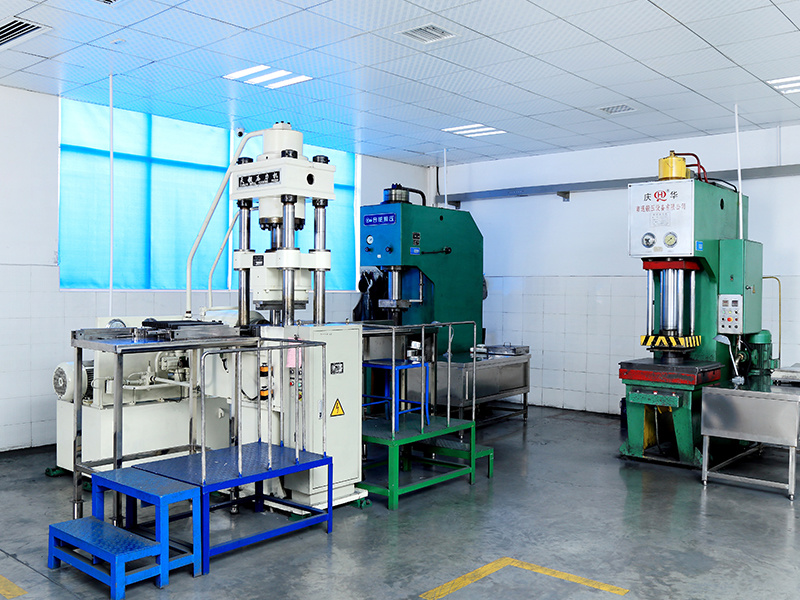
Use equipment
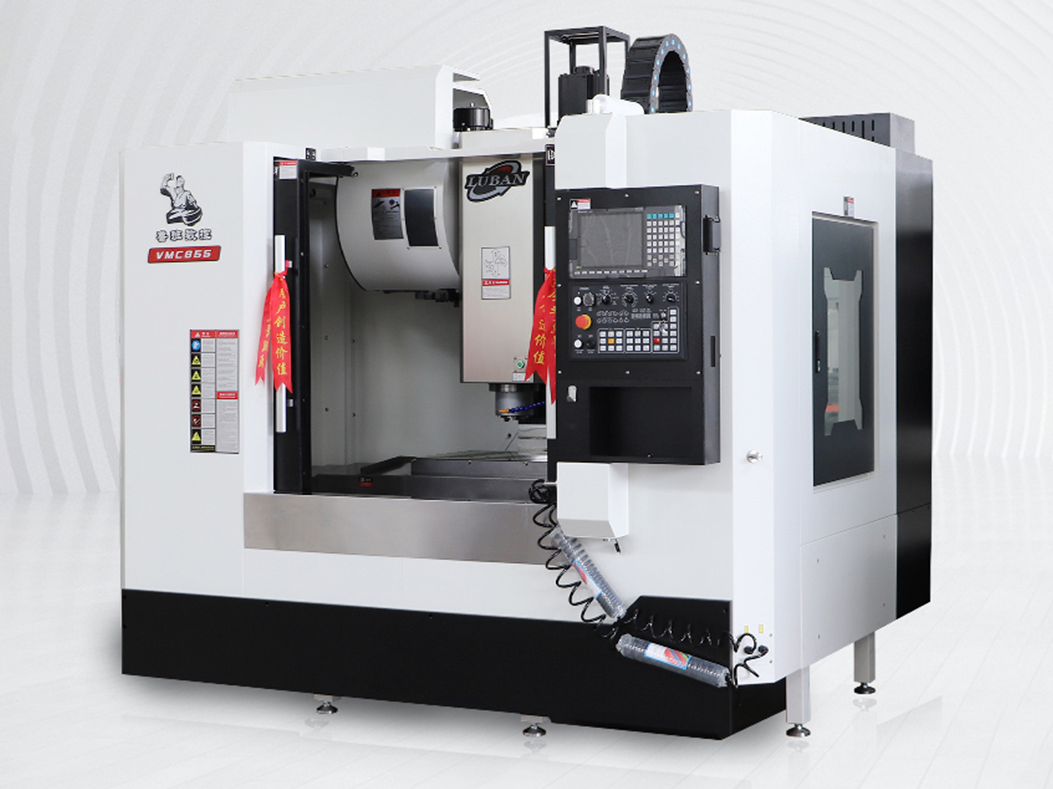
CNC machining centre
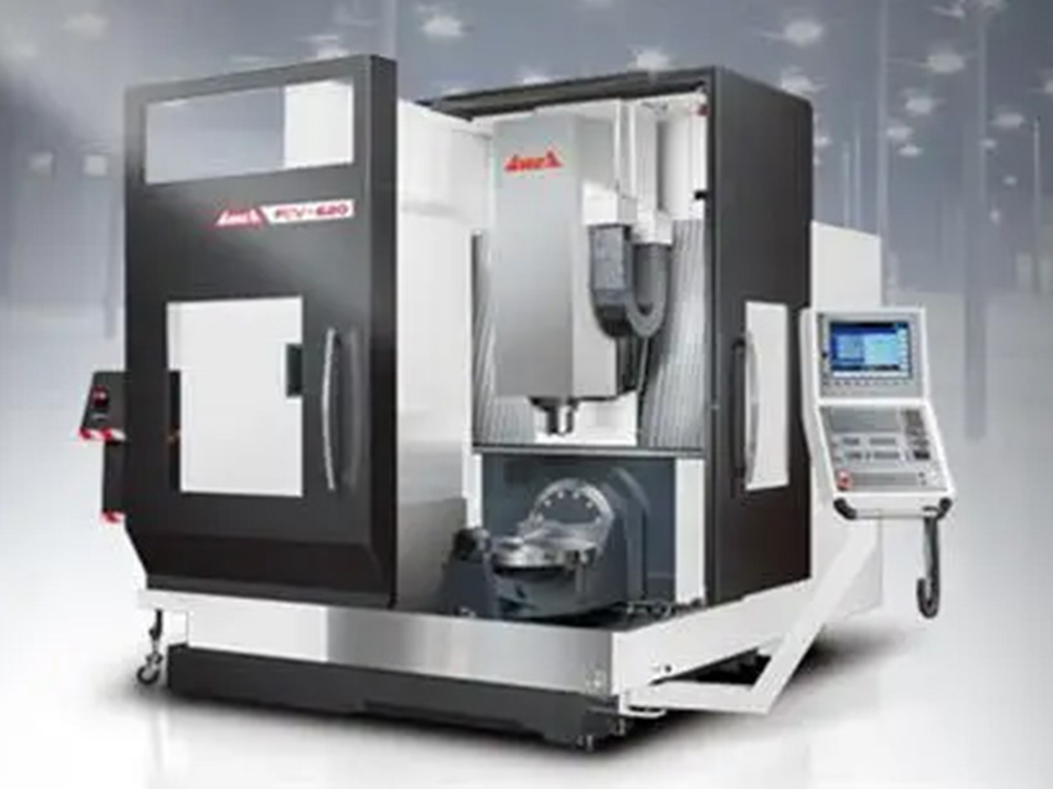
CNC machine tools
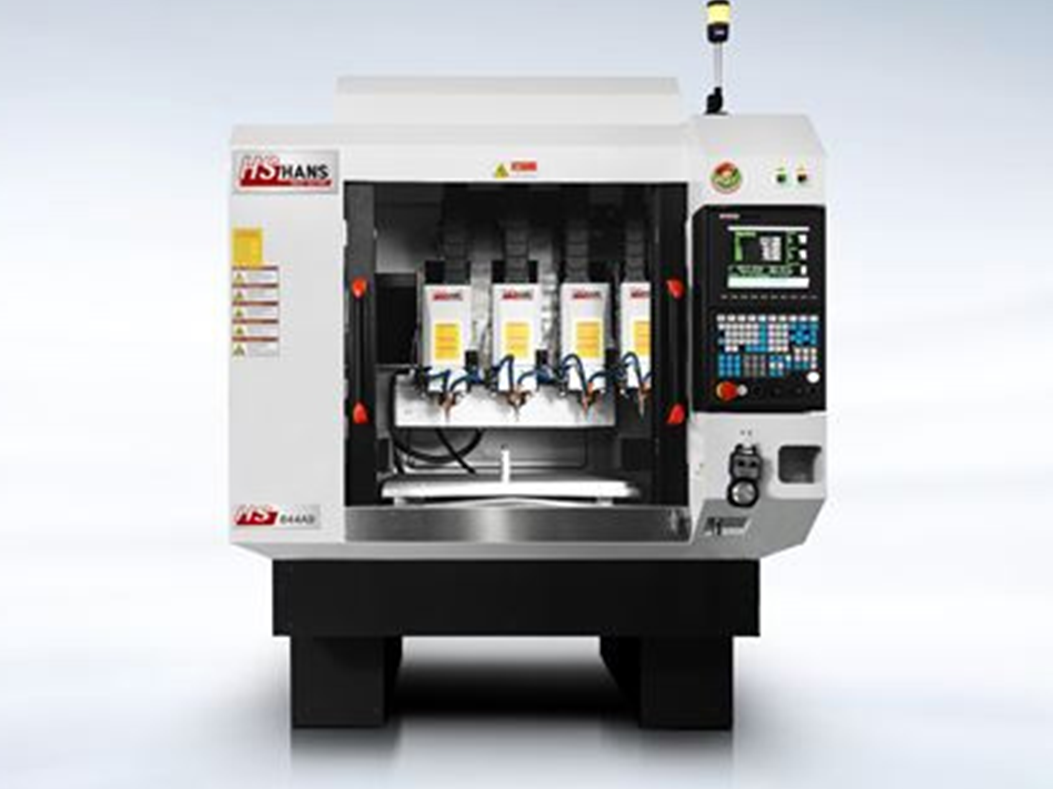
Carved machine
Factory Board
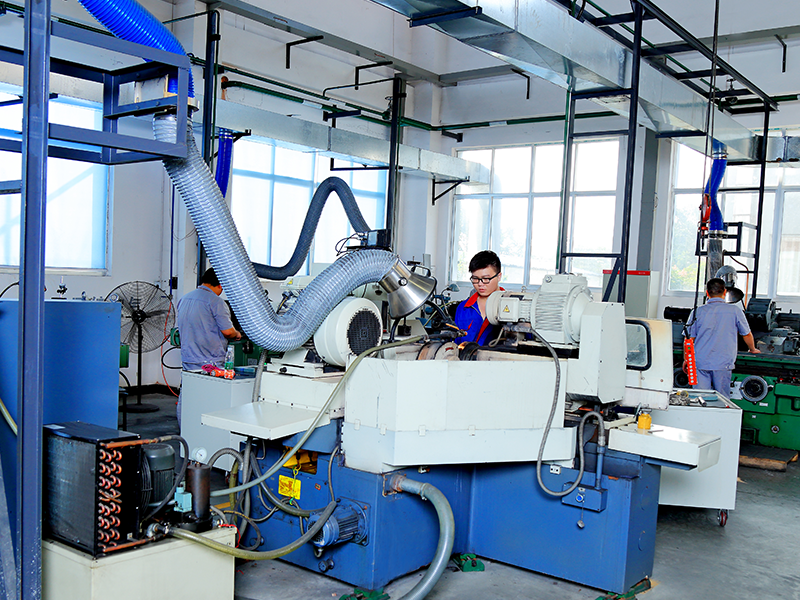
Factory Board
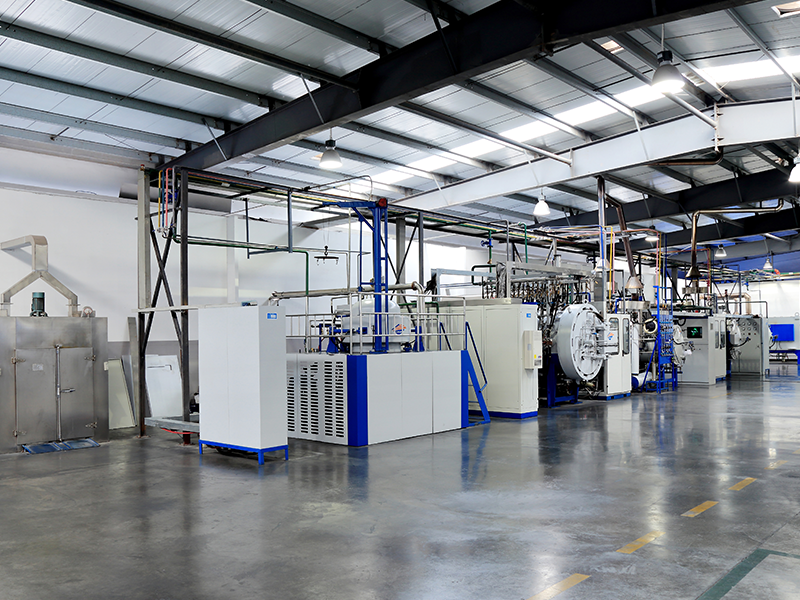
Factory Board
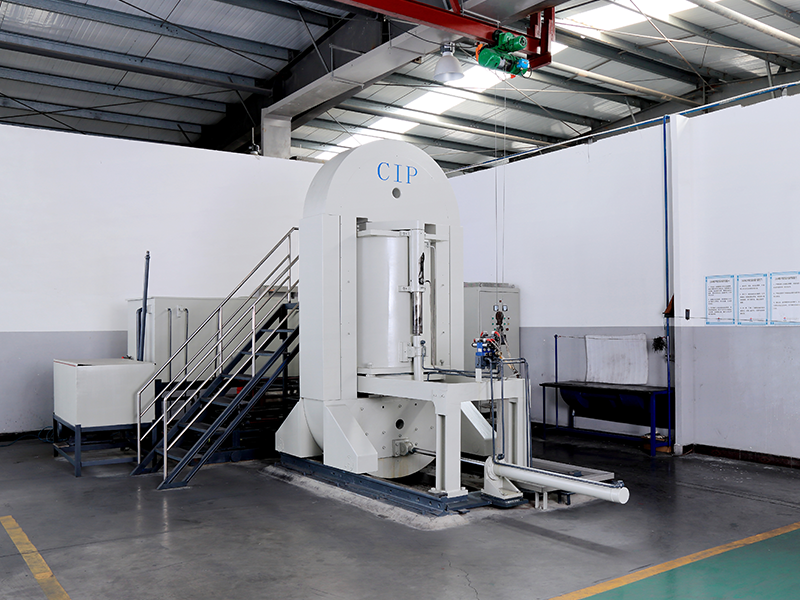
Factory Board
Factory Board
Recommended products



FAQ
2026-04-21
Common Issues in Machining Stainless Steel with Lizhou Turning Inserts
A detailed guide to LIZHOU cemented carbide turning inserts, covering naming conventions, types, selection of inserts specifically designed for roughing and finishing stainless steel, the differences between internal-bore and external-diameter inserts, and answers to frequently asked questions.
2026-04-21
Differences and Applications of Cobalt Drill Bits vs. Carbide Drill Bits
LiZhou Cemented Carbide provides a detailed comparison of cobalt-tipped drills and cemented carbide drills, covering material composition, hardness, tool life, suitable workpiece materials, and common issues to help you quickly select the right tool.
2026-03-31
What is the melting point of tungsten carbide? – Lizhou Cemented Carbide
This comprehensive analysis of Lizhou Cemented Carbide covers the melting point of tungsten carbide (2,870°C), a performance comparison, and industrial applications, explaining in detail why its high melting point makes cemented carbide highly resistant to high temperatures, wear, and deformation—making it ideally suited for tools, mining, steelmaking, and other demanding applications.
2026-03-28
How to Choose Positive and Negative Turning Inserts | LiZhou ISO Turning Tool Code Analysis
A Must-Read for Beginners! Lizhou Cemented Carbide Shows You How to Decode ISO Codes for Turning Inserts, Distinguish Between Positive- and Negative-Rake Inserts, Master the Three Key Selection Principles, and Resolve Common Issues Such as Poor Finish in Precision Turning and Work-Hardening When Machining Stainless Steel.
Hotline:
IPV4 / IPV6