


FAQ
Carbide Roll Rings
China Lizhou Hard Alloy Source Factory
Carbide roll ring
Classification :
Carbide Roller Ring
keyword:
lizhou




Liling cemented carbide roll rings are categorized into rolling rolls, composite rolls, and three-dimensional rolls, encompassing flat rolls, grooved rolls, and threaded rolls. Liling Cemented Carbide has implemented integrated control over the entire rolling process—from raw materials to finished products—thereby ensuring consistent product quality. These rolls are specifically designed for rolling equipment used in industries such as solar photovoltaic ribbon welding, FFC flat cables, flat enameled wires, ferrous metals, and brazing alloys.
Raw Size Date Table
Outer diameter |
Tolerance |
Inner diameter |
Tolerance |
Height |
Tolerance |
less than or equal to 160
|
+2.5+0.8 |
less than or equal to 87
|
0-1.8 |
less than or equal to 57
|
+2.0+1.0 |
greater than 160~200 |
+2.8+1.0 |
greater than 87~167 |
0-2.5 |
greater than 57~62 |
+2.5+1.0 |
greater than 200~340 |
+3.5+1.0 |
greater than 167~230 |
0-3.0 |
greater than 62~72 |
+3.0+1.0 |
greater than 340
|
+4.0+1.0 |
greater than 230
|
0.-3.5 |
greater than 72
|
+3.5+1.0 |
Finished product dimensions
Diameter |
Common |
Relatively good |
||||
Outer diameter (tolerance) |
Inner diameter (tolerance) |
High (tolerance) |
Outer diameter (tolerance) |
Inner diameter (tolerance) |
High (tolerance) |
|
less than or equal to 200
|
+0.10 |
+0.0350 |
plus or minus 0.05
|
plus or minus 0.0200
|
+0.0200 |
plus or minus 0.01
|
greater than 200
|
+0.10 |
+0.0500 |
plus or minus 0.06
|
plus or minus 0.0250
|
+0.0250 |
plus or minus 0.02
|
Advantages of cemented carbide roll rings:
1. Excellent resistance to deformation: During high-temperature rolling (600–1,000°C), the material maintains high strength and creep resistance, exhibits minimal plastic deformation, has a low coefficient of thermal expansion, and ensures dimensional stability of the roll rings throughout the rolling process, thereby guaranteeing consistent product tolerances.
2. Corrosion and Oxidation Resistance: Exhibits strong resistance to corrosive media such as scale and coolants encountered during the rolling process, thereby minimizing surface damage and ensuring slow performance degradation even under prolonged exposure or in highly corrosive environments, making it suitable for complex operating conditions.
3. High Thermal Conductivity: Due to the high thermal conductivity of cemented carbide, cemented-carbide rolls exhibit excellent heat dissipation, thereby reducing the duration that the roll surface is exposed to high temperatures. Consequently, the contact time between the roll and harmful impurities in the high-temperature cooling water is shortened, resulting in superior corrosion resistance, cold-fatigue resistance, and thermal-fatigue resistance compared with tool-steel rolls.


Based on their structure, cemented carbide roll rings can be classified into monolithic cemented carbide roll rings and composite cemented carbide roll rings.
Monolithic cemented carbide rolls are widely used in the roughing and finishing stands of high-speed wire rod mills, including sizing and reducing stands as well as roll stand units for reduction.
Composite cemented carbide rolls typically consist of a cemented carbide roll ring (the working surface) and a steel substrate (the supporting portion), which are joined via an interference fit, thermal expansion assembly, or bolted connection.
Composite cemented carbide roll rings are mounted on the roll shaft, whereas composite cemented carbide rolls are formed by directly casting the cemented carbide ring onto the roll shaft to create a monolithic unit, making them suitable for rolling mills subjected to heavy rolling loads.
Zhuzhou Lizhou Cemented Carbide’s tungsten carbide wire-drawing dies exhibit excellent stability during the wire-drawing process and command a substantial market share in the wire-drawing die industry.
High hardness and excellent wear resistance: the room-temperature hardness can reach HRA 78–93, with outstanding red hardness at elevated temperatures—exceeding the room-temperature hardness of high-speed steel at 600°C and that of carbon steel at 1000°C.
Use equipment
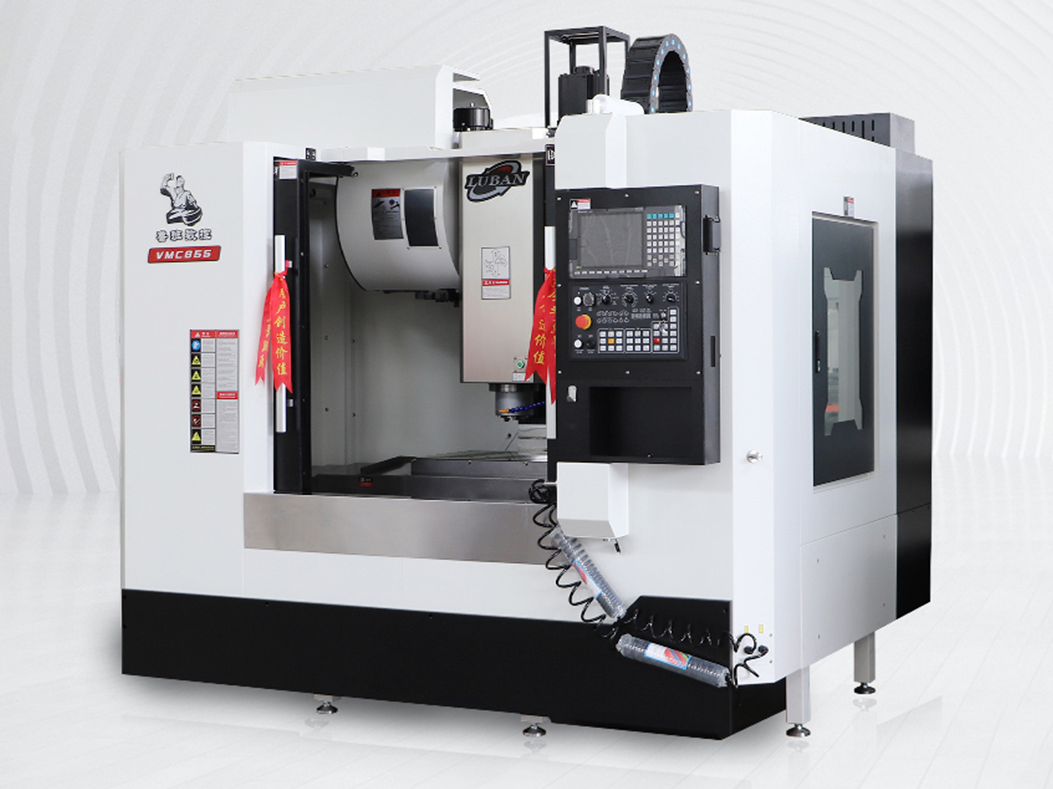
CNC machining centre
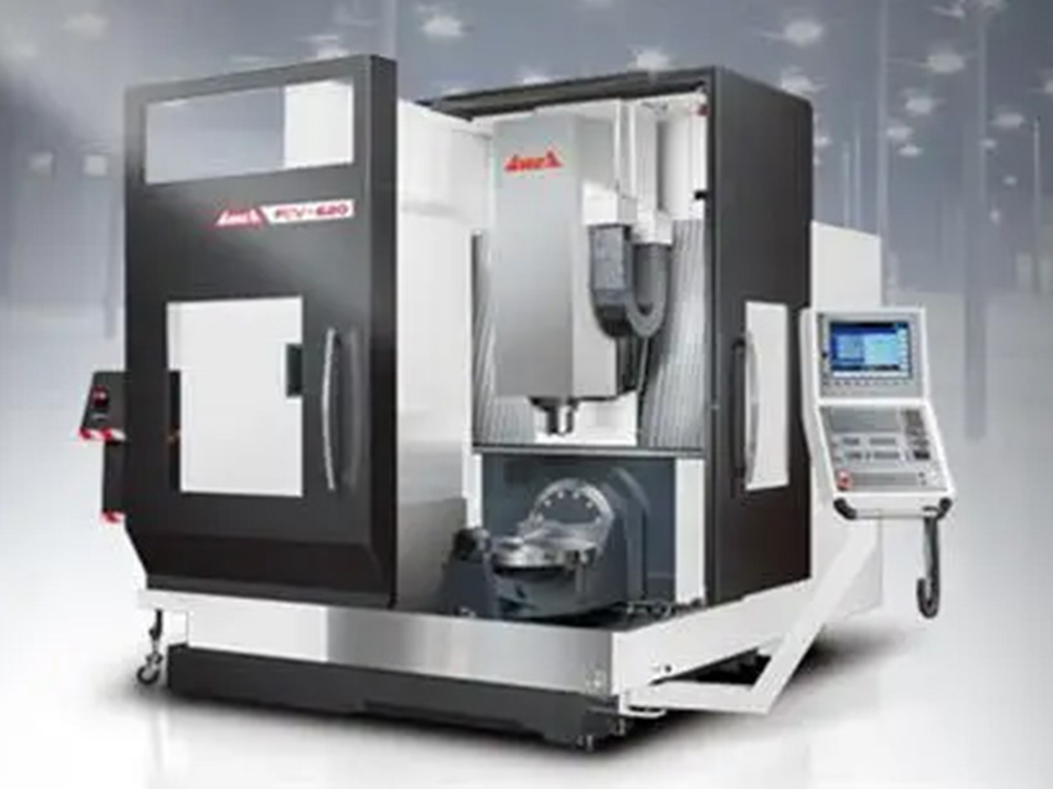
CNC machine tools
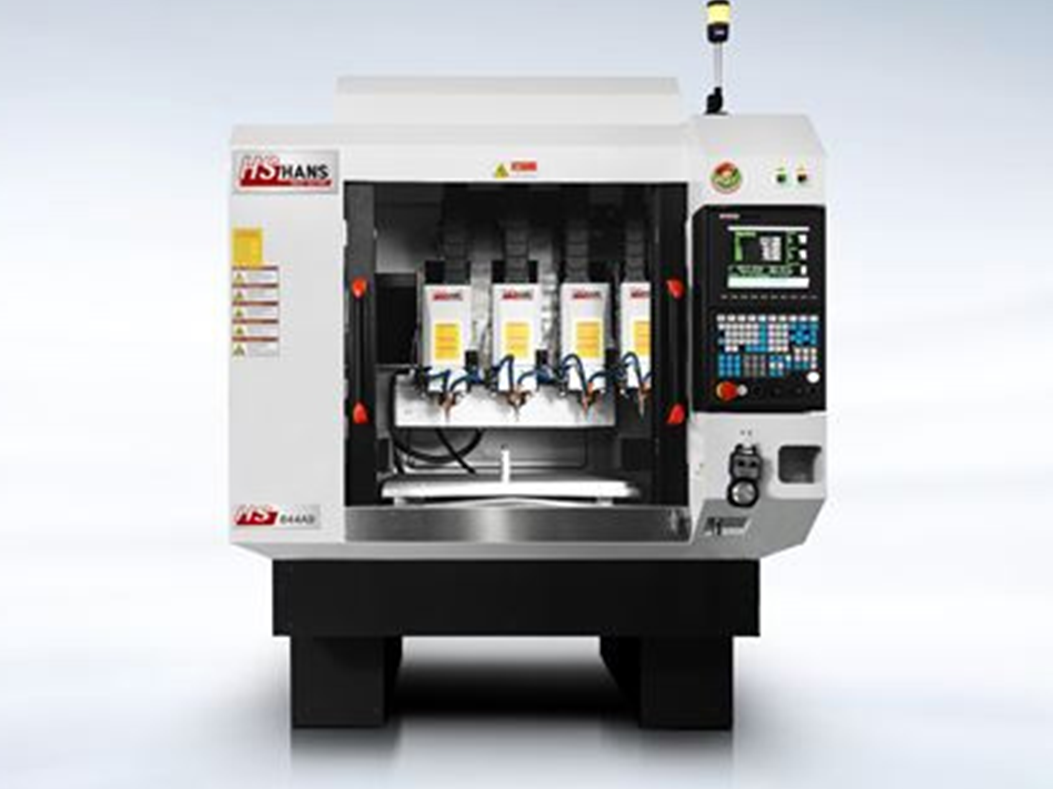
Carved machine
Factory Board
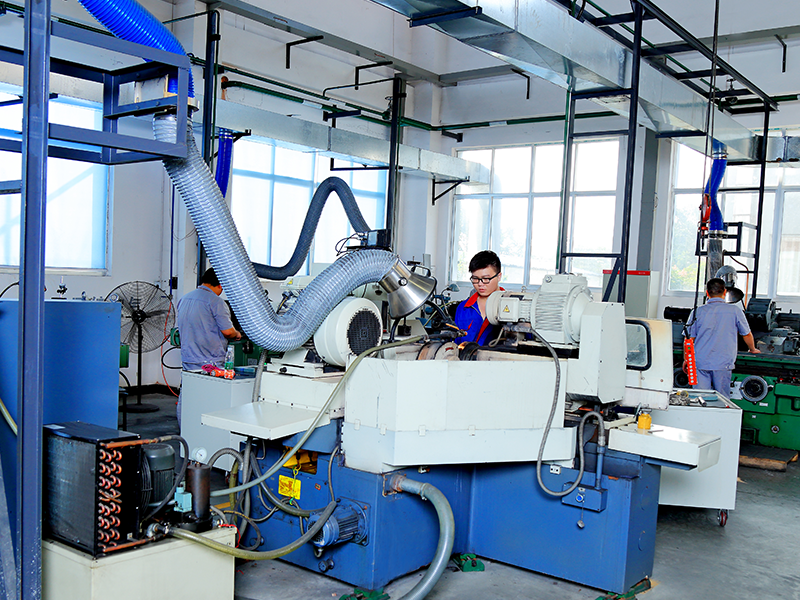
Factory Board
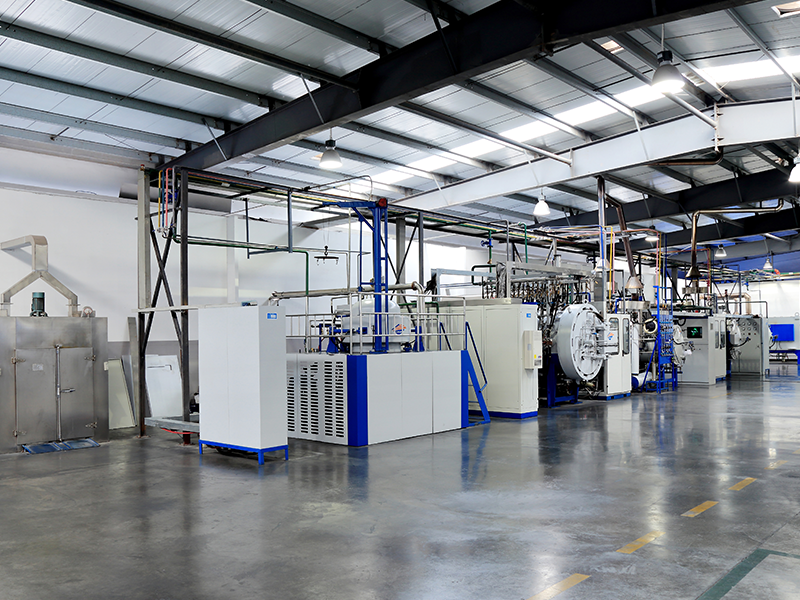
Factory Board
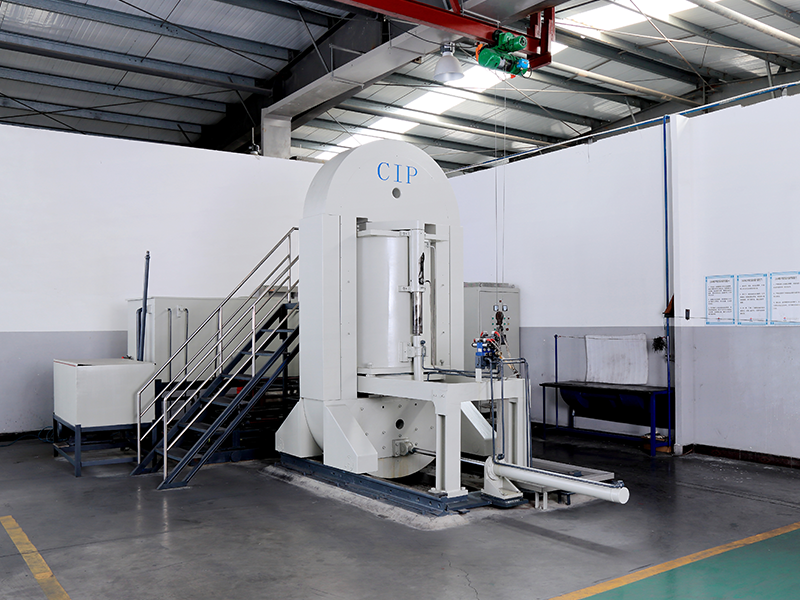
Factory Board
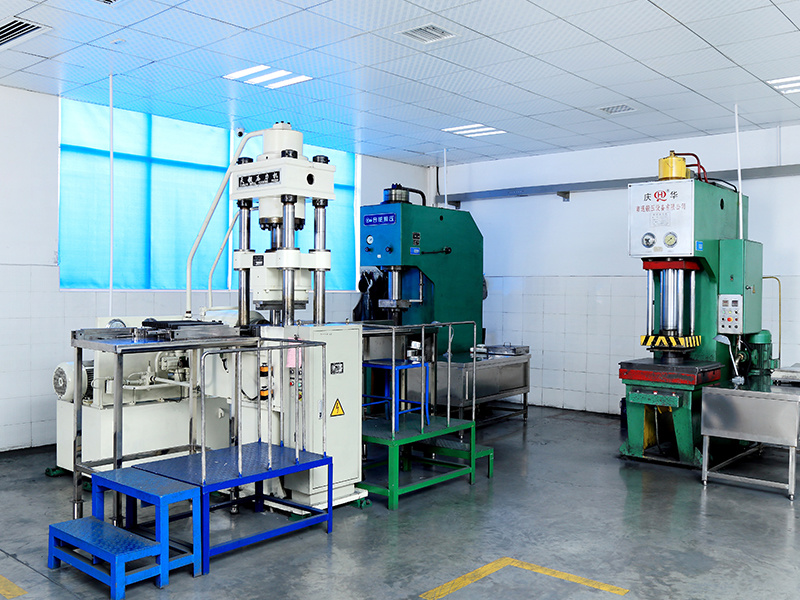
Factory Board
Recommended products



FAQ
2026-04-21
Common Issues in Machining Stainless Steel with Lizhou Turning Inserts
A detailed guide to LIZHOU cemented carbide turning inserts, covering naming conventions, types, selection of inserts specifically designed for roughing and finishing stainless steel, the differences between internal-bore and external-diameter inserts, and answers to frequently asked questions.
2026-04-21
Differences and Applications of Cobalt Drill Bits vs. Carbide Drill Bits
LiZhou Cemented Carbide provides a detailed comparison of cobalt-tipped drills and cemented carbide drills, covering material composition, hardness, tool life, suitable workpiece materials, and common issues to help you quickly select the right tool.
2026-03-31
What is the melting point of tungsten carbide? – Lizhou Cemented Carbide
This comprehensive analysis of Lizhou Cemented Carbide covers the melting point of tungsten carbide (2,870°C), a performance comparison, and industrial applications, explaining in detail why its high melting point makes cemented carbide highly resistant to high temperatures, wear, and deformation—making it ideally suited for tools, mining, steelmaking, and other demanding applications.
2026-03-28
How to Choose Positive and Negative Turning Inserts | LiZhou ISO Turning Tool Code Analysis
A Must-Read for Beginners! Lizhou Cemented Carbide Shows You How to Decode ISO Codes for Turning Inserts, Distinguish Between Positive- and Negative-Rake Inserts, Master the Three Key Selection Principles, and Resolve Common Issues Such as Poor Finish in Precision Turning and Work-Hardening When Machining Stainless Steel.
Hotline:
IPV4 / IPV6