LNMU0303ZER


FAQ
LNMU fast feed milling cutter
China Lizhou Hard Alloy Source Factory
Product Name: milling insert
Coating : PVD
Material:Tungsten steel
Classification :
Milling insert
keyword:
lizhou




LNMU0303ZER Carbide Milling Insert – Comprehensive Product Guide
Introduction
In modern machining, precision and productivity depend heavily on the cutting tools used. Among these, carbide inserts stand out as indispensable components that define efficiency, surface quality, and tool life. One of the specialized inserts widely adopted across industries is the LNMU0303ZER carbide milling insert.
As a professional carbide manufacturer, we are proud to supply this high-performance milling insert, which has been carefully designed for advanced cutting applications. With optimized geometry, durable carbide substrates, and innovative coating technology, the LNMU0303ZER provides exceptional stability and versatility in various milling operations.
This article offers a detailed overview of the LNMU0303ZER insert, analyzing its advantages, technical specifications, application scenarios, unique features, precautions, and innovative technologies that make it the right choice for global machining industries.

Advantages of Carbide Inserts in General
Before exploring the specific benefits of the LNMU0303ZER, it is important to highlight why carbide inserts are widely used compared to traditional high-speed steel (HSS) or ceramic cutting tools:
Superior Hardness – Tungsten carbide provides hardness levels around HV 1600–2000, nearly three times harder than tool steel.
Wear Resistance – Carbide inserts resist abrasive wear even in high-speed machining and under heavy cutting loads.
Heat Resistance – Carbide retains cutting strength at high operating temperatures (up to 1000°C).
Longer Tool Life – Compared to HSS, carbide inserts offer 2–5 times longer service life, reducing downtime.
Replaceable Cutting Edges – Inserts are indexable, meaning once one cutting edge wears out, operators can rotate the insert for a fresh edge.
These general strengths apply directly to the LNMU0303ZER insert, which builds on these inherent advantages with further performance refinements.
Decoding the LNMU0303ZER Designation
Each letter and number in LNMU0303ZER provides critical information about the insert’s geometry and performance:
L – Insert shape designation (often parallelogram or special profile depending on ISO standard).
N – Relief angle; “N” indicates a 0° relief, making it strong and stable.
M – Tolerance class, typically “M” for medium precision.
U – Chipbreaker or cutting edge type; here it denotes a specific optimized geometry.
0303 – Dimensional code: indicates insert size (length × thickness in millimeters, e.g., 3 × 3).
ZER – Special designation for cutting edge and application, often describing geometry optimized for high-feed milling.
This combination means the LNMU0303ZER is a small, strong, precision-grade insert specifically engineered for efficient milling.

LNMU0303ZER

LNMU0303ZER

LNMU0303ZER

Performance Analysis of LNMU0303ZER
Strong Edge Geometry
The flat relief angle and reinforced cutting edge reduce the risk of chipping, even in interrupted cuts.
Provides excellent stability in roughing operations.
Optimized Chip Control
Special ZER design ensures reliable chip evacuation.
Prevents chip re-cutting and improves surface finish quality.
Carbide Substrate
Manufactured with tungsten carbide and cobalt binder for a balance of hardness and toughness.
HV hardness above 1600, HRA 89–92, ensuring durability.
Advanced Coating
PVD or CVD coatings (such as TiN, TiAlN, or Al2O3) enhance wear resistance and extend tool life by 2–3 times.
Precision Tolerance
“M” grade tolerance ensures repeatable accuracy for high-precision machining.
Application Scenarios
The LNMU0303ZER insert is widely used in milling cutters across industries such as automotive, aerospace, die and mold, and general engineering. Its applications include:
High-Feed Milling (HFM) – The insert’s geometry is ideal for shallow depth-of-cut, high-feed-rate machining.
Slotting and Pocketing – Provides stable cutting action in narrow slots.
Face Milling – Achieves smooth surfaces with high material removal rates.
Profile Milling – Maintains accuracy on complex part geometries.
Suitable Materials
Steel (low, medium, and high carbon steels)
Stainless steel – Balanced toughness helps resist built-up edge formation.
Cast iron – Excellent for stable machining with reduced wear.
Non-ferrous alloys (limited use, depending on coating).
Key Features of the LNMU0303ZER
Indexable Design – Multiple usable cutting edges reduce overall tooling costs.
Rigid Cutting Edge – 0° relief provides strength against breakage.
Coating Options – Tailored coatings improve performance depending on the work material.
Compact Size – Ideal for small and medium cutters, increasing cutter density for higher feed rates.
Enhanced Tool Life – Reliable under continuous and interrupted cutting conditions.
Precautions in Use
To maximize performance, operators should follow certain best practices:
Correct Cutter Holder – Ensure the insert is mounted in a compatible cutter body.
Cutting Parameters – Adjust feed rate, spindle speed, and depth of cut according to material hardness.
Coolant Use – For steels and stainless steels, use coolant to reduce heat; for cast iron, dry cutting may be preferable.
Insert Indexing – Regularly rotate the insert to use all cutting edges before replacement.
Avoid Overloading – Excessive depth of cut can cause premature wear or breakage.
Technical Innovations
Our company continuously invests in research and development to ensure our carbide inserts, including the LNMU0303ZER, lead the market in innovation:
Nano-Coating Technology – Improves wear resistance and reduces friction at the cutting edge.
Micro-Grain Carbide Substrate – Enhances both hardness and toughness for versatile machining.
Patented Chipbreaker Design – The ZER chip control system is engineered for smoother evacuation, especially in high-feed milling.
Strict Quality Control – Inserts undergo precision grinding and inspection to ensure uniform geometry and dimensional accuracy.
Why Choose Our Company
As a professional carbide manufacturer, we provide:
Complete OEM/ODM services – Custom insert design and coating solutions.
Global expertise – Serving clients in automotive, aerospace, energy, and heavy industries.
Competitive pricing – High-quality carbide products at factory-direct costs.
Technical support – Our engineers provide application recommendations for optimal machining results.
Conclusion
The LNMU0303ZER carbide milling insert combines the best of modern materials science and precision engineering. With its strong geometry, reliable chip control, durable carbide substrate, and advanced coatings, it ensures high productivity, longer tool life, and superior surface quality across a wide range of materials.
Whether you are machining steel, stainless steel, or cast iron, this insert delivers consistency and cost-effectiveness, making it a smart choice for industries worldwide.
As a dedicated carbide manufacturer, we are committed to innovation, quality, and customer satisfaction. By choosing the LNMU0303ZER, you not only invest in a high-performance cutting tool but also in the long-term success of your machining operations.
Previous page
Next page
Use equipment
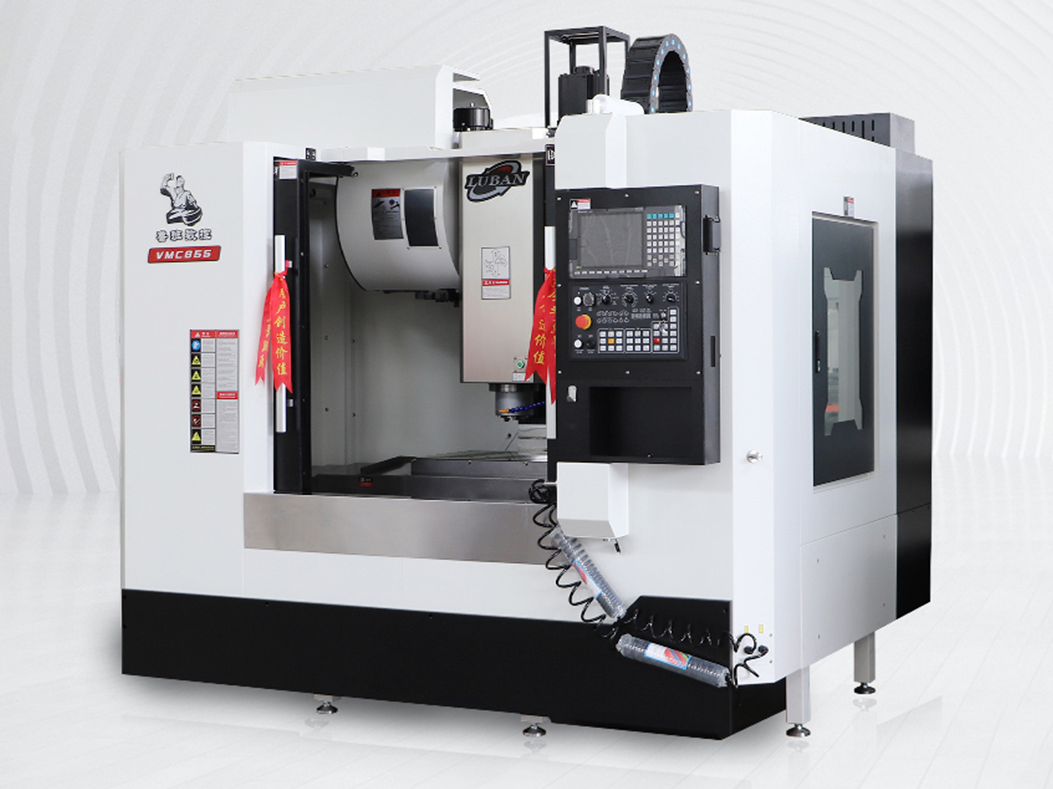
CNC machining centre
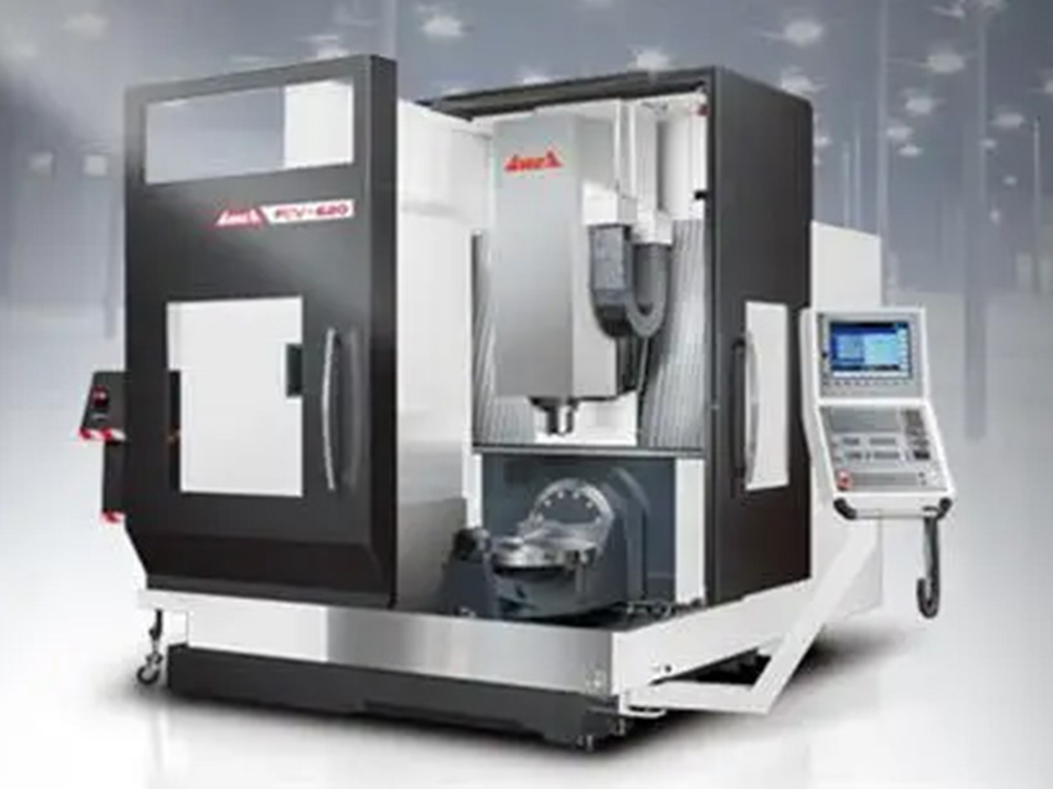
CNC machine tools
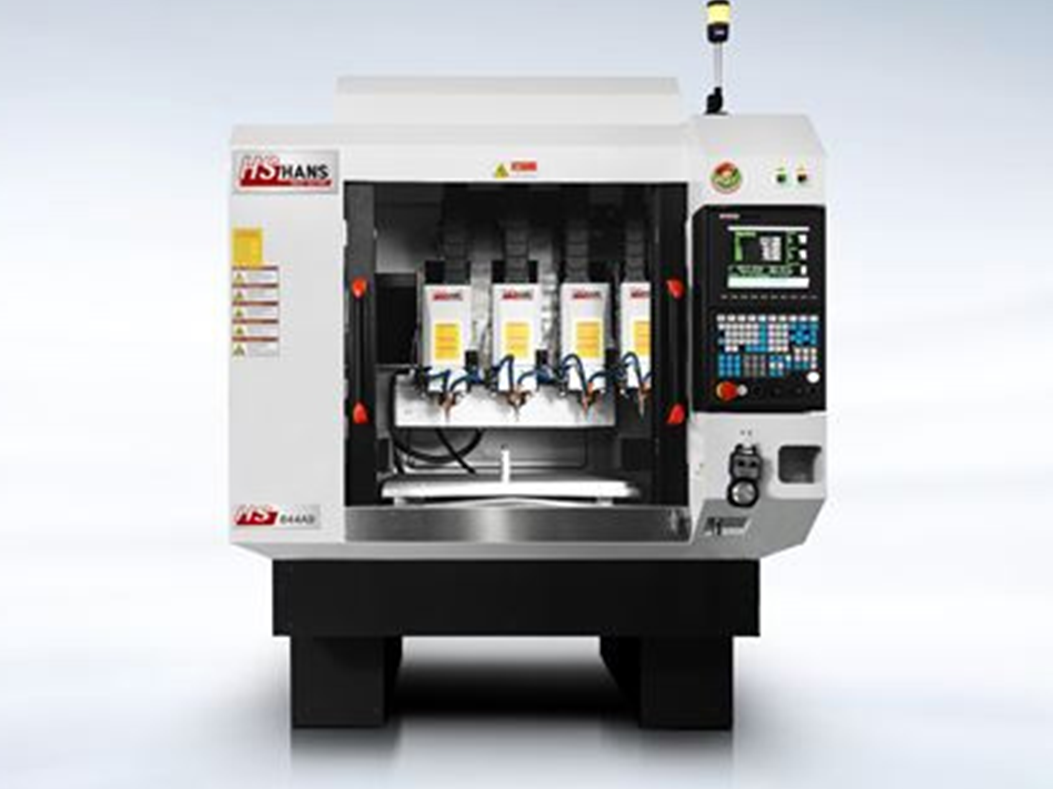
Carved machine
Factory Board
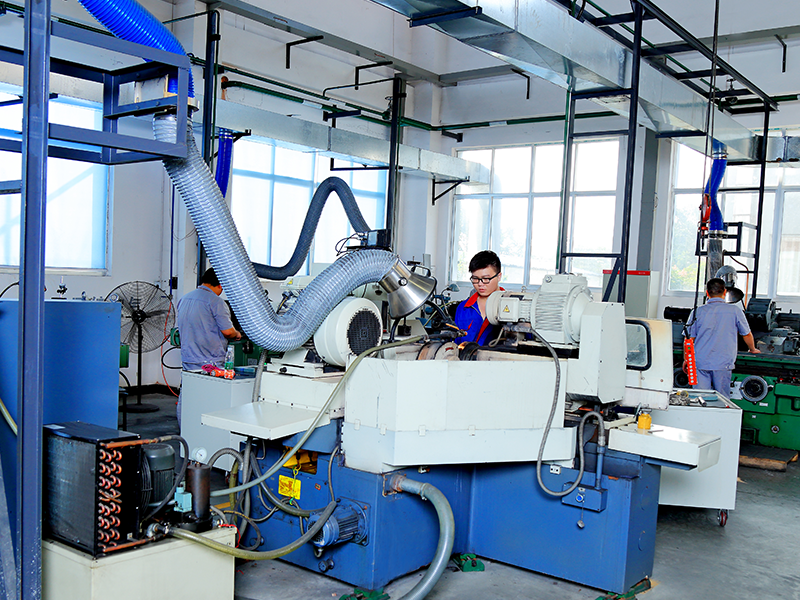
Factory Board
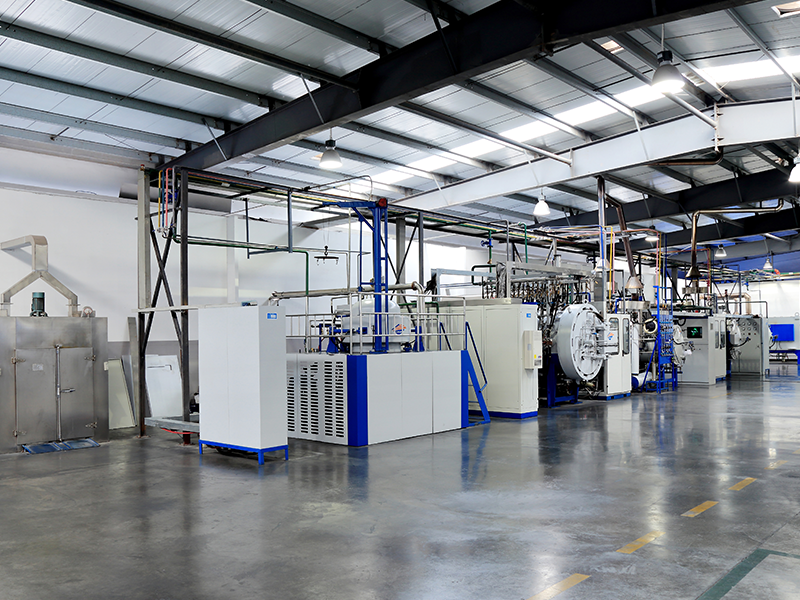
Factory Board
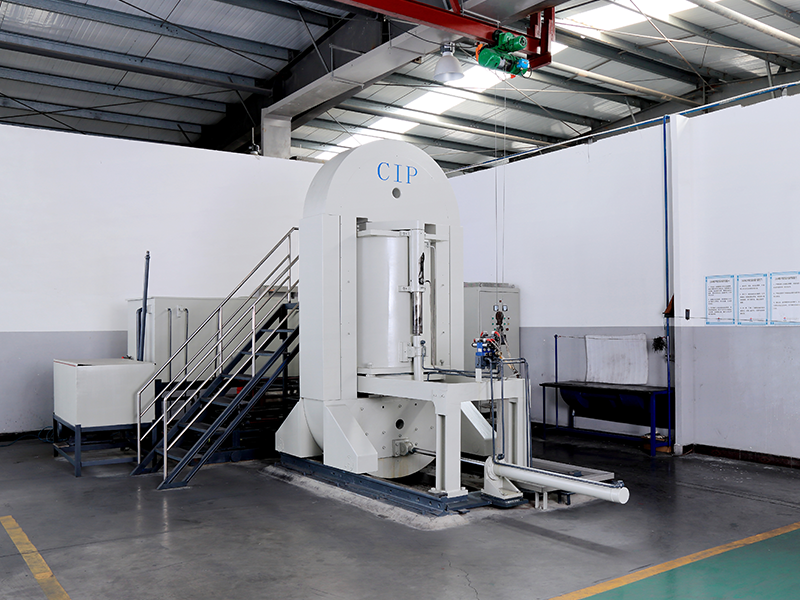
Factory Board
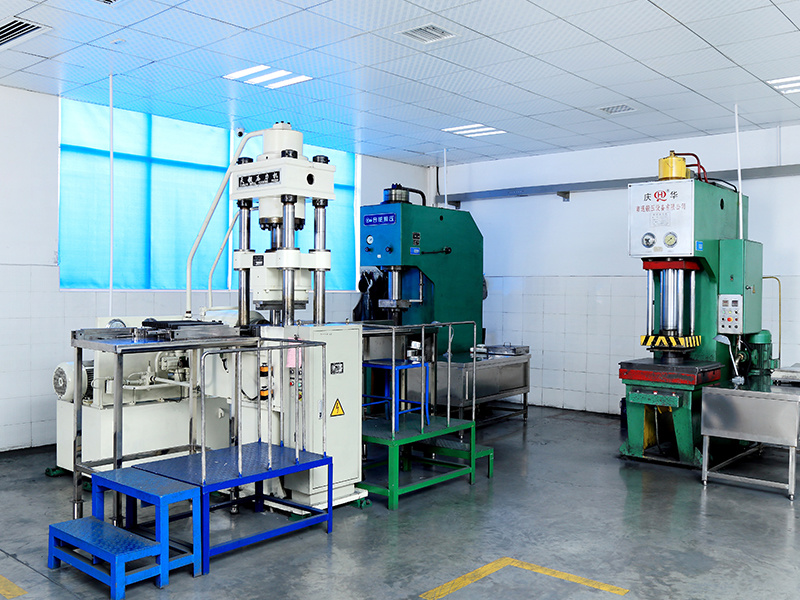
Factory Board
Recommended products

BLMP0603R-M fast feed milling cutter blade,In the ever-evolving field of machining, hard alloy (carbide) inserts have become indispensable for manufacturers seeking high precision, durability, and efficiency. Among the most widely used inserts in high-performance milling applications is the BLMP0603R-M carbide milling insert.

APKT1705 square shoulder milling cutter series,The APKT170508R-EM is a high-performance carbide milling insert designed for precision machining across industries such as automotive, aerospace, mold-making, and general metalworking. Manufactured with advanced tungsten carbide substrate and optimized coating technologies, this insert ensures durability, heat resistance, and excellent cutting performance.

Ball-nose end mill BNM100-300,The BNM100 carbide milling insert is one of the flagship products developed by our company, a professional cemented carbide manufacturer with years of expertise in precision cutting tools. Designed for superior toughness, excellent wear resistance, and extended tool life, the BNM100 insert delivers optimal results in both high-speed and heavy-duty milling applications.

FAQ
2026-04-21
Common Issues in Machining Stainless Steel with Lizhou Turning Inserts
A detailed guide to LIZHOU cemented carbide turning inserts, covering naming conventions, types, selection of inserts specifically designed for roughing and finishing stainless steel, the differences between internal-bore and external-diameter inserts, and answers to frequently asked questions.
2026-04-21
Differences and Applications of Cobalt Drill Bits vs. Carbide Drill Bits
LiZhou Cemented Carbide provides a detailed comparison of cobalt-tipped drills and cemented carbide drills, covering material composition, hardness, tool life, suitable workpiece materials, and common issues to help you quickly select the right tool.
2026-03-31
What is the melting point of tungsten carbide? – Lizhou Cemented Carbide
This comprehensive analysis of Lizhou Cemented Carbide covers the melting point of tungsten carbide (2,870°C), a performance comparison, and industrial applications, explaining in detail why its high melting point makes cemented carbide highly resistant to high temperatures, wear, and deformation—making it ideally suited for tools, mining, steelmaking, and other demanding applications.
2026-03-28
How to Choose Positive and Negative Turning Inserts | LiZhou ISO Turning Tool Code Analysis
A Must-Read for Beginners! Lizhou Cemented Carbide Shows You How to Decode ISO Codes for Turning Inserts, Distinguish Between Positive- and Negative-Rake Inserts, Master the Three Key Selection Principles, and Resolve Common Issues Such as Poor Finish in Precision Turning and Work-Hardening When Machining Stainless Steel.
Hotline:
IPV4 / IPV6
business license