


FAQ
TNMG-MA\MS Stainless Steel Turning Insert
China Lizhou Hard Alloy Source Factory
Product Name:Stainless steel turning insert
Coating : PVD
Brand number:LMP102\202
Classification :
Turning insert
keyword:
lizhou




TNMG160404-MA/MS Carbide Turning Insert – Product Overview
Our company, with over 30 years of carbide manufacturing expertise, specializes in producing high-precision inserts that improve machining efficiency and durability. Among our flagship solutions, the TNMG160404-MA/MS carbide insert is widely adopted for its balance of toughness, wear resistance, and cost efficiency. This guide explains its structure, advantages, applications, and innovations.
TYPE | Basic size(mm) | Cutting data | PVD | ||||||
I.C | S | D | R | Depth of cut(mm) | Feed(mm/tooth) | LMP102 | LMP202 | LSP102 | |
TNMG160404-MS | 9.525 | 4.76 | 3.81 | 0.4 | 0.50-5.00 | 0.10-0.50 | ⚪ |
|
|
TNMG160408-MS | 9.525 | 4.76 | 3.81 | 0.8 | 0.50-5.00 | 0.12-0.50 | ⚪ |
|
|
TNMG160404A-MA | 9.525 | 4.76 | 3.81 | 0.4 | 1.00-3.50 | 0.17-0.40 |
| ⚪ |
|
TNMG160408A-MA | 9.525 | 4.76 | 3.81 | 0.8 | 1.20-3.50 | 0.17-0.55 |
| ⚪ |
|
TNMG160412-MA | 9.525 | 4.76 | 3.81 | 1.2 | 1.50-3.50 | 0.20-0.50 |
| ⚪ |
|
1. Why Carbide Inserts Matter in Modern Machining
Carbide inserts are the backbone of precision metalworking. Compared to high-speed steel tools, carbide delivers:
Faster cutting speeds, increasing productivity.
Extended tool life, thanks to higher hardness and thermal resistance.
Stable surface quality, even in continuous operations.
Lower total costs, since one insert has multiple cutting edges.
The TNMG160404-MA/MS is a representative insert that embodies these benefits with added versatility.


TNMG160404-MA Turning insert
2. Decoding the TNMG160404-MA/MS Designation
Every letter and number in the insert’s ISO code provides technical meaning:
T – Triangular shape (60° corner angle)
N – 0° relief angle for stronger edges
M – Tolerance class “Medium”
G – Insert with hole, double-sided, indexable
16 – Cutting edge length ≈ 16 mm
04 – Insert thickness ≈ 4.76 mm
04 – Nose radius ≈ 0.4 mm
MA – Chipbreaker for medium machining of steels
MS – Chipbreaker optimized for stainless steel
This systematic designation allows users to easily match the insert to their machining requirements.

TNMG160404-MA indexable cutting tools
3. Core Specifications and Engineering Parameters
The TNMG160404-MA/MS is produced under strict dimensional control. Key specifications include:
Insert size (IC): 16 mm
Thickness: 4.76 mm
Hole diameter: 3.81 mm
Nose radius: 0.4 mm
Edges per insert: 6 cutting edges
Relief angle: 0°
Coating options: CVD (TiCN, Al₂O₃, TiN) and PVD (TiAlN, TiCN)
Grade range: Dedicated grades for steel, stainless steel, and cast iron
These parameters enable the insert to deliver stable machining under varied cutting conditions.


TNMG160404-MS tools for lathe
4. Where and How TNMG160404-MA/MS Is Used
The insert is designed for both general turning and semi-finishing tasks. Common scenarios include:
Machining of carbon steels, alloy steels, and stainless steels
Automotive shafts, discs, and housings
Aerospace structural components requiring precise finishing
Continuous turning and occasional interrupted cutting
MA geometry is best for medium machining of steels, where chip control is critical.
MS geometry minimizes built-up edge when machining stainless steels.
5. Distinct Features That Add Value
The TNMG160404-MA/MS stands out for:
Six cutting edges, maximizing economic use.
Stable triangular geometry, providing balanced cutting forces.
Special chipbreaker profiles, tuned for smooth evacuation.
High-performance coatings, enhancing heat and wear resistance.
Versatile applications, from medium cutting to finishing.
Superior edge strength, due to the 0° relief angle.
These features translate into reliable performance across industries.

6. Operational Tips and Precautions
To ensure optimal tool life and machining stability:
Choose MA for steels and MS for stainless steels.
Adjust cutting speed and feed based on material hardness.
Maintain rigid tool clamping to avoid chatter.
Apply coolant where necessary, especially on stainless steels.
Rotate to a fresh edge once wear land exceeds 0.3 mm.
Proper handling guarantees consistent output and lower production costs.

7. Innovation and Technology Behind the Insert
Our R&D team integrates multiple advancements into the TNMG160404-MA/MS:
Fine-grain carbide substrate for toughness and hardness balance.
Nano-layer CVD/PVD coatings for longer service life.
Proprietary chipbreaker designs reducing cutting resistance.
Precision edge preparation that enhances surface finish.
Sustainable production processes aligned with international standards.
These innovations ensure that our inserts remain competitive in demanding machining markets.
Conclusion
The TNMG160404-MA/MS carbide turning insert is more than just a cutting tool—it is a reliable partner for industries seeking productivity, precision, and cost control. With optimized geometries, six usable edges, and advanced coatings, it performs exceptionally in machining steels and stainless steels.
As a professional carbide manufacturer, we continue to innovate and provide solutions tailored to global manufacturing challenges. The TNMG160404-MA/MS stands as a benchmark in durability, efficiency, and performance.
Previous page
Next page
Use equipment
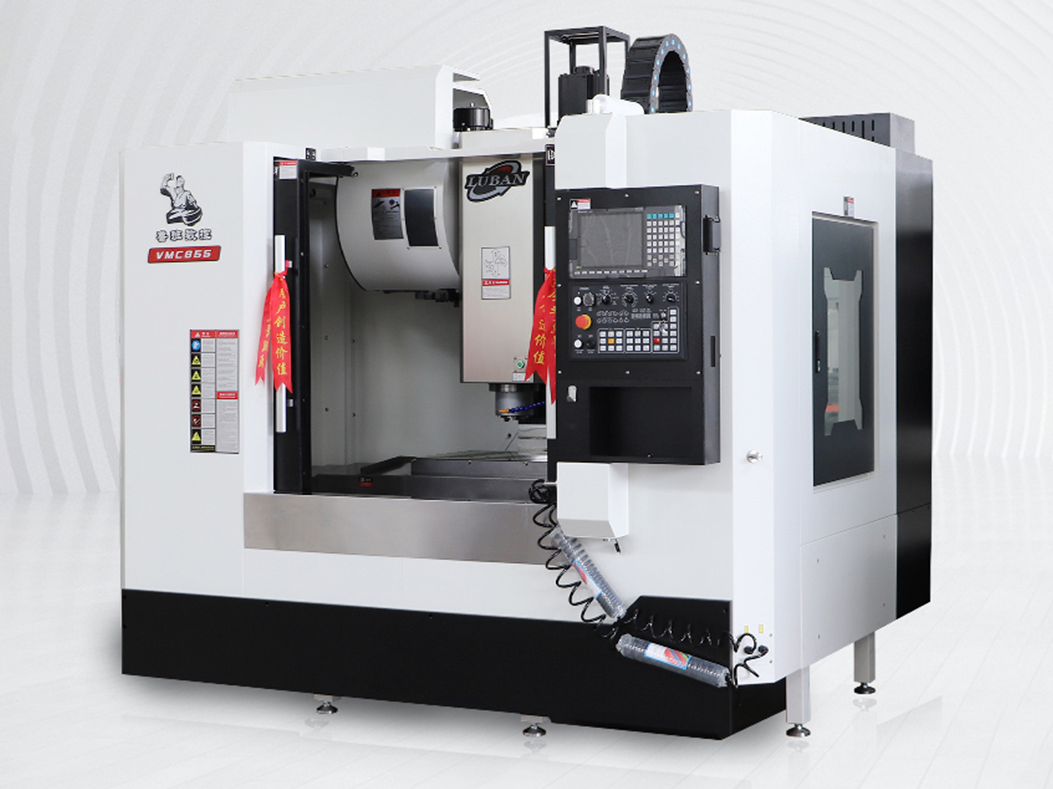
CNC machining centre
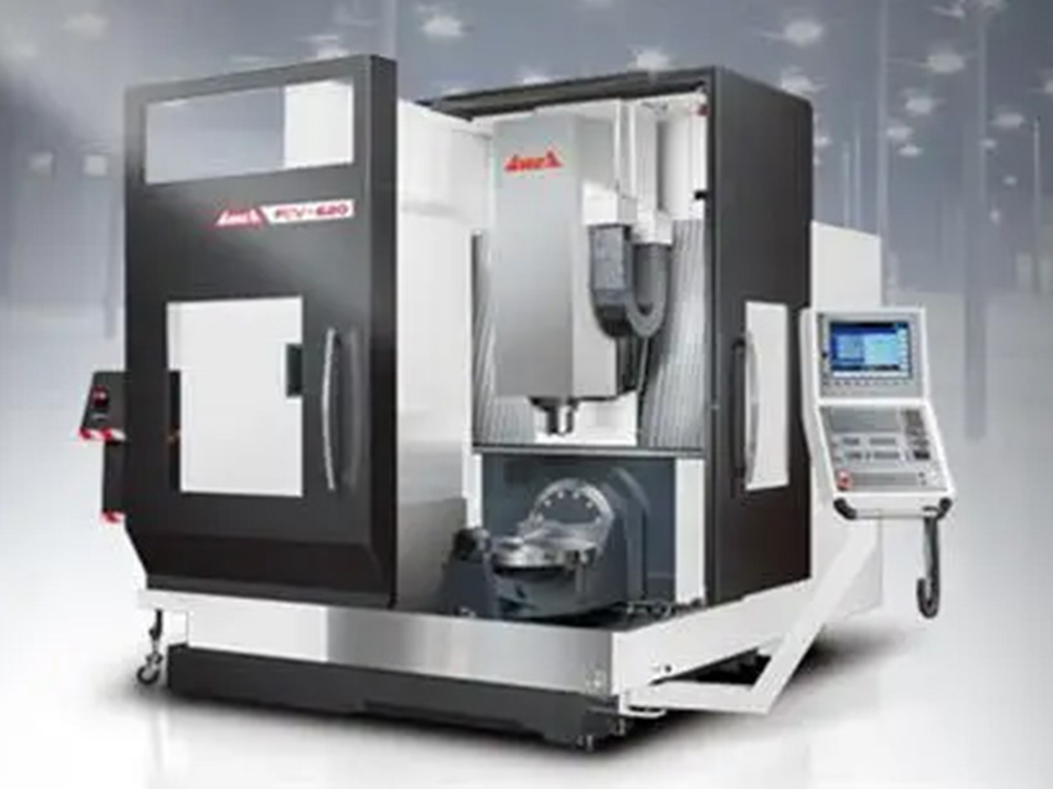
CNC machine tools
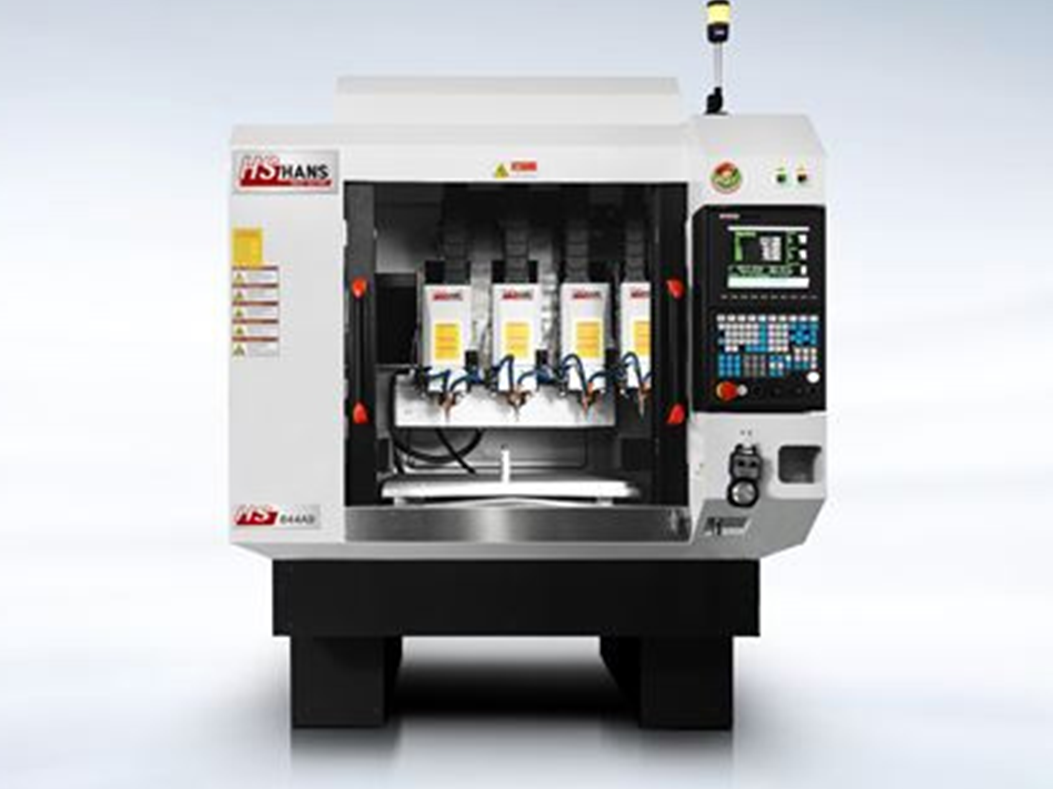
Carved machine
Factory Board
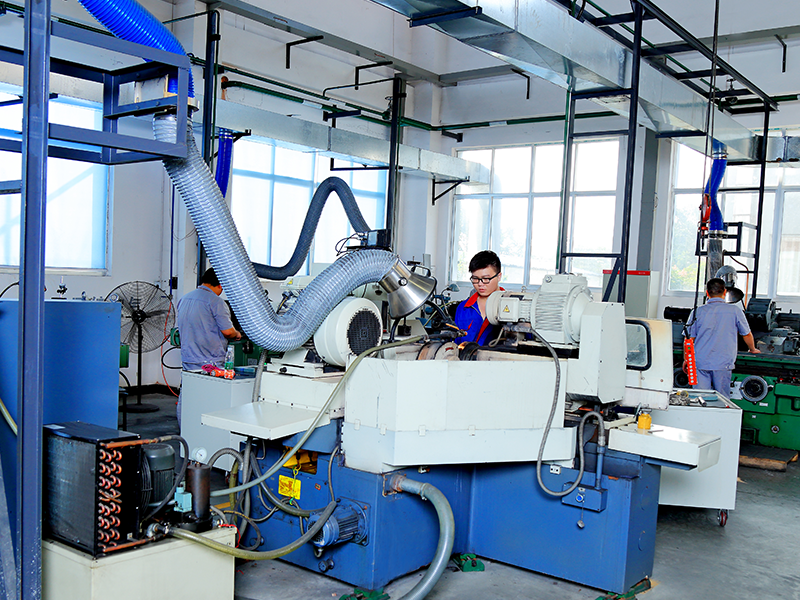
Factory Board
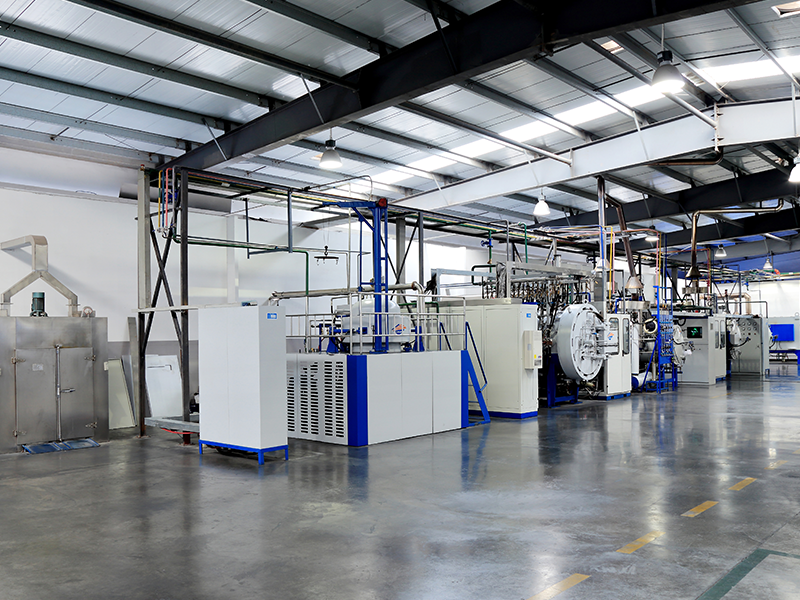
Factory Board
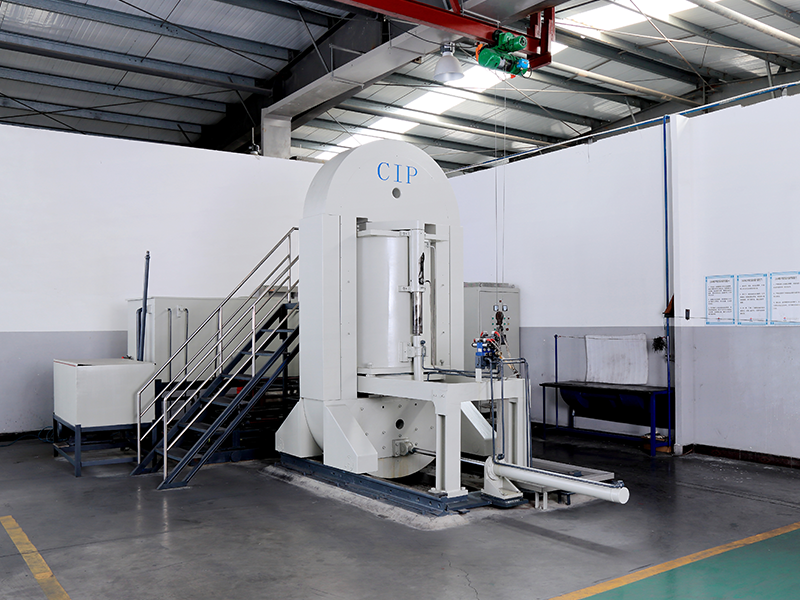
Factory Board
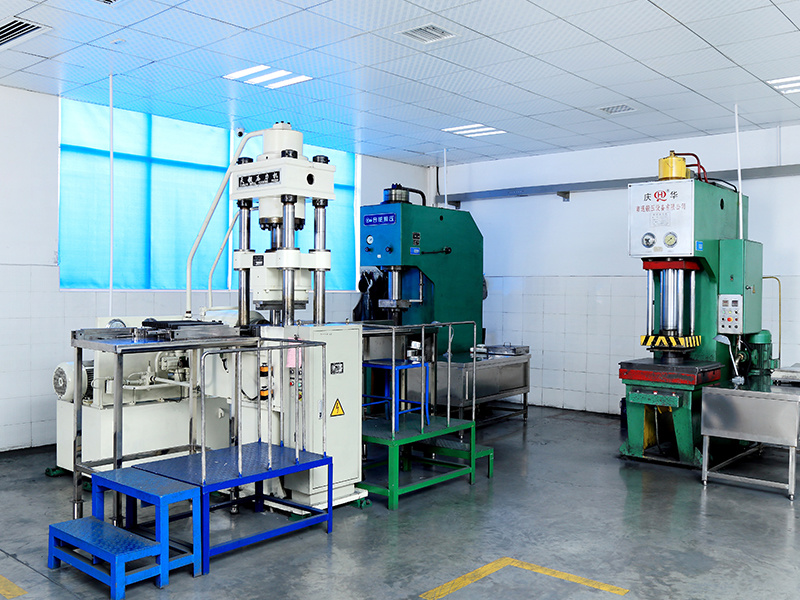
Factory Board
Recommended products


FAQ
2026-04-21
Common Issues in Machining Stainless Steel with Lizhou Turning Inserts
A detailed guide to LIZHOU cemented carbide turning inserts, covering naming conventions, types, selection of inserts specifically designed for roughing and finishing stainless steel, the differences between internal-bore and external-diameter inserts, and answers to frequently asked questions.
2026-04-21
Differences and Applications of Cobalt Drill Bits vs. Carbide Drill Bits
LiZhou Cemented Carbide provides a detailed comparison of cobalt-tipped drills and cemented carbide drills, covering material composition, hardness, tool life, suitable workpiece materials, and common issues to help you quickly select the right tool.
2026-03-31
What is the melting point of tungsten carbide? – Lizhou Cemented Carbide
This comprehensive analysis of Lizhou Cemented Carbide covers the melting point of tungsten carbide (2,870°C), a performance comparison, and industrial applications, explaining in detail why its high melting point makes cemented carbide highly resistant to high temperatures, wear, and deformation—making it ideally suited for tools, mining, steelmaking, and other demanding applications.
2026-03-28
How to Choose Positive and Negative Turning Inserts | LiZhou ISO Turning Tool Code Analysis
A Must-Read for Beginners! Lizhou Cemented Carbide Shows You How to Decode ISO Codes for Turning Inserts, Distinguish Between Positive- and Negative-Rake Inserts, Master the Three Key Selection Principles, and Resolve Common Issues Such as Poor Finish in Precision Turning and Work-Hardening When Machining Stainless Steel.
Hotline:
IPV4 / IPV6