


FAQ
TNMG-HK cast iron turning insert
China Lizhou Hard Alloy Source Factory
Product Name:Cast Iron Turning Inserts
Coating : CVD
Brand number:LKC202\302
Classification :
Turning insert
keyword:
lizhou




TNMG160408-HK Carbide Turning Inserts: Precision, Performance, and Durability
Introduction
In modern machining, efficiency and precision are not optional—they are essential. For industries such as automotive, aerospace, energy, and general engineering, high-quality cutting tools determine productivity, accuracy, and profitability. Among these tools, carbide turning inserts stand out for their balance of durability, cutting efficiency, and cost-effectiveness.
One of the most widely used types is the TNMG160408-HK carbide insert, engineered for high-performance turning applications. Manufactured by our company with over 33 years of expertise in carbide tooling production, this insert combines advanced coating technologies, optimized chip breakers, and carefully engineered geometry to deliver exceptional results in steel, stainless steel, and cast iron machining.
This article explores the advantages, technical meaning of TNMG160408-HK, parameters, applications, features, usage precautions, and innovative technology behind this product.
Type | Basic Dimensions (mm) | Cutting Data | CVD | ||||||
I.C | S | D | R | Cutting Depth (mm) | Feed ( mm/tooth ) | LKC202 | LKC302 | LKC352 | |
TNMG160408-HK | 9.525 | 4.76 | 3.81 | 0.8 | 0.80-4.10 | 0.15-0.45 | ⚪ |
|
|
TNMG160412-HK | 9.525 | 4.76 | 3.81 | 1.2 | 1.20-4.10 | 0.25-0.65 | ⚪ |
|
|
TNMG160408 | 9.525 | 4.76 | 3.81 | 0.8 | 2.50-12.0 | 0.25-0.65 |
| ⚪ |
|
TNMG160412 | 9.525 | 4.76 | 3.81 | 1.2 | 3.50-12.0 | 0.35-0.85 |
| ⚪ |
|
What Does TNMG160408-HK Mean?
Every turning insert designation follows ISO and ANSI coding standards, where each letter and number provides critical information about the insert’s shape, clearance, tolerance, dimensions, and chip breaker type. Let’s break it down:
T – Insert Shape: Triangle (60°)
N – Relief Angle: 0° relief (neutral clearance, double-sided insert, providing higher strength and economy)
M – Tolerance Class: Medium tolerance, suitable for general-purpose precision turning
G – Hole Type: Double-sided insert with a hole and chip groove
16 – Insert Size: 16 mm inscribed circle
04 – Thickness: 4.76 mm (approx.)
08 – Corner Radius: 0.8 mm, providing a balance between strength and surface finish
HK – Chip Breaker Style:
H: Optimized for stainless steel and ductile materials, designed for stable chip control.
K: Fine-tuned cutting geometry for low cutting forces and heat resistance.
In short:
The TNMG160408-HK is a triangular, neutral-clearance, double-sided carbide insert with a medium tolerance and 0.8 mm corner radius, equipped with an HK chip breaker for stainless steel and steel machining.

Advantages of TNMG160408-HK Carbide Inserts
1. Superior Wear Resistance
Manufactured from premium-grade tungsten carbide substrate, the insert provides outstanding hardness and resistance to abrasive wear, extending tool life even in high-speed turning.
2. High-Temperature Performance
The advanced PVD or CVD coating (TiAlN, Al2O3, or multi-layered nano-composite coatings) ensures thermal stability, preventing rapid tool wear during continuous cutting of stainless steel or alloy steels.
3. Optimized Chip Control
The HK chip breaker is engineered for stainless steel applications, ensuring smooth chip evacuation, reducing built-up edge formation, and maintaining consistent cutting forces.
4. Cost Efficiency
The double-sided design (0° relief angle) allows the use of six cutting edges per insert, maximizing tool economy without compromising strength.
5. Versatility
Suitable for semi-finishing and finishing operations across a wide range of workpiece materials, including:
Stainless steel (304, 316, duplex, etc.)
General steels (carbon steel, alloy steel)
Cast iron
Technical Parameters of TNMG160408-HK
| Parameter | Value / Meaning |
|---|---|
| Insert Shape (T) | Triangle, 60° |
| Clearance (N) | 0° (neutral, double-sided) |
| Tolerance (M) | Medium accuracy |
| Hole Type (G) | With chip groove and fixing hole |
| Size (16) | 16 mm inscribed circle |
| Thickness (04) | 4.76 mm |
| Corner Radius (08) | 0.8 mm |
| Chip Breaker (HK) | Stainless steel optimized |
Applications and Use Cases
1. Automotive Industry
Machining engine components (crankshafts, shafts, gears)
Stainless steel exhaust and precision shafts
2. Aerospace
Turning stainless steel turbine rings and high-strength alloys
Machining titanium-based secondary components
3. General Engineering
Steel bar and pipe turning
Production of fasteners, fittings, and precision machine parts
4. Oil & Gas / Energy
Machining stainless steel valves, pump housings, and connectors
Role and Function in Machining
Semi-Finishing & Finishing: Designed for removing moderate material stock while achieving excellent surface finish.
Stable Cutting Edge: The triangular shape and 0.8 mm radius balance sharpness with strength, ensuring reliable performance.
Chip Formation Control: Reduces vibration, ensures smoother surfaces, and prevents re-cutting of chips.
Key Features of TNMG160408-HK Inserts
Double-Sided Economy – Six cutting edges per insert reduce cost per part.
Strong Edge Strength – Neutral 0° relief increases insert stability.
High Surface Quality – Optimized rake geometry achieves Ra < 1.6 μm finish.
Coating Innovation – CVD/PVD multi-layered coatings extend tool life by up to 50%.
Compatibility – Fits standard ISO tool holders (TNMG tool holders).

Usage Precautions
To maximize performance and lifespan of TNMG160408-HK inserts, follow these best practices:
Cutting Speed (Vc): Adjust based on material — 150–250 m/min for stainless steel.
Feed Rate (f): 0.1–0.3 mm/rev for finishing, 0.3–0.5 mm/rev for semi-finishing.
Depth of Cut (ap): 0.2–2.5 mm depending on operation.
Coolant Usage: Recommended when machining stainless steel to control heat and avoid built-up edges.
Tool Clamping: Ensure rigid setup to reduce chatter.
Insert Indexing: Rotate or flip inserts before excessive flank wear to maximize usage.
Technological Innovations & Patents
Our hard alloy manufacturing technology integrates:
Nano-Coating Technology – Advanced TiAlN and AlTiN coatings improve oxidation resistance and wear life.
Gradient Substrate Technology – Ensures a tough core with a hard surface, combining fracture resistance with cutting-edge hardness.
Precision Grinding & Edge Honing – Guarantees uniform cutting edges with minimal deviation for consistent performance.
Chip Breaker Innovation (HK) – Patented chip groove design reduces cutting resistance, improves heat dissipation, and ensures chip control across a wide speed range.
Green Manufacturing Process – Eco-friendly coating and sintering methods reduce environmental impact.
Why Choose Our TNMG160408-HK Inserts?
33 Years of Manufacturing Experience – Trusted by industries worldwide.
OEM/ODM Support – Custom solutions tailored to specific customer needs.
Quality Assurance – ISO-certified production with rigorous testing.
Competitive Pricing – Factory-direct supply with cost-effective solutions.
Global Export Expertise – Products supplied to over 40 countries.
Frequently Asked Questions (FAQ)
Q1: Is it suitable for stainless steel machining?
It is recommended to use HM material (optimized for stainless steel adhesion), HK material is more suitable for steel and cast iron.
Q2: Does the insert have a wiper?
This model is a general-purpose model. If a wiper is required, please select a model with a suffix (e.g., TNMG160408-HK).
Q3: What is the minimum order quantity (MOQ)?
Standard MOQ: 10 boxes (100 pieces), sample orders are supported (minimum order quantity 1 box).
Conclusion
The TNMG160408-HK carbide turning insert is more than just a cutting tool—it is a productivity enhancer designed for high-performance machining of stainless steel, general steels, and alloys. With its triangular design, HK chip breaker, advanced coatings, and robust substrate, it delivers:
Longer tool life
Superior surface finish
Reliable chip control
Lower machining costs
Whether you are in automotive, aerospace, general machining, or energy sectors, the TNMG160408-HK insert ensures your production goals are met with precision, reliability, and efficiency.
By choosing our carbide inserts, you are investing in performance, innovation, and cost-effectiveness—backed by over three decades of carbide manufacturing expertise.
Previous page
Next page
Use equipment
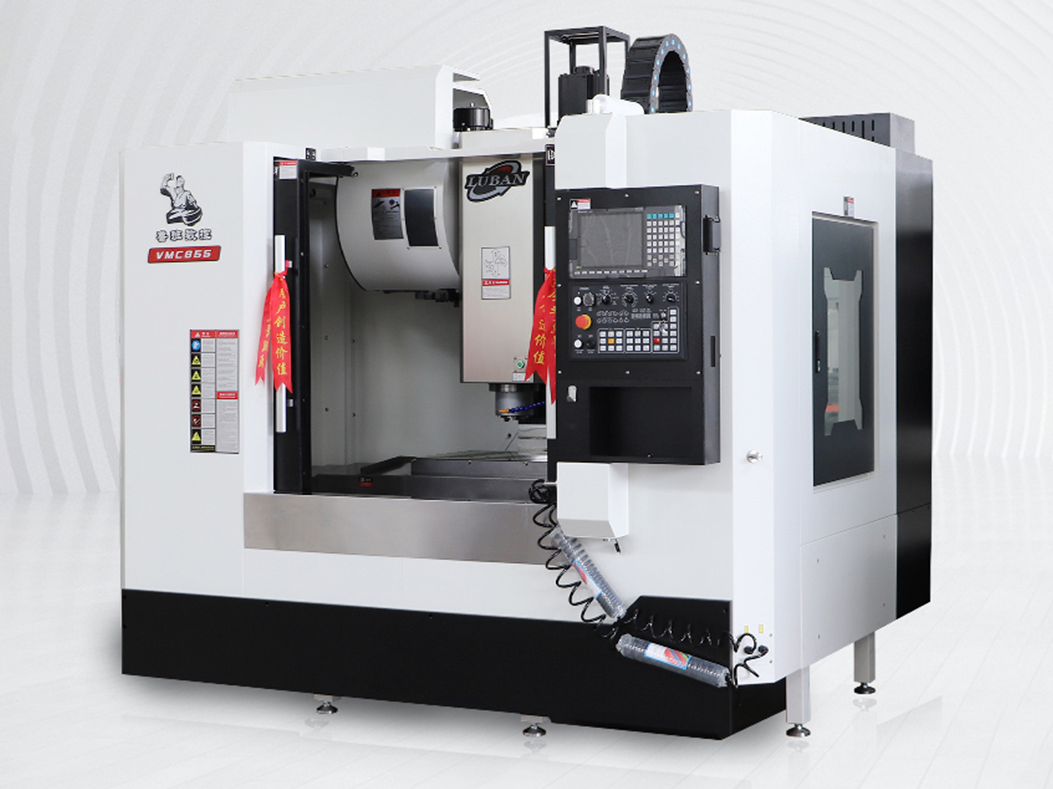
CNC machining centre
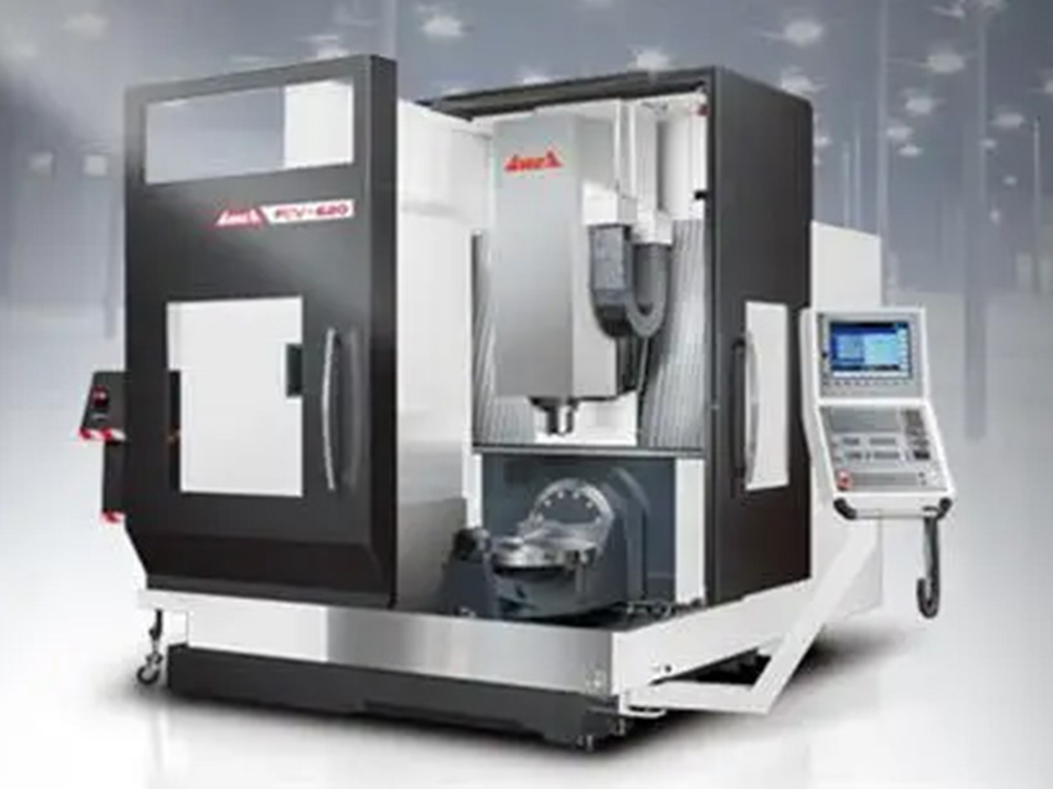
CNC machine tools
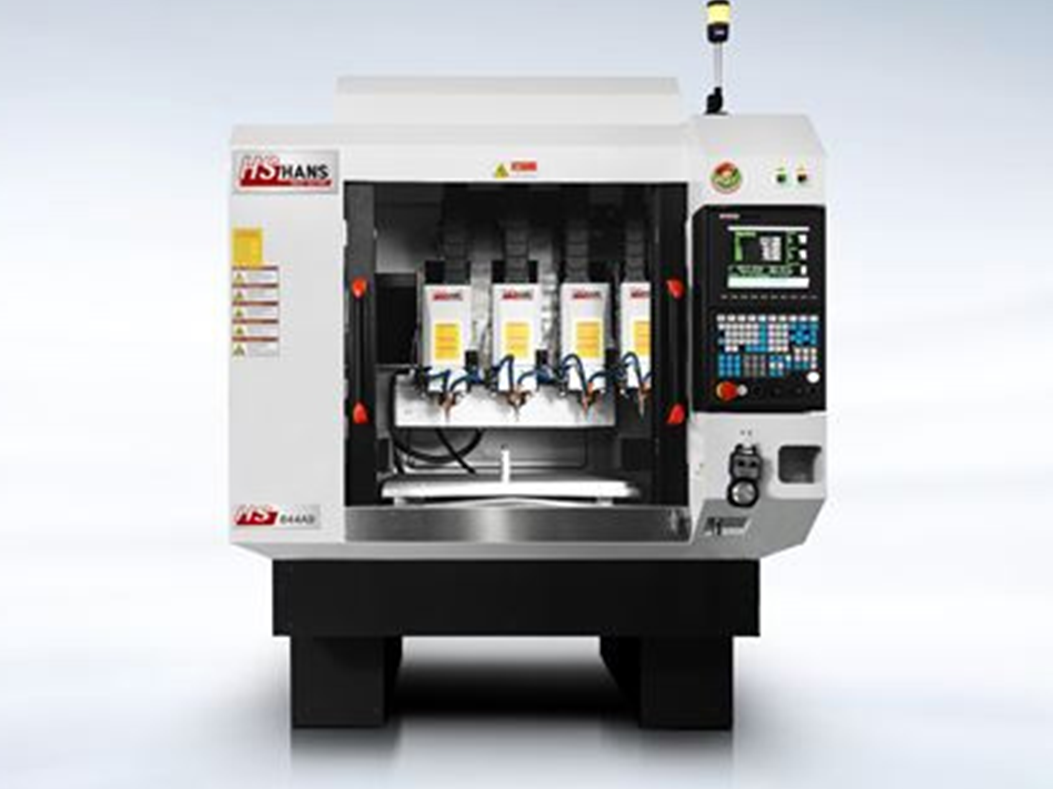
Carved machine
Factory Board
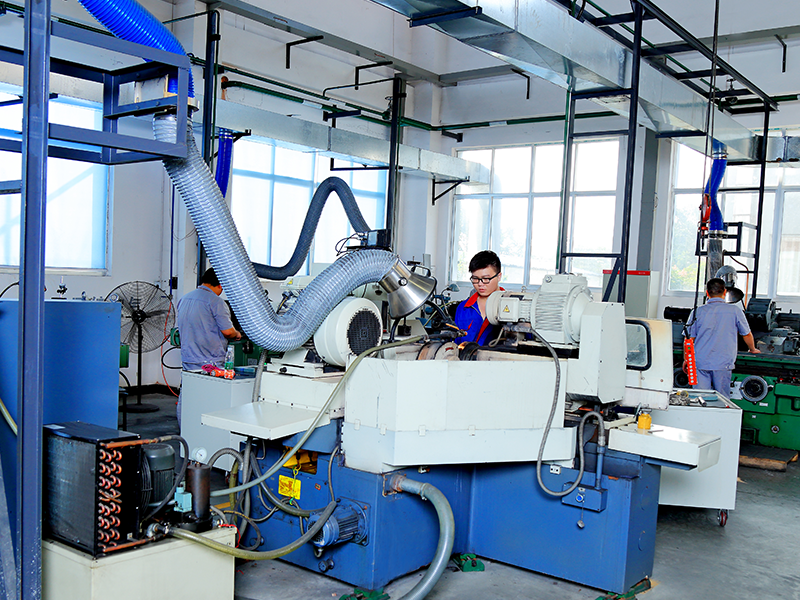
Factory Board
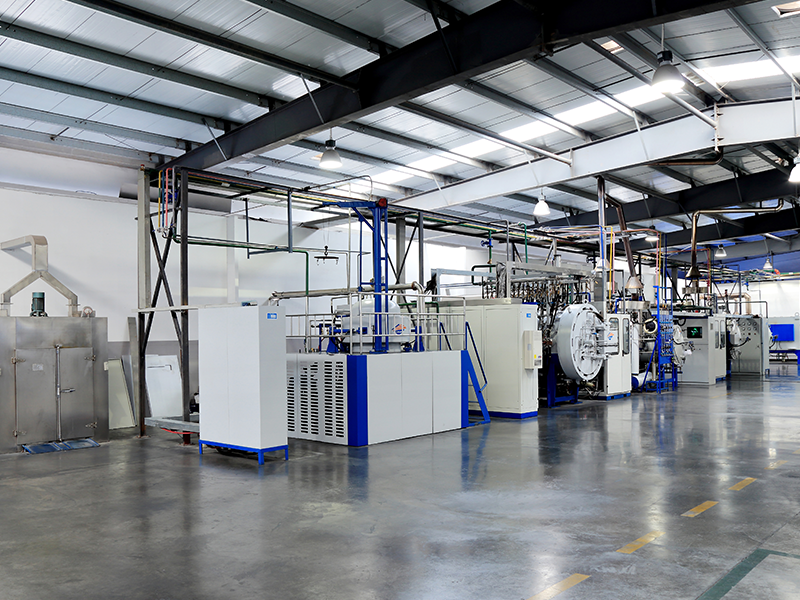
Factory Board
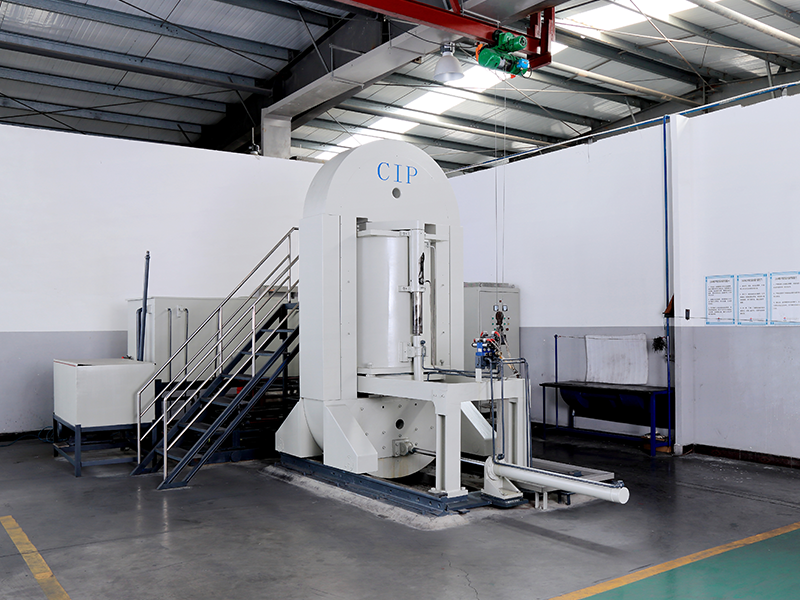
Factory Board
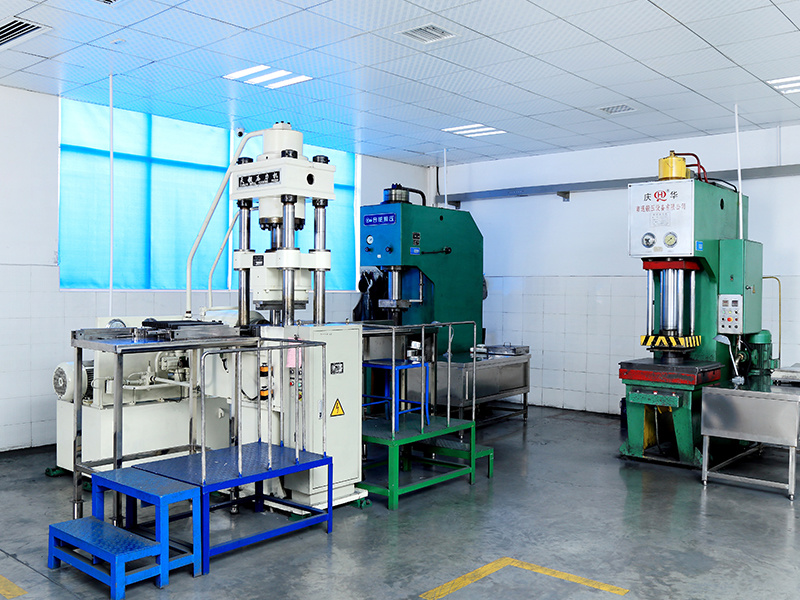
Factory Board
Recommended products


FAQ
2026-04-21
Common Issues in Machining Stainless Steel with Lizhou Turning Inserts
A detailed guide to LIZHOU cemented carbide turning inserts, covering naming conventions, types, selection of inserts specifically designed for roughing and finishing stainless steel, the differences between internal-bore and external-diameter inserts, and answers to frequently asked questions.
2026-04-21
Differences and Applications of Cobalt Drill Bits vs. Carbide Drill Bits
LiZhou Cemented Carbide provides a detailed comparison of cobalt-tipped drills and cemented carbide drills, covering material composition, hardness, tool life, suitable workpiece materials, and common issues to help you quickly select the right tool.
2026-03-31
What is the melting point of tungsten carbide? – Lizhou Cemented Carbide
This comprehensive analysis of Lizhou Cemented Carbide covers the melting point of tungsten carbide (2,870°C), a performance comparison, and industrial applications, explaining in detail why its high melting point makes cemented carbide highly resistant to high temperatures, wear, and deformation—making it ideally suited for tools, mining, steelmaking, and other demanding applications.
2026-03-28
How to Choose Positive and Negative Turning Inserts | LiZhou ISO Turning Tool Code Analysis
A Must-Read for Beginners! Lizhou Cemented Carbide Shows You How to Decode ISO Codes for Turning Inserts, Distinguish Between Positive- and Negative-Rake Inserts, Master the Three Key Selection Principles, and Resolve Common Issues Such as Poor Finish in Precision Turning and Work-Hardening When Machining Stainless Steel.
Hotline:
IPV4 / IPV6