


FAQ
CNMG-MS stainless steel turning insert
China Lizhou Hard Alloy Source Factory
Product Name:Stainless steel turning insert
Coating : PVD
Brand number:LMP202\302
Classification :
Turning insert
keyword:
lizhou




CNMG120404-MA/MS Carbide Turning Inserts – Premium Solution for High-Performance Machining
Introduction
In precision machining, carbide turning inserts are the backbone of productivity, accuracy, and efficiency. Among them, the CNMG120404-MA/MS stands as one of the most versatile and widely used insert types in the metalworking industry.
As a hard alloy manufacturer with 33 years of experience, we design our CNMG series to meet the strict demands of automotive, aerospace, oil & gas, and general engineering applications. Built from premium carbide substrates, advanced coatings, and optimized chipbreaker geometries, these inserts deliver excellent surface finishes, long tool life, and cost efficiency.
Whether you are machining steel, stainless steel, cast iron, or superalloys, the CNMG120404-MA/MS inserts ensure reliable cutting performance for both roughing and finishing.
Type | Basic dimensions (mm) | Cutting data | PVD | ||||||
I.C | S | D | R | Cutting depth (mm) | Feed ( mm/tooth ) | LMP102 | LMP202 | LSP102 | |
CNMG120404- MS | 12.70 | 4.76 | 5.16 | 0.4 | 0.50-5.00 | 0.10-0.50 | ⚪ |
|
|
CNMG120408-MS | 12.70 | 4.76 | 5.16 | 0.8 | 0.50-5.00 | 0.12-0.50 | ⚪ |
|
|
CNMG120404A-MA | 12.70 | 4.76 | 5.16 | 0.4 | 1.20-5.00 | 0.15-0.50 |
| ⚪ |
|
CNMG120408A-MA | 12.70 | 4.76 | 5.16 | 0.8 | 1.20-5.00 | 0.15-0.50 |
| ⚪ |
|
CNMG120412A-MA | 12.70 | 4.76 | 5.16 | 1.2 | 1.20-5.00 | 0.15-0.50 |
| ⚪ |
|
Cemented carbide blade chart
Understanding the Code: CNMG120404-MA/MS
The insert code follows ISO 1832 standards, where each letter and number has a specific meaning:
C – Shape: Rhombic 80° diamond insert, providing strong cutting edges and high stability.
N – Clearance angle: 0° relief (neutral). Strong edge with maximum support for heavy-duty cutting.
M – Tolerance class: Medium tolerance, balancing precision and general-purpose use.
G – Type: Insert with hole and chipbreaker, enabling secure clamping.
Numerical Parameters:
12 – Inscribed circle (IC): 12.7 mm.
04 – Insert thickness: 4.76 mm.
04 – Corner radius: 0.4 mm, ensuring smooth finishing capability.
Geometry Suffixes:
MA – Multi-application geometry, suitable for finishing to medium cutting of steels.
MS – Sharp-edged geometry designed for stainless steel and difficult-to-machine alloys, requiring low cutting

Advantages of CNMG120404-MA/MS Inserts
Versatile Applications
One of the most commonly used inserts worldwide for roughing, finishing, and semi-finishing.
Handles a wide range of materials including steels, stainless steels, and cast irons.
High Edge Strength
80° diamond shape provides superior edge stability for heavy-duty turning.
Neutral clearance ensures maximum edge support, reducing insert breakage.
Chip Control Optimization
MA chipbreaker: Balanced design for stable chip evacuation in steel machining.
MS chipbreaker: Specialized geometry for stainless steel to reduce built-up edge and improve chip curling.
Durable Tool Life
Made with fine-grain carbide substrate that resists wear and fracture.
Advanced coatings (CVD/PVD such as TiCN, Al2O3, TiAlN) extend insert longevity.
Cost-Effectiveness
Double-sided insert design with 4 cutting edges, lowering tooling cost per part.
Applications of CNMG120404-MA/MS
The CNMG insert is a true workhorse insert, widely used in:
Automotive Industry
Machining crankshafts, gear blanks, shafts, and hubs.
Aerospace Components
Turning titanium and nickel alloys for landing gear and engine parts.
Oil & Gas Equipment
Roughing and finishing of drill collars, valves, and casings.
Heavy Machinery & General Engineering
Steel rollers, hydraulic components, machine tool frames.
Energy Industry
Power generation components like turbine shafts and casings.
Features of CNMG120404-MA/MS Inserts
Universal Geometry
CNMG shape provides balance between strength and versatility.
Can handle both light finishing and heavy roughing.
Chipbreaker Efficiency
MA geometry ensures consistent chip flow in steels.
MS geometry prevents chip welding in stainless steels.
Coating Technology
CVD multilayer coatings: Best for high-speed steel turning.
PVD nano-composite coatings: Excellent for stainless steels and high-temp alloys.
Stable Clamping
Double-sided design with secure clamping hole ensures rigidity during machining.
Surface Finish Excellence
Small 0.4 mm nose radius ensures high-quality surface finish with minimal secondary operations.
Best Practices and Precautions
Material Matching
Use MA geometry for steels and cast irons.
Use MS geometry for stainless steel and heat-resistant alloys.
Cutting Parameters
For finishing: high cutting speed, small depth of cut, fine feed rate.
For roughing: deeper cuts and moderate feed rates with stable machine setup.
Coolant Usage
Essential for stainless steels and superalloys to prevent built-up edge and extend tool life.
Insert Indexing
Rotate inserts regularly before severe wear occurs to maximize tool edge utilization.
Secure Toolholding
Ensure proper clamping torque and stable setup to avoid vibration.
Technical and Innovation Highlights
As a carbide cutting tool manufacturer, we continuously invest in R&D and innovation:
Carbide Substrate Development
Balanced cobalt content for toughness and hardness.
Fine-grain carbide to improve edge sharpness and resistance to thermal cracking.
Advanced Coatings
CVD with Al2O3 layers for high wear resistance in steel machining.
PVD with TiAlN for stainless steel and difficult alloys requiring high toughness.
Chipbreaker Optimization
Proprietary groove designs tailored for chip control at different feed rates.
Edge Preparation
Honed and polished edges reduce micro-chipping and ensure stable performance.
Patented Geometry Enhancements
Special MA and MS designs that enhance cutting stability across varying materials.
Why Choose Our CNMG Inserts?
Over 33 Years of Experience – Trusted carbide manufacturer with a strong global reputation.
Full OEM/ODM Solutions – Customized carbide solutions for customer-specific needs.
ISO-Certified Quality – Stringent inspection ensures consistent performance.
Global Applications – Automotive, aerospace, oil & gas, heavy machinery.
Cost-Effective Reliability – Multi-edge inserts reduce tooling costs.
Conclusion
The CNMG120404-MA/MS carbide turning inserts are engineered to deliver exceptional stability, durability, and versatility in a wide range of machining operations. With an 80° rhombic design, optimized chipbreaker geometries, and advanced coatings, they provide reliable performance in both roughing and finishing applications.
By choosing CNMG120404-MA/MS inserts, you gain:
Extended tool life and reduced downtime.
Lower cost-per-part thanks to multi-edge design.
Superior surface finishes with consistent quality.
The confidence of working with a trusted carbide manufacturer.
Whether your focus is automotive, aerospace, energy, or general machining, our CNMG inserts will help you achieve higher efficiency and precision.
Previous page
Next page
Use equipment
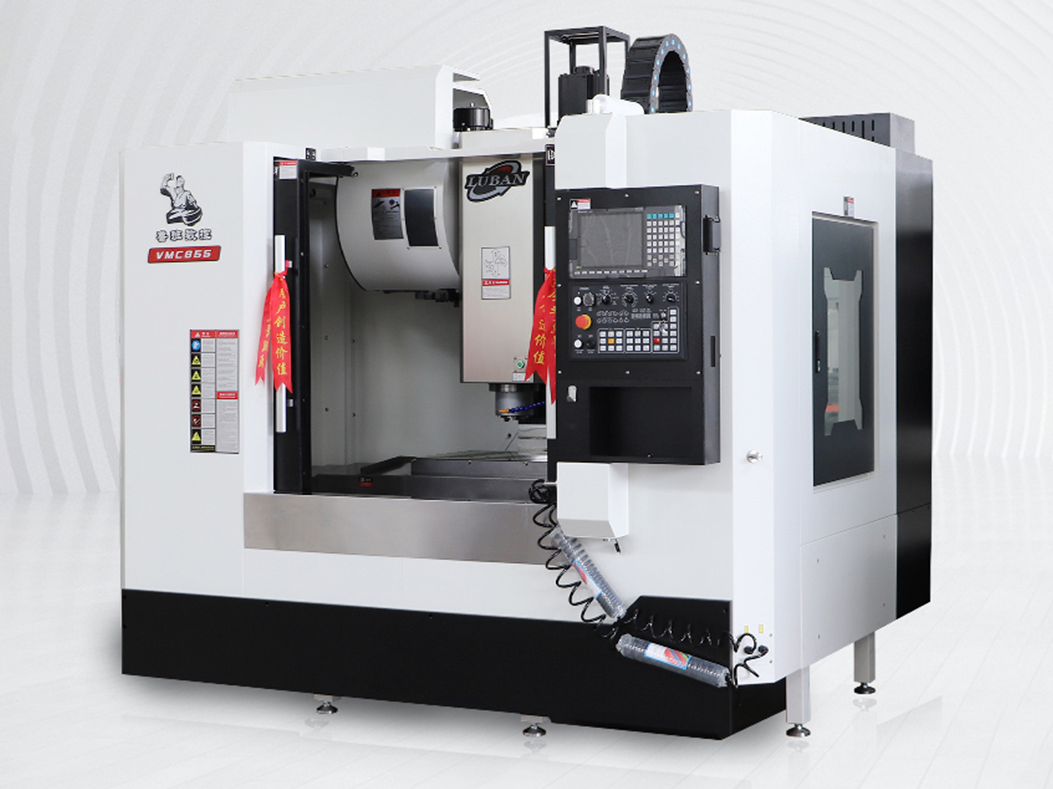
CNC machining centre
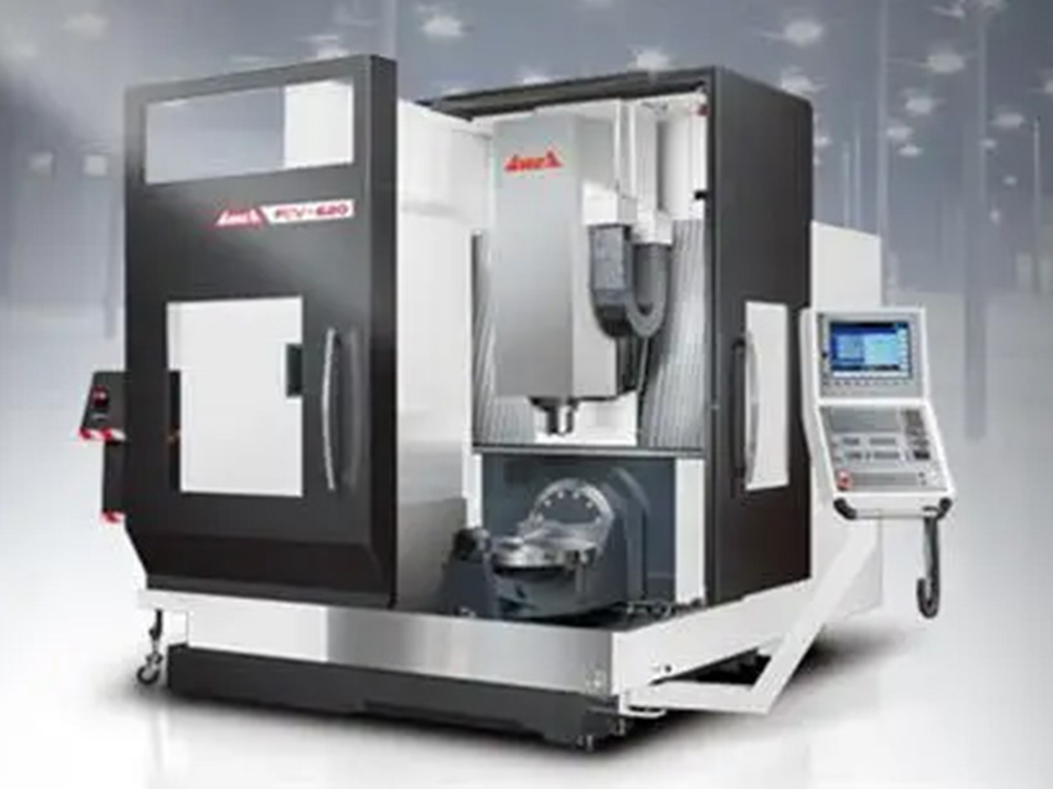
CNC machine tools
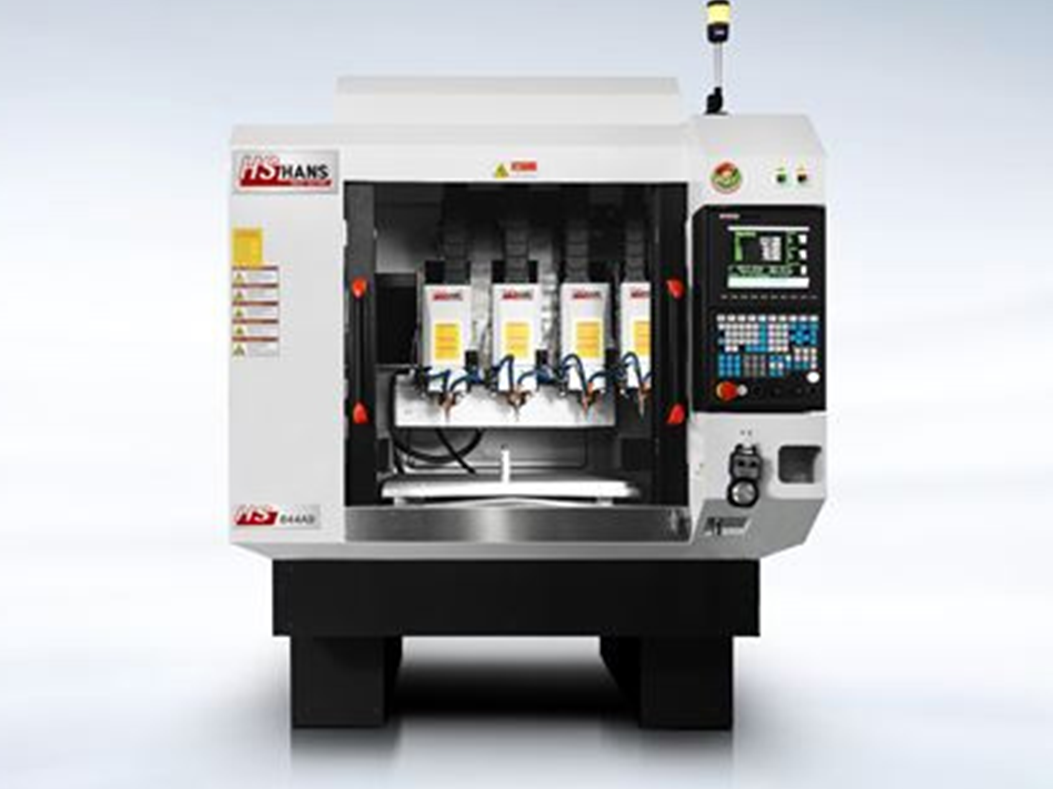
Carved machine
Factory Board
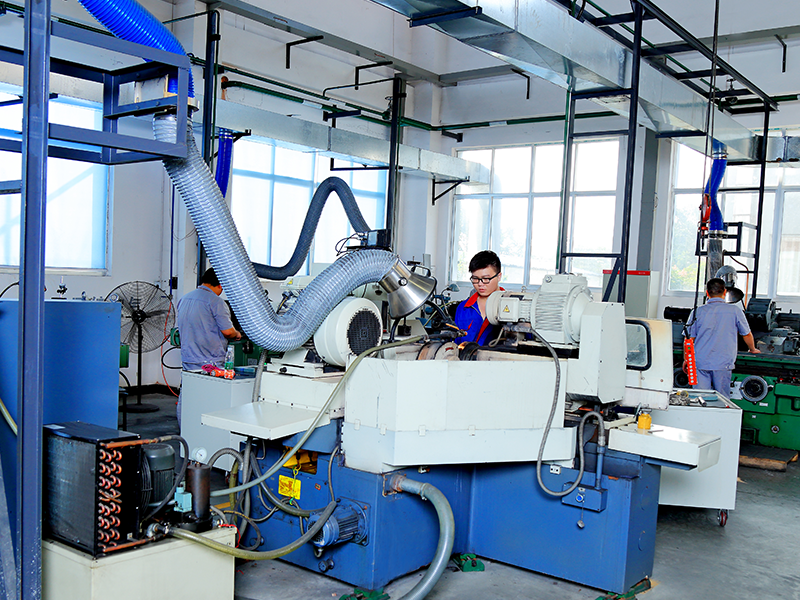
Factory Board

Factory Board
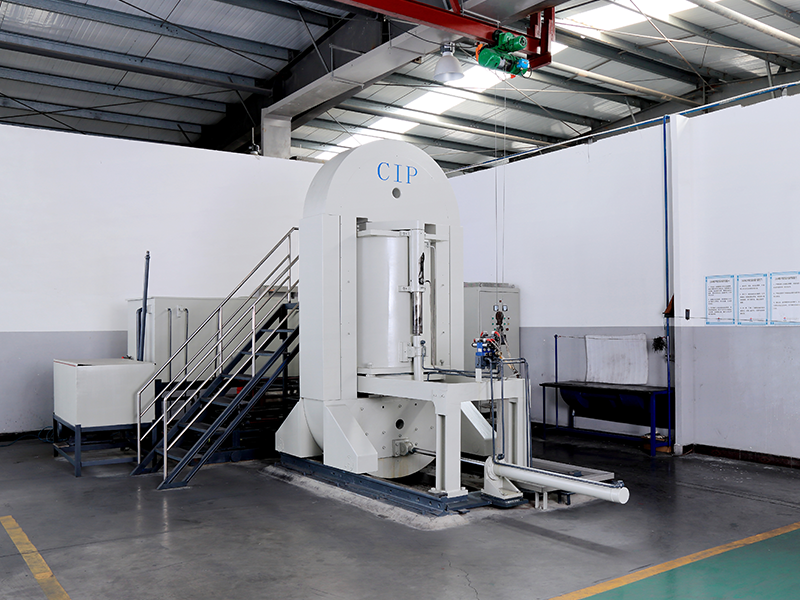
Factory Board
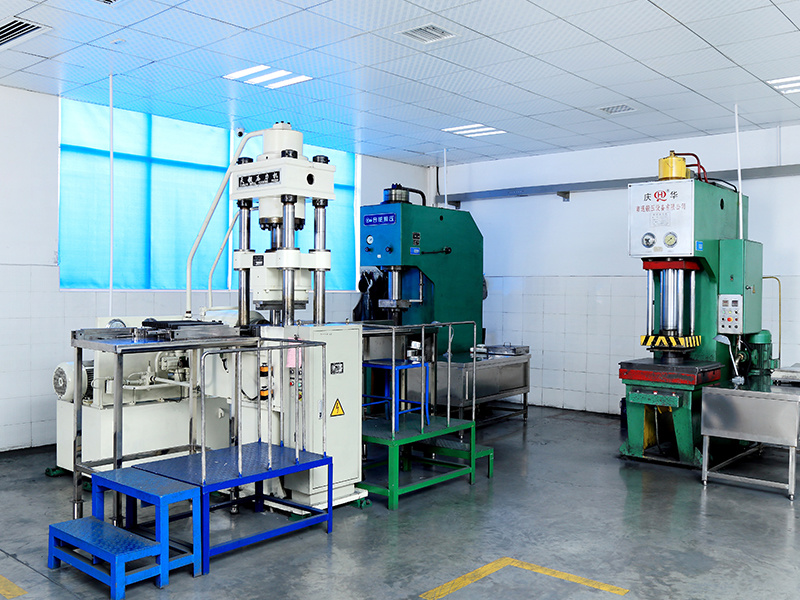
Factory Board
Recommended products


FAQ
2026-04-21
Common Issues in Machining Stainless Steel with Lizhou Turning Inserts
A detailed guide to LIZHOU cemented carbide turning inserts, covering naming conventions, types, selection of inserts specifically designed for roughing and finishing stainless steel, the differences between internal-bore and external-diameter inserts, and answers to frequently asked questions.
2026-04-21
Differences and Applications of Cobalt Drill Bits vs. Carbide Drill Bits
LiZhou Cemented Carbide provides a detailed comparison of cobalt-tipped drills and cemented carbide drills, covering material composition, hardness, tool life, suitable workpiece materials, and common issues to help you quickly select the right tool.
2026-03-31
What is the melting point of tungsten carbide? – Lizhou Cemented Carbide
This comprehensive analysis of Lizhou Cemented Carbide covers the melting point of tungsten carbide (2,870°C), a performance comparison, and industrial applications, explaining in detail why its high melting point makes cemented carbide highly resistant to high temperatures, wear, and deformation—making it ideally suited for tools, mining, steelmaking, and other demanding applications.
2026-03-28
How to Choose Positive and Negative Turning Inserts | LiZhou ISO Turning Tool Code Analysis
A Must-Read for Beginners! Lizhou Cemented Carbide Shows You How to Decode ISO Codes for Turning Inserts, Distinguish Between Positive- and Negative-Rake Inserts, Master the Three Key Selection Principles, and Resolve Common Issues Such as Poor Finish in Precision Turning and Work-Hardening When Machining Stainless Steel.
Hotline:
IPV4 / IPV6