


FAQ
SDMT-PM rapid feed milling cutter
China Lizhou Hard Alloy Source Factory
Product Name: Fast feed milling cutter
Coating : PVD
Material:Tungsten steel
Classification :
Milling insert
keyword:
lizhou




SDMT120512-PM Carbide Milling Insert – High-Performance Precision Cutting Solution
Introduction
In modern CNC machining, cutting tools are at the heart of productivity, precision, and profitability. Among these tools, carbide milling inserts are indispensable due to their high hardness, superior wear resistance, and excellent thermal stability. For industries such as automotive, aerospace, mold-making, energy, and heavy equipment manufacturing, selecting the right insert is critical for optimizing performance and reducing costs.
One of the most reliable solutions is the SDMT120512-PM carbide milling insert, designed and manufactured by our company, a professional hard alloy (tungsten carbide) manufacturer. Engineered for versatility, stability, and efficiency, this insert provides exceptional cutting performance in a wide range of applications.
This article will give a comprehensive technical overview of the SDMT120512-PM, including code breakdown, performance benefits, applications, features, precautions, and technological innovations that distinguish our carbide inserts in the global market.

1. Code Breakdown: Understanding SDMT120512-PM
The ISO code SDMT120512-PM represents the insert’s shape, clearance, tolerance, clamping, dimensions, and chipbreaker geometry. Let’s analyze each part:
S – Insert Shape: Square-shaped insert, providing 8 usable cutting edges, maximizing tool life and reducing cost-per-part.
D – Relief Angle: 15° clearance angle, ensuring reduced cutting resistance and smoother cutting action.
M – Tolerance: Medium tolerance, offering a balance between precision and cost-effectiveness.
T – Hole/Clamping System: Single-sided insert with through-hole, compatible with secure screw or clamp systems.
12 – Inscribed Circle (IC): 12 mm, suitable for medium-to-large milling cutters.
05 – Thickness: 5 mm, providing rigidity for stability in medium-to-heavy milling operations.
12 – Cutting Edge Length: Approx. 12 mm, supporting deep and stable cuts.
PM – Chipbreaker/Geometry:
P = Steel application (optimized for roughing to finishing).
M = Medium cutting conditions (semi-finishing and finishing).
Together, “PM” indicates a universal geometry for balanced chip control, tool life, and surface finish.
This designation makes it easier for engineers and buyers to identify insert specifications and ensure correct application.
2. Advantages of SDMT120512-PM Carbide Insert
The SDMT120512-PM insert offers numerous advantages that make it an outstanding choice for modern milling:
Eight Cutting Edges
Cost-effective and resource-efficient.
Extends tool life by enabling multiple indexations.
Superior Hardness and Wear Resistance
Made from fine-grain tungsten carbide substrate.
Resistant to flank wear and built-up edge formation.
Thermal Stability
Can handle high cutting speeds without losing hardness.
Performs reliably in both wet and dry milling.
Optimized Chipbreaker Geometry (PM)
Ensures smooth chip evacuation.
Reduces cutting force, vibration, and heat buildup.
Versatile Performance
Suitable for steel, stainless steel, cast iron, and alloy steels.
Effective in semi-finishing and finishing milling.


3. Performance Analysis
The SDMT120512-PM carbide insert is designed for balanced machining performance:
Cutting Efficiency: Square geometry distributes forces evenly, ensuring longer tool life.
Chip Control: PM chipbreaker provides excellent chip curling and disposal, preventing re-cutting.
Surface Finish: Capable of achieving Ra 0.8–1.6 µm, reducing need for secondary finishing.
Tool Life: Advanced CVD or PVD coatings (TiAlN, AlTiN, TiCN) extend insert longevity.
Machining Flexibility: Works under stable as well as slightly interrupted cutting conditions.
4. Application Scenarios
The SDMT120512-PM carbide milling insert finds extensive use in industries requiring both productivity and precision:
Automotive
Engine blocks, brake components, transmission housings.
Aerospace
Machining high-strength alloys and structural components.
Mold & Die Industry
Milling of mold cavities with tight tolerances and smooth finishes.
General Engineering
Steel components, tool holders, machine parts.
Heavy Equipment
Large castings, structural steel plates, and fabricated parts.
5. Features and Benefits
Square Shape (S) → 8 cutting edges, excellent cost efficiency.
15° Relief Angle (D) → Reduced cutting resistance, enhanced sharpness.
Medium Tolerance (M) → Balanced precision and economy.
Through-hole (T) → Secure clamping and stable mounting.
PM Chipbreaker → Versatile performance for steel and medium machining.
High Durability → Extended insert life, reduced downtime.
6. Precautions and Best Practices
To achieve the best results with the SDMT120512-PM insert, follow these guidelines:
Cutting Parameters
Adjust cutting speed and feed according to material type.
High speed for carbon steels, moderate for alloy steels, reduced for stainless steel.
Clamping Accuracy
Ensure the insert is seated flat and firmly in the toolholder pocket.
Coolant Usage
Dry machining possible for cast iron.
For steels and stainless steels, coolant extends tool life and improves finish.
Insert Indexing
Rotate to unused edges before significant wear occurs.
Storage and Handling
Store in original packaging to avoid edge chipping.

7. Technological Innovations
Our SDMT120512-PM carbide inserts are manufactured using advanced technologies:
Powder Metallurgy Sintering – Ensures uniform hardness and fine grain structure.
Nano Coatings – Provide high wear resistance, thermal stability, and oxidation resistance.
Edge Preparation Technology – Prevents micro-fractures and extends tool performance.
Chipbreaker Engineering – Proprietary PM geometry for optimized chip control.
Customization (OEM/ODM) – Tailored solutions for specific customer requirements.
8. Why Choose Our Carbide Inserts
As a hard alloy manufacturer, we provide more than just cutting tools:
Factory-Direct Supply → Competitive prices with quality assurance.
Strict Quality Control → Hardness, toughness, and coating adhesion tested for every batch.
Engineering Support → Professional recommendations on cutting parameters.
Global Experience → Serving clients across Asia, Africa, South America, and Europe.
Customized Solutions → Coatings, geometries, and sizes tailored to your industry.
Conclusion
The SDMT120512-PM carbide milling insert is a reliable, versatile, and cost-effective solution for modern machining. With 8 cutting edges, strong carbide substrate, advanced coatings, and optimized PM chipbreaker geometry, it delivers superior performance across automotive, aerospace, mold-making, and general engineering industries.
By choosing our SDMT120512-PM insert, manufacturers benefit from extended tool life, improved surface finish, reduced machining costs, and higher productivity.
As a trusted carbide manufacturer, we combine precision engineering, advanced material science, and industry expertise to deliver cutting tools that meet the toughest machining challenges.
Frequently Asked Questions
Q1: What is the minimum order quantity (MOQ)? Do you support mixed batches?
The standard MOQ is 10 boxes (10 pieces per box). Some suppliers support mixed model procurement, which needs to be negotiated in advance.
Q2: How long is the delivery time? Is there any stock?
The standard delivery time is 15-30 days (depending on the coating customization requirements). Conventional models usually have stock, special coatings need to be pre-ordered.
Q3: Do you provide free samples? Who bears the freight?
The supplier provides one box of samples, and the freight is usually borne by the buyer
Previous page
Next page
Use equipment
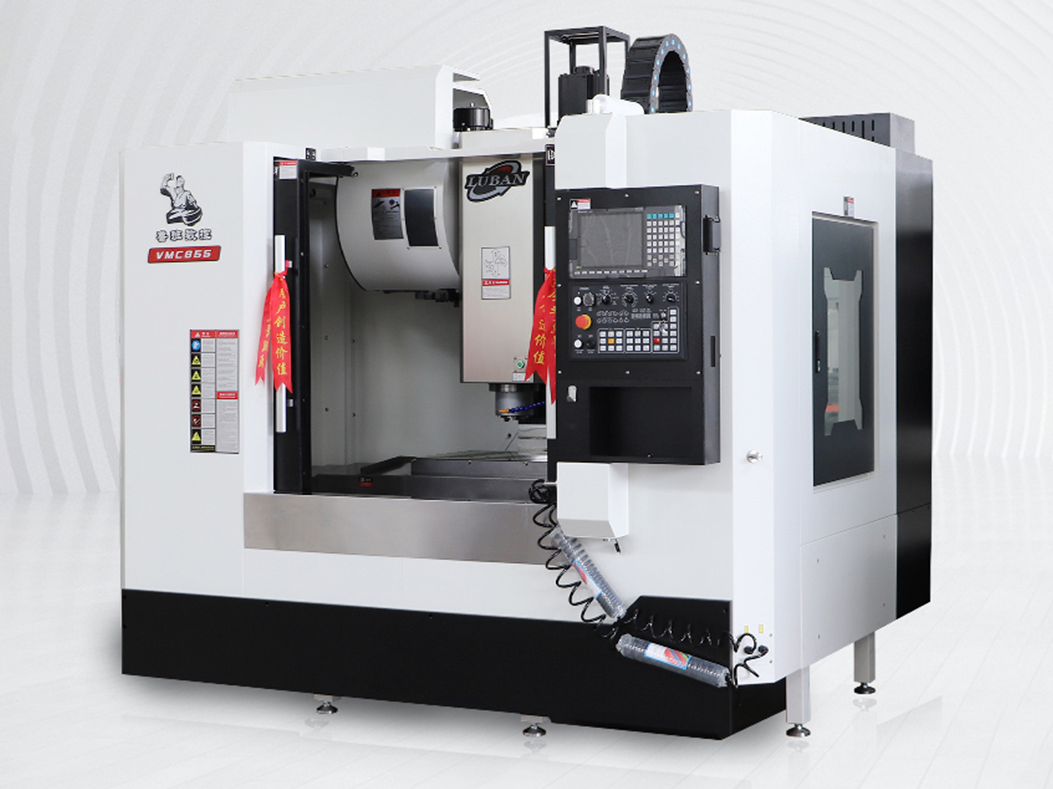
CNC machining centre
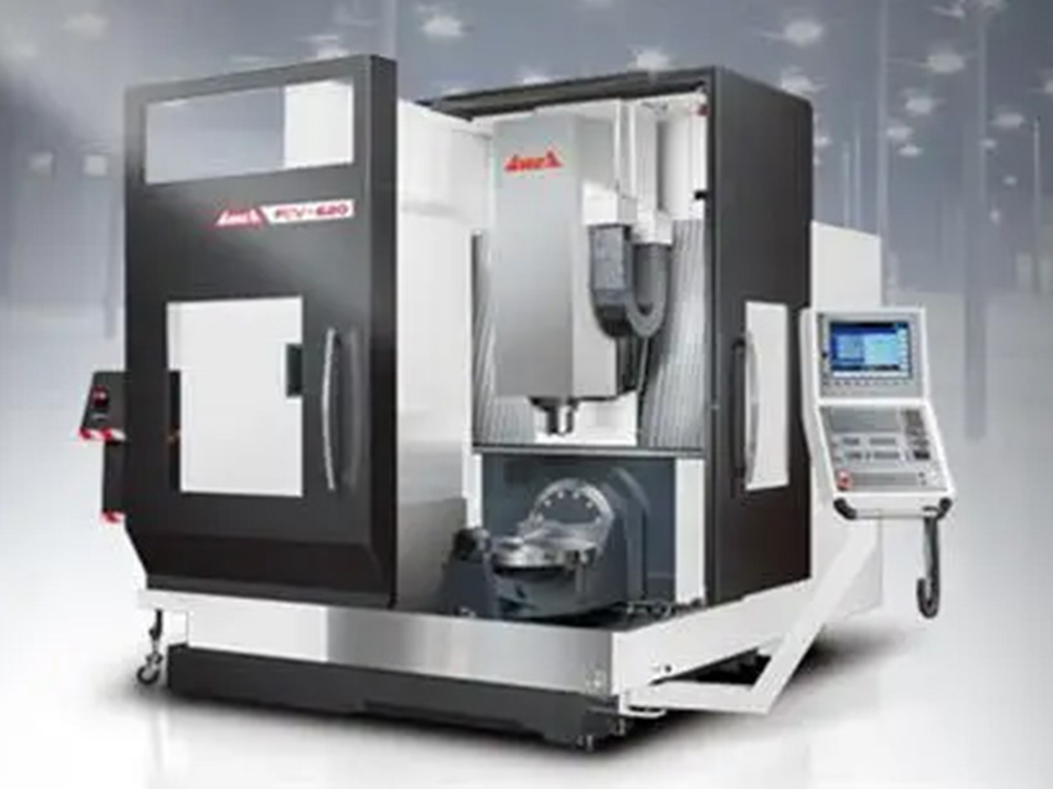
CNC machine tools
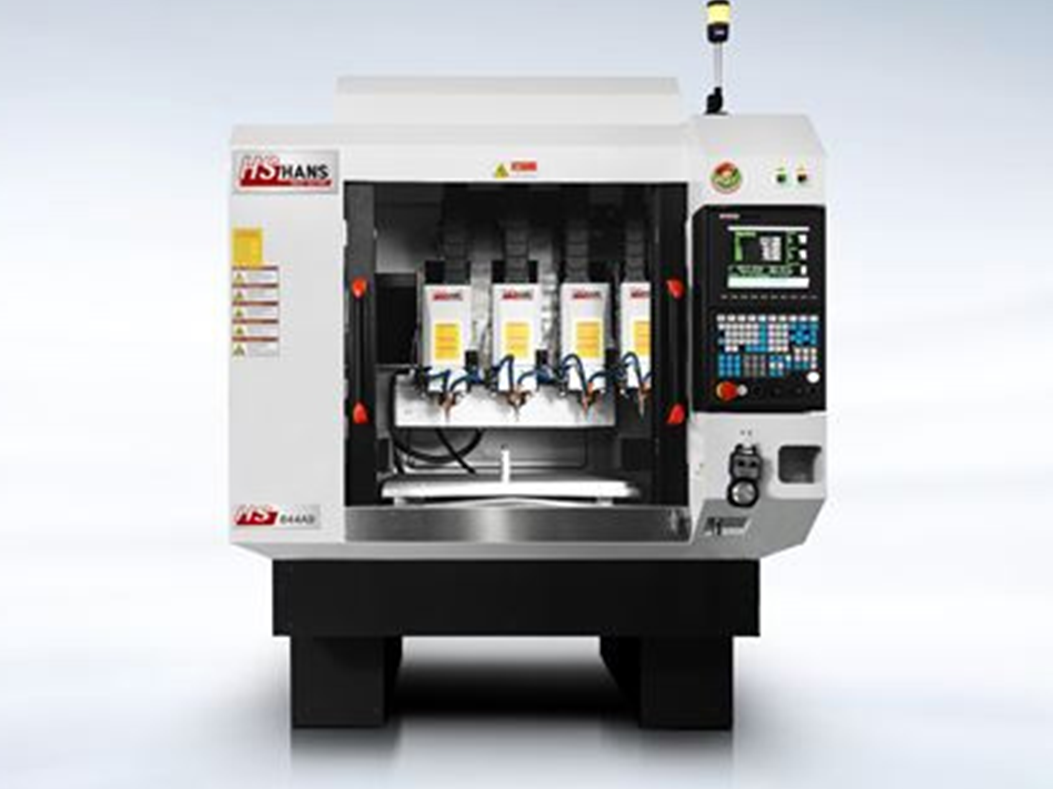
Carved machine
Factory Board
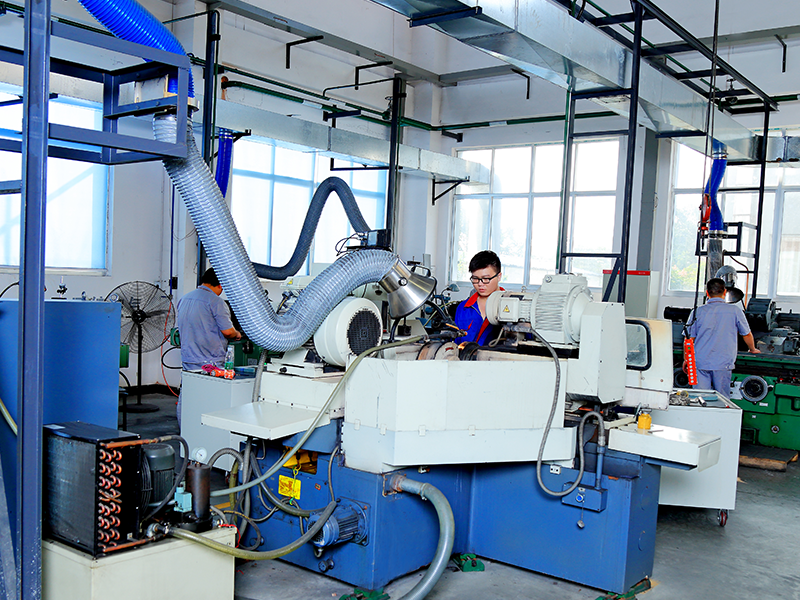
Factory Board
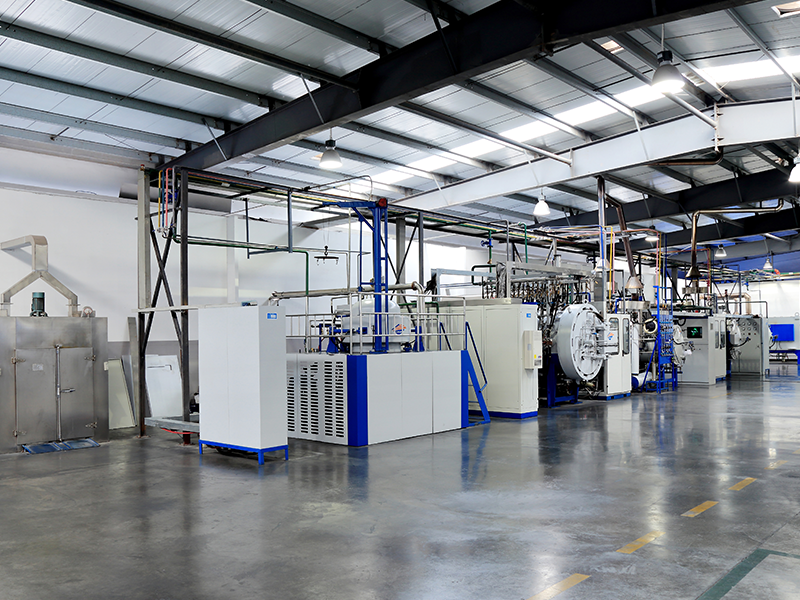
Factory Board
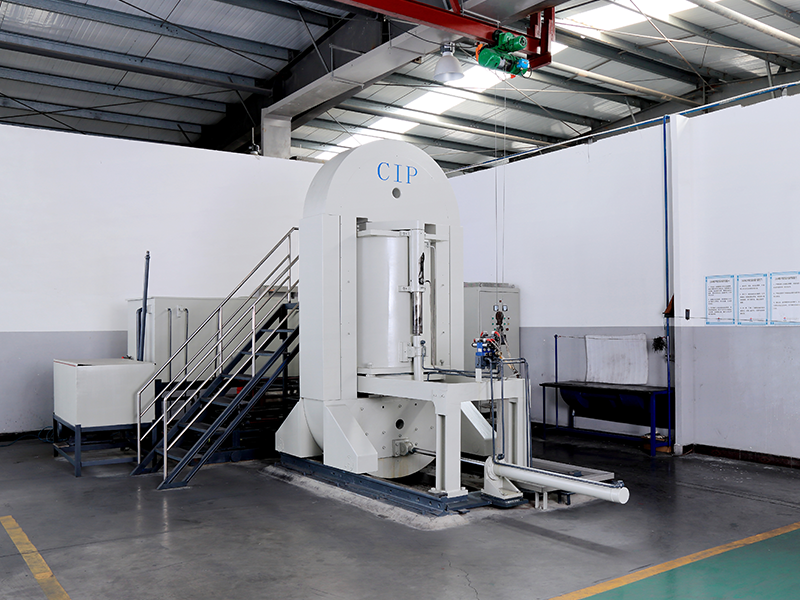
Factory Board
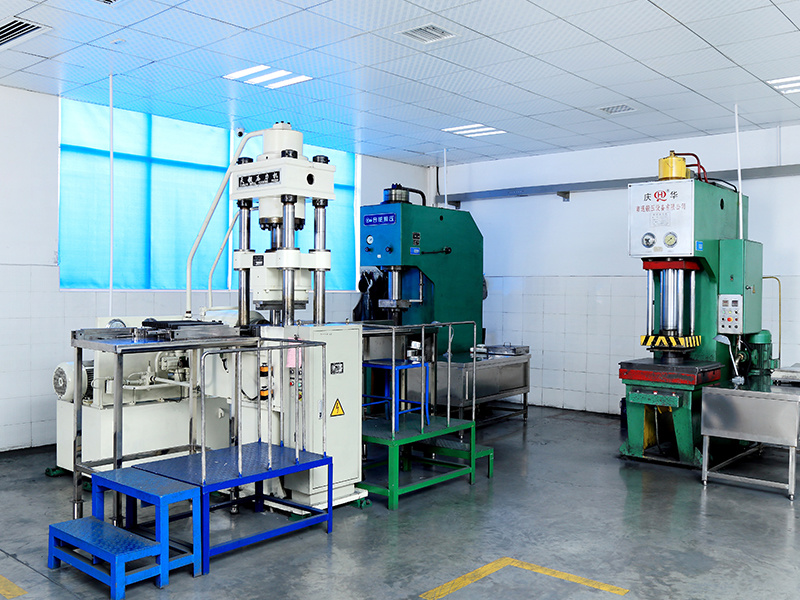
Factory Board
Recommended products


SNMU1206ANEN\SNMU120508EN face milling cutter series,As a professional carbide manufacturer, we are committed to delivering world-class cutting tool solutions that meet the evolving needs of global industries. The SNMU1206ANTN insert is not only a tool but a strategic advantage in modern machining.

APKT1705 square shoulder milling cutter series,The APKT170508R-EM is a high-performance carbide milling insert designed for precision machining across industries such as automotive, aerospace, mold-making, and general metalworking. Manufactured with advanced tungsten carbide substrate and optimized coating technologies, this insert ensures durability, heat resistance, and excellent cutting performance.
FAQ
2026-04-21
Common Issues in Machining Stainless Steel with Lizhou Turning Inserts
A detailed guide to LIZHOU cemented carbide turning inserts, covering naming conventions, types, selection of inserts specifically designed for roughing and finishing stainless steel, the differences between internal-bore and external-diameter inserts, and answers to frequently asked questions.
2026-04-21
Differences and Applications of Cobalt Drill Bits vs. Carbide Drill Bits
LiZhou Cemented Carbide provides a detailed comparison of cobalt-tipped drills and cemented carbide drills, covering material composition, hardness, tool life, suitable workpiece materials, and common issues to help you quickly select the right tool.
2026-03-31
What is the melting point of tungsten carbide? – Lizhou Cemented Carbide
This comprehensive analysis of Lizhou Cemented Carbide covers the melting point of tungsten carbide (2,870°C), a performance comparison, and industrial applications, explaining in detail why its high melting point makes cemented carbide highly resistant to high temperatures, wear, and deformation—making it ideally suited for tools, mining, steelmaking, and other demanding applications.
2026-03-28
How to Choose Positive and Negative Turning Inserts | LiZhou ISO Turning Tool Code Analysis
A Must-Read for Beginners! Lizhou Cemented Carbide Shows You How to Decode ISO Codes for Turning Inserts, Distinguish Between Positive- and Negative-Rake Inserts, Master the Three Key Selection Principles, and Resolve Common Issues Such as Poor Finish in Precision Turning and Work-Hardening When Machining Stainless Steel.
Hotline:
IPV4 / IPV6
business license