


FAQ
WNMU face milling inserts
China Lizhou Hard Alloy Source Factory
Product Name: Milling isnert
Coating : CVD
Material:Tungsten steel
Classification :
Milling insert
keyword:
lizhou




WNMU080608EN-GM Carbide Milling Insert – Precision, Durability, and Efficiency in One
Introduction
In today’s competitive manufacturing environment, the need for reliable, high-performance cutting tools is greater than ever. Carbide inserts have become the backbone of modern CNC milling and machining operations, enabling manufacturers to achieve superior precision, high productivity, and reduced machining costs.
Among these tools, the WNMU080608EN-GM carbide milling insert stands out for its versatile geometry, robust performance, and optimized cutting efficiency. Produced by our company, a professional hard alloy (tungsten carbide) manufacturer, this insert is engineered to meet the demands of industries such as automotive, aerospace, mold-making, general engineering, and heavy equipment manufacturing.
In this article, we provide a comprehensive technical analysis of the WNMU080608EN-GM, covering its code breakdown, performance benefits, application areas, unique features, operational precautions, and technological innovations that make it a top choice for modern machining.

1. Code Breakdown: Understanding WNMU080608EN-GM
Each character in the WNMU080608EN-GM designation provides key information about the insert’s geometry and function:
W – Shape: Trigon (80° corner angle) insert, offering strength and versatility for milling.
N – Relief Angle: 0° relief (neutral clearance), ensuring maximum cutting edge strength.
M – Tolerance: Medium tolerance, suitable for general milling with high precision.
U – Hole/Clamping: Double-sided, with chip slot and screw hole, ensuring secure clamping.
08 – Inscribed Circle (IC): 8 mm, standard for compact milling cutters.
06 – Thickness: 6 mm, providing excellent rigidity and durability.
08 – Cutting Edge Length: 8 mm, suitable for stable milling operations.
EN – Edge/Geometry: Optimized cutting edge with reinforced design for stable performance.
GM – Chipbreaker:
G = General purpose.
M = Medium cutting conditions.
This means the insert is designed for balanced chip control, reduced cutting force, and versatility across multiple materials.
2. Advantages of WNMU080608EN-GM Carbide Insert
The WNMU080608EN-GM insert offers several key advantages that make it an industry favorite:
Double-Sided Design
Provides multiple cutting edges, lowering cost-per-part.
Extends tool life and reduces tool change frequency.
High Strength & Wear Resistance
Manufactured with ultrafine tungsten carbide grain.
Excellent resistance against abrasive wear and thermal deformation.
Optimized Chipbreaker Geometry (GM)
Ensures smooth chip evacuation.
Prevents chip re-cutting, minimizing surface damage.
High Productivity
Capable of handling medium-to-high cutting speeds.
Improves machining cycle times while maintaining precision.
Versatility
Suitable for steel, stainless steel, cast iron, and alloy steels.
Performs well in both semi-finishing and finishing operations.


3. Performance Analysis
The WNMU080608EN-GM carbide milling insert demonstrates superior performance in industrial environments:
Cutting Stability: Neutral clearance angle ensures strong cutting edges, reducing breakage under load.
Tool Life: Advanced coatings (TiAlN, AlTiN, TiCN, or customized CVD/PVD layers) enhance durability.
Surface Quality: Provides a smooth surface finish, often eliminating secondary finishing.
Chip Control: GM chipbreaker handles medium depth of cut and feed rates, maintaining process stability.
Heat Resistance: Capable of dry machining under high-speed conditions.
4. Application Scenarios
The WNMU080608EN-GM carbide insert is widely applied across industries:
Automotive Industry
Machining cylinder heads, brake systems, and engine components.
Aerospace
Milling high-strength alloys with consistent precision.
Mold & Die Making
Effective in cavity milling, finishing, and contouring.
Heavy Equipment & General Engineering
Structural steel milling, large castings, and machine parts.
Energy Industry
Machining turbine housings, power generation components.
5. Features and Benefits
Trigon Shape (W) → Strong geometry, multiple cutting edges.
Neutral Relief (N) → High edge strength, longer durability.
Medium Tolerance (M) → Balances accuracy and cost-effectiveness.
Double-Sided (U) → Maximizes insert utility.
GM Chipbreaker → Reliable chip evacuation and stable cutting.
Carbide Substrate → High hardness, thermal and wear resistance.
6. Precautions and Best Practices
To maximize insert performance, users should follow these operational guidelines:
Cutting Parameters
Use recommended cutting speed and feed for each material type.
Avoid excessive depth of cut on stainless steels to prevent tool wear.
Insert Handling
Handle carefully to avoid edge chipping.
Store inserts in original protective cases.
Coolant Use
Dry machining suitable for cast iron.
Use coolant for steels and alloys to extend tool life.
Clamping Precision
Ensure correct seating in the toolholder pocket.
Avoid dirt or chips under the insert seat.
Indexing and Rotation
Replace or rotate inserts before extreme wear develops.
7. Technological and Patent Innovations
Our WNMU080608EN-GM inserts incorporate advanced manufacturing and coating technologies:
Nano-Grain Carbide Powder Metallurgy – Produces superior hardness and toughness balance.
Advanced Coatings (CVD/PVD) – Provide resistance to wear, oxidation, and heat.
Precision Edge Preparation – Enhances cutting edge strength while maintaining sharpness.
Custom OEM/ODM Service – Inserts can be tailored with specific coatings, chipbreakers, or dimensions.
Patented Chipbreaker Engineering – GM chipbreaker optimized for efficient chip evacuation and minimized vibration.
8. Why Choose Our Carbide Inserts
As a professional hard alloy manufacturer, we provide:
Direct Factory Supply – Competitive pricing without middlemen.
Strict Quality Control – Every batch tested for hardness, toughness, and coating adhesion.
Global Export Experience – Serving clients in Asia, Africa, South America, and Europe.
Engineering Support – Professional guidance for selecting cutting parameters.
Custom Solutions – Tailored inserts for industry-specific applications.
Conclusion
The WNMU080608EN-GM carbide milling insert is a high-performance, durable, and versatile cutting tool designed for modern CNC machining. With its trigon geometry, strong carbide substrate, double-sided design, and optimized GM chipbreaker, it provides long tool life, superior surface finish, efficient chip evacuation, and cost savings across a wide range of industries.
By choosing our WNMU080608EN-GM insert, manufacturers can achieve higher productivity, improved machining stability, and reduced tooling costs, all backed by the expertise of a trusted carbide manufacturer.
Previous page
Next page
Use equipment
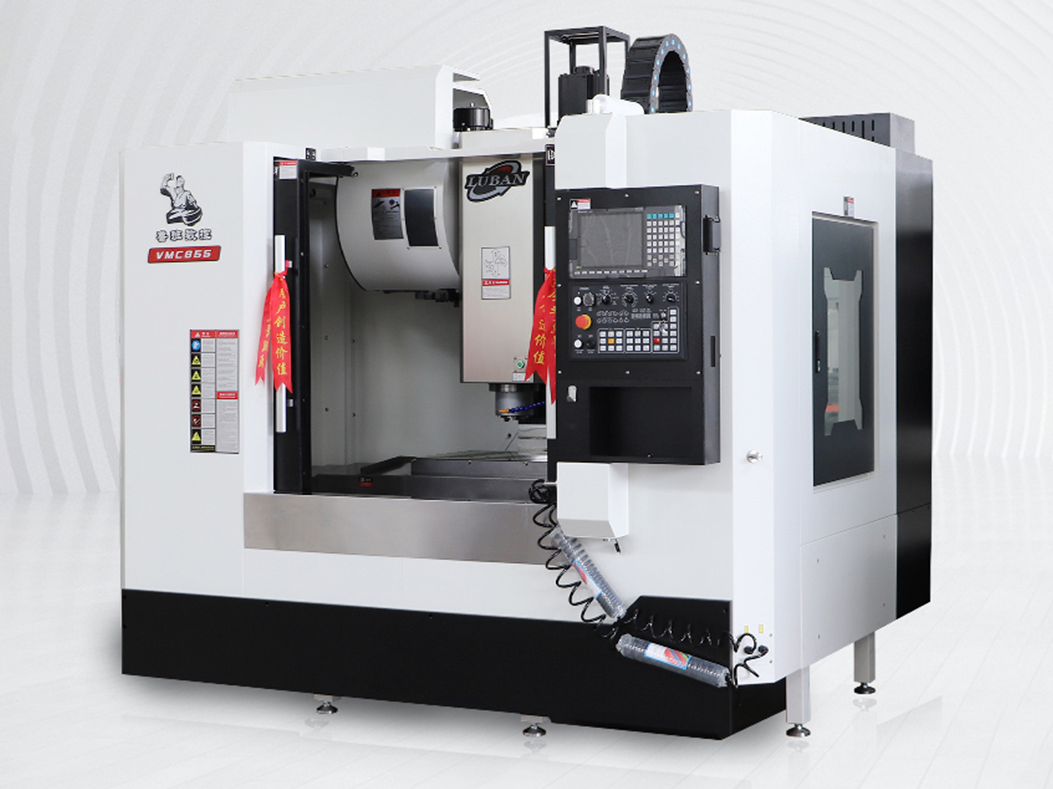
CNC machining centre
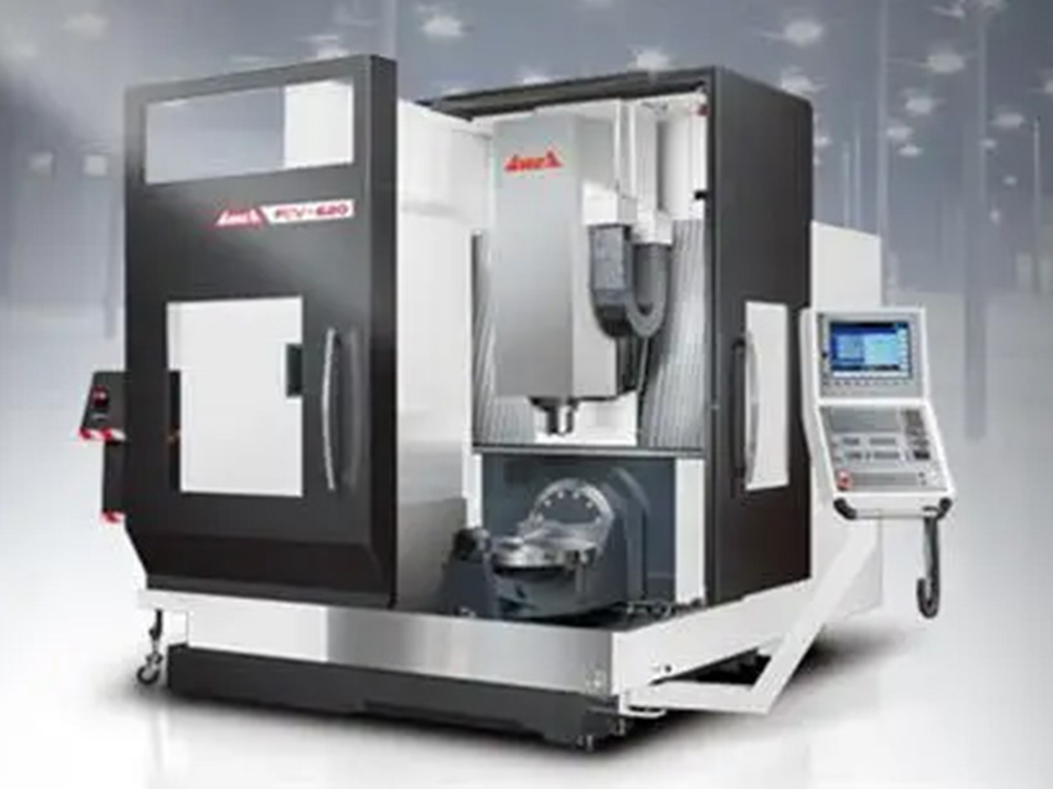
CNC machine tools
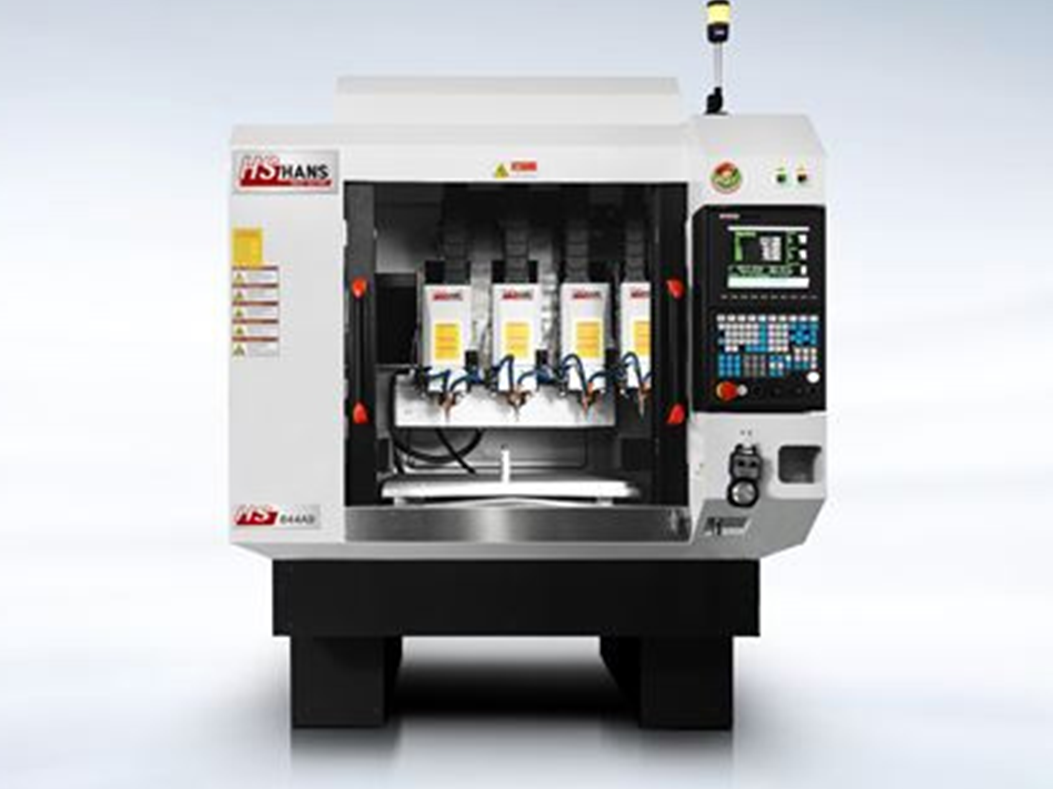
Carved machine
Factory Board
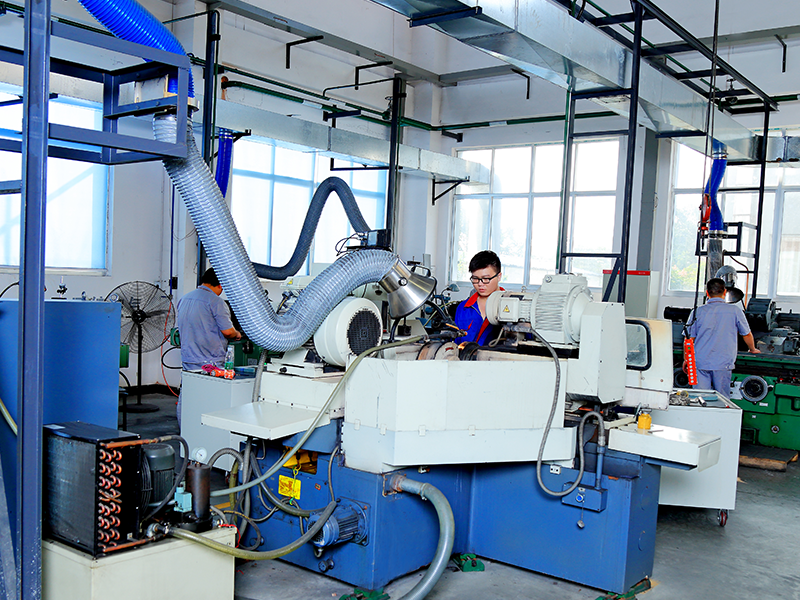
Factory Board

Factory Board
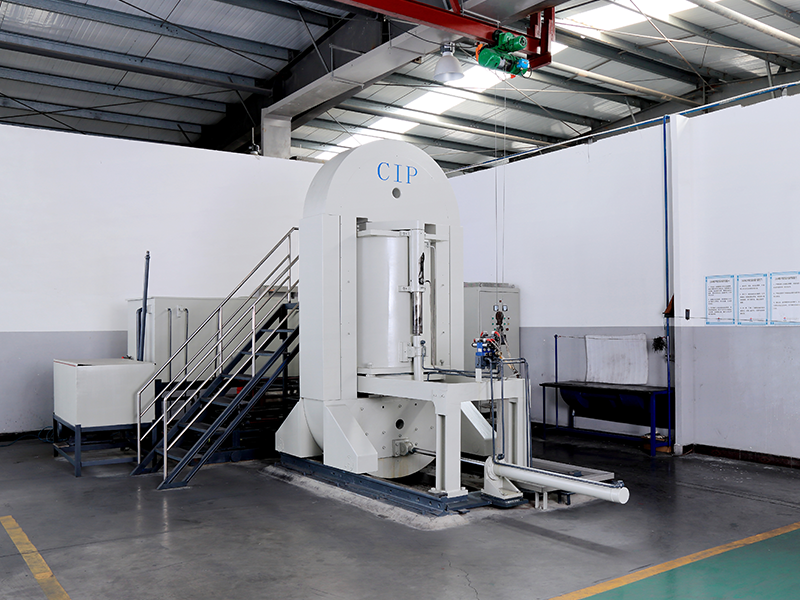
Factory Board
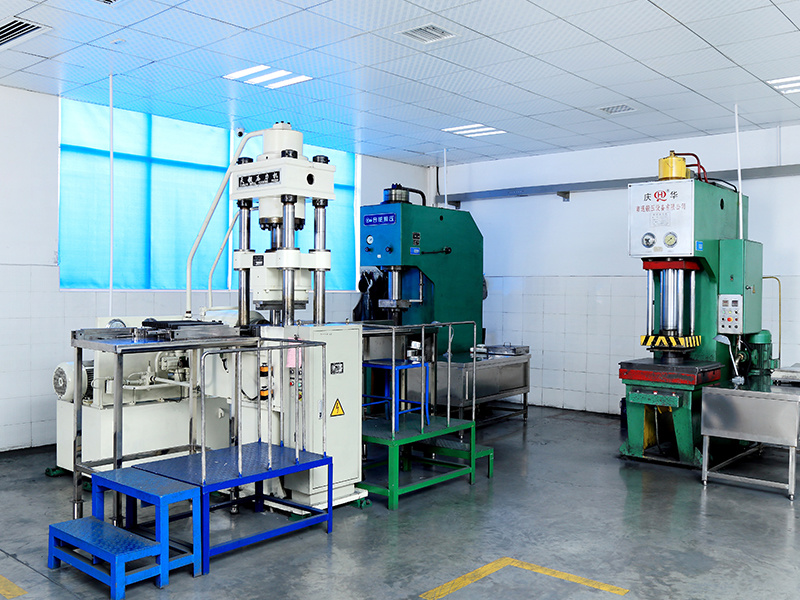
Factory Board
Recommended products

SEKT1204AFTN face milling cutter,As a professional carbide manufacturer, we not only provide high-quality inserts but also support customers with customized solutions, innovative technologies, and reliable global supply.


SEKN1203AFN Gantry milling blade,As a trusted hard alloy manufacturer, we are dedicated to providing inserts like the SEKN1203AFN that combine cutting-edge technology, strict quality control, and industry-specific expertise to help global manufacturers achieve higher efficiency and profitability.

ONMU050404EN-M08 face milling cutter,By choosing our ONMU050404EN-M08 inserts, manufacturers gain higher productivity, reduced tooling costs, and machining reliability, supported by the expertise of a global carbide manufacturer.
FAQ
2026-04-21
Common Issues in Machining Stainless Steel with Lizhou Turning Inserts
A detailed guide to LIZHOU cemented carbide turning inserts, covering naming conventions, types, selection of inserts specifically designed for roughing and finishing stainless steel, the differences between internal-bore and external-diameter inserts, and answers to frequently asked questions.
2026-04-21
Differences and Applications of Cobalt Drill Bits vs. Carbide Drill Bits
LiZhou Cemented Carbide provides a detailed comparison of cobalt-tipped drills and cemented carbide drills, covering material composition, hardness, tool life, suitable workpiece materials, and common issues to help you quickly select the right tool.
2026-03-31
What is the melting point of tungsten carbide? – Lizhou Cemented Carbide
This comprehensive analysis of Lizhou Cemented Carbide covers the melting point of tungsten carbide (2,870°C), a performance comparison, and industrial applications, explaining in detail why its high melting point makes cemented carbide highly resistant to high temperatures, wear, and deformation—making it ideally suited for tools, mining, steelmaking, and other demanding applications.
2026-03-28
How to Choose Positive and Negative Turning Inserts | LiZhou ISO Turning Tool Code Analysis
A Must-Read for Beginners! Lizhou Cemented Carbide Shows You How to Decode ISO Codes for Turning Inserts, Distinguish Between Positive- and Negative-Rake Inserts, Master the Three Key Selection Principles, and Resolve Common Issues Such as Poor Finish in Precision Turning and Work-Hardening When Machining Stainless Steel.
Hotline:
IPV4 / IPV6
business license