


FAQ
SNMU face milling cutter series
China Lizhou Hard Alloy Source Factory
Product Name: Milling insert
Coating : CVD
Material:Tungsten steel
Classification :
Milling insert
keyword:
lizhou




SNMU1206ANTN Carbide Milling Insert – Advanced Performance for Modern Machining
Introduction
In modern machining, carbide milling inserts are the backbone of efficiency, productivity, and precision. Whether in automotive, aerospace, mold-making, or general engineering, cutting tools must withstand high speeds, heavy loads, and demanding materials while still delivering cost efficiency.
One such highly reliable product is the SNMU1206ANTN carbide milling insert. As a professional carbide manufacturer, our company has engineered this insert to deliver superior wear resistance, optimized chip control, and consistent machining quality.
This in-depth guide explores the advantages, performance, letter/number code breakdown, features, applications, precautions, and innovations of the SNMU1206ANTN insert, helping global buyers and engineers make an informed choice.

1. Breaking Down the Code: SNMU1206ANTN
Each carbide insert designation is a technical “language” that communicates its shape, relief, tolerance, geometry, and application. Here’s what SNMU1206ANTN means:
S – Shape: Square insert, providing 8 usable cutting edges for cost efficiency.
N – Relief angle: 0° relief, designed for maximum strength and heavy-duty cutting.
M – Tolerance class: Medium precision, balancing accuracy and versatility.
U – Special geometry: Often indicates unique chipbreaker design or universal application.
12 – Size: 12 mm inscribed circle (IC).
06 – Thickness: 6 mm.
A – Hole/clamping style: Compatible with common clamping systems.
N – Chipbreaker type: Optimized for stable chip evacuation and reduced cutting resistance.
TN – Cutting edge style: Robust cutting edge for milling operations in steel, cast iron, and alloys.
This standardized coding ensures machinists and buyers can easily understand the insert’s geometry, application, and compatibility.


2. Advantages of Carbide Material
The SNMU1206ANTN insert is manufactured using premium tungsten carbide substrates and advanced CVD/PVD coatings, delivering outstanding performance advantages:
High Hardness and Wear Resistance
Maintains sharpness even under high cutting speeds.
Resists abrasive wear, ideal for hard steels and cast iron.
Thermal Stability
Withstands high cutting temperatures without deformation.
Ensures reliable machining in dry or semi-dry conditions.
Toughness and Edge Strength
Prevents chipping and cracking during interrupted cuts.
Suitable for both light finishing and heavy-duty roughing.
Advanced Coating Technology
TiAlN, AlTiN, or CVD multi-layer coatings reduce friction.
Improved heat resistance leads to longer tool life.
Consistency and Precision
Each insert is ground to tight tolerances, ensuring repeatable accuracy across production batches.
3. Performance Analysis of SNMU1206ANTN
The design of SNMU1206ANTN focuses on reliability, productivity, and versatility.
Cutting Efficiency
The square shape with 8 edges maximizes cost-effectiveness.
Large depth-of-cut capacity supports roughing operations.
Chip Control
The N-type chipbreaker ensures smooth evacuation, reducing chip re-cutting and heat accumulation.
Surface Quality
Optimized edge preparation provides a clean surface finish, minimizing rework.
Tool Life
Advanced coatings extend insert life by reducing wear and crater formation.
Versatility
Effective for steels, stainless steels, cast irons, and some heat-resistant alloys.

4. Application Scenarios
The SNMU1206ANTN carbide insert is widely used in CNC milling machines, machining centers, and heavy-duty milling cutters. Typical applications include:
Automotive Industry
Engine blocks, gear housings, brake systems.
Aerospace Manufacturing
High-strength alloy components, structural parts.
Mold and Die Industry
Mold cavities, base plates, and finishing of large mold surfaces.
Energy and Heavy Machinery
Wind turbine hubs, oil and gas equipment.
General Engineering
Large steel components, precision machine parts, structural frames.
Its robustness, long tool life, and multi-edge efficiency make it a go-to solution for manufacturers looking to reduce machining costs while boosting productivity.
5. Key Features and Benefits
8 Cutting Edges → Excellent cost-per-part ratio.
0° Relief Angle → Maximum edge strength, prevents breakage.
Universal Chipbreaker → Effective chip evacuation in a wide range of materials.
Multi-Layer Coating → Superior wear and heat resistance.
Stable Clamping → Secure insert positioning for consistent results.
Versatility → Applicable across industries and materials.

6. Precautions and Best Practices
To maximize the performance of SNMU1206ANTN, machinists should follow these best practices:
Correct Cutting Parameters
Follow recommended speeds, feeds, and depths of cut for each material.
Insert Clamping
Ensure the insert is properly seated to avoid vibrations and tool breakage.
Coolant Use
Use cutting fluids as needed to control temperature and prolong tool life.
Regular Inspection
Check inserts frequently for wear or edge chipping.
Proper Storage
Store inserts in dry, dust-free containers to protect the coating and edge integrity.
7. Technological Innovations and Patents
As a carbide manufacturer, we incorporate state-of-the-art technologies into the SNMU1206ANTN insert:
High-Pressure Sintering Technology – Creates a denser carbide substrate with enhanced toughness.
Nano-Structured Coatings – Improves thermal stability and oxidation resistance.
Precision Edge Honing – Reduces micro-chipping at the cutting edge.
Patented Chipbreaker Design – Optimized for chip evacuation and reduced cutting resistance.
OEM/ODM Customization – Available for clients requiring tailor-made inserts for specific machining conditions.
8. Why Choose Us as Your Carbide Supplier
As a professional hard alloy (carbide) manufacturer, we offer more than just inserts – we deliver a complete machining solution:
Factory Direct Supply → Competitive pricing and stable availability.
Strict Quality Control → Every insert undergoes hardness, toughness, and coating inspections.
Global Market Reach → Trusted by clients in Asia, South America, Africa, and Europe.
Technical Support → Application engineers assist with parameter optimization.
OEM/ODM Services → Branding, packaging, and customized solutions available.
Conclusion
The SNMU1206ANTN carbide milling insert combines robust design, multi-edge efficiency, and advanced carbide technology, making it a cost-effective and reliable solution for industries demanding precision and productivity.
With 8 cutting edges, optimized chip control, superior coatings, and universal application capability, this insert is ideal for automotive, aerospace, mold-making, and heavy machinery sectors.
As a professional carbide manufacturer, we are committed to delivering world-class cutting tool solutions that meet the evolving needs of global industries. The SNMU1206ANTN insert is not only a tool but a strategic advantage in modern machining.
Previous page
Next page
Use equipment
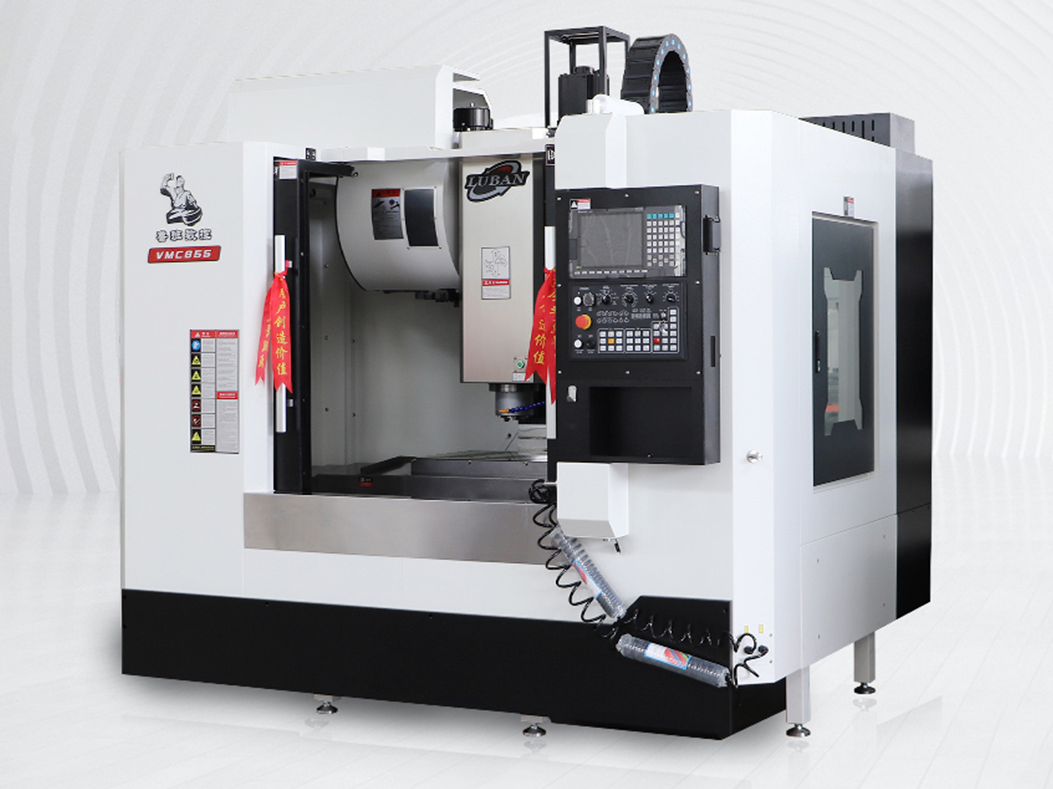
CNC machining centre
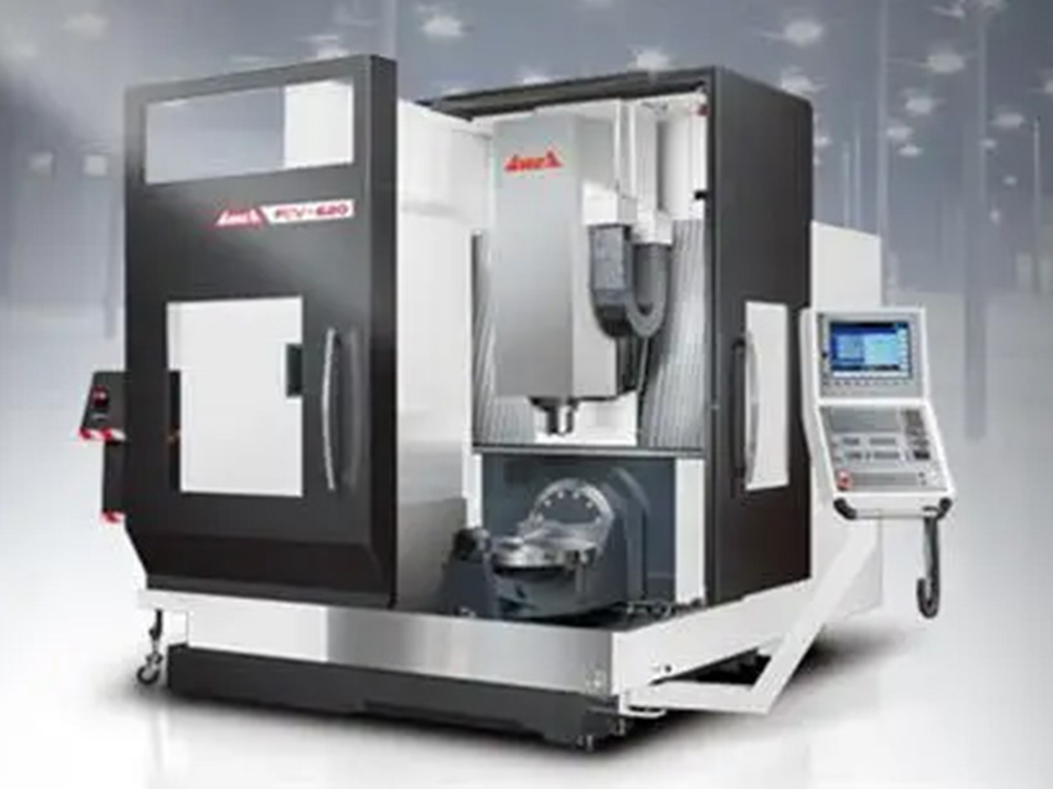
CNC machine tools
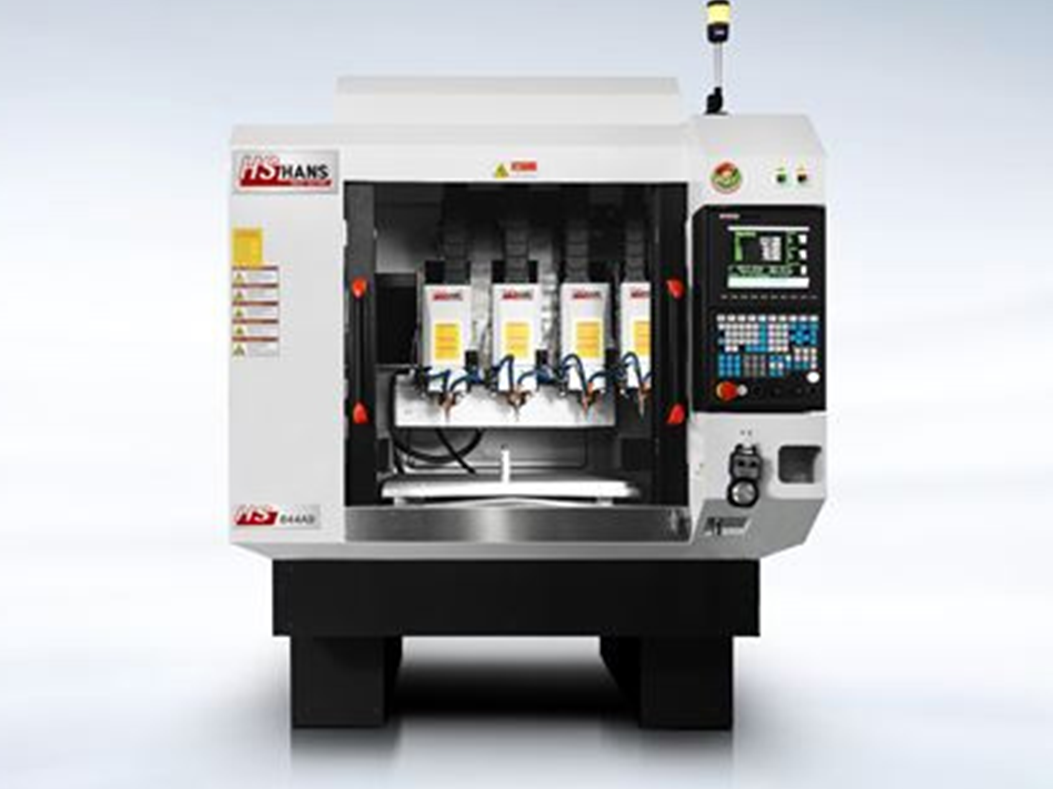
Carved machine
Factory Board
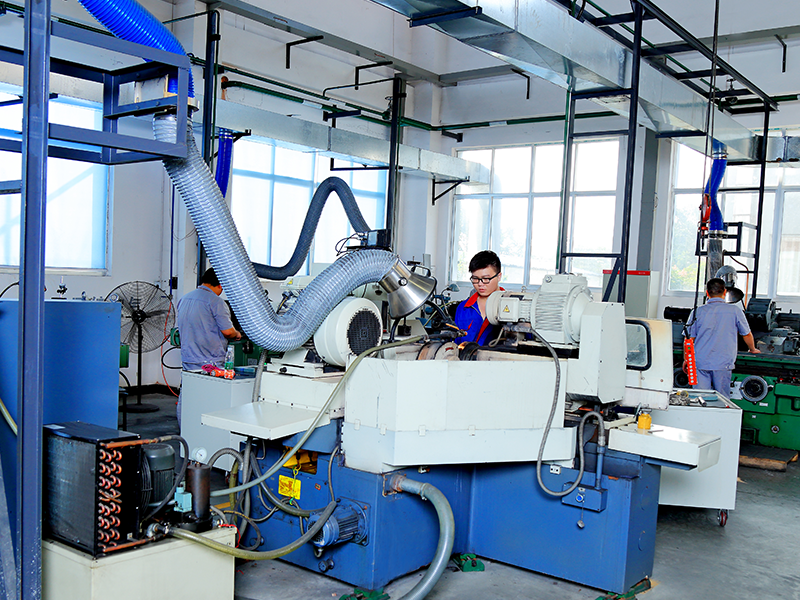
Factory Board
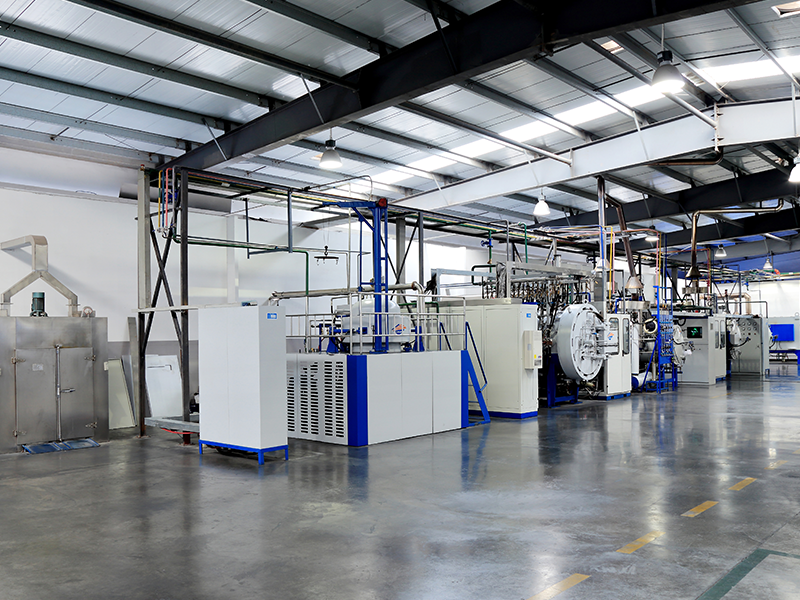
Factory Board
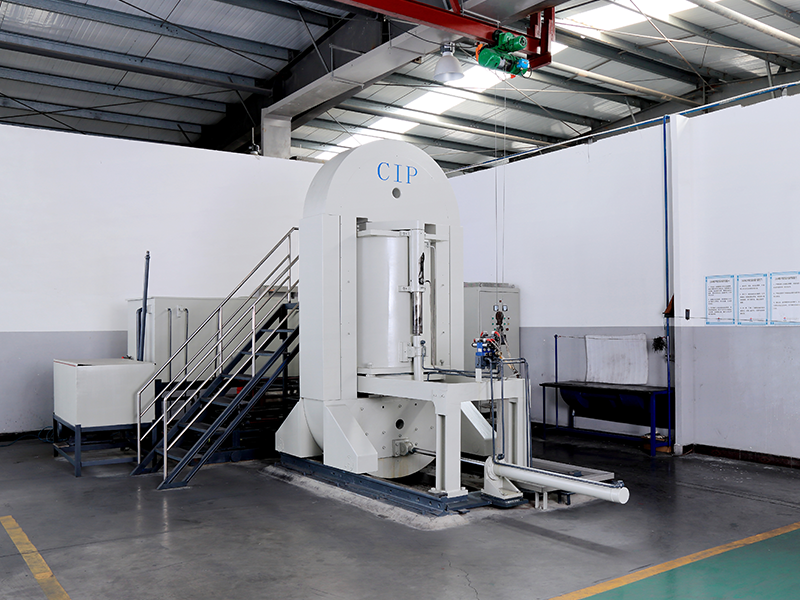
Factory Board
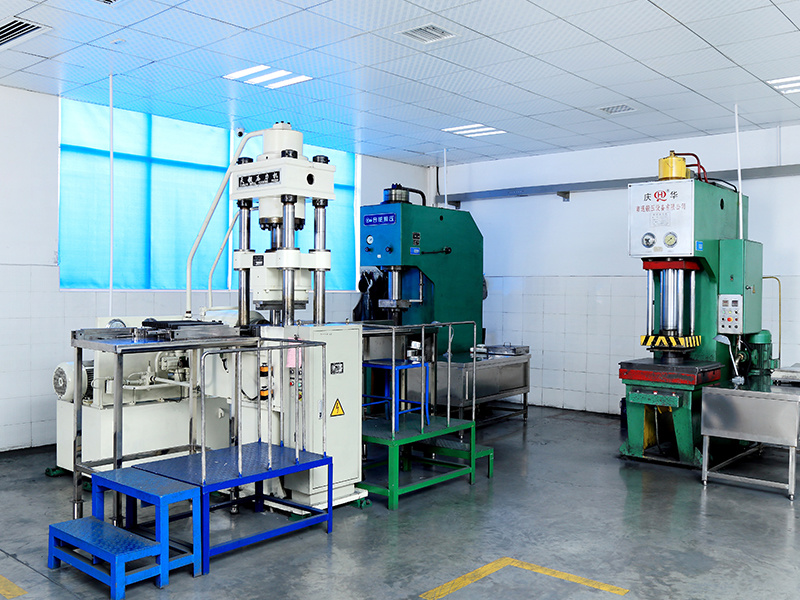
Factory Board
Recommended products


FAQ
2026-04-21
Common Issues in Machining Stainless Steel with Lizhou Turning Inserts
A detailed guide to LIZHOU cemented carbide turning inserts, covering naming conventions, types, selection of inserts specifically designed for roughing and finishing stainless steel, the differences between internal-bore and external-diameter inserts, and answers to frequently asked questions.
2026-04-21
Differences and Applications of Cobalt Drill Bits vs. Carbide Drill Bits
LiZhou Cemented Carbide provides a detailed comparison of cobalt-tipped drills and cemented carbide drills, covering material composition, hardness, tool life, suitable workpiece materials, and common issues to help you quickly select the right tool.
2026-03-31
What is the melting point of tungsten carbide? – Lizhou Cemented Carbide
This comprehensive analysis of Lizhou Cemented Carbide covers the melting point of tungsten carbide (2,870°C), a performance comparison, and industrial applications, explaining in detail why its high melting point makes cemented carbide highly resistant to high temperatures, wear, and deformation—making it ideally suited for tools, mining, steelmaking, and other demanding applications.
2026-03-28
How to Choose Positive and Negative Turning Inserts | LiZhou ISO Turning Tool Code Analysis
A Must-Read for Beginners! Lizhou Cemented Carbide Shows You How to Decode ISO Codes for Turning Inserts, Distinguish Between Positive- and Negative-Rake Inserts, Master the Three Key Selection Principles, and Resolve Common Issues Such as Poor Finish in Precision Turning and Work-Hardening When Machining Stainless Steel.
Hotline:
IPV4 / IPV6