


FAQ
CNMG-PV\43 steel turning insert
China Lizhou Hard Alloy Source Factory
Product Name: steel turning insert
Coating : CVD
Brand number:LPC202\302
Classification :
Turning insert
keyword:
lizhou




CNMG120408R-PV/43 Carbide Turning Inserts: High-Performance Solution for Precision Machining
Introduction
In modern metalworking, efficiency, durability, and precision are essential for staying competitive. Cutting inserts are the backbone of turning operations, and carbide inserts have proven to be the most reliable choice due to their hardness, thermal resistance, and versatility.
Among the various insert geometries available, the CNMG120408R-PV/43 carbide turning insert stands out as a robust and efficient solution. Manufactured from high-performance cemented carbide, it is engineered to deliver superior results in roughing, semi-finishing, and finishing applications.
This detailed guide explores the advantages, meaning of the insert code, dimensional parameters, applications, machining roles, features, usage precautions, and innovations behind CNMG120408R-PV/43.
Type | Basic dimensions (mm) | Cutting data | CVD | |||||||
I.C | S | D | R | Cutting depth (mm) | Feed ( mm/tooth ) | LPC102 | LPC202 | LPC302 | LPC352 | |
CNMG120408R- PV | 12.70 | 4.76 | 5.16 | 0.8 | 1.20-5.00 | 0.15-0.50 |
|
| ⚪ |
|
CNMG120408L-PV | 12.70 | 4.76 | 5.16 | 0.8 | 1.20-5.00 | 0.15-0.50 |
|
| ⚪ |
|
CNMG120404-43 | 12.70 | 4.76 | 5.16 | 0.4 | 1.20-5.00 | 0.15-0.50 |
| ⚪ |
|
|
CNMG120408-43 | 12.70 | 4.76 | 5.16 | 0.8 | 1.20-5.00 | 0.15-0.50 |
| ⚪ |
|
|
CNMG120412-43 | 12.70 | 4.76 | 5.16 | 1.2 | 1.20-5.00 | 0.15-0.50 |
| ⚪ |
|
|
Decoding the Insert Code: CNMG120408R-PV/43
Carbide inserts follow ISO/ANSI naming standards. Each letter and number provides insights into the insert’s design.
C – Insert Shape: 80° diamond (rhombic). Strong edge with versatility for a wide range of applications.
N – Relief Angle: 0° neutral clearance, providing maximum edge strength and double-sided use.
M – Tolerance Class: Medium tolerance. Balanced between economy and accuracy.
G – Hole Type: With fixing hole and chip groove for stable clamping.
12 – Inscribed Circle (IC): 12.7 mm.
04 – Insert Thickness: 4.76 mm.
08 – Corner Radius: 0.8 mm, suitable for general turning and semi-finishing.
R – Hand of Insert: Right-hand cutting insert.
PV/43 – Chipbreaker Style: Optimized geometry for steel and alloy turning, with enhanced chip control at medium-to-high cutting speeds.
Summary: The CNMG120408R-PV/43 is an 80° diamond-shaped, double-sided, right-hand carbide insert with a medium chipbreaker, designed for semi-finishing and finishing in steels and alloys.

Advantages of CNMG120408R-PV/43
Extended Tool Life
High-quality tungsten carbide substrate ensures wear resistance and toughness.
Coatings such as TiCN, Al2O3, or TiAlN enhance oxidation resistance and thermal stability.
Eight Usable Cutting Edges
With its 0° relief design, the insert offers four edges per side, total of eight cutting edges, lowering cost per component.
Optimized Chipbreaker PV/43
Provides excellent chip control in medium-to-heavy cutting.
Reduces tool wear caused by chip congestion.
Versatile Machining
Can handle roughing, semi-finishing, and finishing operations across steels, stainless steels, and cast irons.
High Cutting Efficiency
Allows for higher cutting speeds while maintaining surface finish and dimensional accuracy.
Technical Specifications
| Parameter | Description / Value |
|---|---|
| Insert Shape (C) | 80° Diamond (Rhombic) |
| Relief Angle (N) | 0° Neutral, double-sided |
| Tolerance Class (M) | Medium |
| Hole Type (G) | With fixing hole & chip groove |
| Size (12) | 12.7 mm IC |
| Thickness (04) | 4.76 mm |
| Corner Radius (08) | 0.8 mm |
| Hand of Insert (R) | Right-hand |
| Chipbreaker (PV/43) | Optimized geometry for chip evacuation |
Application Areas
The CNMG120408R-PV/43 insert is widely used in industries where strength, reliability, and surface quality are critical:
Automotive Industry
Machining engine blocks, crankshafts, gears, and shafts.
Aerospace Industry
Turning stainless steel and nickel-based components with high reliability.
Heavy Machinery & Energy
Roughing and semi-finishing of large steel parts, pipelines, and valves.
General Engineering
Precision turning of steel bars, pipes, and structural components.

Role and Function in Machining
Roughing Operations: The 0.8 mm nose radius allows stable cuts with higher material removal rates.
Semi-Finishing: Balances edge strength with surface quality for versatile applications.
Chip Management: PV/43 breaker design ensures smooth chip evacuation, even in long cutting passes.
Cost Reduction: With eight cutting edges per insert, tooling costs per component are significantly reduced.
Key Features
Strengthened Geometry – The 80° diamond shape withstands heavy cutting loads.
Double-Sided Economy – Neutral relief allows maximum edge usage.
Right-Hand Configuration – Designed for right-hand turning, ensuring machining stability.
PV/43 Chipbreaker – Reduces heat generation, improves surface finish, and minimizes vibration.
Surface Quality – Nose radius of 0.8 mm produces fine finishes while maintaining efficiency.
Usage Precautions
To maximize insert performance, operators should follow recommended guidelines:
Cutting Speeds (Vc): 150–350 m/min depending on workpiece material.
Feed Rates (f): 0.15–0.35 mm/rev for semi-finishing; 0.25–0.45 mm/rev for roughing.
Depth of Cut (ap): 0.5–4.0 mm depending on operation.
Coolant Use: Recommended for stainless steel and high-temperature alloys.
Tool Setup: Ensure rigid clamping to minimize vibration.
Edge Rotation: Switch to a new edge before excessive wear to maintain consistent performance.
Technological Innovations
As a professional carbide insert manufacturer, we integrate the following innovations into CNMG120408R-PV/43:
Gradient Substrate Technology – Hard surface layer with a tough core improves both wear resistance and fracture toughness.
Nano Coatings – TiAlN or AlTiN coatings applied by advanced PVD for thermal stability and reduced friction.
Optimized PV/43 Chipbreaker – Designed using simulation and testing for maximum chip control.
Edge Preparation Technology – Special honing minimizes micro-chipping and extends tool life.
Sintering Innovation – High-precision sintering ensures consistent material density and edge accuracy.
Why Choose Our CNMG120408R-PV/43 Inserts?
33 Years of Manufacturing Experience in carbide cutting tools.
OEM/ODM Services for customized tool solutions.
ISO-Certified Quality Control ensuring consistent performance.
Factory-Direct Supply for competitive pricing.
Trusted Globally across more than 40 export markets.
CNMG120408 Turning Tool Blade Common Problems
Q1: Does it support heavy-duty cutting?
A: Due to the larger tip angle (80°), CNMG blades are suitable for medium loads and are not recommended for heavy loads (thicker blades such as CNMG432 are required).
Q2: Is the blade double-sided?
A: Yes, CNMG is usually double-sided, with 2 cutting edges per side, totaling 4 cutting edges.
Q3: Is the MA coating high-temperature resistant?
A: Yes, the multilayer Al₂O₃ coating can withstand high temperatures of 800-1000°C and is suitable for high-speed processing.
Conclusion
The CNMG120408R-PV/43 carbide turning insert is a versatile, durable, and economical tool for a wide range of machining applications. Its 80° diamond geometry, right-hand design, PV/43 chipbreaker, and advanced coatings make it ideal for roughing and semi-finishing steels and alloys.
With eight usable cutting edges, superior chip control, and innovative coating technologies, this insert provides manufacturers with:
Longer tool life
Reduced production costs
Improved surface quality
Reliable machining stability
For industries seeking productivity and precision, the CNMG120408R-PV/43 is a proven choice backed by decades of carbide expertise.
Previous page
Use equipment
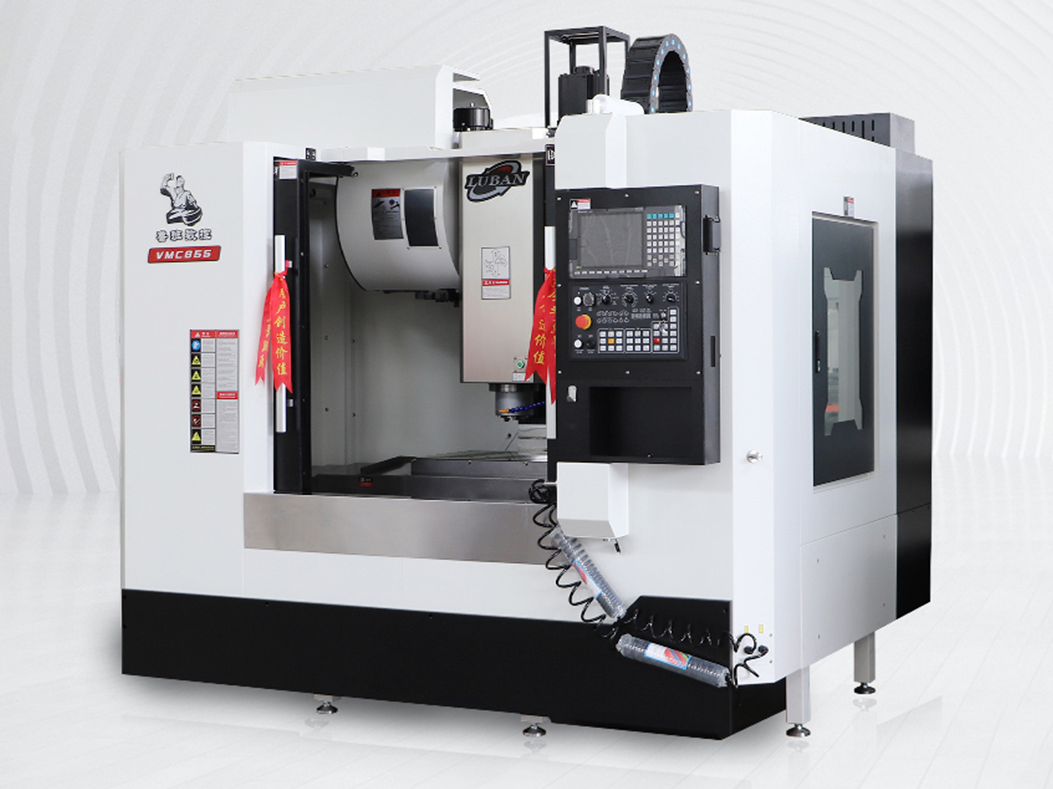
CNC machining centre
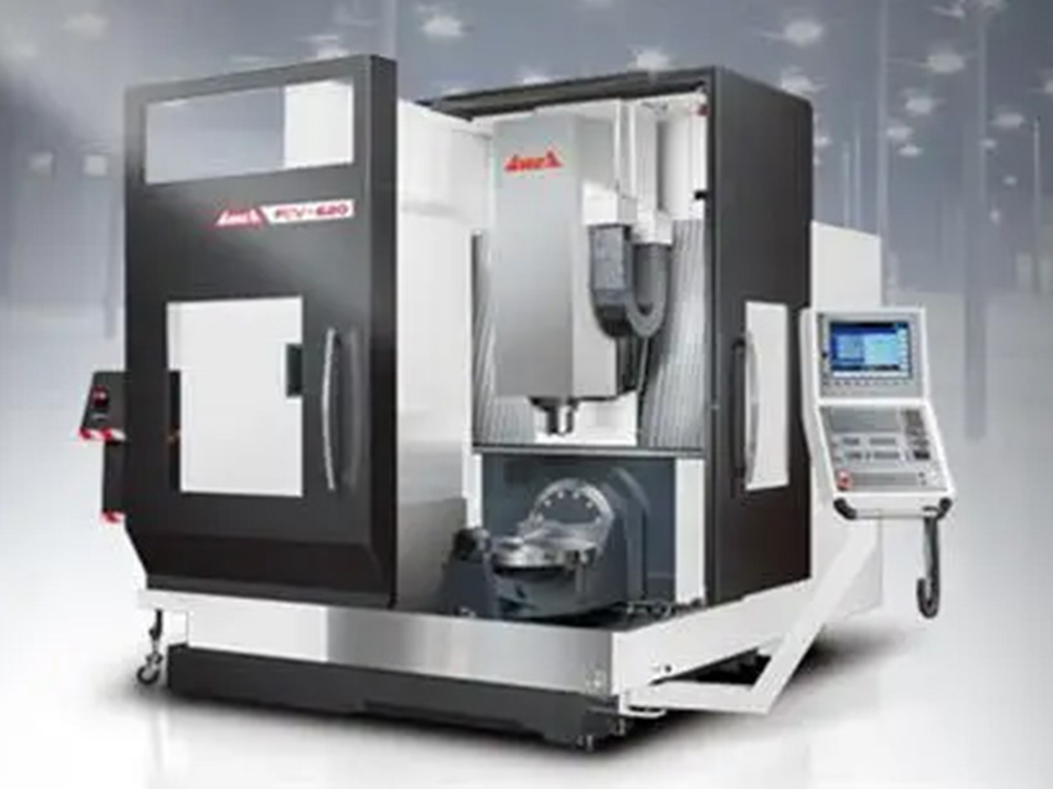
CNC machine tools
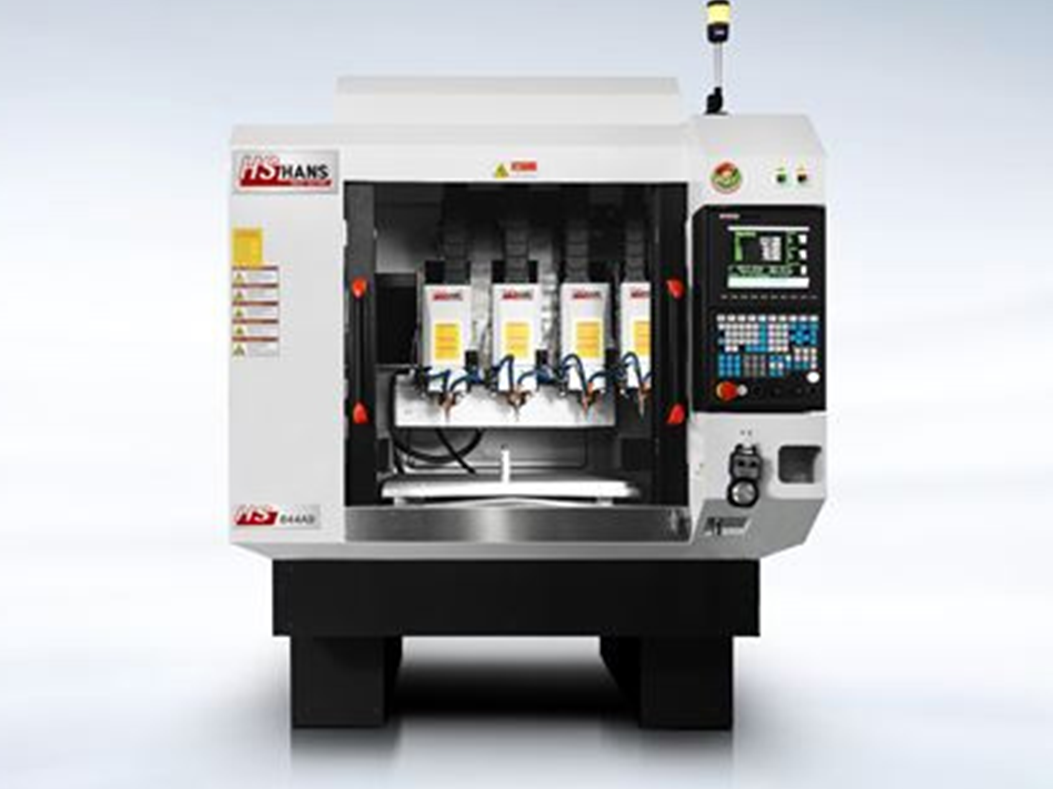
Carved machine
Factory Board
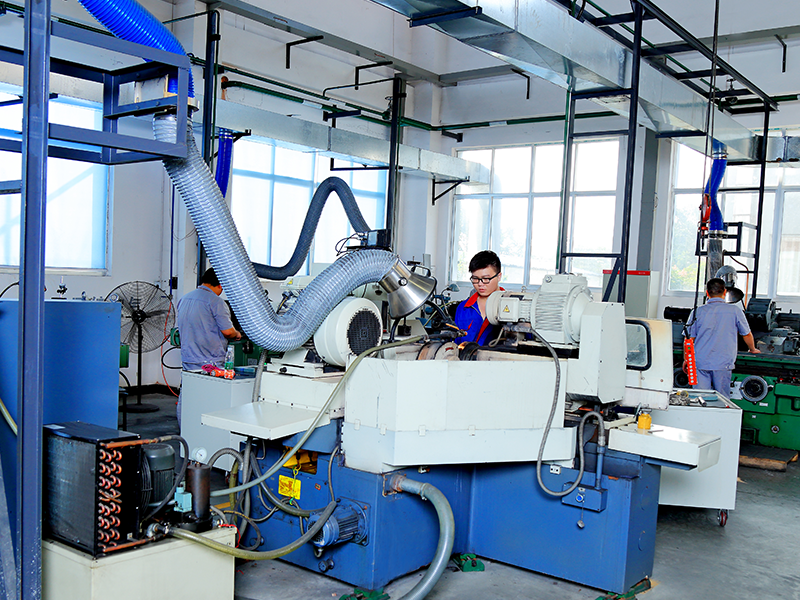
Factory Board

Factory Board
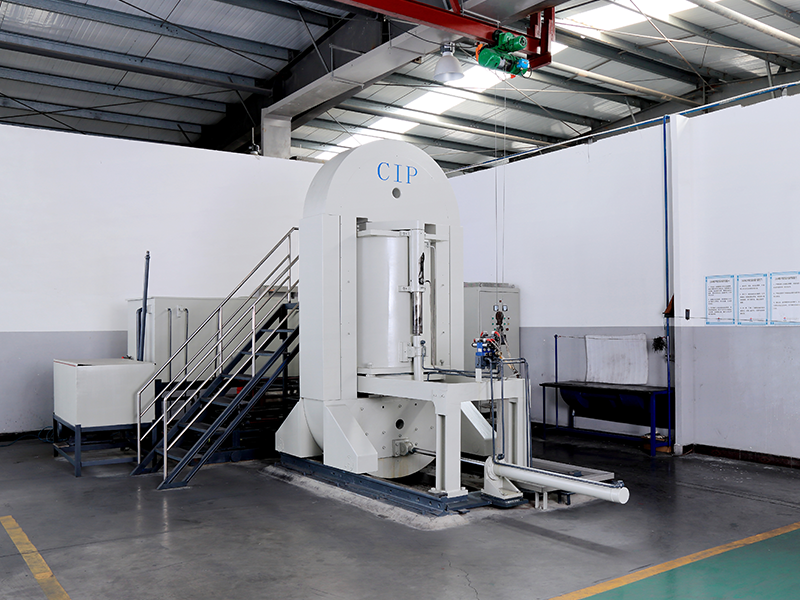
Factory Board
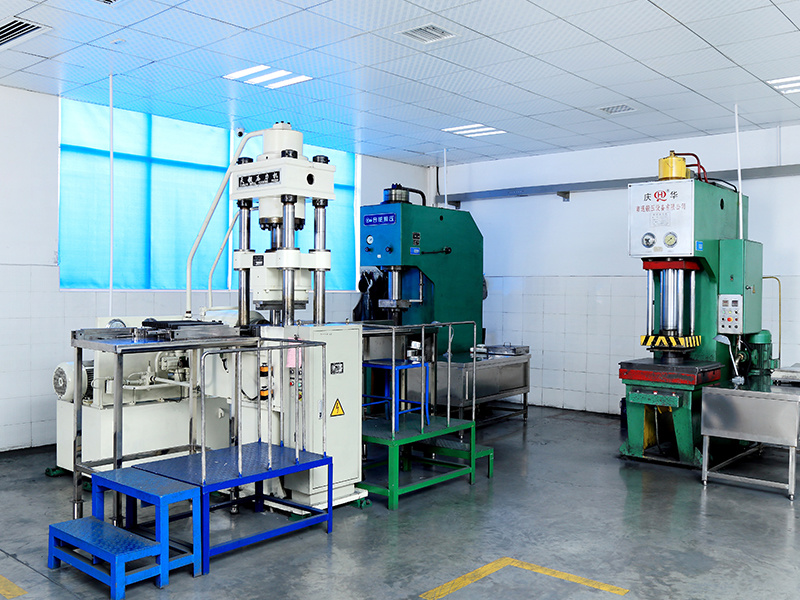
Factory Board
Recommended products


FAQ
2026-04-21
Common Issues in Machining Stainless Steel with Lizhou Turning Inserts
A detailed guide to LIZHOU cemented carbide turning inserts, covering naming conventions, types, selection of inserts specifically designed for roughing and finishing stainless steel, the differences between internal-bore and external-diameter inserts, and answers to frequently asked questions.
2026-04-21
Differences and Applications of Cobalt Drill Bits vs. Carbide Drill Bits
LiZhou Cemented Carbide provides a detailed comparison of cobalt-tipped drills and cemented carbide drills, covering material composition, hardness, tool life, suitable workpiece materials, and common issues to help you quickly select the right tool.
2026-03-31
What is the melting point of tungsten carbide? – Lizhou Cemented Carbide
This comprehensive analysis of Lizhou Cemented Carbide covers the melting point of tungsten carbide (2,870°C), a performance comparison, and industrial applications, explaining in detail why its high melting point makes cemented carbide highly resistant to high temperatures, wear, and deformation—making it ideally suited for tools, mining, steelmaking, and other demanding applications.
2026-03-28
How to Choose Positive and Negative Turning Inserts | LiZhou ISO Turning Tool Code Analysis
A Must-Read for Beginners! Lizhou Cemented Carbide Shows You How to Decode ISO Codes for Turning Inserts, Distinguish Between Positive- and Negative-Rake Inserts, Master the Three Key Selection Principles, and Resolve Common Issues Such as Poor Finish in Precision Turning and Work-Hardening When Machining Stainless Steel.
Hotline:
IPV4 / IPV6