


FAQ
TNMX peeling and turning blades
China Lizhou Hard Alloy Source Factory
Classification :
Turning insert
keyword:
lizhou




TNMX Turning Inserts: TNMX1106-2, TNMX1509-2, TNMX1508-L, TNMX1508-R
Advanced Carbide Tooling Solutions for Precision Turning
As a professional carbide manufacturer, our company is proud to present a high-performance range of TNMX turning inserts — specifically the TNMX1106-2, TNMX1509-2, TNMX1508-L, and TNMX1508-R. These products are designed to meet the rigorous demands of modern machining, offering superior wear resistance, cutting stability, and cost-effectiveness for industries such as automotive, aerospace, mold-making, and general engineering.
This article provides a comprehensive technical overview of these inserts, including their advantages, letter and numeric designation meanings, usage scenarios, features, cautions, and innovations.
Type | Basic Dimensions (mm) | PVD | CVD | ||||
L | I.C | S | D | R | LMP352 | LPC352 | |
T NMX1 106-2 | 11.6 | 15.875 | 6.35 | 6.35 | 1.6 |
| ○ |
TNMX1509-2 | 15.9 | 22.225 | 9.52 | 7.94 | 1.6 |
| ○ |
TNMX1508-L | 8.659 | 22 | 8.0 | 7.0 | 0.6 | ○ |
|
TNMG1508-R | 8.659 | 22 | 8.0 | 7.0 | 0.6 | ○ |
|
1. Understanding the TNMX Turning Insert Designation
Each code in TNMX1106-2, TNMX1509-2, TNMX1508-L, TNMX1508-R follows ISO standards and provides essential information:
T – Insert shape: Triangle (60° corners)
N – Relief angle: 0° relief (straight cutting edge, strong and stable)
M – Tolerance class: Medium tolerance, balancing precision and cost
X – Special geometry or cutting edge modification for performance
Numbers (e.g., 1106, 1509, 1508) – Provide dimensions such as insert size, thickness, and corner radius
Suffixes (-2, -L, -R):
-2: Two cutting edges or geometry style
-L / -R: Indicates left-hand or right-hand cutting insert orientation
This coding ensures that machinists can easily match the correct insert to their toolholder and application.

2. Key Advantages of Carbide TNMX Inserts
As a carbide manufacturer, we engineer TNMX inserts with premium tungsten carbide substrate and advanced PVD/CVD coatings. The main advantages include:
High Hardness & Wear Resistance
With a hardness rating exceeding 90 HRA, the inserts can withstand abrasive wear during continuous cutting.
Superior Heat Resistance
Coatings such as TiN, TiCN, Al₂O₃, or TiAlN extend tool life by resisting high cutting temperatures.
Excellent Toughness
Designed to resist chipping and breakage, especially in interrupted cuts.
Stable Cutting Performance
The triangular design with multiple edges provides consistent surface finishes and dimensional accuracy.
Cost Efficiency
Multi-edge inserts reduce tooling costs by maximizing usable edges.
Versatility Across Materials
Effective in turning steel, stainless steel, cast iron, non-ferrous alloys, and heat-resistant superalloys.
3. Dimensional and Geometric Parameters
TNMX1106-2
Size: 11mm insert, 6mm thickness
Application: General turning with strong edge stability
Special Geometry: Suitable for medium-depth cutting
TNMX1509-2
Size: 15mm insert, 9mm thickness
Application: Heavy-duty turning for large components
Cutting Role: Increased depth of cut and high feed rates
TNMX1508-L & TNMX1508-R
Size: 15mm insert, 8mm thickness
Handedness: Left-hand (-L) and Right-hand (-R) versions
Application: Optimized for turning setups requiring directional control
Feature: Ensures flexibility in complex operations or multi-axis lathes

4. Usage Scenarios
The TNMX inserts are widely applied in:
Automotive Industry
Precision machining of engine components, shafts, and brake parts.
Aerospace Industry
High-accuracy turning of titanium alloys and nickel-based alloys.
Mold and Die Industry
Precision turning of hardened steels and alloyed tool steels.
General Engineering
Used for shafts, flanges, gears, and custom components.
Heavy-Duty Machining
TNMX1509-2 excels in high-load operations, removing large material volumes efficiently.
5. Functions and Performance
Material Removal: Designed for both roughing and finishing operations.
Chip Control: Advanced chipbreaker designs ensure smooth evacuation and prevent tool breakage.
Surface Quality: Produces excellent surface finish, reducing the need for secondary operations.
Tool Life: Optimized geometry and coatings increase tool longevity under demanding conditions.

6. Features and Benefits
Multi-Edge Design: Multiple usable edges per insert increase productivity.
Versatile Geometry: Adapted for a wide range of cutting speeds and feeds.
Consistency: Uniform chip thickness and cutting pressure improve reliability.
Energy Efficiency: Stable cutting reduces vibration, minimizing machine wear and energy consumption.
Reduced Downtime: Longer tool life reduces tool change frequency.
7. Cautions for Use
To maximize performance and avoid premature insert failure, machinists should observe the following:
Proper Toolholder Matching
Ensure the correct insert seat and clamp system for stability.
Cutting Parameters
Follow recommended cutting speeds, feed rates, and depth of cut based on material and coating.
Coolant Application
Use cutting fluids for heat-sensitive materials to prolong tool life.
Insert Indexing
Rotate or replace inserts before reaching extreme wear to prevent damage to workpieces.
Avoid Overload
Prevent excessive depth of cut or feed rate that may cause insert fracture.

8. Technical and Patent Innovations
Our TNMX inserts are developed with proprietary technologies to enhance performance:
Nano-Coating Technology: Multilayer nano-structured coatings provide excellent heat and wear resistance.
Optimized Chipbreaker Geometry: Tailored for different materials to improve chip control and reduce cutting forces.
Grain Growth Control in Carbide Substrates: Ensures toughness while maintaining hardness.
Directional Cutting Inserts (-L and -R): Unique left-hand and right-hand options allow for flexible machining setups, an innovation not common in standard TNMX designs.
9. Why Choose Our TNMX Inserts?
Manufacturer Advantage: Direct carbide manufacturing ensures competitive pricing and consistent quality.
Customization Available: Coatings, chipbreaker designs, and substrate grades can be tailored.
Global Application: Proven performance in diverse industries across Asia, Europe, and the Americas.
ISO Certification: Compliance with international standards for safety and performance.
Previous page
Next page
Use equipment
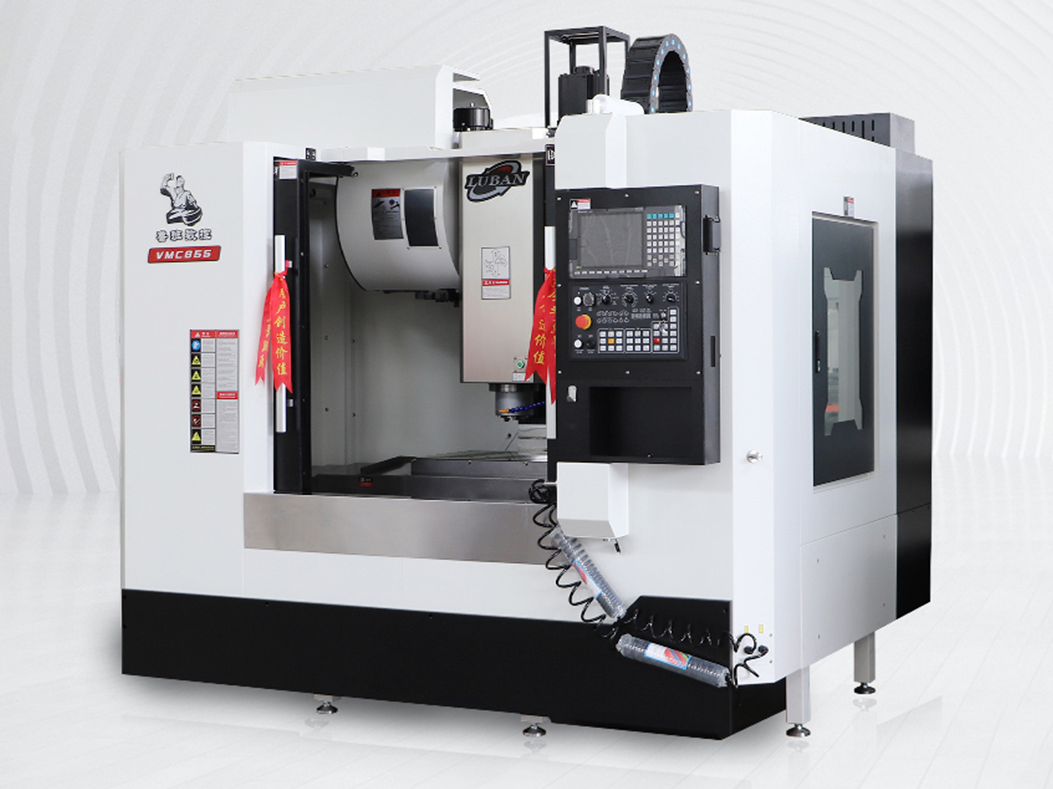
CNC machining centre
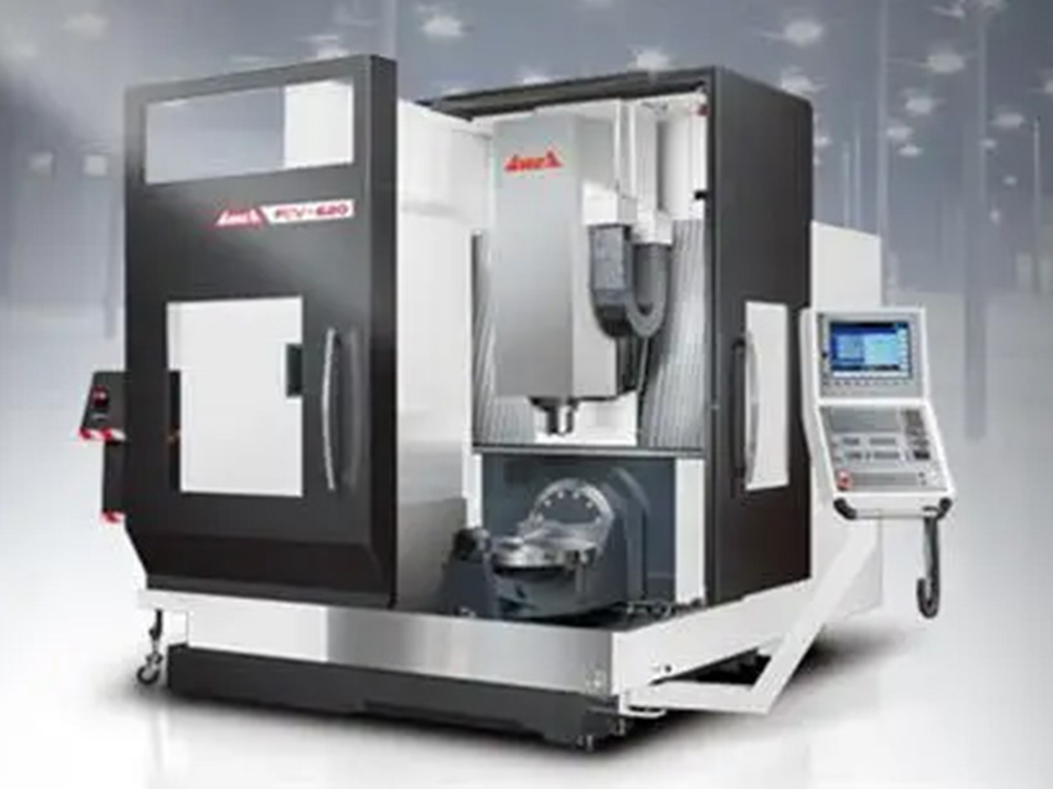
CNC machine tools
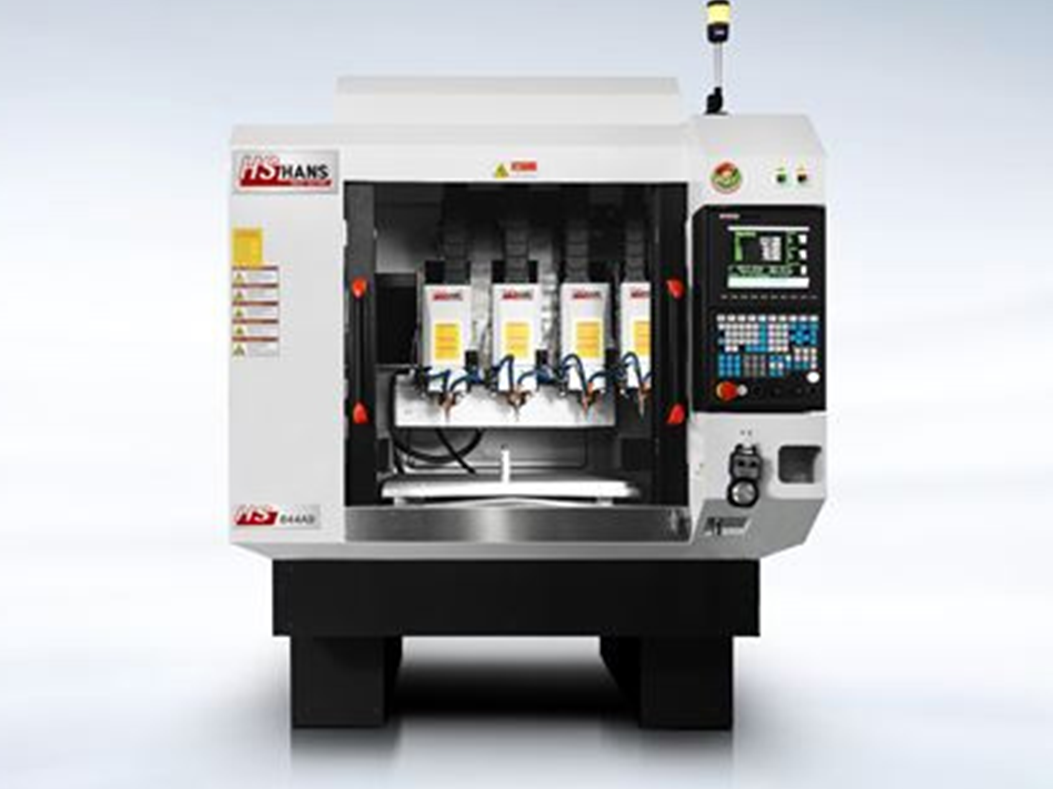
Carved machine
Factory Board
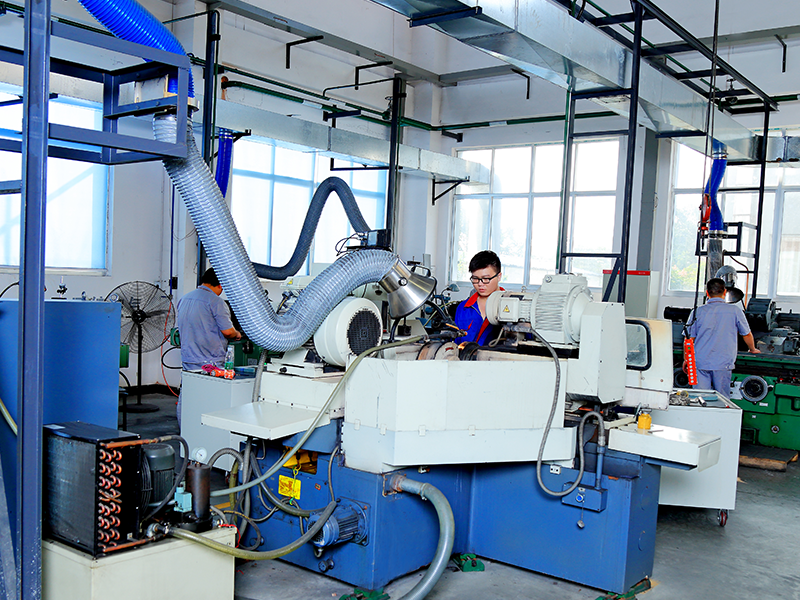
Factory Board
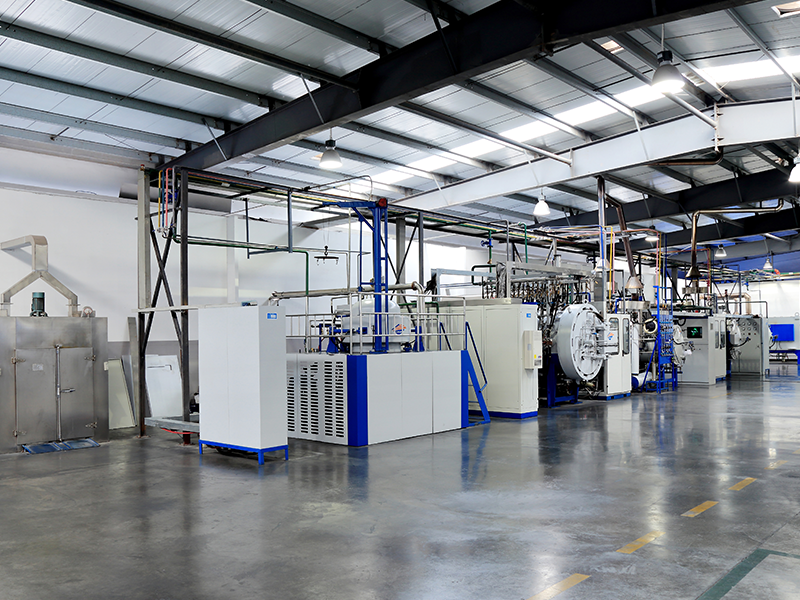
Factory Board
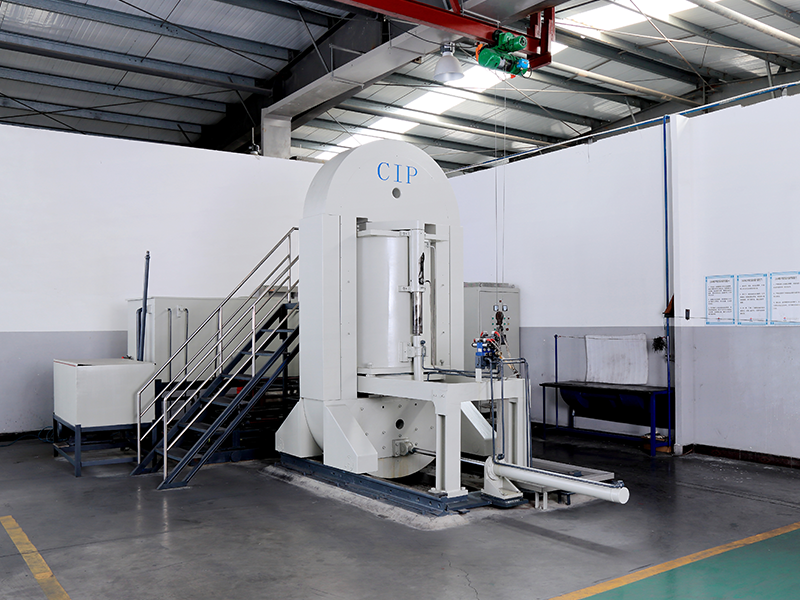
Factory Board
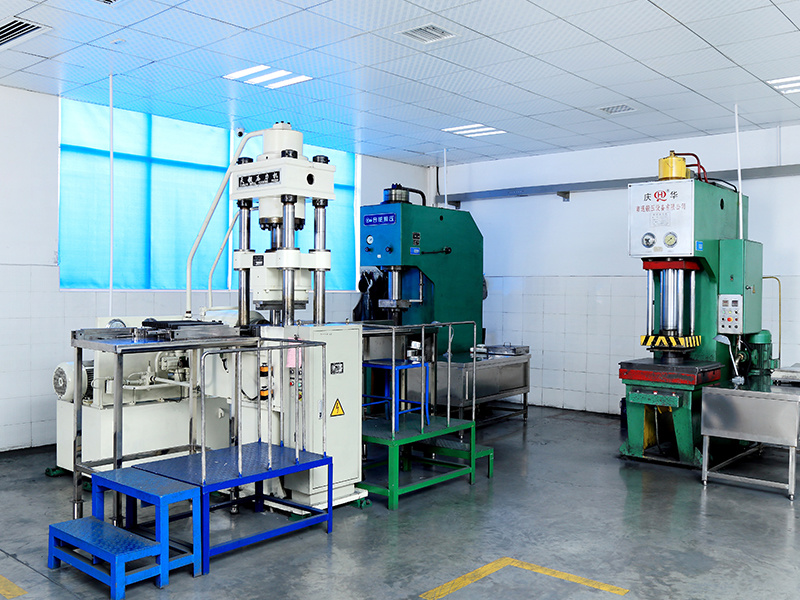
Factory Board
Recommended products


FAQ
2026-04-21
Common Issues in Machining Stainless Steel with Lizhou Turning Inserts
A detailed guide to LIZHOU cemented carbide turning inserts, covering naming conventions, types, selection of inserts specifically designed for roughing and finishing stainless steel, the differences between internal-bore and external-diameter inserts, and answers to frequently asked questions.
2026-04-21
Differences and Applications of Cobalt Drill Bits vs. Carbide Drill Bits
LiZhou Cemented Carbide provides a detailed comparison of cobalt-tipped drills and cemented carbide drills, covering material composition, hardness, tool life, suitable workpiece materials, and common issues to help you quickly select the right tool.
2026-03-31
What is the melting point of tungsten carbide? – Lizhou Cemented Carbide
This comprehensive analysis of Lizhou Cemented Carbide covers the melting point of tungsten carbide (2,870°C), a performance comparison, and industrial applications, explaining in detail why its high melting point makes cemented carbide highly resistant to high temperatures, wear, and deformation—making it ideally suited for tools, mining, steelmaking, and other demanding applications.
2026-03-28
How to Choose Positive and Negative Turning Inserts | LiZhou ISO Turning Tool Code Analysis
A Must-Read for Beginners! Lizhou Cemented Carbide Shows You How to Decode ISO Codes for Turning Inserts, Distinguish Between Positive- and Negative-Rake Inserts, Master the Three Key Selection Principles, and Resolve Common Issues Such as Poor Finish in Precision Turning and Work-Hardening When Machining Stainless Steel.
Hotline:
IPV4 / IPV6