


FAQ
CNMG-TM\TSF steel workpiece turning insert
China Lizhou Hard Alloy Source Factory
Product Name:Steel turning insert
Coating : PVD
Brand number:LMP202\102
Classification :
Turning insert
keyword:
lizhou




CNMG120408R-TM/TSF Carbide Turning Inserts: Comprehensive Product Guide
As a carbide manufacturer with decades of expertise, we are proud to present our CNMG120408R-TM and CNMG120408R-TSF carbide turning inserts. These inserts represent a blend of precision engineering, premium-grade carbide material, and advanced chip-breaking designs tailored for modern machining requirements. In this article, we will analyze their advantages, coding meaning, dimensions, applications, features, precautions, and innovative technologies, providing a complete reference for industries looking to optimize cutting performance.
Type | Basic dimensions (mm) | Cutting data | CVD | |||||||
I.C | S | D | R | Cutting depth (mm) | Feed ( mm/tooth ) | LPC102 | LPC202 | LPC302 | LPC352 | |
CNMG120404-TM | 12.70 | 4.76 | 5.16 | 0.4 | 1.20-5.00 | 0.15-0.50 |
| ⚪ |
|
|
CNMG120408-TM | 12.70 | 4.76 | 5.16 | 0.8 | 1.20-5.00 | 0.15-0.50 |
| ⚪ |
|
|
CNMG120412-TM | 12.70 | 4.76 | 5.16 | 1.2 | 1.20-5.00 | 0.15-0.50 |
| ⚪ |
|
|
CNMG120404-TSF | 12.70 | 4.76 | 5.16 | 0.4 | 0.20-1.50 | 0.05-0.40 | ⚪ |
|
|
|
CNMG120408-TSF | 12.70 | 4.76 | 5.16 | 0.8 | 0.20-1.50 | 0.08-0.40 | ⚪ |
|
|
|
CNMG120412-TSF | 12.70 | 4.76 | 5.16 | 1.2 | 0.20-1.50 | 0.10-0.40 | ⚪ |
|
|
|
1. Understanding the Insert Code: CNMG120408R
Each letter and number in CNMG120408R provides crucial information about the insert’s geometry, tolerance, and size.
C – Insert shape: Rhombic 80° diamond shape, highly versatile for general turning.
N – Relief angle: 0°, strong edge support and durability, suitable for heavy or interrupted cuts.
M – Tolerance: Medium tolerance, balancing precision with production efficiency.
G – Type of insert: Single-sided, with hole and chipbreaker, common in turning applications.
12 – Insert size: Length of the cutting edge in millimeters (12 mm).
04 – Insert thickness: 4 mm, ensuring rigidity during operations.
08 – Nose radius: 0.8 mm, balancing cutting edge strength with surface finish quality.
R – Insert corner designation: Right-hand cutting orientation.
The suffixes indicate chipbreaker and cutting conditions:
TM – A universal chipbreaker for medium cutting conditions, designed for stable chip control.
TSF – A chipbreaker optimized for finishing operations, enabling fine surface quality.

2. Material Advantages of Carbide Inserts
Carbide inserts like CNMG120408R-TM/TSF provide superior performance compared to high-speed steel (HSS) or ceramic alternatives:
High hardness (90+ HRA) – Ensures cutting efficiency against hardened steels and alloys.
Excellent wear resistance – Prolongs tool life in continuous and interrupted cuts.
Heat resistance – Withstands high cutting speeds without losing strength.
Toughness balance – Maintains durability against impact loads in interrupted machining.
Coating technology (CVD/PVD) – Enhances oxidation resistance, reduces friction, and improves overall insert lifespan.
3. Applications and Industries
The CNMG120408R-TM and TSF are designed for steel, stainless steel, and cast iron machining, covering a wide range of applications:
Automotive industry – Shafts, gears, engine components, and housings.
Aerospace – Precision turning of heat-resistant alloys.
Heavy machinery – Large-scale turning of castings and forged parts.
Oil & gas – Durable turning for hard alloys and stainless steels.
General manufacturing – Universal use in lathes and CNC turning centers.

4. TM vs. TSF: Choosing the Right Insert
CNMG120408R-TM:
Best for medium cutting depths (1–4 mm).
Excellent chip control in continuous and light-interrupted cuts.
Balanced edge sharpness and toughness.
Ideal for roughing and semi-finishing operations.
CNMG120408R-TSF:
Optimized for fine finishing operations.
Produces superior surface finishes with precise chip evacuation.
Works best at shallow cutting depths (0.2–1.5 mm).
Preferred when dimensional accuracy and smoothness are critical.
5. Technical Features and Benefits
Chipbreaker design – Ensures smooth chip evacuation, preventing tool damage.
Low cutting resistance – Reduces energy consumption and extends machine spindle life.
Versatile geometry – Applicable for both continuous and interrupted cutting.
Improved surface quality – Achieves Ra values as low as 0.8 µm under finishing conditions.
Reduced downtime – Longer tool life means fewer tool changes, lowering overall machining cost.

6. Precautions for Use
To maximize performance and avoid premature wear:
Match insert to application: Use TM for medium cutting, TSF for finishing.
Select correct cutting parameters:
Cutting speed (Vc): 150–300 m/min depending on material.
Feed rate (f): 0.1–0.35 mm/rev (TM) / 0.05–0.15 mm/rev (TSF).
Depth of cut (ap): 0.2–4 mm.
Coolant usage: Apply high-pressure coolant for stainless steel and difficult alloys.
Avoid built-up edge: Ensure sharpness by checking tool wear regularly.
Secure clamping: Improper clamping can lead to vibrations and poor surface finish.
7. Technological and Patent Innovations
Our CNMG series inserts integrate advanced innovations:
Nano-composite coatings – Multi-layer coatings for high wear and heat resistance.
Optimized chip groove design – Patented chipbreaker profiles minimize chip entanglement.
Edge preparation technology – Micro-edge honing reduces chipping risk.
Grain refinement in carbide substrate – Ensures strength and toughness balance.
Environmental performance – Coating processes reduce harmful emissions.
8. Competitive Advantages
Compared to conventional turning inserts, CNMG120408R-TM and TSF offer:
30–50% longer tool life under standard cutting conditions.
Superior chip control across a wide range of speeds and feeds.
Cost-effectiveness due to fewer tool changes.
Consistency in quality across large production batches.
Conclusion
The CNMG120408R-TM and CNMG120408R-TSF carbide inserts stand as a reliable solution for industries requiring precision, durability, and versatility in metal cutting. Whether in medium cutting (TM) or finishing (TSF), these inserts deliver optimal chip control, long tool life, and outstanding surface finishes. With our in-house carbide production expertise and technological innovations, we ensure inserts that help manufacturers reduce costs while maintaining high productivity.
If your business requires premium-grade turning solutions, our CNMG120408R series is designed to meet the demands of both general machining and high-performance industrial applications.
Previous page
Next page
Use equipment
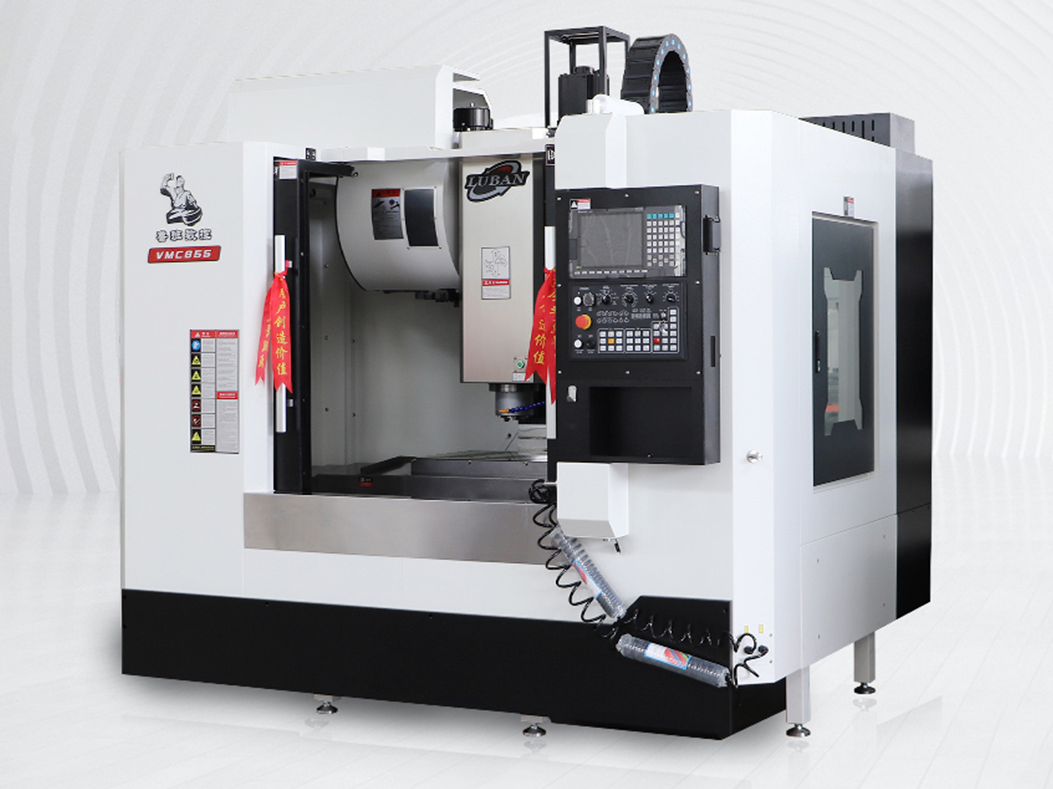
CNC machining centre
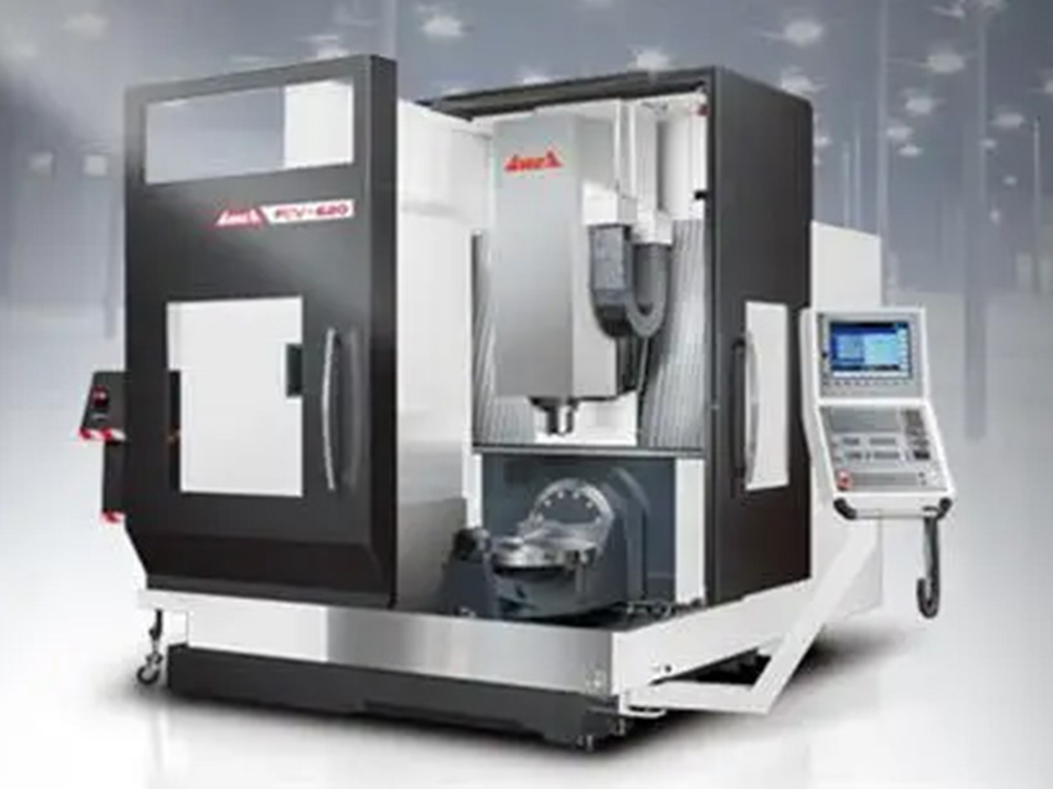
CNC machine tools
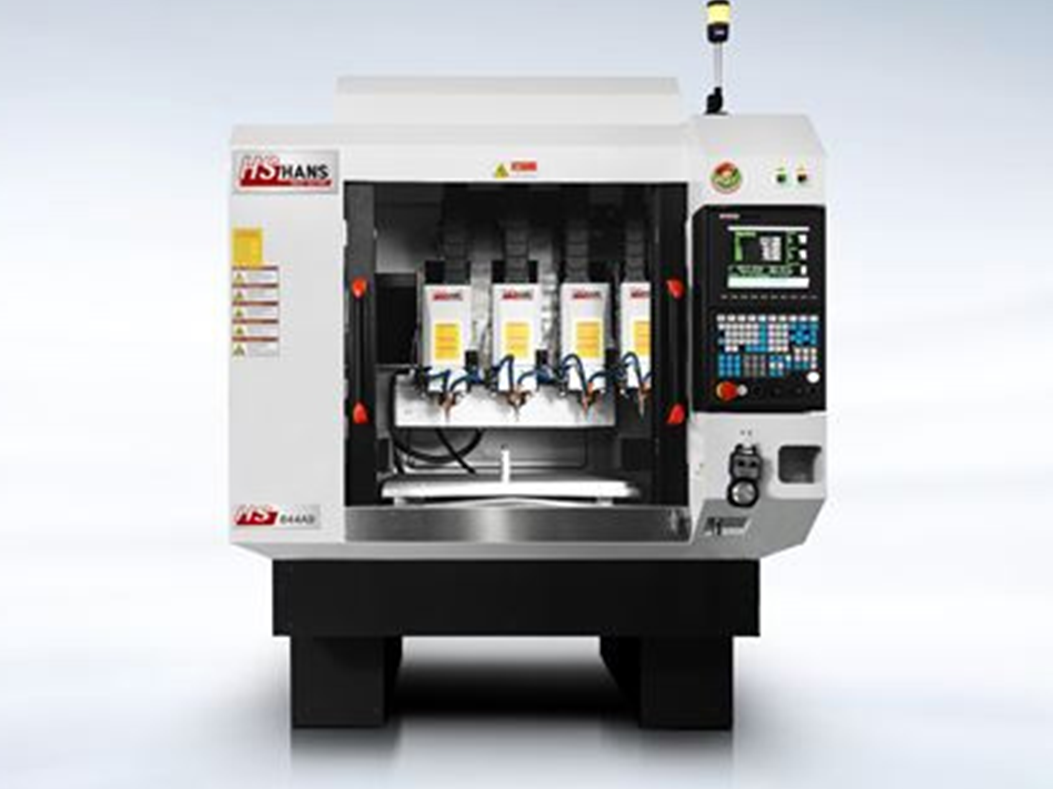
Carved machine
Factory Board
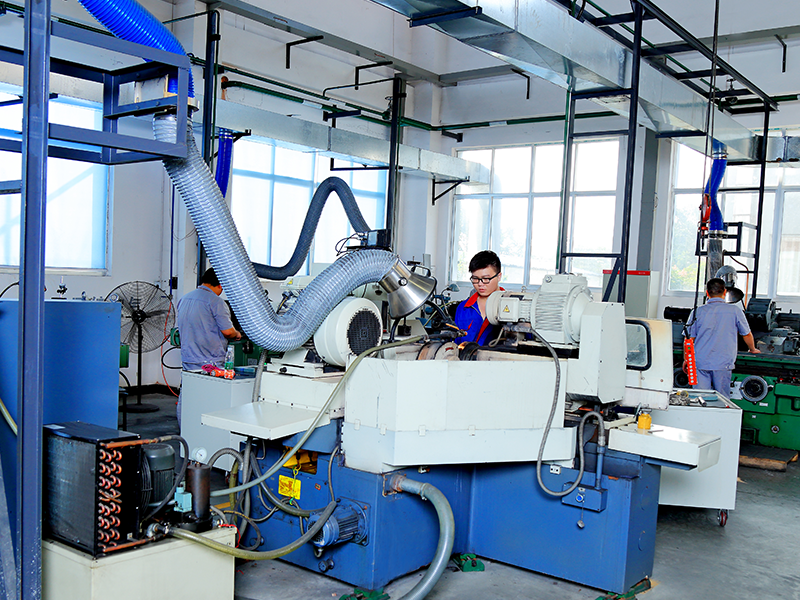
Factory Board

Factory Board
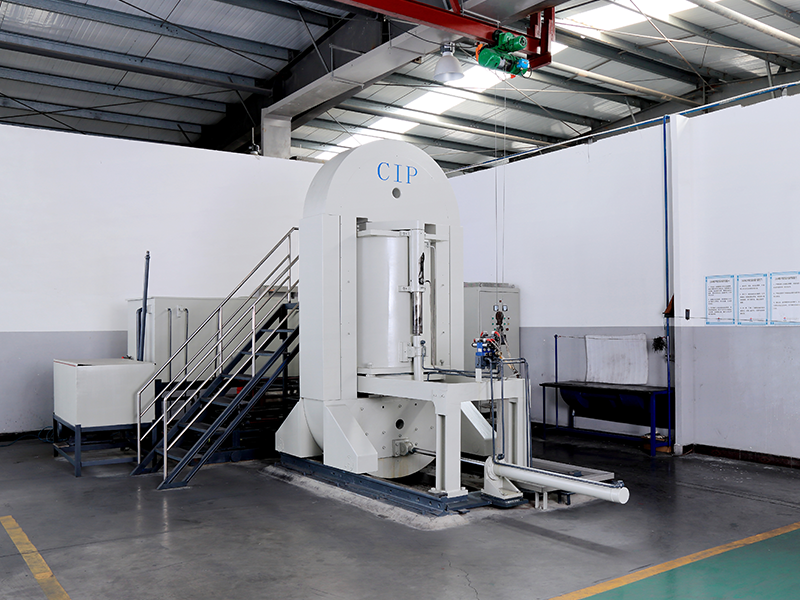
Factory Board
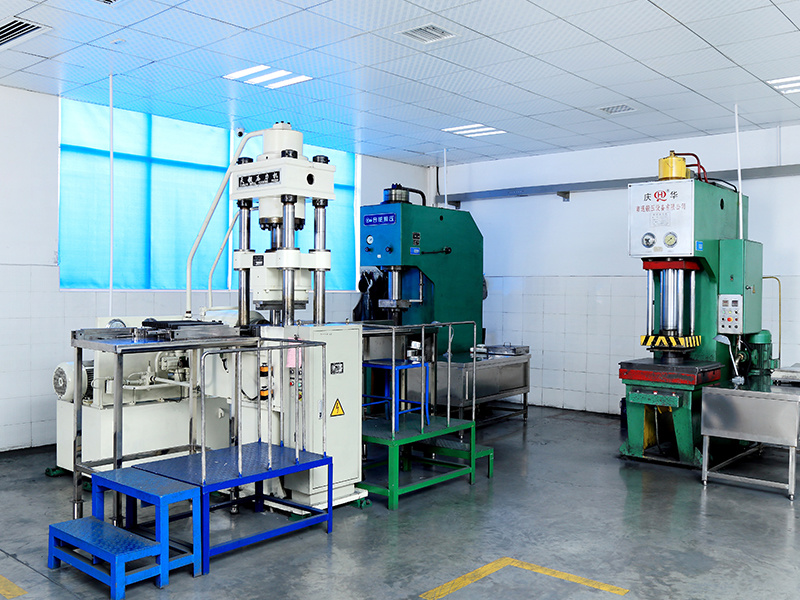
Factory Board
Recommended products


FAQ
2026-04-21
Common Issues in Machining Stainless Steel with Lizhou Turning Inserts
A detailed guide to LIZHOU cemented carbide turning inserts, covering naming conventions, types, selection of inserts specifically designed for roughing and finishing stainless steel, the differences between internal-bore and external-diameter inserts, and answers to frequently asked questions.
2026-04-21
Differences and Applications of Cobalt Drill Bits vs. Carbide Drill Bits
LiZhou Cemented Carbide provides a detailed comparison of cobalt-tipped drills and cemented carbide drills, covering material composition, hardness, tool life, suitable workpiece materials, and common issues to help you quickly select the right tool.
2026-03-31
What is the melting point of tungsten carbide? – Lizhou Cemented Carbide
This comprehensive analysis of Lizhou Cemented Carbide covers the melting point of tungsten carbide (2,870°C), a performance comparison, and industrial applications, explaining in detail why its high melting point makes cemented carbide highly resistant to high temperatures, wear, and deformation—making it ideally suited for tools, mining, steelmaking, and other demanding applications.
2026-03-28
How to Choose Positive and Negative Turning Inserts | LiZhou ISO Turning Tool Code Analysis
A Must-Read for Beginners! Lizhou Cemented Carbide Shows You How to Decode ISO Codes for Turning Inserts, Distinguish Between Positive- and Negative-Rake Inserts, Master the Three Key Selection Principles, and Resolve Common Issues Such as Poor Finish in Precision Turning and Work-Hardening When Machining Stainless Steel.
Hotline:
IPV4 / IPV6