


FAQ
VCMT general purpose turning tool
China Lizhou Hard Alloy Source Factory
Product Name:Diamond universal turning tool
Coating : PVD
Brand number:LMP202
Classification :
Turning insert
keyword:
lizhou




VCMT Turning Inserts: VCMT110304, VCMT160404, VCMT160408
High-Performance Carbide Inserts for Precision Turning Applications
As a professional carbide manufacturer, we provide world-class cutting solutions for CNC machining. Among our most popular products are the VCMT carbide turning inserts, including VCMT110304, VCMT160404, and VCMT160408. These inserts are widely used for finishing and semi-finishing operations on steel, stainless steel, cast iron, and non-ferrous materials. With superior wear resistance, edge sharpness, and surface finish capability, VCMT inserts are trusted in industries such as automotive, aerospace, mold-making, and precision engineering.
This article explains:
The meaning of VCMT codes (letters and numbers)
Performance analysis and carbide material advantages
Dimensional parameters of VCMT110304, VCMT160404, VCMT160408
Application scenarios and functions
Key features and benefits
Usage precautions for maximum efficiency
Technical innovations and patents in insert development
Type | Basic Dimensions (mm) | Cutting Data | PVD | CVD | |||||
I.C | S | D | R | Cutting Depth (mm) | Feed ( mm/tooth ) | LMP202 | LKC202 | LPC202 | |
VCMT 110304 | 6.35 | 3.18 | 2.80 | 0.4 | 0.50-2.00 | 0.05-0.25 | ⚪ |
|
|
VCMT 160404 | 9.525 | 4.76 | 4.40 | 0.4 | 1.00-3.00 | 0.07-0.25 | ⚪ |
|
|
VCMT 160408 | 9.525 | 4.76 | 4.40 | 0.8 | 1.00-3.00 | 0.07-0.25 | ⚪ |
|
|
1. Understanding the VCMT Designation
The designation VCMT follows ISO standards for indexable turning inserts:
V – Insert shape: 35° diamond (excellent for profiling, turning, and finishing)
C – Relief angle: 7° clearance (provides sharp cutting edge and lower cutting forces)
M – Tolerance class: Medium tolerance, ensuring balance between precision and economy
T – Type of chipbreaker / clamping system
Number Interpretation
The numbers after VCMT define size, thickness, and nose radius.
VCMT110304
11 = Cutting edge length (~11mm)
03 = Insert thickness (~3.97mm)
04 = Nose radius (0.4mm)
VCMT160404
16 = Cutting edge length (~16mm)
04 = Insert thickness (~4.76mm)
04 = Nose radius (0.4mm)
VCMT160408
16 = Cutting edge length (~16mm)
04 = Insert thickness (~4.76mm)
08 = Nose radius (0.8mm, stronger edge for higher feeds)
This clear coding system helps machinists choose the correct insert for their operation based on component size, cutting depth, and required surface finish.

2. Advantages of Carbide VCMT Inserts
Being a hard alloy (cemented carbide) manufacturer, we use premium tungsten carbide substrates combined with advanced coatings. The main advantages include:
High Hardness & Wear Resistance
Over 90 HRA hardness, resists abrasive wear during high-speed cutting.
Thermal Stability
Withstand cutting temperatures above 800°C when coated with TiAlN or Al₂O₃ layers.
Sharp Cutting Edge
Positive rake angle reduces cutting forces, ideal for finishing operations.
Excellent Surface Finish
Especially effective for precision machining of stainless steel and non-ferrous alloys.
Chip Control
Special chipbreaker geometry prevents built-up edge (BUE).
Versatility
Suitable for steel, stainless steel, cast iron, aluminum, copper, and exotic alloys.
3. Dimensional Parameters
VCMT110304
Cutting edge length: 11mm
Thickness: 3.97mm
Nose radius: 0.4mm
Application: Small components, fine finishing
VCMT160404
Cutting edge length: 16mm
Thickness: 4.76mm
Nose radius: 0.4mm
Application: General finishing and semi-finishing
VCMT160408
Cutting edge length: 16mm
Thickness: 4.76mm
Nose radius: 0.8mm
Application: Medium cutting, stronger edge for durability and higher feeds

4. Usage Scenarios
Automotive Industry
Turning of shafts, pistons, gears, and transmission parts.
Aerospace Engineering
Machining titanium and nickel alloys with superior stability.
Energy & Oil Industry
Turning turbine components, pipes, and drilling parts.
Mold and Die Manufacturing
Finishing hardened steels for high precision molds.
General Precision Engineering
Producing custom parts with strict tolerance requirements.
5. Functions and Applications
External Turning: Smooth finishing of shafts and cylindrical parts.
Profiling: Accurate contouring with 35° diamond geometry.
Boring and Facing: Internal operations where chip evacuation is critical.
Semi-Finishing & Finishing: Achieves superior surface quality at optimized speeds and feeds.

6. Features and Benefits
35° Diamond Shape: Excellent for profiling and narrow turning angles.
Sharp Cutting Edge: Reduces cutting force and heat generation.
Multiple Nose Radius Options: Choose 0.4mm for fine finishing or 0.8mm for robustness.
Versatile Material Compatibility: Works on steel, stainless steel, cast iron, and aluminum.
Optimized Chipbreakers: Reduce tool wear and enhance stability.
7. Precautions for Use
Correct Holder Selection
Use matching ISO-standard toolholders for VCMT inserts.
Optimized Cutting Parameters
Adjust cutting speed and feed depending on workpiece material.
Example: Higher speeds for aluminum, lower feeds for stainless steel.
Coolant Application
Essential for stainless steel and superalloys to prevent thermal cracks.
Indexing & Rotation
Replace insert edges before excessive wear to prevent dimensional inaccuracies.
Avoid Overloading
Heavy depths of cut may chip sharp edges; select correct nose radius for stability.

8. Technical and Patent Innovations
Our VCMT carbide inserts integrate cutting-edge technologies:
Nano Coating Technology: Multi-layer coatings enhance wear and heat resistance.
Fine-Grain Carbide Substrate: Provides balance between toughness and hardness.
Optimized Chipbreaker Design: Prevents chip jamming and improves tool life.
Customized Grades: Different carbide grades tailored for steel, cast iron, or aluminum.
9. Why Choose Our VCMT Inserts?
Manufacturer Direct Supply – Lower cost and stable quality.
ISO Standard Compliance – Fits a wide range of CNC lathes and toolholders.
Extended Tool Life – Reduce tool changes and increase production efficiency.
Global Recognition – Used by clients in automotive, aerospace, and energy sectors.
Customizable Solutions – Inserts can be tailored to your exact cutting needs.
Previous page
Next page
Use equipment
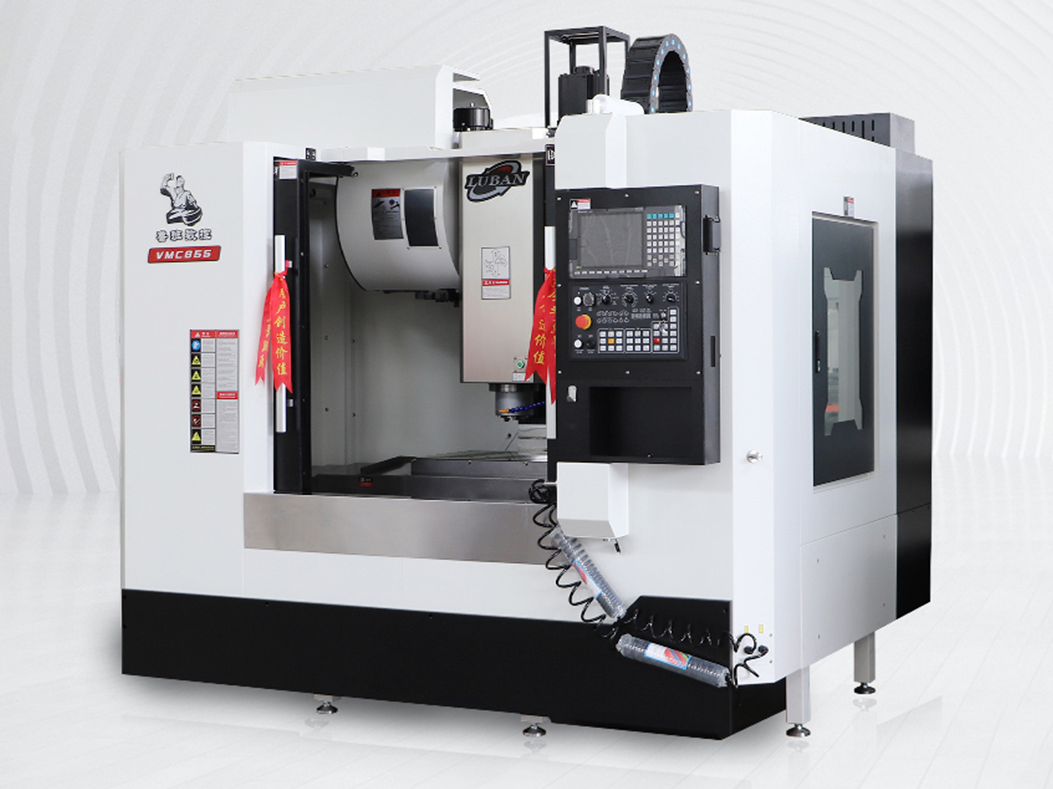
CNC machining centre
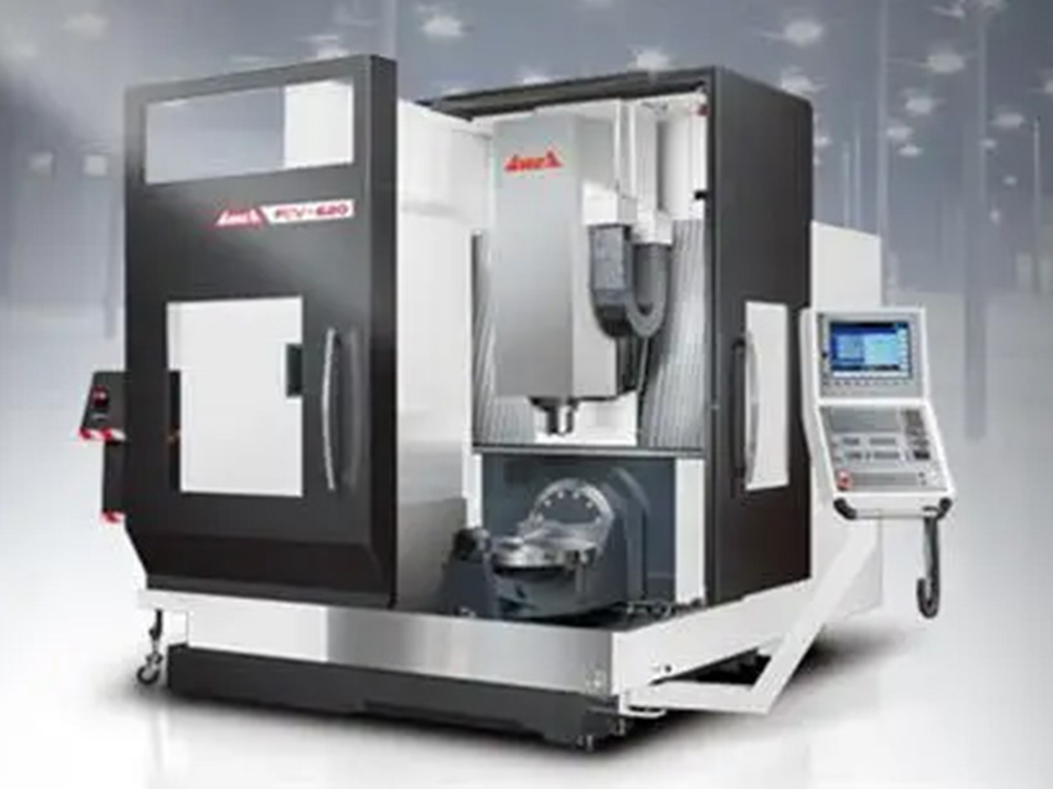
CNC machine tools
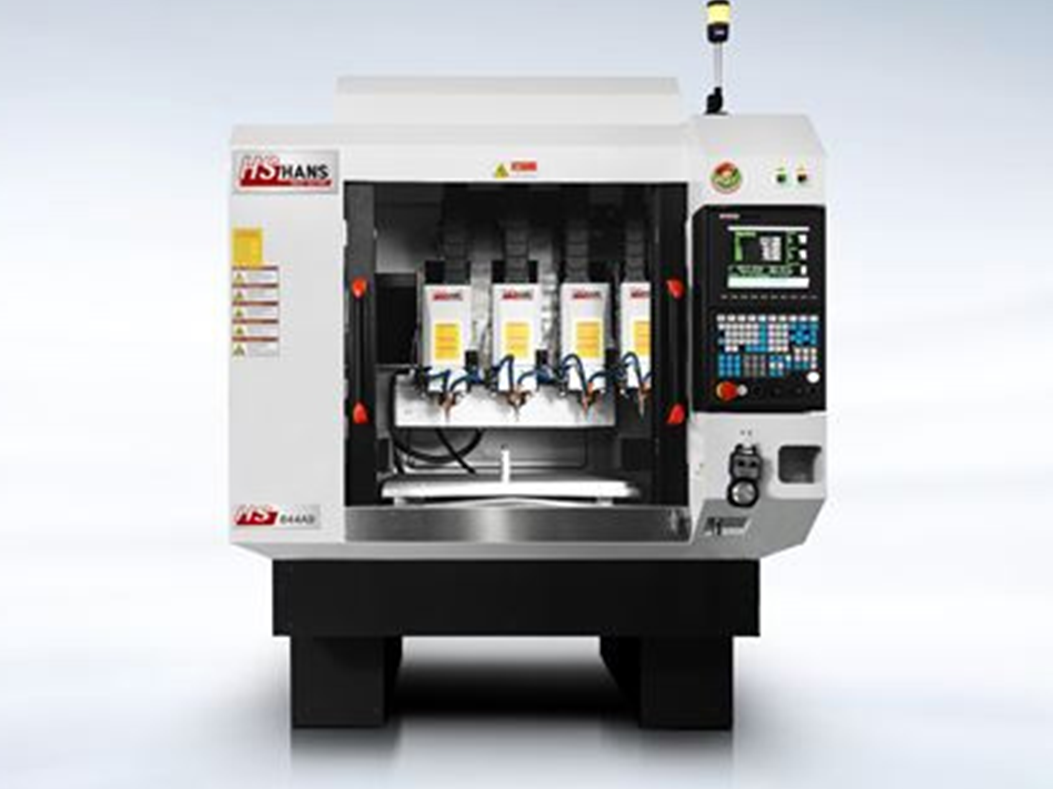
Carved machine
Factory Board

Factory Board

Factory Board
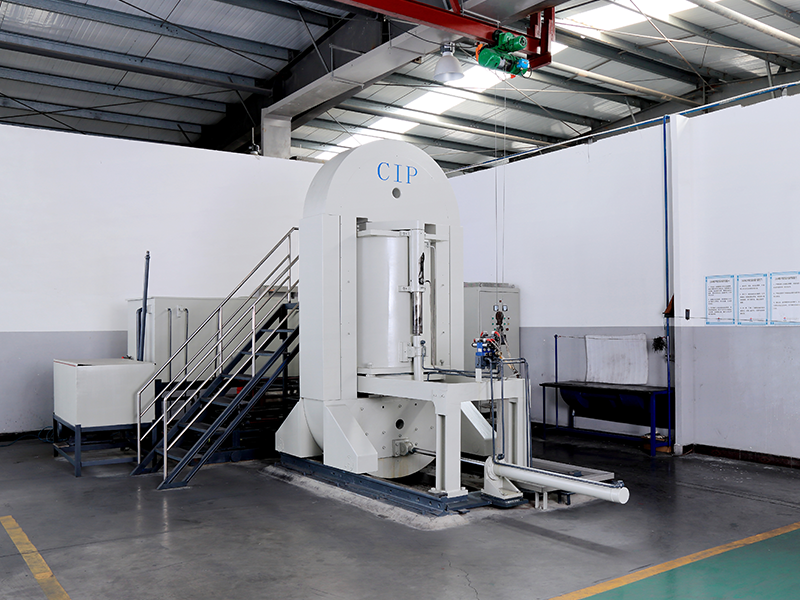
Factory Board
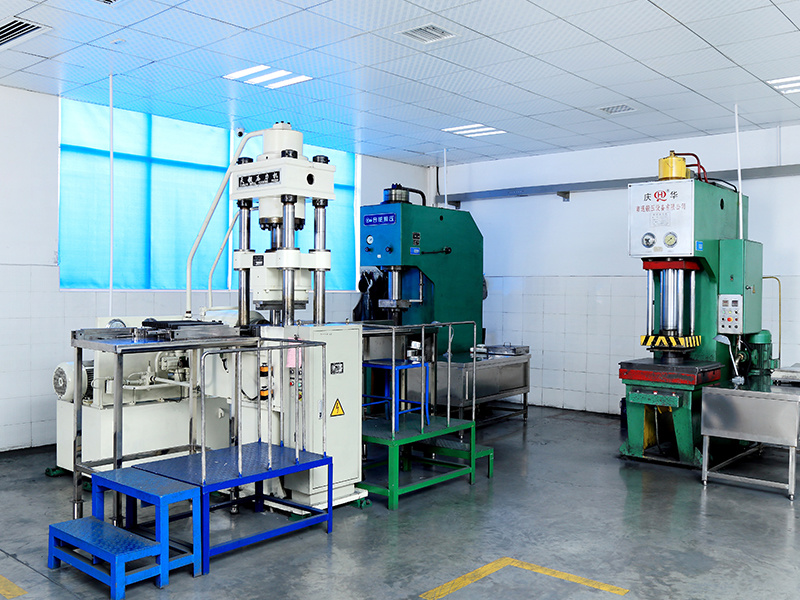
Factory Board
Recommended products


FAQ
2026-04-21
Common Issues in Machining Stainless Steel with Lizhou Turning Inserts
A detailed guide to LIZHOU cemented carbide turning inserts, covering naming conventions, types, selection of inserts specifically designed for roughing and finishing stainless steel, the differences between internal-bore and external-diameter inserts, and answers to frequently asked questions.
2026-04-21
Differences and Applications of Cobalt Drill Bits vs. Carbide Drill Bits
LiZhou Cemented Carbide provides a detailed comparison of cobalt-tipped drills and cemented carbide drills, covering material composition, hardness, tool life, suitable workpiece materials, and common issues to help you quickly select the right tool.
2026-03-31
What is the melting point of tungsten carbide? – Lizhou Cemented Carbide
This comprehensive analysis of Lizhou Cemented Carbide covers the melting point of tungsten carbide (2,870°C), a performance comparison, and industrial applications, explaining in detail why its high melting point makes cemented carbide highly resistant to high temperatures, wear, and deformation—making it ideally suited for tools, mining, steelmaking, and other demanding applications.
2026-03-28
How to Choose Positive and Negative Turning Inserts | LiZhou ISO Turning Tool Code Analysis
A Must-Read for Beginners! Lizhou Cemented Carbide Shows You How to Decode ISO Codes for Turning Inserts, Distinguish Between Positive- and Negative-Rake Inserts, Master the Three Key Selection Principles, and Resolve Common Issues Such as Poor Finish in Precision Turning and Work-Hardening When Machining Stainless Steel.
Hotline:
IPV4 / IPV6