


FAQ
SCMT square general turning insert
China Lizhou Hard Alloy Source Factory
Product Name:Steel Square Turning Inserts
Coating : PVD
Brand number:LMP202
Classification :
Turning insert
keyword:
lizhou




SCMT09T304 and SCMT120408 Carbide Turning Inserts: Precision, Strength, and Reliability for Modern Machining
Introduction
In the world of precision machining, the choice of cutting tools determines the quality, efficiency, and cost-effectiveness of production. Among the most reliable and widely adopted solutions are carbide turning inserts. These inserts combine durability with high-performance cutting capabilities, making them indispensable in industries ranging from automotive and aerospace to energy, heavy machinery, and general engineering.
Two such products that stand out in our portfolio are the SCMT09T304 and SCMT120408 carbide turning inserts. Designed to handle a variety of materials and machining conditions, they represent the perfect balance of cutting-edge engineering and practical usability.
This article explores their advantages, letter and numerical designations, technical parameters, applications, features, precautions, and innovations—providing a comprehensive guide for procurement specialists, machinists, and engineers.
Type | Basic Dimensions (mm) | Cutting Data | PVD | CVD | |||||
I.C | S | D | R | Cutting Depth (mm) | Feed ( mm/tooth ) | LMP202 | LKC202 | LPC202 | |
SCMT 09T304 | 9.525 | 3.97 | 2.80 | 0.2 | 0.20-2.30 | 0.05-0.10 | ⚪ |
|
|
SCMT 09T308 | 9.525 | 3.97 | 2.80 | 0.4 | 0.40-2.30 | 0.05-0.20 | ⚪ |
|
|
SCMT 120404 | 12.7 | 4.76 | 5.50 | 0.8 | 0.80-2.30 | 0.10-0.35 | ⚪ |
|
|
SCMT 120408 | 12.7 | 4.76 | 5.50 | 0.4 | 0.40-2.30 | 0.05-0.20 | ⚪ |
|
|
1. Advantages of Carbide Inserts
Carbide inserts like the SCMT09T304 and SCMT120408 offer multiple benefits over traditional high-speed steel or ceramic cutting tools:
Exceptional Hardness
Made from tungsten carbide, these inserts retain hardness even at elevated temperatures, enabling high-speed cutting with minimal wear.
Superior Wear Resistance
The combination of a carbide substrate and advanced PVD/CVD coatings extends tool life and reduces downtime.
High Heat Resistance
Effective heat dissipation allows for stable performance even under dry cutting or interrupted cuts.
Dimensional Precision
Inserts are manufactured under strict tolerances, ensuring consistent and accurate machining results.
Cost Efficiency
Replaceable inserts eliminate the need to resharpen tools, lowering operational costs and simplifying inventory management.

2. Decoding SCMT Insert Nomenclature
The codes SCMT09T304 and SCMT120408 follow ISO naming standards. Each letter and number conveys specific information about geometry, size, and application.
S = Insert Shape: Square (90° cutting edge, ideal for shoulder turning and facing).
C = Relief Angle: 7° clearance angle, preventing rubbing and ensuring smooth chip evacuation.
M = Tolerance Class: Medium tolerance, balancing accuracy and manufacturing cost.
T = Insert Type: Single-sided insert with hole, often used with clamping screws for secure mounting.
Now let’s decode the numerical part:
SCMT09T304
09 = Insert size, nominal cutting edge length (~9 mm).
T3 = Insert thickness (~3.97 mm).
04 = Nose radius (0.4 mm), providing a fine balance between surface finish and strength.
SCMT120408
12 = Insert size, nominal cutting edge length (~12 mm).
04 = Insert thickness (~4.76 mm).
08 = Nose radius (0.8 mm), offering higher edge strength for roughing operations.
Key Insight:
Smaller nose radius (e.g., 0.4 mm in SCMT09T304) is suitable for fine finishing.
Larger nose radius (e.g., 0.8 mm in SCMT120408) provides durability under heavy cutting loads.
3. Performance and Application Scenarios
Both inserts are versatile and can be used in a wide range of machining operations.
SCMT09T304 – Precision Finishing
Primary Use: Finishing and semi-finishing of steel, stainless steel, and cast iron.
Applications:
Fine turning of automotive shafts and hydraulic components.
Achieving smooth surface finishes in aerospace parts.
General finishing in tool and die manufacturing.
SCMT120408 – Robust Roughing
Primary Use: Roughing and heavy-duty turning with higher depth of cut and feed rates.
Applications:
Heavy machinery components requiring strength over finish.
Roughing operations in energy and oilfield equipment.
First-pass machining of forged or cast workpieces.

4. Features of SCMT Carbide Inserts
Square Shape for Stability
Provides four cutting edges per insert, maximizing cost efficiency and tool utilization.
Optimized Edge Geometry
Designed for smooth chip flow, reduced cutting forces, and minimized vibrations.
Versatility Across Materials
Effective for steels, stainless steels, cast irons, and some non-ferrous alloys.
Surface Finish Control
Smaller nose radius provides smoother surfaces, while larger radii improve toughness.
Compatibility
Fits a wide range of toolholders, making them easy to integrate into existing production lines.
5. Important Precautions
While carbide inserts offer high durability, their performance depends on correct usage:
Proper Clamping
Ensure the insert is seated securely to prevent vibrations and tool breakage.
Cutting Parameters
Use lower feed rates for SCMT09T304 (finishing).
Higher feed rates are acceptable for SCMT120408 (roughing).
Coolant Considerations
Apply coolant for stainless steel and high-temperature alloys to avoid thermal cracks.
Insert Rotation
Utilize all available cutting edges before replacement to maximize cost efficiency.
Avoid Shock Loads
Carbide is hard but brittle—avoid excessive interruptions and heavy impacts.

6. Technical or Patent Innovations
Our SCMT inserts integrate several technical advancements:
Advanced Coating Technology
CVD multilayer coatings for high wear resistance in steels and cast iron.
PVD coatings for tough cutting in stainless steels and alloys.
Substrate Innovation
Nanostructured tungsten carbide substrates improve fracture toughness without compromising hardness.
Chipbreaker Design
Optimized chipbreaker geometries reduce cutting forces, improve chip control, and extend tool life.
Heat-Resistant Performance
Inserts are engineered to withstand high cutting speeds, reducing cycle time and improving productivity.
7. Industry Applications
SCMT09T304 and SCMT120408 are widely used in industries where precision and durability are crucial:
Automotive: Engine parts, shafts, and brake components.
Aerospace: Precision turning of landing gear and structural parts.
Oil & Gas: Pipe threading, valve seats, and drilling components.
General Engineering: Shafts, rollers, gears, and housings.
Heavy Machinery: Large-scale cast and forged components.
8. Why Choose Our Carbide Inserts?
As a carbide manufacturer, we provide more than just cutting tools—we provide engineered solutions:
Factory-direct quality with competitive pricing.
Customized insert geometries and coatings for specific applications.
Stable supply chain for global markets including automotive, aerospace, energy, and heavy engineering.
Strict ISO quality control ensures dimensional accuracy and consistency.
By combining innovative R&D with advanced production technology, our inserts consistently outperform standard market offerings.
Conclusion
The SCMT09T304 and SCMT120408 carbide turning inserts represent the next generation of machining solutions. With their robust carbide substrates, advanced coatings, and optimized geometries, they deliver superior wear resistance, reliable cutting performance, and cost efficiency.
Whether your goal is to achieve mirror-like surface finishes or handle heavy-duty roughing operations, these inserts are engineered to meet your needs.
For manufacturers seeking reliable, high-performance cutting tools that balance precision and durability, our SCMT inserts are the ideal choice.
Previous page
Next page
Use equipment
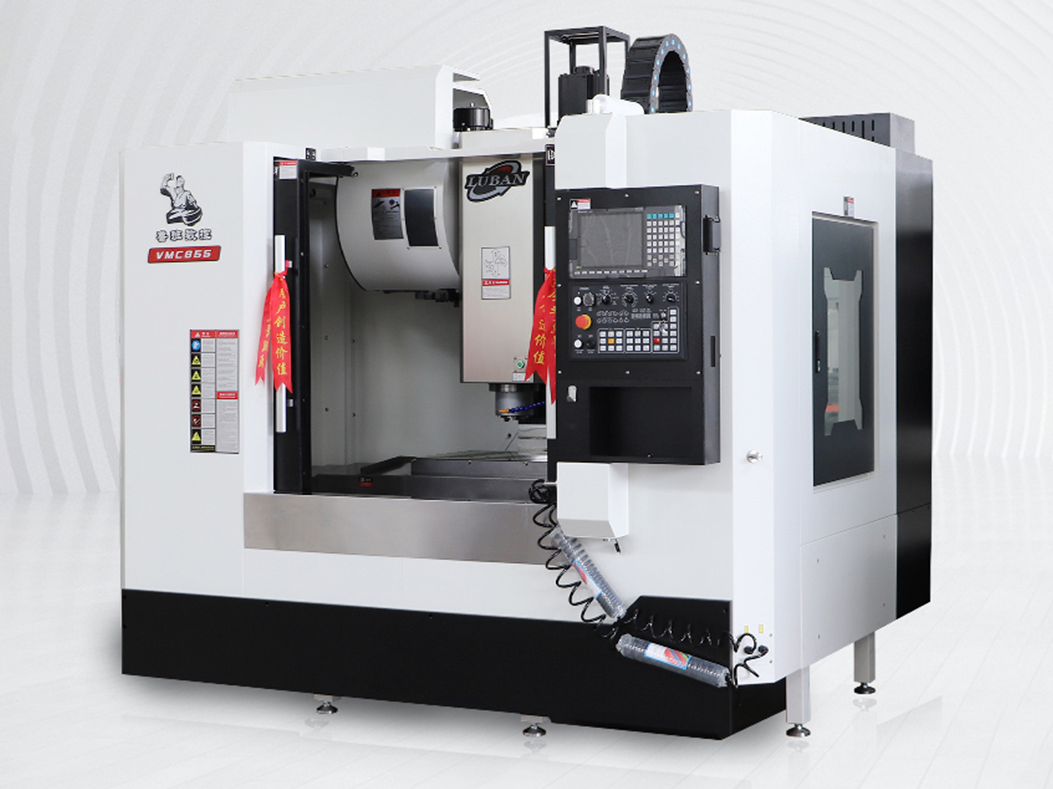
CNC machining centre
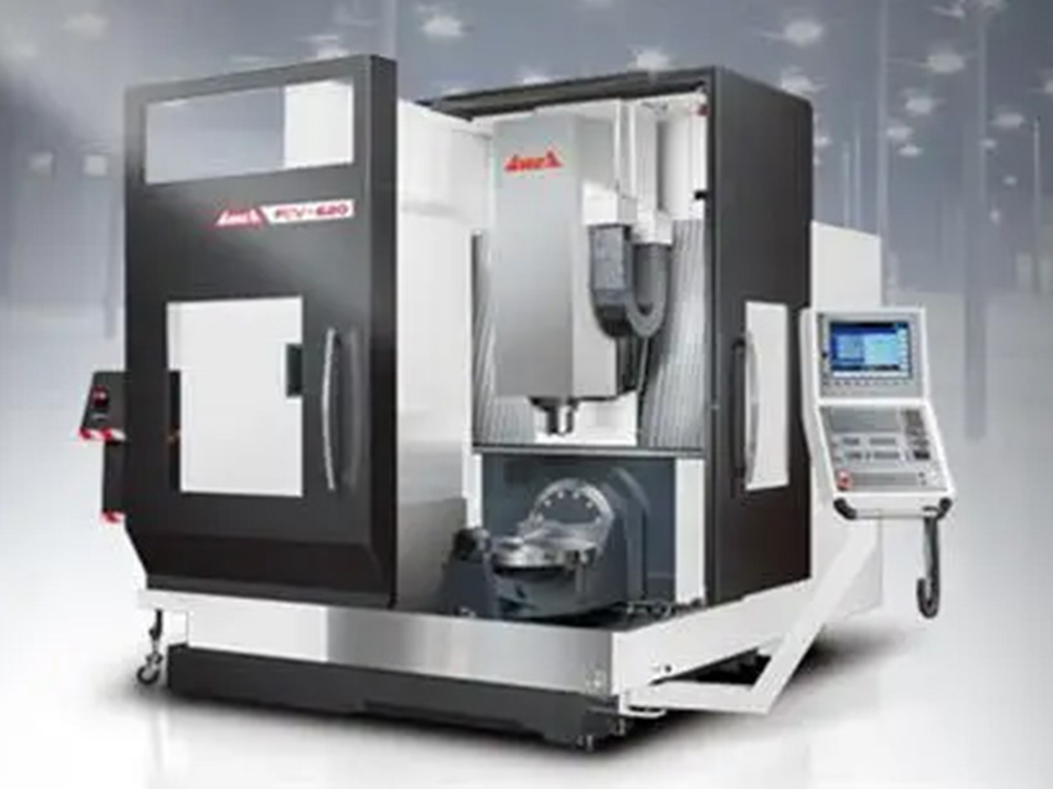
CNC machine tools
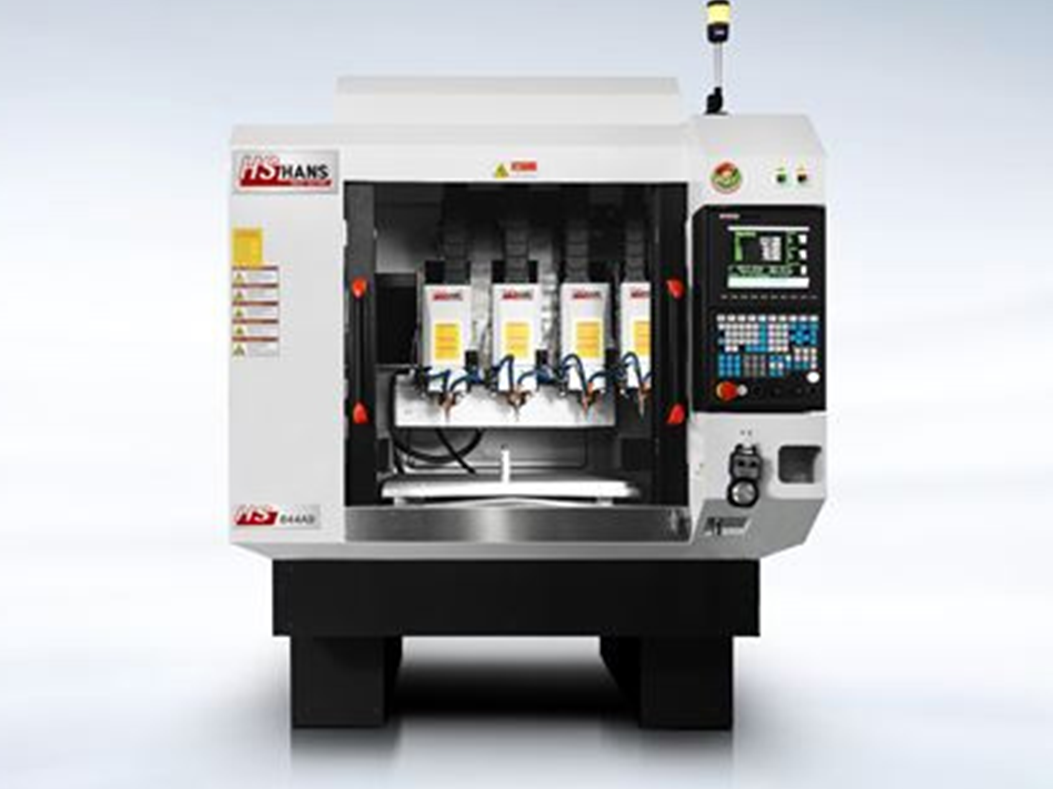
Carved machine
Factory Board
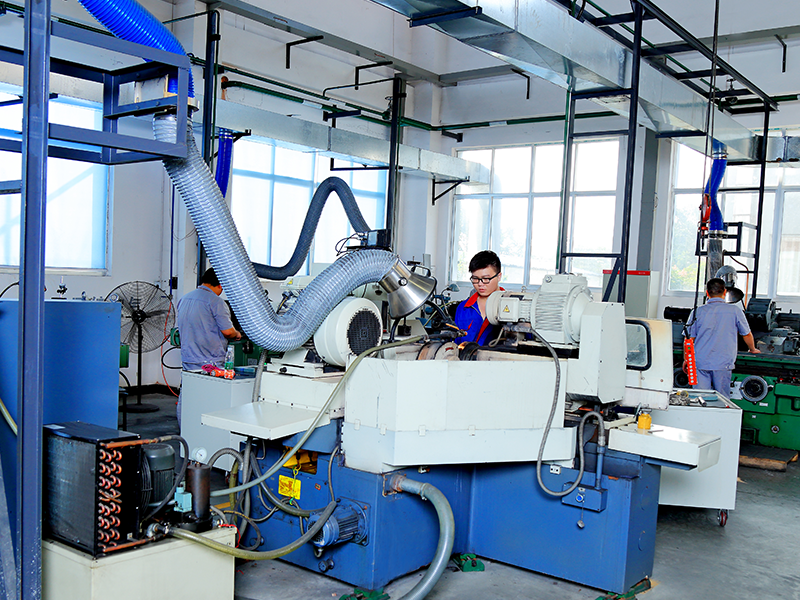
Factory Board

Factory Board
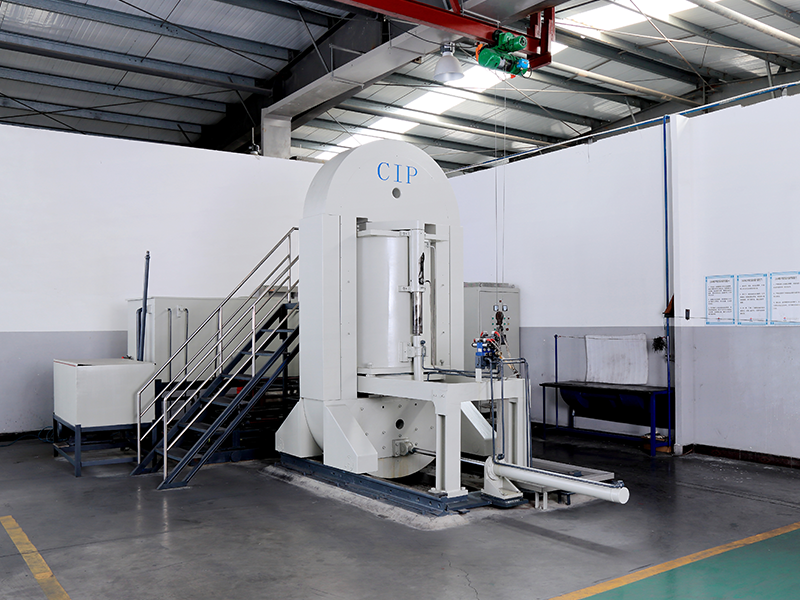
Factory Board
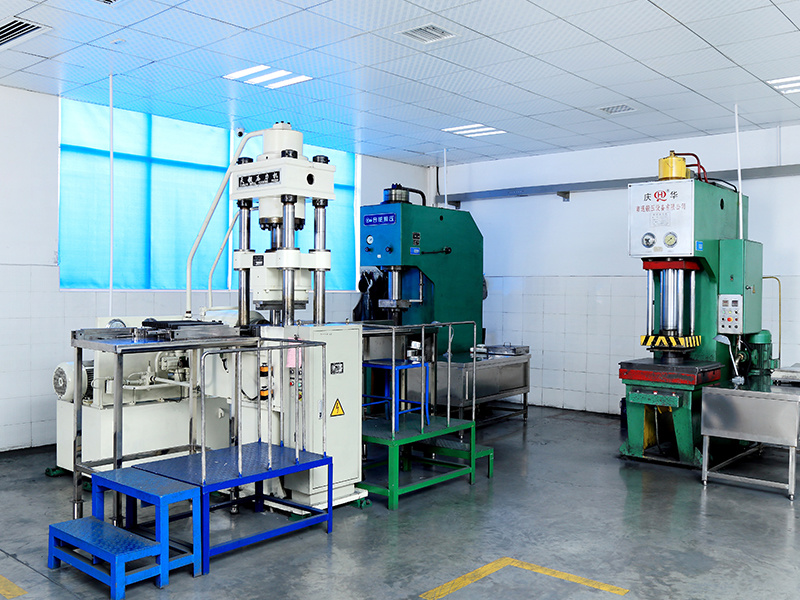
Factory Board
Recommended products


FAQ
2026-04-21
Common Issues in Machining Stainless Steel with Lizhou Turning Inserts
A detailed guide to LIZHOU cemented carbide turning inserts, covering naming conventions, types, selection of inserts specifically designed for roughing and finishing stainless steel, the differences between internal-bore and external-diameter inserts, and answers to frequently asked questions.
2026-04-21
Differences and Applications of Cobalt Drill Bits vs. Carbide Drill Bits
LiZhou Cemented Carbide provides a detailed comparison of cobalt-tipped drills and cemented carbide drills, covering material composition, hardness, tool life, suitable workpiece materials, and common issues to help you quickly select the right tool.
2026-03-31
What is the melting point of tungsten carbide? – Lizhou Cemented Carbide
This comprehensive analysis of Lizhou Cemented Carbide covers the melting point of tungsten carbide (2,870°C), a performance comparison, and industrial applications, explaining in detail why its high melting point makes cemented carbide highly resistant to high temperatures, wear, and deformation—making it ideally suited for tools, mining, steelmaking, and other demanding applications.
2026-03-28
How to Choose Positive and Negative Turning Inserts | LiZhou ISO Turning Tool Code Analysis
A Must-Read for Beginners! Lizhou Cemented Carbide Shows You How to Decode ISO Codes for Turning Inserts, Distinguish Between Positive- and Negative-Rake Inserts, Master the Three Key Selection Principles, and Resolve Common Issues Such as Poor Finish in Precision Turning and Work-Hardening When Machining Stainless Steel.
Hotline:
IPV4 / IPV6