


FAQ
APMT1135/1604 milling insert
China Lizhou Hard Alloy Source Factory
Product Name: milling insert
Coating : PVD
Material:Tungsten steel
Classification :
Milling insert
keyword:
lizhou




APMT1135 Carbide Milling Insert – High-Performance Indexable Insert for Precision Machining
Introduction
In modern machining, efficiency, durability, and precision are the most important requirements for cutting tools. Carbide milling inserts play a vital role in industries such as automotive, aerospace, mold-making, and general engineering, where reliable and consistent cutting performance directly impacts production cost and product quality.
The APMT1135 carbide milling insert is one of the most commonly used indexable inserts worldwide, recognized for its versatility, long tool life, and excellent surface finish. Manufactured with advanced tungsten carbide substrates and PVD/CVD coatings, it offers superior cutting performance across a wide range of materials, from steels and stainless steels to cast iron and non-ferrous metals.
This article provides a detailed technical overview of the APMT1135, including code interpretation, performance benefits, applications, features, precautions, and innovations, to help engineers, buyers, and manufacturers understand why it is the right choice for high-performance machining.

Breaking Down the Code: APMT1135
Like all ISO-standardized inserts, the designation APMT1135 carries important information about its geometry and size:
A → Insert shape, typically 85° parallelogram, suitable for face milling and pocket milling.
P → Relief angle, usually 11°, ensuring low friction and better clearance.
M → Tolerance class, M = medium, balancing precision and general usability.
T → Clamping method and chipbreaker style, optimized for stable cutting.
11 → Insert length, approx. 11 mm, compact but efficient.
35 → Insert thickness/nose radius (varies by standard), often interpreted as 3.5 mm thickness or 0.35 mm nose radius depending on manufacturer.
Together, APMT1135 defines a versatile milling insert widely used in indexable end mills and face mills for medium to finishing operations.
Advantages of APMT1135 Carbide Inserts
The APMT1135 carbide insert offers multiple benefits over traditional high-speed steel (HSS) or uncoated tools:
High Hardness & Wear Resistance – Tungsten carbide provides extreme hardness for long tool life.
Thermal Stability – Excellent heat resistance allows cutting speeds up to 3–5 times higher than HSS.
Versatile Applications – Suitable for steels, stainless steels, cast iron, aluminum, and some superalloys.
Cost Efficiency – Indexable design allows insert replacement without changing the whole tool.
Consistent Performance – High-precision grinding ensures stable machining results.
Surface Finish Quality – Nose radius provides smoother surface finish in finishing operations.


Performance Benefits
The APMT1135 is engineered for medium to finishing milling applications, offering:
Reduced Cutting Forces – Optimized chipbreaker lowers tool pressure, improving tool life.
Excellent Chip Control – Prevents built-up edge and chip entanglement, especially in stainless steel.
High Material Removal Rate (MRR) – Enables higher productivity in CNC milling centers.
Improved Tool Stability – Insert geometry minimizes vibrations, enhancing dimensional accuracy.
Extended Tool Life – Multi-layer coatings protect against abrasion and oxidation.
Application Fields
The APMT1135 carbide insert finds wide use in industrial machining, including:
Automotive – Cylinder heads, transmission housings, and precision automotive parts.
Aerospace – Structural aluminum parts, titanium alloys, and heat-resistant materials.
Mold and Die Industry – Surface finishing of hardened steel molds.
General Engineering – Slotting, contouring, shoulder milling, and pocketing operations.
Stainless Steel Machining – Excellent chip evacuation reduces work-hardening.
Its adaptability makes it a go-to choice for CNC milling machines around the globe.

Key Features
85° Parallelogram Shape – Provides stable edge support.
11 mm Length – Compact, suitable for indexable end mills.
3.5 mm Thickness – Strong insert body for longer life.
Medium Tolerance (M) – Balances precision and versatility.
Advanced Coatings – CVD and PVD coatings ensure better tool life across different work materials.
Positive Rake Geometry – Smooth cutting with reduced energy consumption.
Precautions for Use
To maximize the performance of APMT1135 carbide inserts, follow these best practices:
Correct Cutting Parameters – Use manufacturer-recommended speeds and feeds.
Proper Clamping – Ensure the insert is seated correctly in the toolholder to avoid vibration.
Coolant Selection – Apply coolant for stainless steel and superalloys; dry machining can be used for cast iron.
Monitor Wear – Replace inserts when flank wear exceeds 0.3 mm or when chipping occurs.
Avoid Excessive Depth of Cut – Exceeding insert limits may cause premature tool failure.
Technical and Patent Innovations
Our APMT1135 inserts integrate cutting-edge innovations:
Nano-Layer Coatings – Improve heat resistance and reduce friction.
Optimized Chipbreaker Design – CAD-engineered for smooth chip flow.
Ultra-Fine Carbide Grain Substrate – Ensures balance between toughness and hardness.
Laser Edge Preparation – Uniform cutting edges reduce tool breakage.
Advanced Powder Metallurgy – Guarantees consistency in microstructure.
These innovations make the APMT1135 an ideal solution for demanding, high-precision industries.
Why Choose Our APMT1135?
As a professional carbide manufacturer, we deliver not only inserts but also:
Strict Quality Assurance – From carbide powder synthesis to final inspection.
OEM/ODM Services – Custom inserts available for specific machining needs.
Competitive Pricing – Direct factory supply for better cost efficiency.
Global Service – Trusted by clients in Asia, Europe, Africa, and the Americas.
Technical Support – Application guidance for best cutting performance.
By choosing our APMT1135, manufacturers benefit from higher efficiency, longer tool life, and reduced production costs.
Conclusion
The APMT1135 carbide milling insert is a versatile, reliable, and high-performance cutting solution for modern machining. With its optimized geometry, robust carbide substrate, and advanced coating technology, it ensures outstanding performance in medium and finishing milling applications across multiple industries.
Backed by our company’s expertise in carbide manufacturing, innovation in chipbreaker design, and strict quality control, the APMT1135 stands as a benchmark product in the carbide tooling market.
For manufacturers seeking to increase productivity, extend tool life, and improve machining quality, the APMT1135 is the trusted choice.
Previous page
Next page
Use equipment
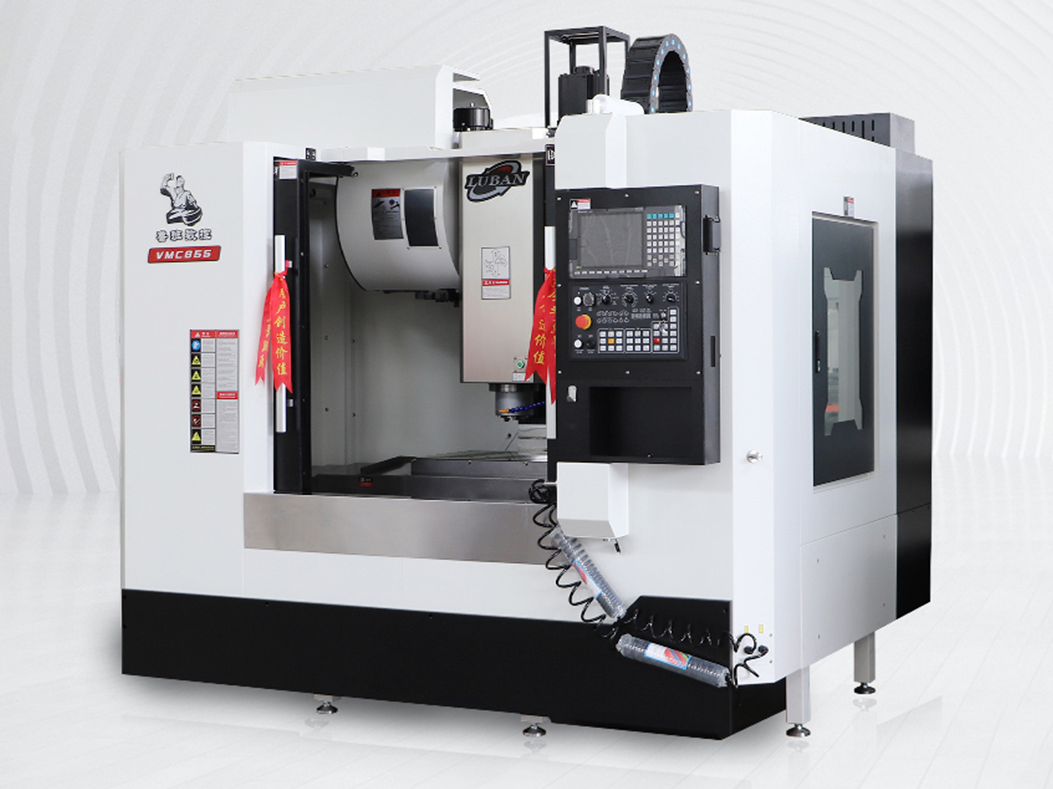
CNC machining centre
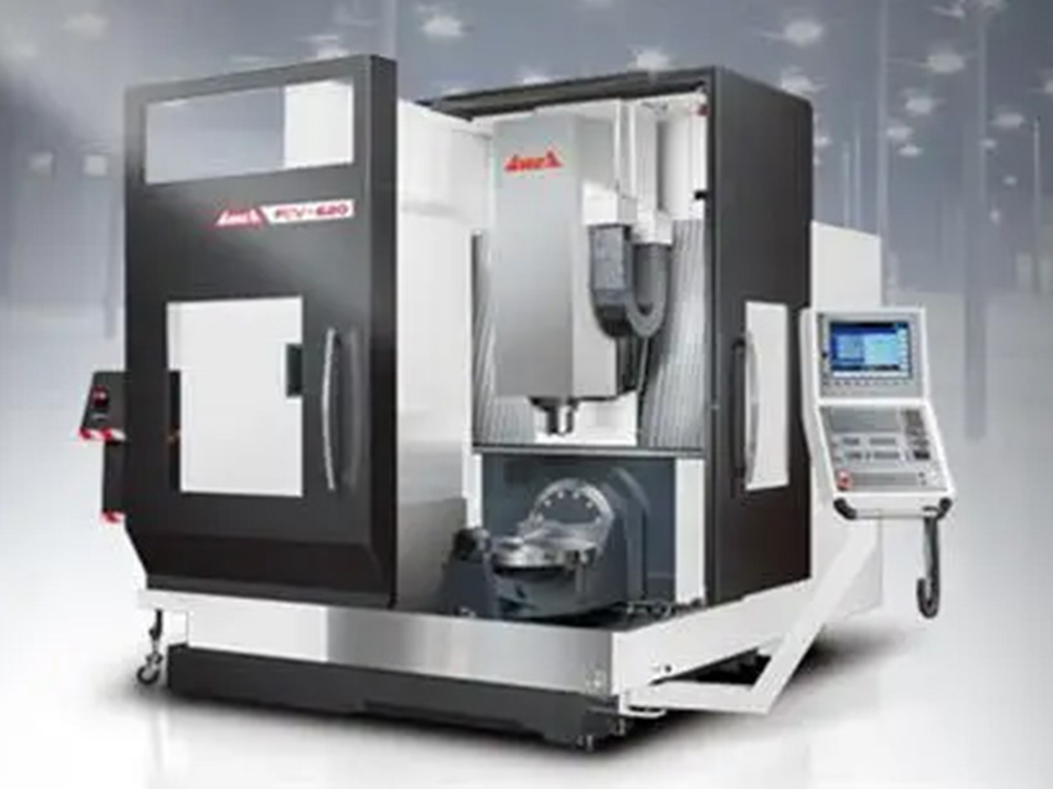
CNC machine tools
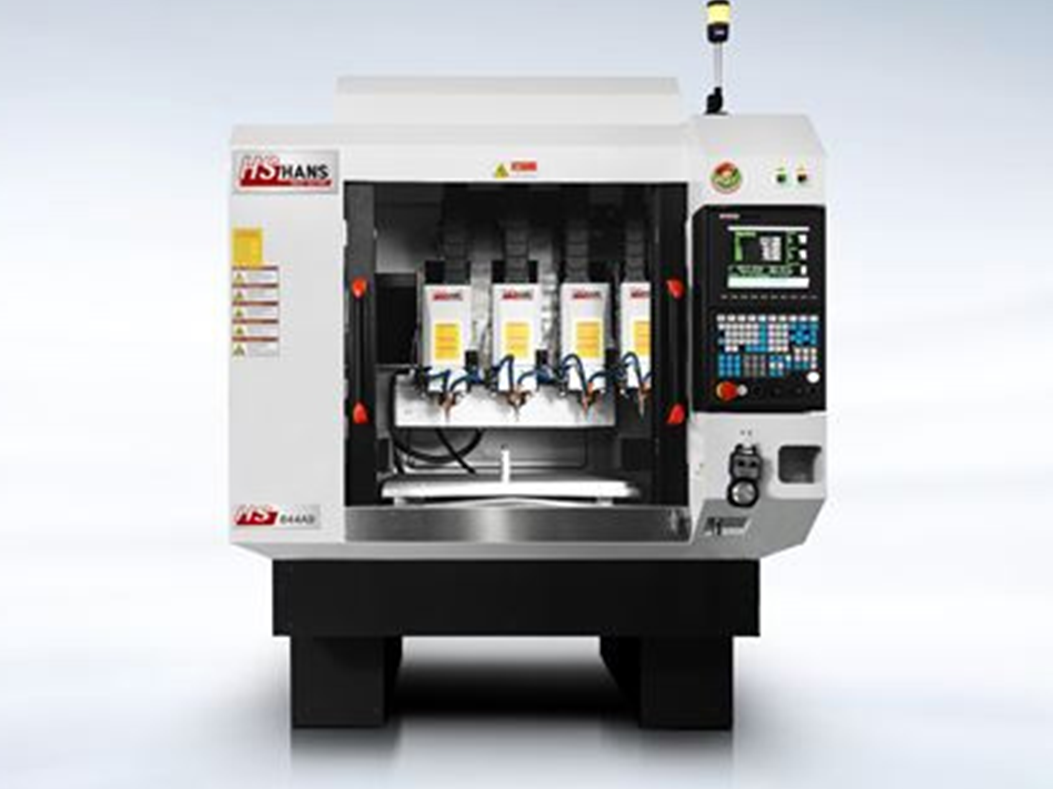
Carved machine
Factory Board
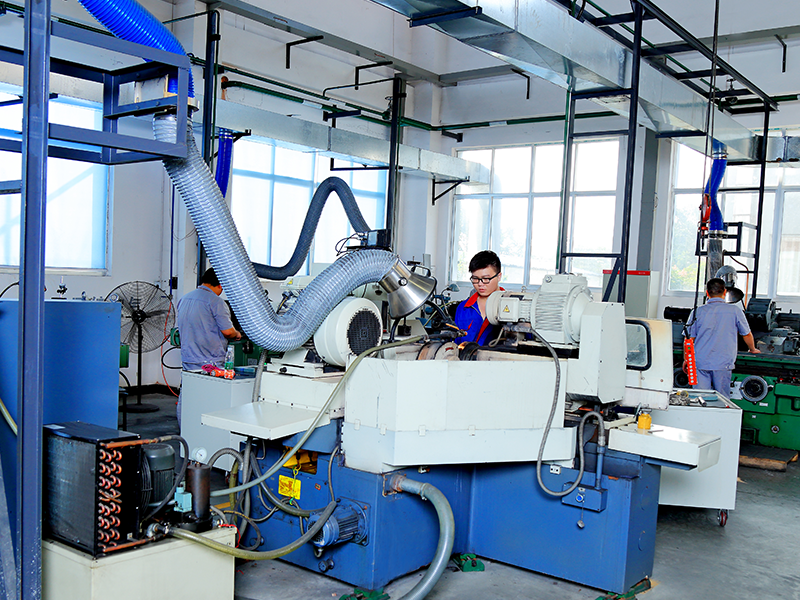
Factory Board

Factory Board
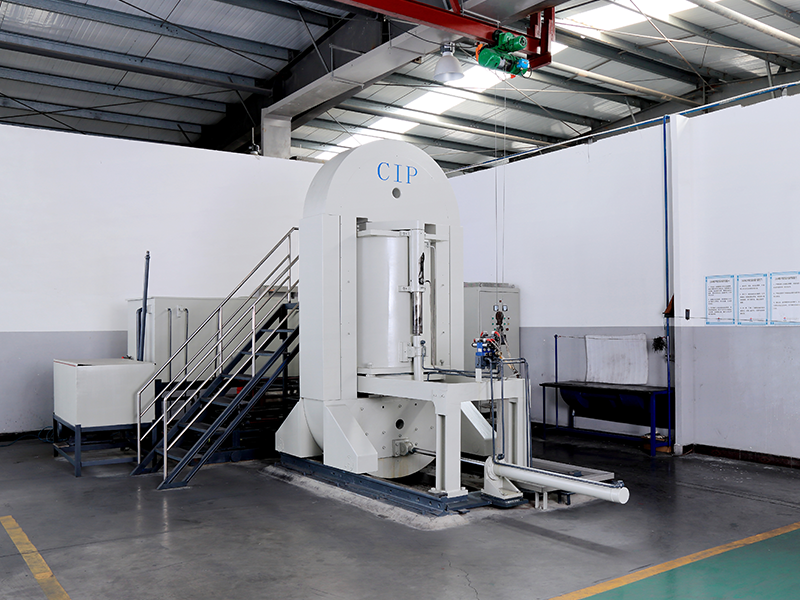
Factory Board
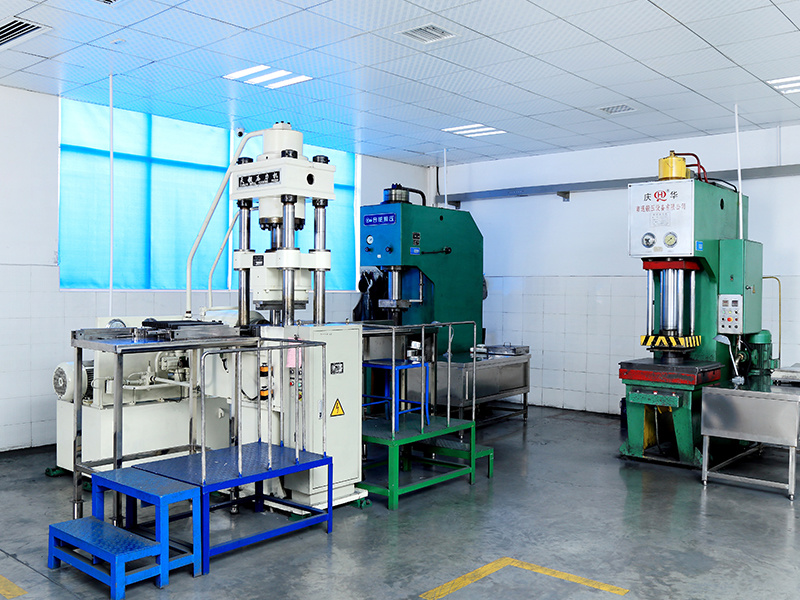
Factory Board
Recommended products


FAQ
2026-04-21
Common Issues in Machining Stainless Steel with Lizhou Turning Inserts
A detailed guide to LIZHOU cemented carbide turning inserts, covering naming conventions, types, selection of inserts specifically designed for roughing and finishing stainless steel, the differences between internal-bore and external-diameter inserts, and answers to frequently asked questions.
2026-04-21
Differences and Applications of Cobalt Drill Bits vs. Carbide Drill Bits
LiZhou Cemented Carbide provides a detailed comparison of cobalt-tipped drills and cemented carbide drills, covering material composition, hardness, tool life, suitable workpiece materials, and common issues to help you quickly select the right tool.
2026-03-31
What is the melting point of tungsten carbide? – Lizhou Cemented Carbide
This comprehensive analysis of Lizhou Cemented Carbide covers the melting point of tungsten carbide (2,870°C), a performance comparison, and industrial applications, explaining in detail why its high melting point makes cemented carbide highly resistant to high temperatures, wear, and deformation—making it ideally suited for tools, mining, steelmaking, and other demanding applications.
2026-03-28
How to Choose Positive and Negative Turning Inserts | LiZhou ISO Turning Tool Code Analysis
A Must-Read for Beginners! Lizhou Cemented Carbide Shows You How to Decode ISO Codes for Turning Inserts, Distinguish Between Positive- and Negative-Rake Inserts, Master the Three Key Selection Principles, and Resolve Common Issues Such as Poor Finish in Precision Turning and Work-Hardening When Machining Stainless Steel.
Hotline:
IPV4 / IPV6