


FAQ
VBMT-General turning Insert
China Lizhou Hard Alloy Source Factory
Product Name:Steel Turning Inserts
Coating : PVD
Brand number:LMP202
Classification :
Turning insert
keyword:
lizhou




VBMT110304 & VBMT160404 Carbide Turning Inserts – Precision, Performance, and Reliability
Introduction
In modern machining, precision and productivity depend heavily on the quality of cutting tools. Carbide turning inserts have become indispensable in industries ranging from automotive and aerospace to general engineering. Among the most popular and widely applied geometries are VBMT110304 and VBMT160404, two high-performance carbide inserts engineered for efficient metal turning.
As a professional carbide manufacturer, we design and produce these inserts with advanced powder metallurgy, innovative coatings, and rigorous quality control. This article provides a comprehensive analysis of VBMT110304 and VBMT160404 inserts, covering performance advantages, coding interpretation, applications, unique features, precautions, and patented innovations.
Type | Basic Dimensions (mm) | Cutting Data | PVD | ||||
I.C | S | D | R | Cutting Depth (mm) | Feed ( mm/tooth ) | LMP202 | |
VBMT 110304 | 6.35 | 3.18 | 2.80 | 0.4 | 0.50-2.00 | 0.05-0.25 | ⚪ |
VBMT 110308 | 6.35 | 3.18 | 2.80 | 0.8 | 0.50-2.00 | 0.05-0.25 | ⚪ |
VBMT 160404 | 9.525 | 4.76 | 4.40 | 0.4 | 1.00-3.00 | 0.07-0.25 | ⚪ |
VBMT 160408 | 9.525 | 4.76 | 4.40 | 0.8 | 1.00-3.00 | 0.07-0.25 | ⚪ |
1. Advantages of Carbide Inserts
Carbide turning inserts, such as VBMT110304 and VBMT160404, outperform traditional high-speed steel tools due to:
High Hardness and Wear Resistance – Submicron carbide substrates combined with advanced coatings (CVD/PVD) allow machining of hardened steels, stainless steel, cast iron, and superalloys.
Thermal Stability – Carbide maintains cutting edge integrity at temperatures exceeding 800°C, reducing tool wear in high-speed machining.
Cost Efficiency – Indexable inserts reduce downtime since they can be quickly replaced without resharpening, improving tool life and productivity.
Surface Finish Quality – Optimized chip breakers provide smooth cutting action, minimizing vibration and ensuring better surface roughness.
Versatility – A single insert geometry can handle multiple operations: roughing, finishing, profiling, and facing.
2. Decoding VBMT Insert Code
The ISO insert designation, such as VBMT110304 or VBMT160404, follows a standardized coding system:
V – Insert shape: 55° rhombic diamond (excellent for finishing and profiling).
B – Clearance angle: 5° relief, reducing cutting resistance.
M – Tolerance class: Medium precision (±0.05 mm, ±0.13°).
T – Insert type: Single-sided with hole for clamping.
Now let’s decode the numerical values:
For VBMT110304:
11 – Insert size (inscribed circle ≈ 11 mm).
03 – Insert thickness (≈ 3.97 mm).
04 – Nose radius (0.4 mm), ensuring precise finishing.
For VBMT160404:
16 – Insert size (inscribed circle ≈ 16 mm).
04 – Insert thickness (≈ 4.76 mm).
04 – Nose radius (0.4 mm), suitable for fine finishing while maintaining strength.
📌 Interpretation:
VBMT110304 is a smaller insert, ideal for precision finishing in tight spaces.
VBMT160404 is larger, offering more edge strength and durability for medium turning tasks.

3. Performance Analysis
(1) Cutting Edge Geometry
Sharp edge with positive rake angle, reducing cutting forces and energy consumption.
Chip breakers designed for stainless steel and alloy steels, preventing built-up edge formation.
(2) Substrate & Coating Technology
Nano-grain carbide substrate improves toughness and reduces fracture risk.
PVD coatings (TiAlN, AlTiN, or TiCN) enhance wear resistance, especially at high speeds.
Advanced CVD multilayer coatings provide superior performance in cast iron and steel turning.
(3) Machining Benefits
Excellent for finishing operations due to small nose radius (0.4 mm).
Capable of light to medium turning with consistent tool life.
Reduces vibration in slender workpieces, ensuring smoother surface finish.
4. Application Scenarios
VBMT110304 and VBMT160404 inserts are widely used in:
Automotive Industry
Machining engine parts, crankshafts, and shafts with precise surface finish.
Aerospace Industry
Turning of heat-resistant alloys (Inconel, titanium) with minimal tool wear.
General Engineering
Precision turning of stainless steel, alloy steel, and hardened materials.
Medical Device Manufacturing
Ideal for finishing surgical instrument components requiring tight tolerances.
Energy Industry
Used in machining valves, pumps, and turbine components.
5. Key Features
High Precision Finishing – 0.4 mm nose radius ensures fine detail turning.
Low Cutting Forces – Positive rake angle reduces power consumption.
Versatility – Suitable for both internal and external turning.
Long Tool Life – Optimized carbide grade balances toughness and hardness.
Anti-Chipping Technology – Reinforced edge prevents premature breakage.
Surface Quality – Produces Ra < 1.6 µm on most steels.
6. Precautions for Use
To maximize insert life and performance:
Correct Clamping – Ensure inserts are mounted securely to avoid vibration.
Optimal Cutting Parameters – Use manufacturer-recommended cutting speed, feed rate, and depth of cut.
VBMT110304: Best for light finishing (ap < 1.5 mm, f < 0.15 mm/rev).
VBMT160404: Suitable for medium turning (ap < 2.5 mm, f < 0.25 mm/rev).
Coolant Usage – Apply coolant to reduce thermal cracks, especially for stainless steel machining.
Chip Control – Monitor chip flow to avoid entanglement and surface damage.
Avoid Overloading – These inserts are designed for precision, not heavy roughing.

7. Technical & Patent Innovations
As a hard alloy manufacturer, our VBMT series benefits from continuous R&D:
Nano-Coating Technology – Patented PVD coating increases wear resistance by 30%.
Hybrid Substrate – Fine-grain tungsten carbide with cobalt binder for balanced toughness.
Edge Preparation – Micro-honing ensures sharp yet durable edges.
Cryogenic Treatment – Enhances carbide grain stability for extended tool life.
Sustainable Manufacturing – Recycling technology reduces material waste in insert production.
8. Comparison Between VBMT110304 & VBMT160404
| Feature | VBMT110304 | VBMT160404 |
|---|---|---|
| Insert Size | 11 mm | 16 mm |
| Thickness | 3.97 mm | 4.76 mm |
| Nose Radius | 0.4 mm | 0.4 mm |
| Best Application | Precision finishing in small parts | Medium turning, longer tool life |
| Rigidity | Medium | Higher |
| Typical Industry Use | Medical, electronics | Automotive, aerospace |
Previous page
Next page
Use equipment
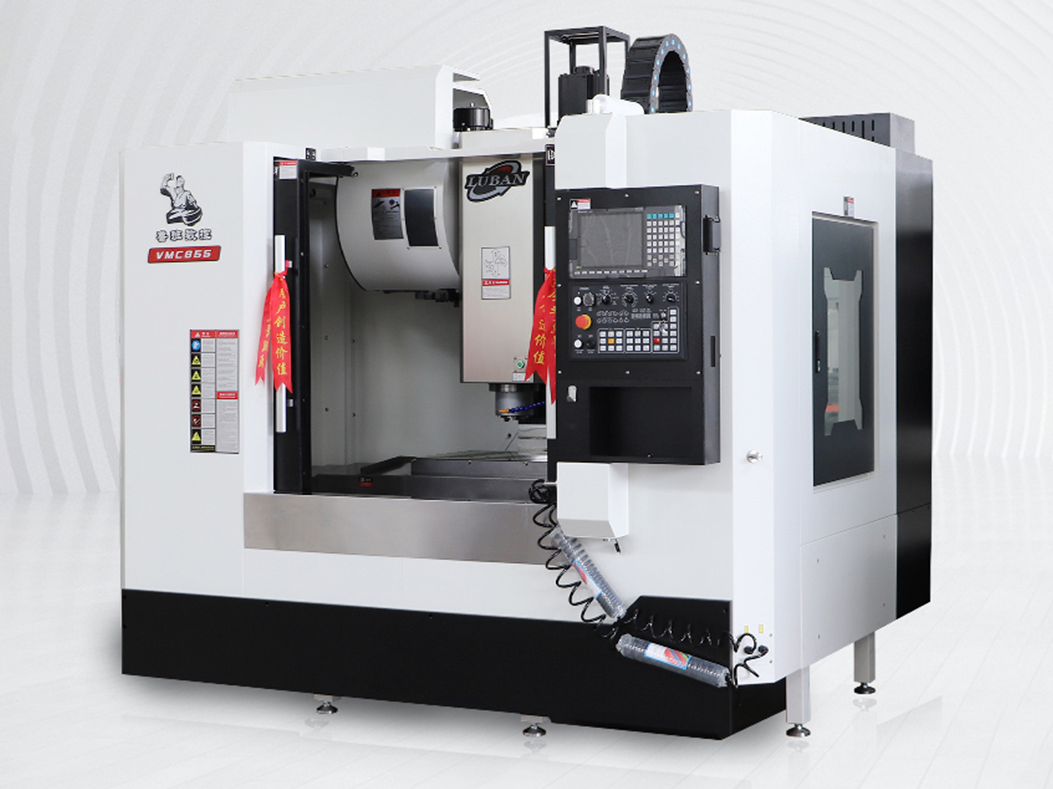
CNC machining centre
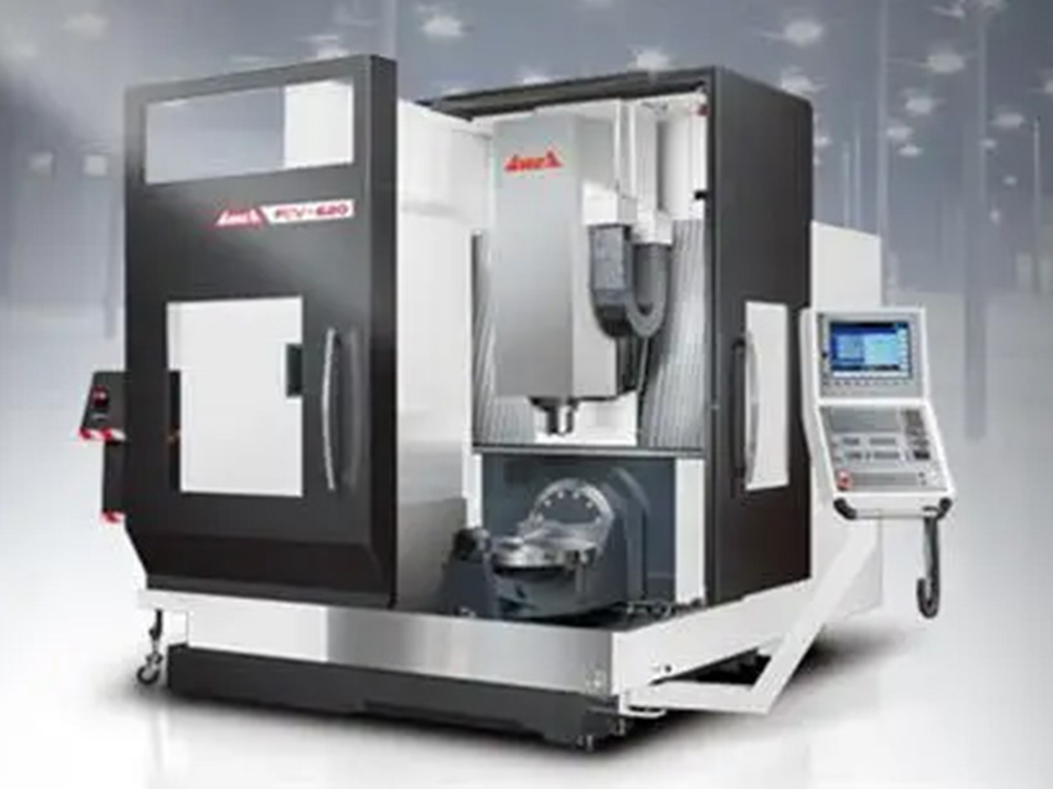
CNC machine tools
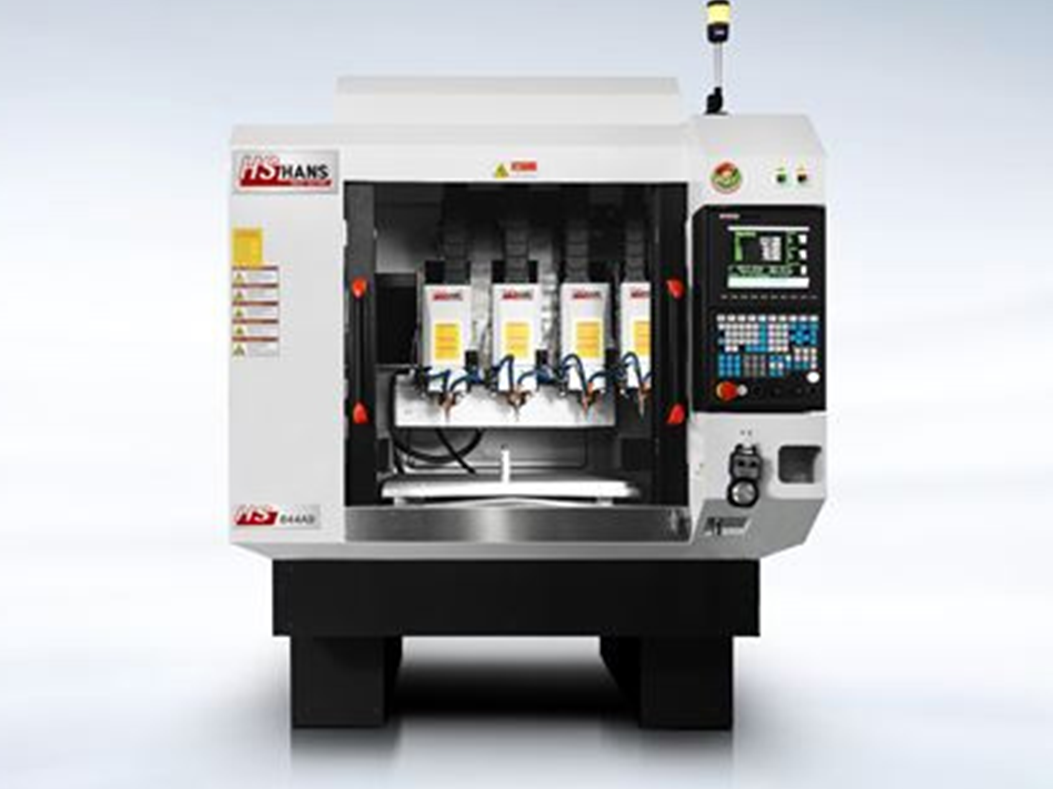
Carved machine
Factory Board
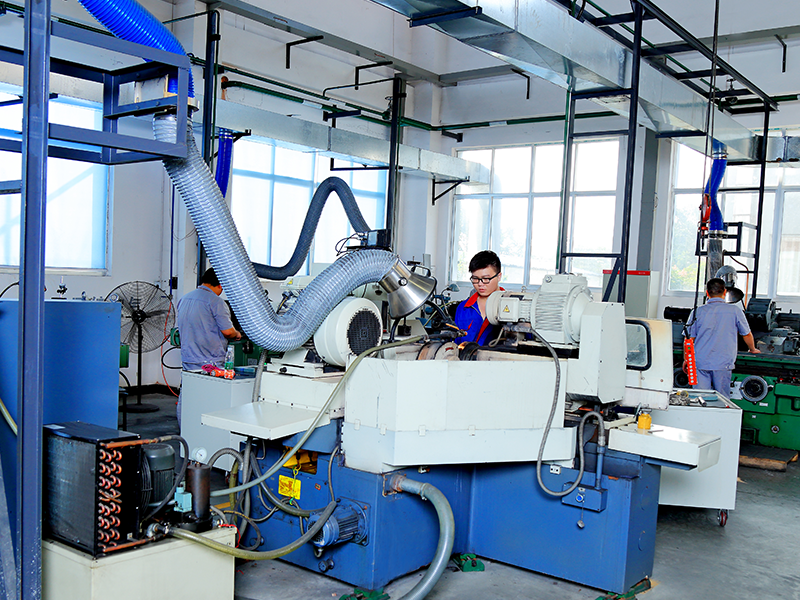
Factory Board

Factory Board
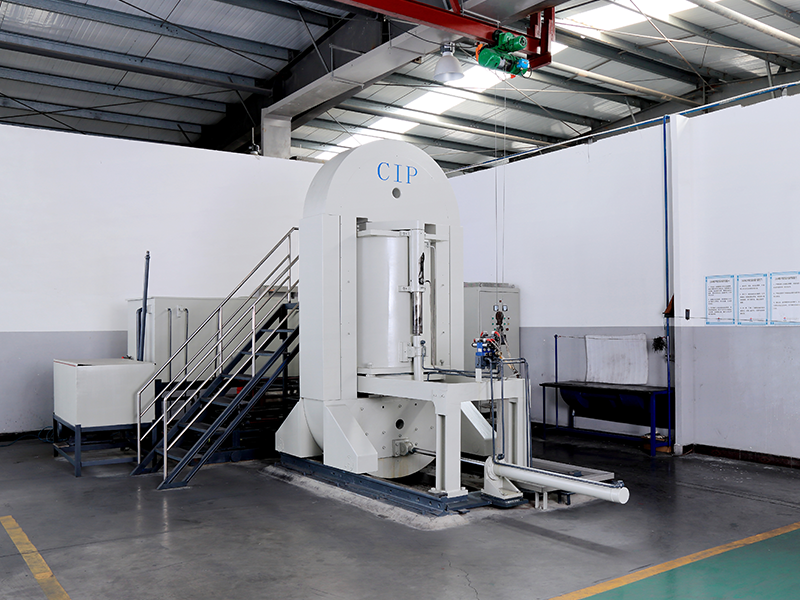
Factory Board
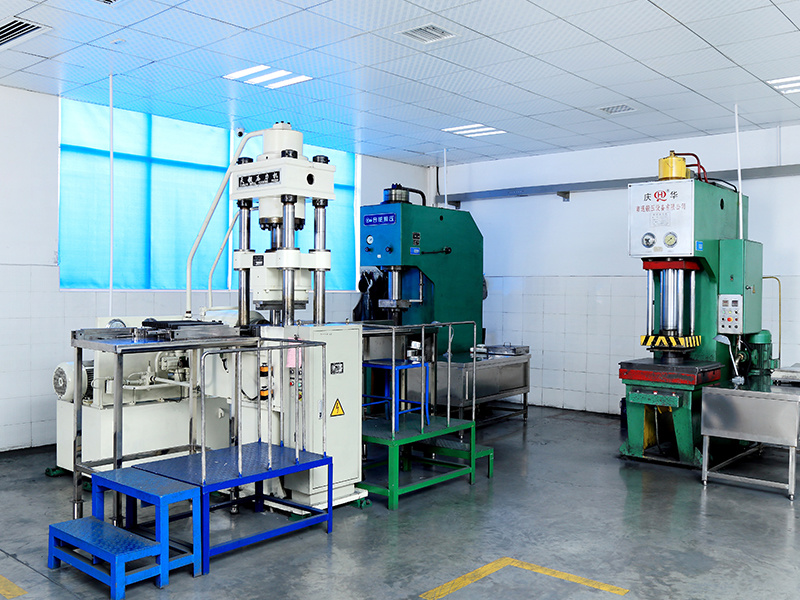
Factory Board
Recommended products


FAQ
2026-04-21
Common Issues in Machining Stainless Steel with Lizhou Turning Inserts
A detailed guide to LIZHOU cemented carbide turning inserts, covering naming conventions, types, selection of inserts specifically designed for roughing and finishing stainless steel, the differences between internal-bore and external-diameter inserts, and answers to frequently asked questions.
2026-04-21
Differences and Applications of Cobalt Drill Bits vs. Carbide Drill Bits
LiZhou Cemented Carbide provides a detailed comparison of cobalt-tipped drills and cemented carbide drills, covering material composition, hardness, tool life, suitable workpiece materials, and common issues to help you quickly select the right tool.
2026-03-31
What is the melting point of tungsten carbide? – Lizhou Cemented Carbide
This comprehensive analysis of Lizhou Cemented Carbide covers the melting point of tungsten carbide (2,870°C), a performance comparison, and industrial applications, explaining in detail why its high melting point makes cemented carbide highly resistant to high temperatures, wear, and deformation—making it ideally suited for tools, mining, steelmaking, and other demanding applications.
2026-03-28
How to Choose Positive and Negative Turning Inserts | LiZhou ISO Turning Tool Code Analysis
A Must-Read for Beginners! Lizhou Cemented Carbide Shows You How to Decode ISO Codes for Turning Inserts, Distinguish Between Positive- and Negative-Rake Inserts, Master the Three Key Selection Principles, and Resolve Common Issues Such as Poor Finish in Precision Turning and Work-Hardening When Machining Stainless Steel.
Hotline:
IPV4 / IPV6