


FAQ
TNMG-PV\43 steel workpiece turning blade
China Lizhou Hard Alloy Source Factory
Product Name:Steel Turning Inserts
Coating : CVD
Brand number:LPC102\202
Classification :
Turning insert
keyword:
lizhou




Comprehensive Guide to TNMG Carbide Turning Inserts: TNMG160408-MS, TNMG160404-PV, TNMG160404-43, TNMG160404-TSF
Introduction
Carbide turning inserts are the backbone of modern CNC machining, offering efficiency, precision, and durability in cutting operations. Among the most versatile and widely used are the TNMG inserts, which combine strength with adaptability to a wide range of machining conditions.
In this article, we focus on four popular models—TNMG160408-MS, TNMG160404-PV, TNMG160404-43, and TNMG160404-TSF—and explain their advantages, ISO coding, parameters, applications, features, best practices, and innovative technologies. These inserts are manufactured by our company, a 33-year carbide tool factory, supplying industries worldwide.
Type | Basic dimensions (mm) | Cutting data | CVD | ||||||
I.C | S | D | R | Cutting depth (mm) | Feed ( mm/tooth ) | LPC102 | LPC202 | LPC302 | |
T NMG160404R- PV | 9.525 | 4.76 | 3.81 | 0.4 | 1.0-5.00 | 0.15-0.50 |
|
| ⚪ |
TNMG160404L-PV | 9.525 | 4.76 | 3.81 | 0.4 | 1.0-5.00 | 0.15-0.50 |
|
| ⚪ |
TNMG160408R-PV | 9.525 | 4.76 | 3.81 | 0.8 | 1.0-5.00 | 0.15-0.50 |
|
| ⚪ |
TNMG160408L-PV | 9.525 | 4.76 | 3.81 | 0.8 | 1.0-5.00 | 0.15-0.50 |
|
| ⚪ |
TNMG160404-43 | 9.525 | 4.76 | 3.81 | 0.4 | 0.70-4.80 | 0.12-0.52 | ⚪ |
|
|
TNMG160408-43 | 9.525 | 4.76 | 3.81 | 0.8 | 0.70-4.80 | 0.12-0.52 | ⚪ |
|
|
TNMG160412-43 | 9.525 | 4.76 | 3.81 | 1.2 | 0.70-4.80 | 0.12-0.52 | ⚪ |
|
|
1. Understanding Carbide Inserts
Carbide inserts are indexable cutting tools made of tungsten carbide grains bonded with cobalt, often coated with CVD or PVD layers to improve wear resistance and thermal stability. Compared to conventional HSS or brazed tools, carbide inserts provide:
Superior hardness and toughness
Resistance to wear, heat, and deformation
Replaceable cutting edges, reducing downtime
Compatibility with standardized tool holders
Cost efficiency in mass production
The TNMG series represents a triangular insert family widely used in general turning, facing, and boring.


TNMG160404R-PV
2. Decoding the ISO Code (TNMG Series)
Let’s break down the designation TNMG160408-MS:
T = Insert shape → Triangle (60° corners)
N = Relief angle → 0° clearance (neutral cutting edge)
M = Tolerance → Medium precision (±0.05 mm)
G = Insert feature → Double-sided insert with fixing hole
16 = Insert size → 16 mm inscribed circle
04 = Thickness → 4.76 mm
08 = Nose radius → 0.8 mm
-MS = Chipbreaker style → Optimized for finishing stainless steel
Similarly:
TNMG160404-PV
Nose radius 0.4 mm
PV = Chipbreaker for high-precision finishing, excellent surface finish
TNMG160404-43
Special breaker geometry coded as “43” for stability in semi-finishing
TNMG160404-TSF
TSF = Chipbreaker for light finishing and small depth of cut, especially in thin-walled parts
3. Product Advantages and Performance
The TNMG series offers a combination of durability, economy, and machining quality. Key benefits include:
Triangular Geometry
Provides 6 cutting edges per insert (double-sided, 3 edges per side).
Excellent economy and long tool life.
Strong Cutting Edge
0° relief angle strengthens cutting edge, allowing higher feed rates.
Carbide Substrate
Optimized micro-grain carbide with cobalt binder improves toughness and resistance to edge chipping.
Advanced Coatings
Multi-layer CVD coatings (TiCN, Al2O3, TiN) for steel and cast iron.
PVD coatings (TiAlN, AlCrN) for stainless steel and heat-resistant alloys.
Versatile Chipbreakers
-MS for stainless steel finishing.
-PV for high-precision finishing.
-43 for semi-finishing versatility.
-TSF for thin-wall and light cutting.
TNMG1604040-43
4. Applications and Usage Scenarios
The TNMG inserts are widely used in automotive, aerospace, machinery, and general engineering.
Industry Applications
Automotive: shafts, gears, engine blocks, brake discs
Aerospace: turbine housings, landing gear parts
Oil & Gas: pipeline fittings, valve components
General Engineering: rollers, flanges, fasteners
Material Compatibility
Steel (low, medium, alloy steels)
Stainless steel (with MS and TSF breakers for chip control)
Cast iron
Non-ferrous metals (with light finishing geometries)
Machining Types
Finishing: TNMG160404-PV, TNMG160404-TSF
Semi-finishing: TNMG160404-43
Medium machining: TNMG160408-MS
5. Key Features of Each Model
TNMG160408-MS
Nose radius: 0.8 mm
Application: Medium cutting, finishing stainless steel
Feature: Excellent chip control, reduced built-up edge
TNMG160404-PV
Nose radius: 0.4 mm
Application: Precision finishing
Feature: High surface quality, dimensional accuracy
TNMG160404-43
Nose radius: 0.4 mm
Application: Semi-finishing
Feature: Balanced toughness and wear resistance
TNMG160404-TSF
Nose radius: 0.4 mm
Application: Light finishing, thin-walled parts
Feature: Low cutting force, reduced vibration
6. Usage Notes and Best Practices
Cutting Speed
Steel: 150–250 m/min
Stainless steel: 120–200 m/min
Cast iron: 180–280 m/min
Feed Rate
Finishing: 0.05–0.15 mm/rev
Medium cutting: 0.15–0.30 mm/rev
Depth of Cut (ap)
Finishing: 0.2–1.0 mm
Medium machining: up to 3.0 mm
Coolant
Use coolant for stainless steel and high-temp alloys.
Dry cutting possible in cast iron for better chip evacuation.
Insert Indexing
Rotate insert edges before reaching excessive flank wear to maintain surface finish.
Clamping Care
Ensure proper seating in toolholder pocket for rigidity.
7. Technical Innovations
Our TNMG inserts integrate several patented and advanced technologies:
Nano-CVD Coatings: Improved oxidation resistance, extending tool life by up to 50%.
Chipbreaker Optimization: Computer-simulated chip flow design for smoother evacuation.
Grain Refinement Technology: Ultra-fine carbide substrate ensures balance between hardness and toughness.
Edge Preparation: Controlled honing radius prevents premature chipping.
OEM/ODM Capabilities: Custom coatings and chipbreaker geometries available upon request.
8. Comparison Between Models
| Model | Nose Radius | Application Type | Best For |
|---|---|---|---|
| TNMG160408-MS | 0.8 mm | Medium finishing | Stainless steel, chip control |
| TNMG160404-PV | 0.4 mm | Precision finishing | High surface quality |
| TNMG160404-43 | 0.4 mm | Semi-finishing | Balance between wear resistance & toughness |
| TNMG160404-TSF | 0.4 mm | Light finishing | Thin-wall parts, low cutting force |
9. Why Choose Our Carbide Inserts?
As a 33-year carbide tool manufacturer, we combine experience, innovation, and strict quality control to deliver world-class cutting inserts.
ISO/ANSI standard compliant
Exported to 50+ countries
OEM/ODM customization available
Manufactured with 100% inspection and traceability
Supported by a technical engineering team for machining optimization
Our TNMG series provides not only cost savings but also reliability and consistency for high-volume machining.
Conclusion
The TNMG160408-MS, TNMG160404-PV, TNMG160404-43, and TNMG160404-TSF carbide turning inserts are engineered to meet the needs of modern machining. With advanced substrates, coatings, and chipbreaker geometries, these inserts ensure high performance across steel, stainless steel, and cast iron applications.
Whether you need precision finishing, medium machining, or chip control in stainless steel, these TNMG inserts deliver superior tool life, economy, and surface quality.
Contact us today for catalogs, technical support, or OEM customization of carbide inserts.
Previous page
Use equipment
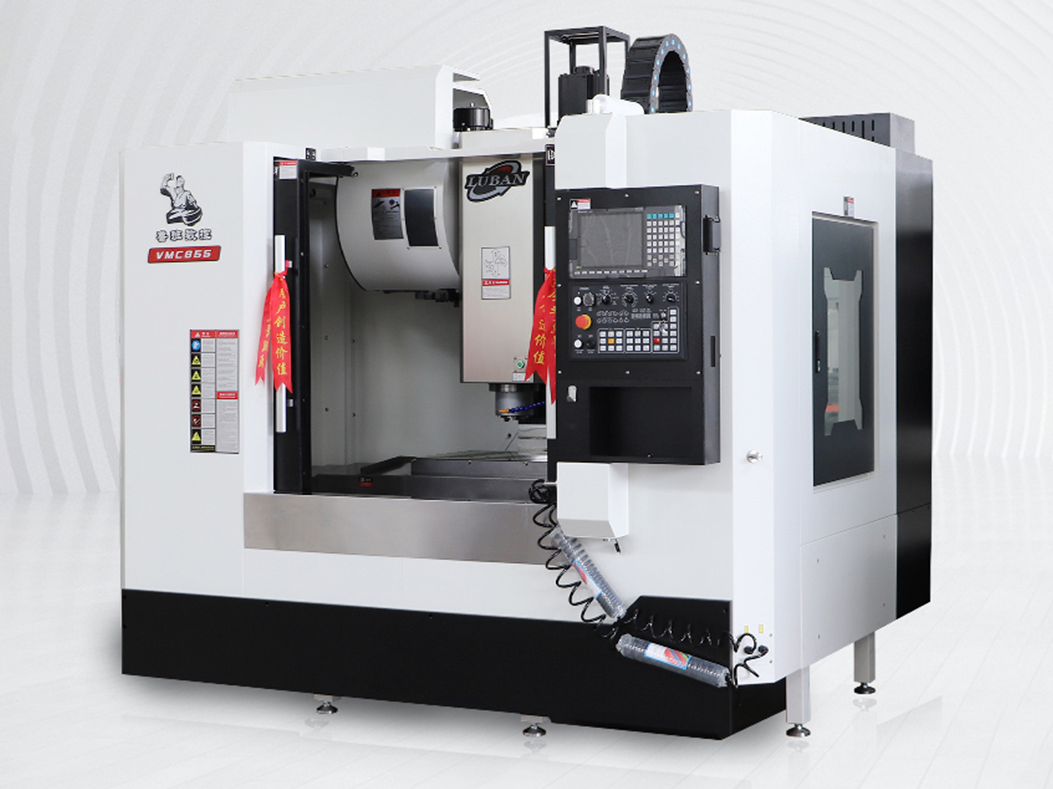
CNC machining centre
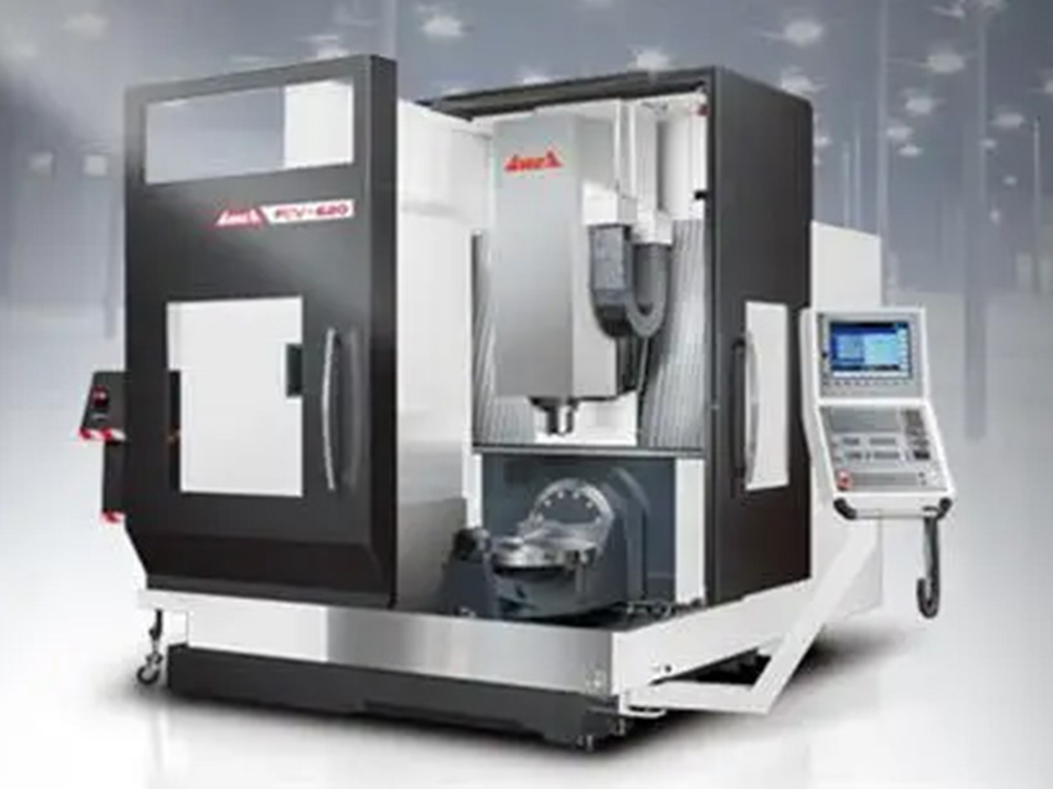
CNC machine tools
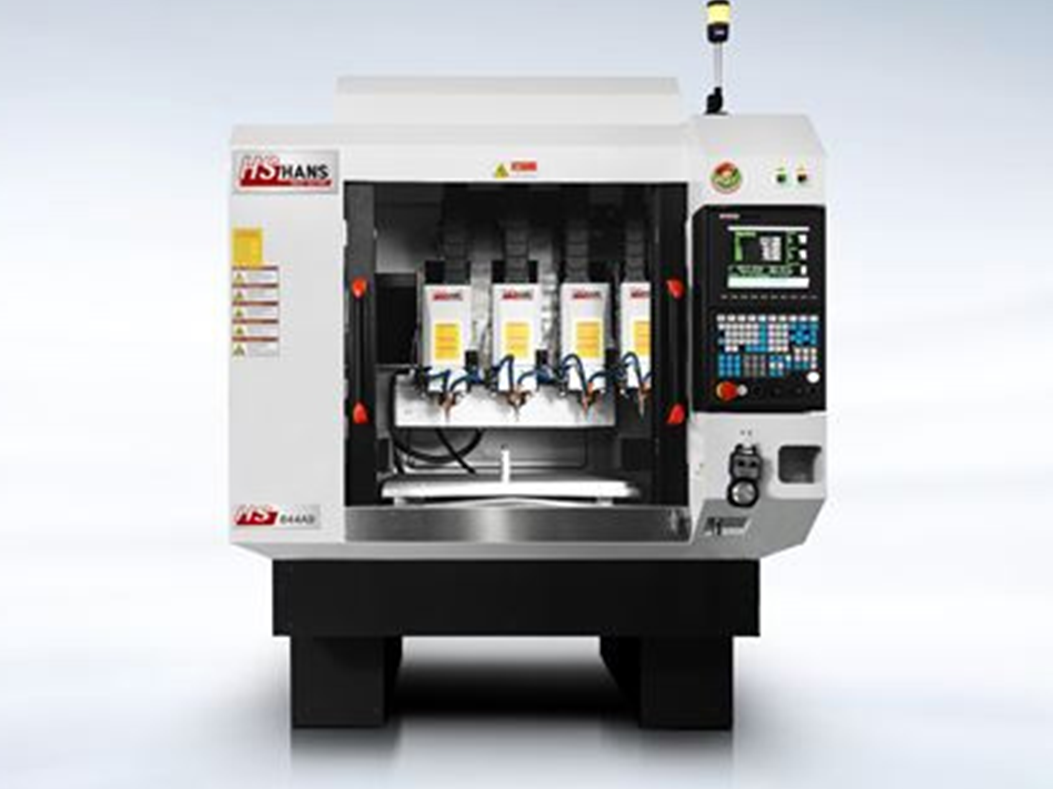
Carved machine
Factory Board
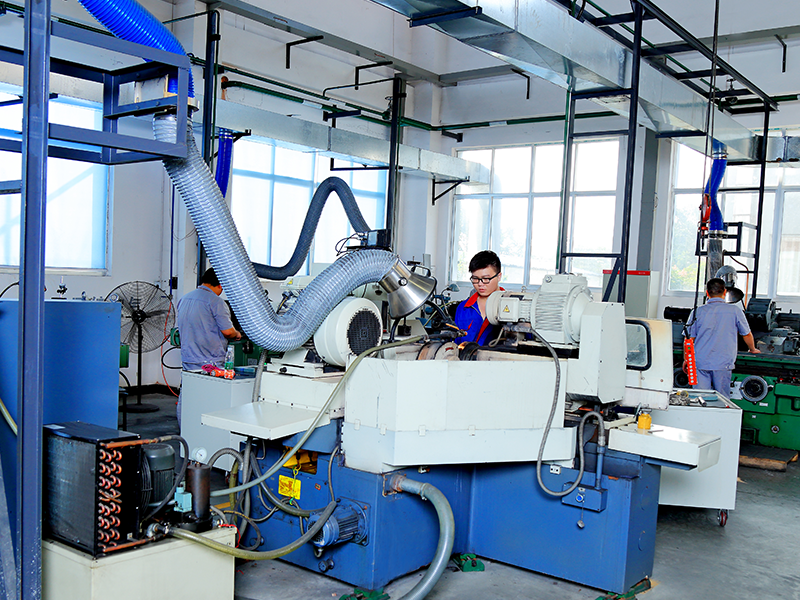
Factory Board

Factory Board
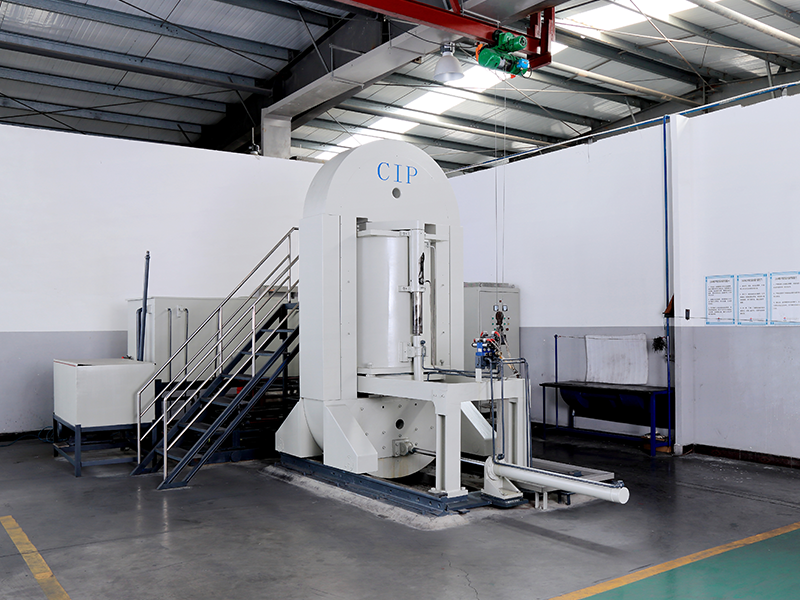
Factory Board
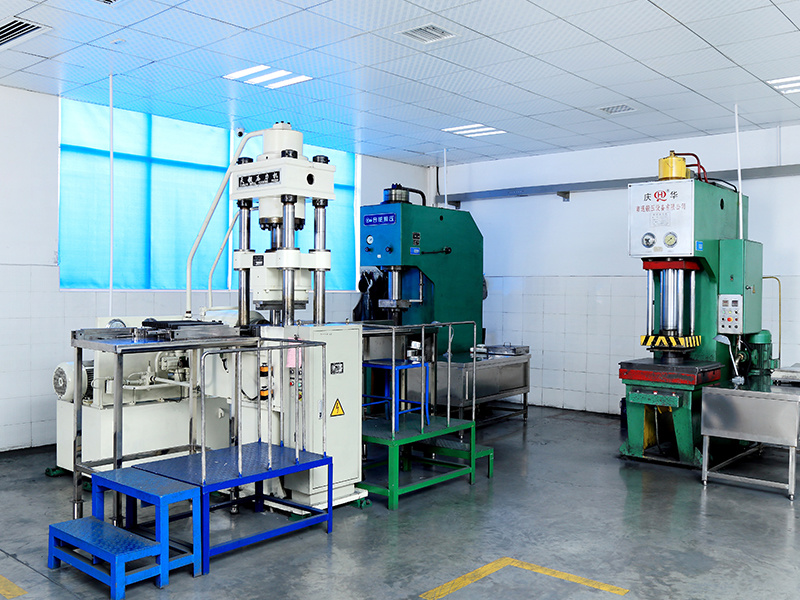
Factory Board
Recommended products


FAQ
2026-04-21
Common Issues in Machining Stainless Steel with Lizhou Turning Inserts
A detailed guide to LIZHOU cemented carbide turning inserts, covering naming conventions, types, selection of inserts specifically designed for roughing and finishing stainless steel, the differences between internal-bore and external-diameter inserts, and answers to frequently asked questions.
2026-04-21
Differences and Applications of Cobalt Drill Bits vs. Carbide Drill Bits
LiZhou Cemented Carbide provides a detailed comparison of cobalt-tipped drills and cemented carbide drills, covering material composition, hardness, tool life, suitable workpiece materials, and common issues to help you quickly select the right tool.
2026-03-31
What is the melting point of tungsten carbide? – Lizhou Cemented Carbide
This comprehensive analysis of Lizhou Cemented Carbide covers the melting point of tungsten carbide (2,870°C), a performance comparison, and industrial applications, explaining in detail why its high melting point makes cemented carbide highly resistant to high temperatures, wear, and deformation—making it ideally suited for tools, mining, steelmaking, and other demanding applications.
2026-03-28
How to Choose Positive and Negative Turning Inserts | LiZhou ISO Turning Tool Code Analysis
A Must-Read for Beginners! Lizhou Cemented Carbide Shows You How to Decode ISO Codes for Turning Inserts, Distinguish Between Positive- and Negative-Rake Inserts, Master the Three Key Selection Principles, and Resolve Common Issues Such as Poor Finish in Precision Turning and Work-Hardening When Machining Stainless Steel.
Hotline:
IPV4 / IPV6