


FAQ
SNMG-TM\PV turning inserts
China Lizhou Hard Alloy Source Factory
Product Name:Steel Turning Inserts
Coating : CVD
Brand number:LPC202\302
Classification :
Turning insert
keyword:
lizhou




Comprehensive Guide to Carbide Turning Inserts: SNMG120408-MA, SNMG190612-TM, SNMG120409
Introduction
Carbide turning inserts are essential components in modern CNC machining and metalworking. Their performance directly influences machining efficiency, tool life, and the surface quality of the finished workpiece. Among the wide range of ISO-standard inserts, models such as SNMG120408-MA, SNMG190612-TM, and SNMG120409 have gained popularity due to their versatility and precision. Manufactured with high-quality cemented carbide substrates and advanced coatings, these inserts are designed to meet the demanding requirements of industries such as automotive, aerospace, mold making, and heavy machinery.
This article provides a comprehensive analysis of these inserts, covering advantages, ISO coding meaning, numerical parameter breakdown, applications, features, usage guidelines, and innovative technologies.
Type | Basic dimensions (mm) | Cutting data | CVD | ||||||
I.C | S | D | R | Cutting depth (mm) | Feed ( mm/tooth ) | LMP102 | LMP202 | LPC302 | |
SNMG120404-TM | 12.70 | 4.76 | 5.16 | 0.4 | 0.50-5.00 | 0.15-0.50 |
| ⚪ |
|
SNMG120408-TM | 12.70 | 4.76 | 5.16 | 0.8 | 0.50-5.00 | 0.15-0.50 |
| ⚪ |
|
SNMG120412-TM | 12.70 | 4.76 | 5.16 | 1.2 | 1.00-5.00 | 0.12-0.40 |
| ⚪ |
|
SNMG190612-TM | 19.05 | 6.35 | 7.94 | 1.2 | 1.20-5.00 | 0.17-0.55 |
| ⚪ |
|
SNMG120404R-PV | 12.70 | 4.76 | 5.16 | 1.2 | 1.50-5.00 | 0.17-0.55 |
|
| ⚪ |
SNMG120404L-PV | 12.70 | 4.76 | 5.16 | 1.2 | 1.50-5.00 | 0.17-0.55 |
|
| ⚪ |
SNMG120408R-PV | 12.70 | 4.76 | 5.16 | 1.2 | 1.50-5.00 | 0.17-0.55 |
|
| ⚪ |
SNMG120408L-PV | 12.70 | 4.76 | 5.16 | 1.2 | 1.50-5.00 | 0.17-0.55 |
|
| ⚪ |
1. Understanding Carbide Turning Inserts
Carbide inserts are replaceable cutting tools made of tungsten carbide and cobalt binder, often enhanced with coatings such as CVD (Chemical Vapor Deposition) or PVD (Physical Vapor Deposition). Compared with high-speed steel (HSS) tools, carbide inserts deliver:
Higher hardness (up to 92 HRA)
Superior wear resistance
High thermal stability
Extended tool life
Consistency in mass production machining
By using standardized insert codes such as SNMG, manufacturers and users can quickly identify the geometry, dimensions, and chipbreaker styles of each insert.


2. Breaking Down the ISO Coding (SNMG Series)
Let’s analyze the insert designation SNMG120408-MA step by step:
S = Insert shape → Square (90° corners)
N = Relief angle → 0° clearance, neutral cutting edge
M = Tolerance → ±0.05 mm, medium precision
G = Insert type → Double-sided insert with a hole, suitable for clamping
12 = Insert size → 12 mm inscribed circle
04 = Thickness → 4.76 mm (approx. 5 mm)
08 = Nose radius → 0.8 mm
-MA / -TM = Chipbreaker style → MA = Medium finishing, TM = Rough to medium machining
Similarly, SNMG190612-TM means:
19 → 19 mm size
06 → 6.35 mm thickness
12 → 1.2 mm nose radius
TM → Universal chipbreaker, suitable for steel and stainless steel
SNMG120409 means:
Same as SNMG120408, but with a 0.9 mm nose radius, offering slightly higher strength and durability at the cutting edge.
3. Product Advantages and Performance
The SNMG series inserts provide a combination of stability, wear resistance, and cutting versatility. Key advantages include:
Double-Sided Design
Each insert can be used with 8 cutting edges, maximizing cost efficiency.
High-Quality Carbide Substrate
Enhanced fracture toughness to resist chipping under heavy cutting loads.
Advanced Coatings (CVD/PVD)
Multi-layer coatings improve oxidation resistance, anti-cratering, and thermal stability.
Example: TiN, TiCN, Al2O3, TiAlN coatings.
Optimized Chipbreaker Geometry
-MA chipbreaker is designed for medium finishing with stable chip control.
-TM chipbreaker works well in medium-to-rough machining, balancing chip evacuation with tool life.
Consistent Tolerance and Precision
Manufactured under ISO standards with precise edge honing, ensuring repeatability across large production batches.

4. Applications and Usage Scenarios
The SNMG inserts are widely applied in turning, facing, and boring operations.
Industry Applications
Automotive: machining engine blocks, crankshafts, shafts, and transmission components
Aerospace: machining high-strength alloys and precision parts
Heavy Machinery: cutting cast iron and forged steel components
General Engineering: shafts, rollers, and flanges
Material Compatibility
Steel (low carbon, medium carbon, alloy steels)
Stainless steel (with -TM breaker for chip evacuation)
Cast iron
Non-ferrous metals (with adjusted cutting parameters)
Machining Operations
Finishing (using SNMG120408-MA with small nose radius for smooth surface)
Medium machining (SNMG120409 for balance between strength and finish)
Rough machining (SNMG190612-TM with larger nose radius for durability)

5. Key Features
Geometry: Square shape provides strong cutting edge support
Versatility: Compatible with a wide range of tool holders and clamping systems
Durability: Excellent wear resistance for high-speed turning
Economy: Multi-edge usage reduces cost per part
Surface Quality: Optimized chipbreaker reduces built-up edge (BUE) and improves surface finish
6. Usage Notes and Best Practices
To maximize tool performance, users should consider the following:
Cutting Parameters
Use recommended cutting speed (Vc), feed rate (f), and depth of cut (ap) depending on material.
Example: For steel, cutting speeds between 150–250 m/min with feed rates 0.1–0.3 mm/rev.
Clamping Stability
Always ensure the insert is firmly seated in the toolholder pocket to avoid vibration.
Chip Control
Select the right chipbreaker (-MA or -TM) based on machining operation.
Coolant Use
Apply cutting fluid to improve chip evacuation and reduce thermal wear, especially for stainless steel.
Tool Wear Monitoring
Watch for flank wear, nose wear, or crater wear. Replace inserts before excessive wear to maintain surface quality.
Safety Considerations
Carbide inserts are brittle; avoid impact during handling.
Use protective gloves when changing inserts.

7. Technical and Innovative Aspects
Our carbide inserts are developed with proprietary innovations:
Nano-layer CVD Coating Technology
Provides exceptional wear resistance and thermal protection, extending tool life by up to 50% compared to conventional coatings.
Advanced Powder Metallurgy Process
Ensures uniform grain size in carbide substrate, improving toughness and reducing micro-chipping.
Edge Preparation Technology
Inserts are ground and honed with micro-edge radius, balancing sharpness and strength.
OEM/ODM Customization
We provide custom chipbreaker designs, coatings, and sizes to meet industry-specific needs.
Patented Chipbreaker Design
Optimized -MA and -TM chipbreaker geometries improve chip curling and evacuation, preventing chip entanglement in automated machining lines.
8. Comparison Between Models
| Model | Nose Radius | Thickness | Application Type | Key Strengths |
|---|---|---|---|---|
| SNMG120408-MA | 0.8 mm | 4.76 mm | Medium finishing | High surface quality, chip control |
| SNMG120409 | 0.9 mm | 4.76 mm | Medium machining | Balanced wear resistance & finish |
| SNMG190612-TM | 1.2 mm | 6.35 mm | Medium-to-roughing | Stronger cutting edge, longer tool life |
9. Why Choose Our Carbide Inserts?
With 33 years of manufacturing experience, we are a leading carbide insert manufacturer providing high-performance cutting tools for global markets. Our products are:
ISO & ANSI standard compliant
Exported to over 50 countries
Supported by OEM/ODM services
Manufactured under strict QC systems with 100% inspection
By choosing our SNMG series, customers benefit from lower machining costs, longer tool life, and consistent quality in high-volume production.
Conclusion
The SNMG120408-MA, SNMG190612-TM, and SNMG120409 carbide turning inserts represent reliable solutions for a wide range of turning applications. With advanced carbide substrates, innovative coatings, and optimized chipbreaker designs, these inserts provide excellent performance in steel, stainless steel, and cast iron machining.
For manufacturers seeking precision, durability, and cost efficiency, our carbide inserts stand as an ideal choice. Whether for automotive components, aerospace parts, or heavy machinery production, these tools ensure consistent quality and high productivity.
Previous page
Next page
Use equipment
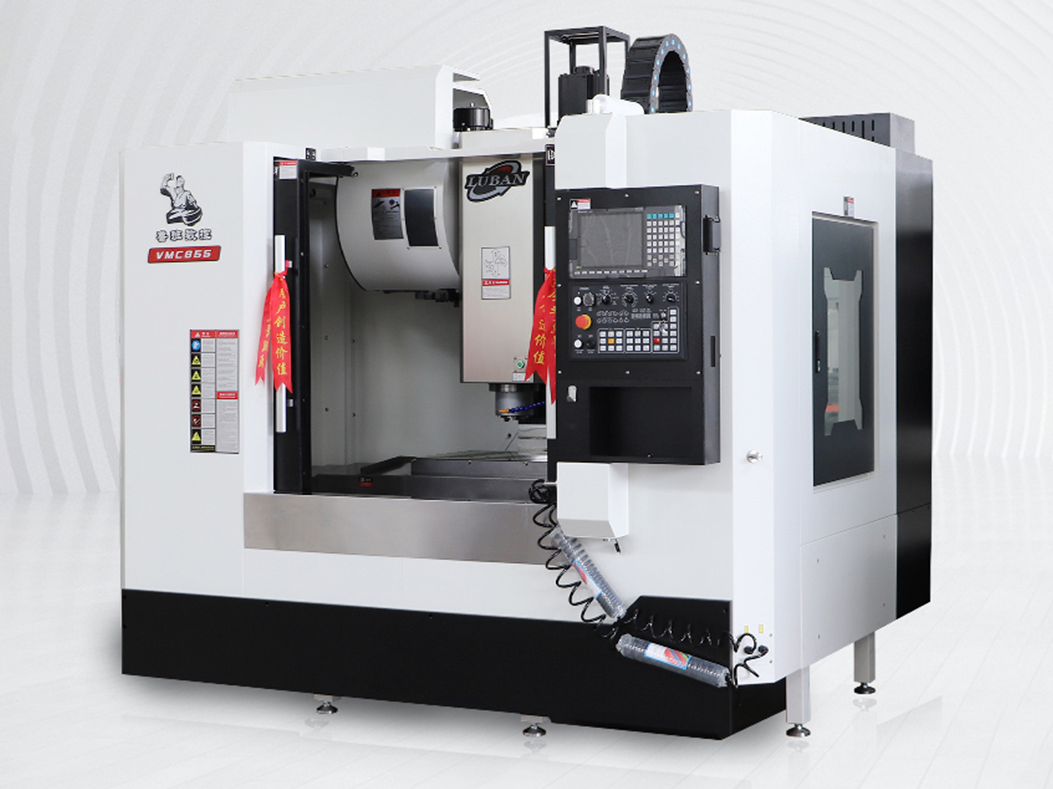
CNC machining centre
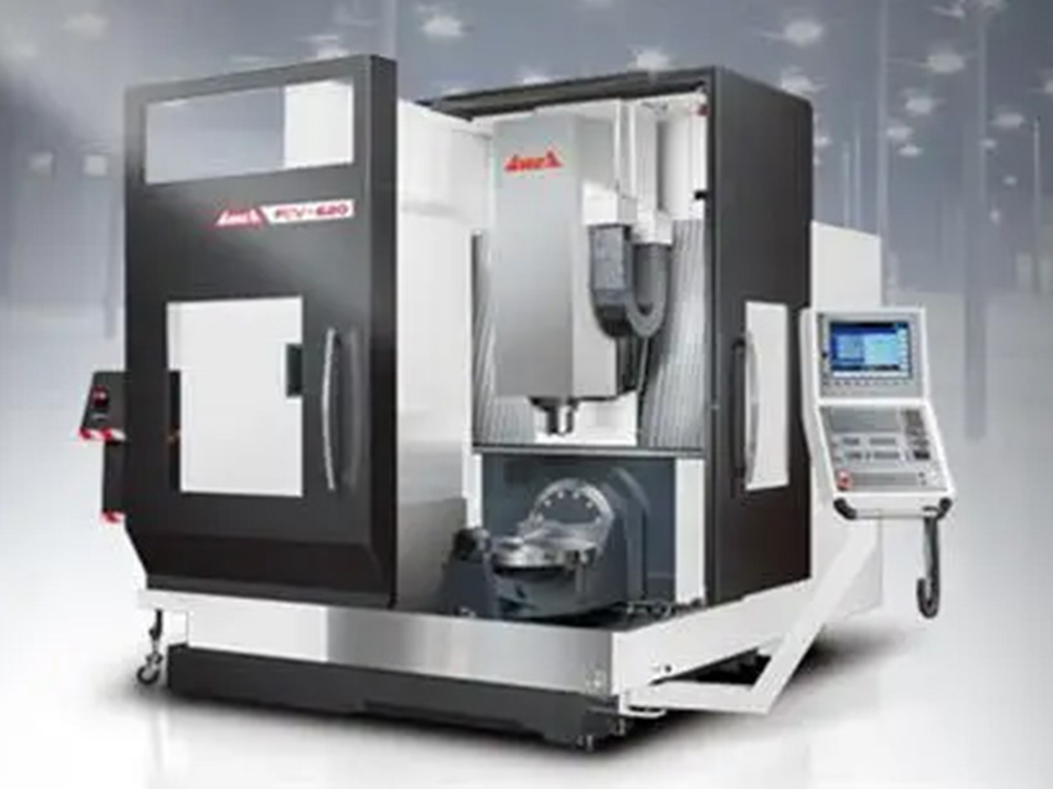
CNC machine tools
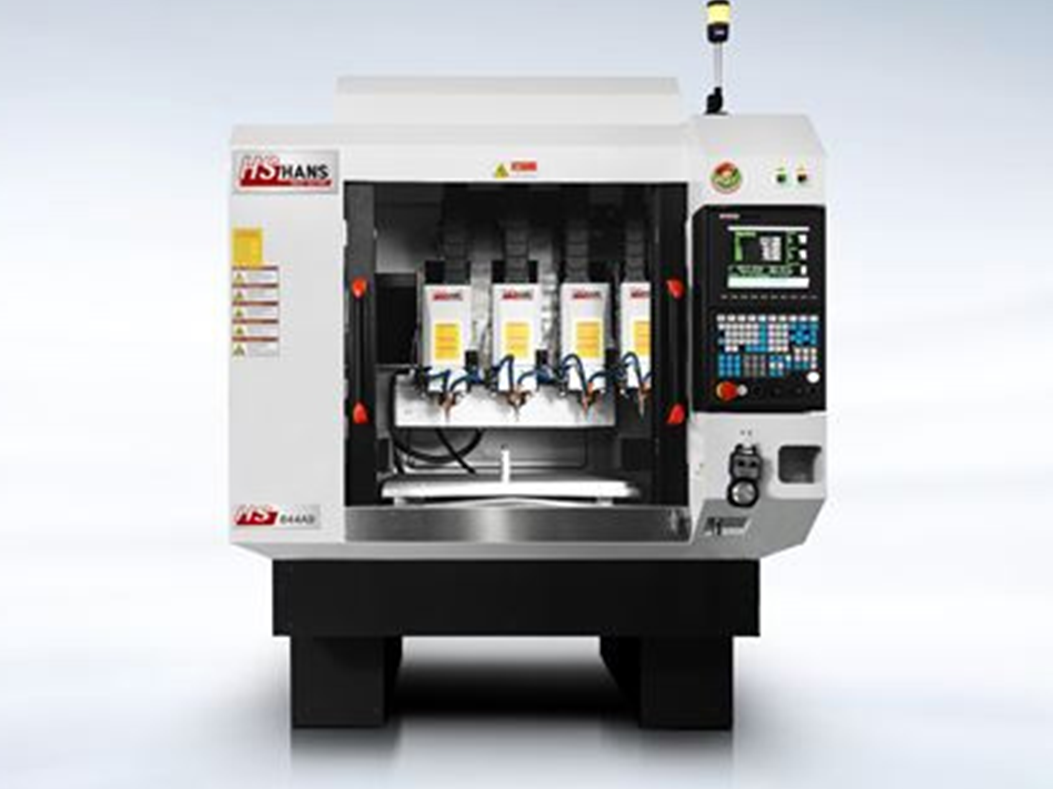
Carved machine
Factory Board
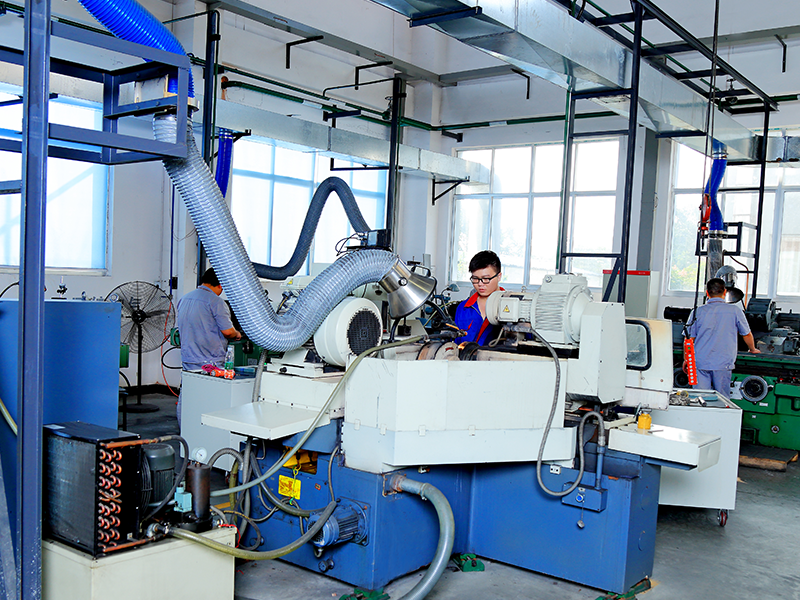
Factory Board
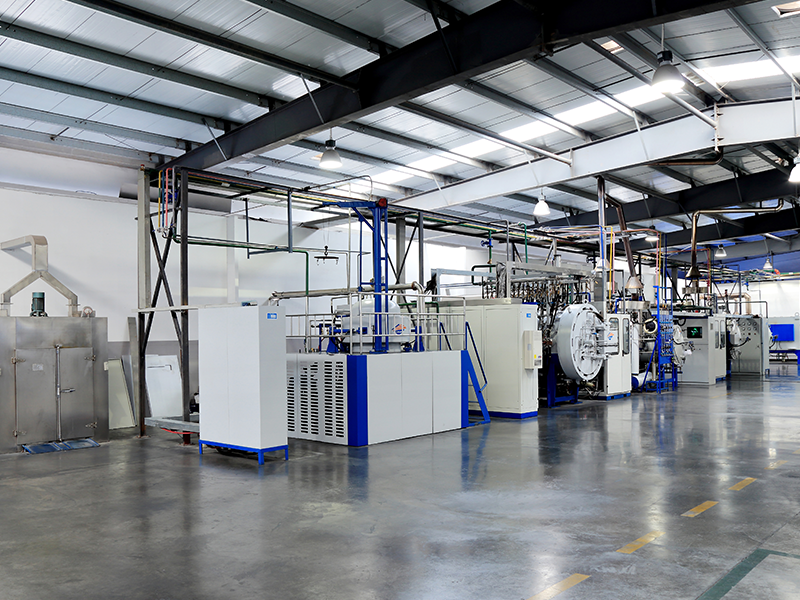
Factory Board
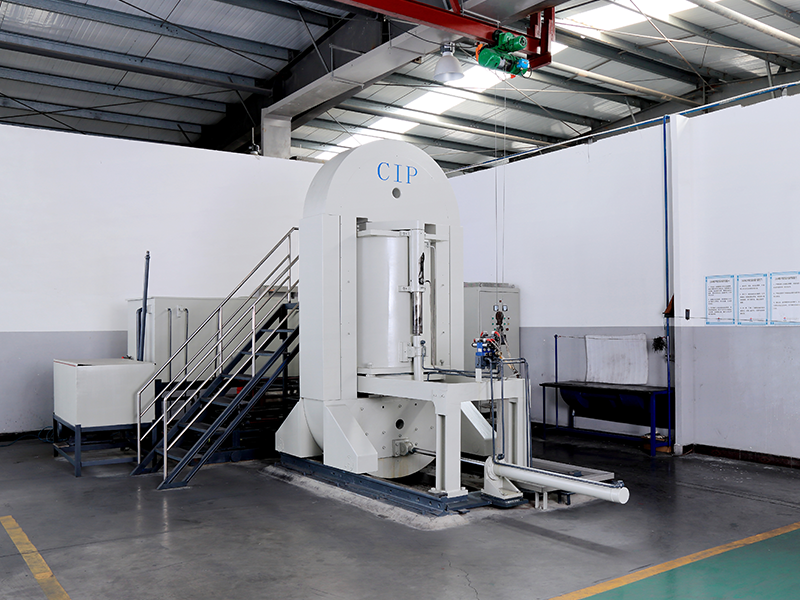
Factory Board
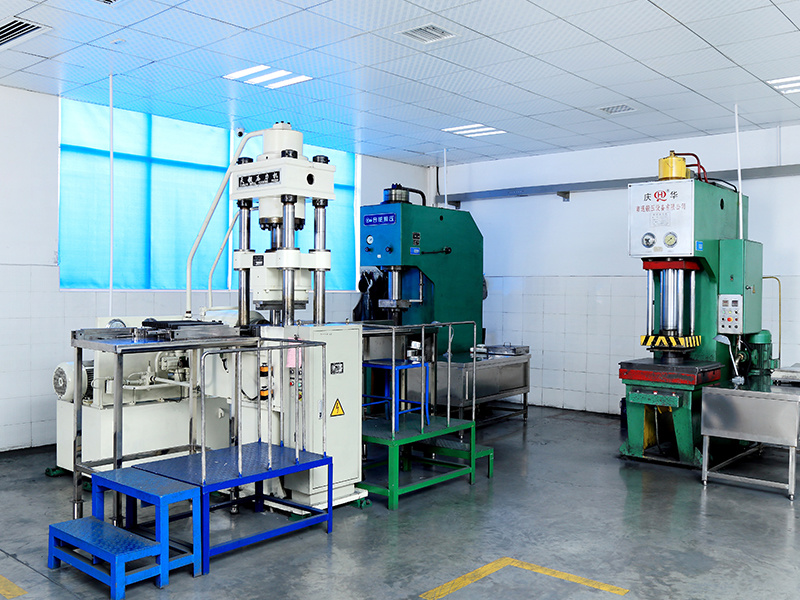
Factory Board
Recommended products


FAQ
2026-04-21
Common Issues in Machining Stainless Steel with Lizhou Turning Inserts
A detailed guide to LIZHOU cemented carbide turning inserts, covering naming conventions, types, selection of inserts specifically designed for roughing and finishing stainless steel, the differences between internal-bore and external-diameter inserts, and answers to frequently asked questions.
2026-04-21
Differences and Applications of Cobalt Drill Bits vs. Carbide Drill Bits
LiZhou Cemented Carbide provides a detailed comparison of cobalt-tipped drills and cemented carbide drills, covering material composition, hardness, tool life, suitable workpiece materials, and common issues to help you quickly select the right tool.
2026-03-31
What is the melting point of tungsten carbide? – Lizhou Cemented Carbide
This comprehensive analysis of Lizhou Cemented Carbide covers the melting point of tungsten carbide (2,870°C), a performance comparison, and industrial applications, explaining in detail why its high melting point makes cemented carbide highly resistant to high temperatures, wear, and deformation—making it ideally suited for tools, mining, steelmaking, and other demanding applications.
2026-03-28
How to Choose Positive and Negative Turning Inserts | LiZhou ISO Turning Tool Code Analysis
A Must-Read for Beginners! Lizhou Cemented Carbide Shows You How to Decode ISO Codes for Turning Inserts, Distinguish Between Positive- and Negative-Rake Inserts, Master the Three Key Selection Principles, and Resolve Common Issues Such as Poor Finish in Precision Turning and Work-Hardening When Machining Stainless Steel.
Hotline:
IPV4 / IPV6