


FAQ
RDMW(R5R6) milling cutter blade
China Lizhou Hard Alloy Source Factory
Product Name: milling insert
Coating : PVD
Material:Tungsten steel
Classification :
Milling insert
keyword:
lizhou




RDMW(R5R6) Carbide Milling Inserts: Performance, Applications, and Advantages
Introduction
Milling inserts are the core components of modern machining, directly influencing cutting efficiency, surface finish, and tool life. Among them, RDMW(R5R6) carbide inserts (including RDMW10T3MO, RDMW10T3MOA, RDMW1204MO, RDMW1204MA, RPMW08T2MOA, RPMW1204MO, RPMW1204MOA, RPMW1003MO, RPMW10T3MO, RDET10T3MOT, RDET1204MOT, RDMW1204MOTA-PM, RDMW1204MOT-PM, RDMW1605MOTA-PM, and RDMW1605MOT-PM) are widely recognized for their high performance and versatility.
Manufactured from premium carbide material, these inserts are specially engineered for high-speed milling, roughing, semi-finishing, and finishing applications across industries such as aerospace, automotive, mold-making, and general machining.
This article provides a comprehensive overview of RDMW(R5R6) carbide milling inserts, covering their advantages, performance parameters, applications, key features, precautions, and innovative technologies.
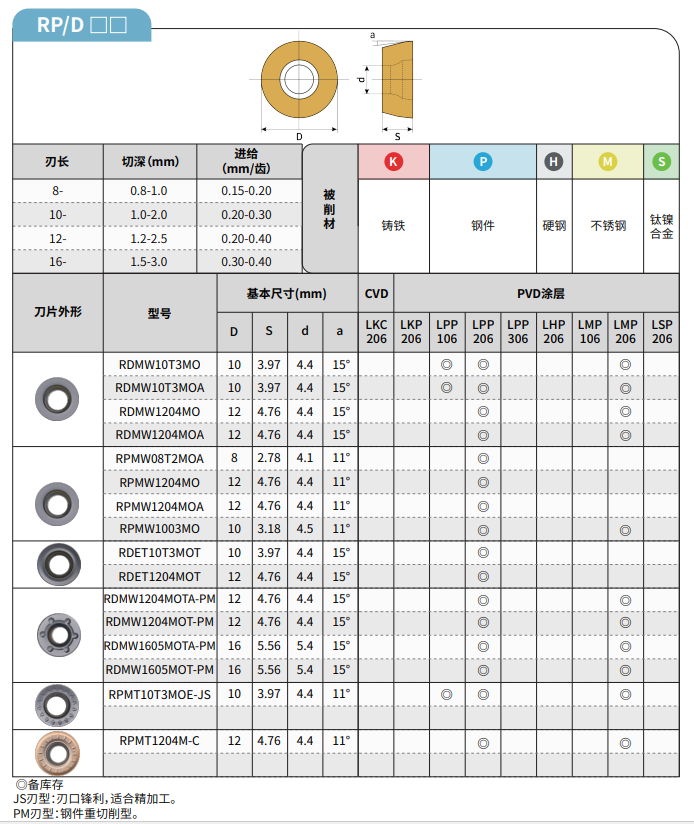

1. Advantages of Carbide Inserts in Milling
Carbide milling inserts, compared with high-speed steel (HSS) or ceramic tools, offer unmatched advantages:
Superior Hardness & Wear Resistance
Tungsten carbide, with hardness levels around 92 HRA, ensures long service life.
Excellent wear resistance even under high-speed and heavy-load cutting.
Thermal Stability
Can withstand cutting temperatures above 800°C.
Minimizes tool deformation and maintains sharp cutting edges.
High Efficiency
Supports high-speed machining (HSM), increasing productivity.
Allows deeper cutting depths and higher feed rates.
Versatility
Suitable for a wide range of materials: steel, stainless steel, cast iron, titanium alloys, and non-ferrous metals.
Cost-Effectiveness
Indexable inserts allow multiple cutting edges per insert, reducing tool replacement cost.


RDET10T3MOT-LHP116 (R5) RPMT10T3MOE-JS -LHP106H (R5)
2. Understanding RDMW(R5R6) Parameters
The nomenclature (letters and numbers) of carbide inserts provides critical information for engineers:
R = Round insert shape (offers high strength and durability).
D / P = Insert style or clearance angle.
M / T = Tolerance class and chipbreaker design.
W = Double-sided insert, more cutting edges for economy.
Numbers (10T3, 1204, 1605, etc.) = Insert size: diameter, thickness, corner radius.
Example: RDMW1204 → Diameter 12 mm, thickness 4 mm.
MO, MA, PM = Chipbreaker types for different cutting conditions:
MO: General-purpose medium cutting.
MA: Finishing application with excellent surface finish.
PM: Optimized for steel with balanced performance.
These parameters allow precise selection based on workpiece material, cutting depth, and feed rate.
3. Performance Analysis of RDMW(R5R6) Inserts
The RDMW(R5R6) family offers multiple cutting solutions:
RDMW10T3MO / RDMW10T3MOA
Small-sized inserts for precision milling and fine finishing.
RDMW1204MO / RDMW1204MA
Medium-sized inserts for general-purpose milling in steel and cast iron.
RDMW1605MOT / RDMW1605MOTA-PM
Larger inserts for heavy-duty roughing, ideal for molds and large workpieces.
RPMW08T2MOA / RPMW1204MOA / RPMW1003MO
Round milling inserts for profile milling and copy milling.
RDET10T3MOT / RDET1204MOT
For high-feed milling applications, excellent chip evacuation.
Key Performance Highlights:
Strong cutting edge geometry resists chipping.
Optimized chipbreaker design ensures smooth chip evacuation.
Multi-edge design reduces overall tooling cost.
Capable of machining at speeds up to 250–400 m/min depending on material.

4. Applications and Use Cases
RDMW(R5R6) inserts are widely applied in different machining industries:
Automotive Industry
Cylinder head machining, gear housings, engine blocks.
Aerospace Industry
Titanium alloy structural parts, turbine blades, landing gear.
Mold & Die Manufacturing
Copy milling of molds, die cavities, and 3D contour machining.
General Engineering
Slotting, side milling, face milling of steel and stainless steel parts.
Heavy-Duty Cutting
Large casting and forging components, roughing applications.
5. Key Features of RDMW(R5R6) Inserts
High toughness substrate to resist chipping in interrupted cuts.
Coated grades (CVD / PVD TiAlN, AlTiN, etc.) for extended tool life.
Versatile chipbreakers for stable machining in roughing and finishing.
Indexable design: multiple edges per insert reduce cost.
Round cutting edge geometry provides smoother cutting and longer life.

6. Precautions for Using Carbide Inserts
To maximize insert performance:
Select correct grade: Use wear-resistant grades for cast iron, tougher grades for stainless steel.
Optimize cutting parameters: Follow recommended cutting speed, feed, and depth.
Coolant usage: Apply appropriate coolant in high-temperature materials.
Tool holder inspection: Ensure proper clamping to avoid insert breakage.
Edge utilization: Rotate insert edges to fully use all cutting edges.
7. Technological Innovations & Patents
Modern carbide inserts like the RDMW(R5R6) family integrate advanced manufacturing technologies:
Powder Metallurgy (PM) Technology
Produces ultra-fine carbide grains for higher toughness.
CVD & PVD Coating Innovation
Multi-layer coatings improve wear resistance, reduce friction.
Chipbreaker Design Patents
Specially engineered grooves ensure controlled chip flow, minimizing tool wear.
Finite Element Analysis (FEA) in design stage
Optimized cutting edge geometry for lower cutting forces.
These innovations ensure RDMW(R5R6) carbide inserts deliver superior machining efficiency, stability, and cost savings.
Conclusion
The RDMW(R5R6) series carbide milling inserts are engineered for precision, strength, and versatility. With advanced chipbreaker design, superior carbide substrates, and cutting-edge coating technologies, these inserts excel in high-speed milling, copy milling, heavy-duty roughing, and finishing applications.
By offering excellent wear resistance, thermal stability, and multi-edge economy, RDMW(R5R6) inserts help manufacturers achieve higher productivity, better surface finish, and reduced tool costs.
For industries such as automotive, aerospace, mold-making, and general machining, RDMW(R5R6) carbide inserts remain a trusted solution for efficient and reliable milling operations.
Previous page
Next page
Use equipment
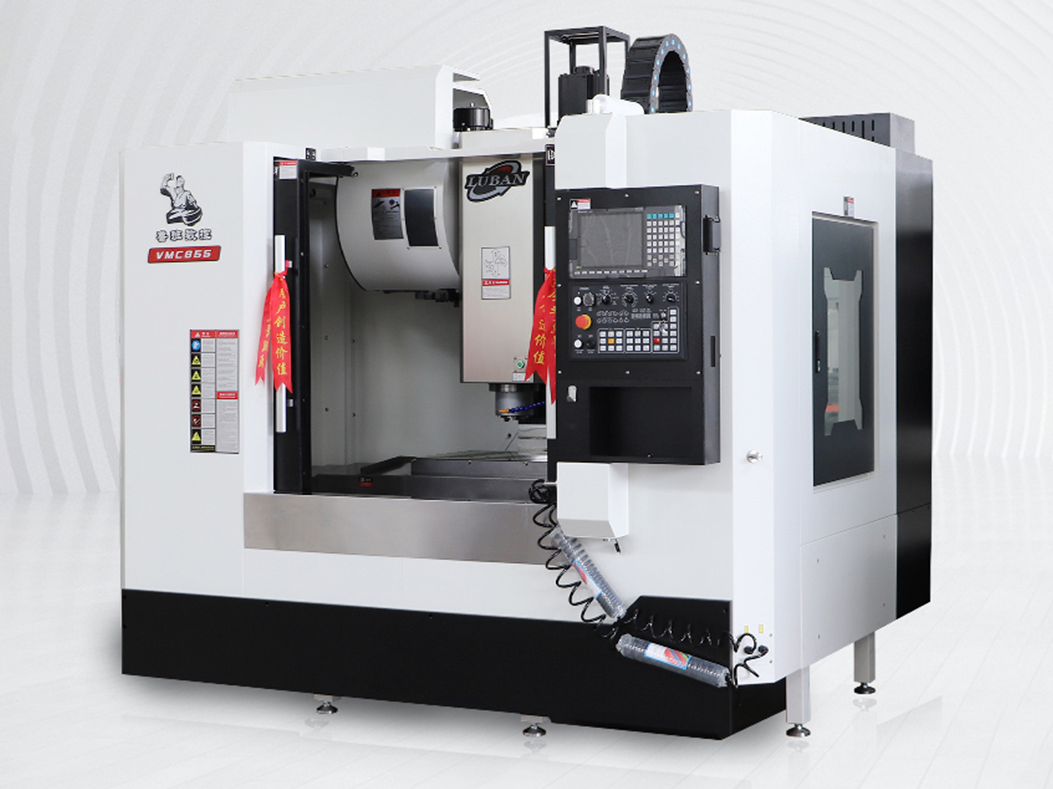
CNC machining centre
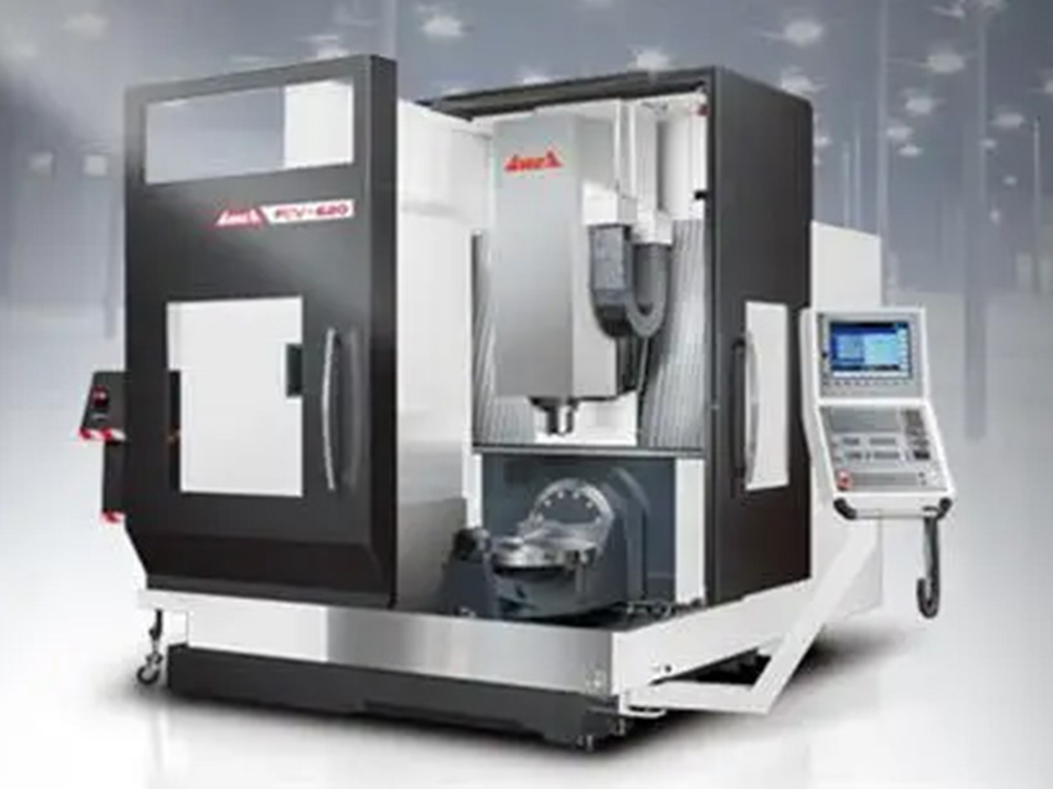
CNC machine tools
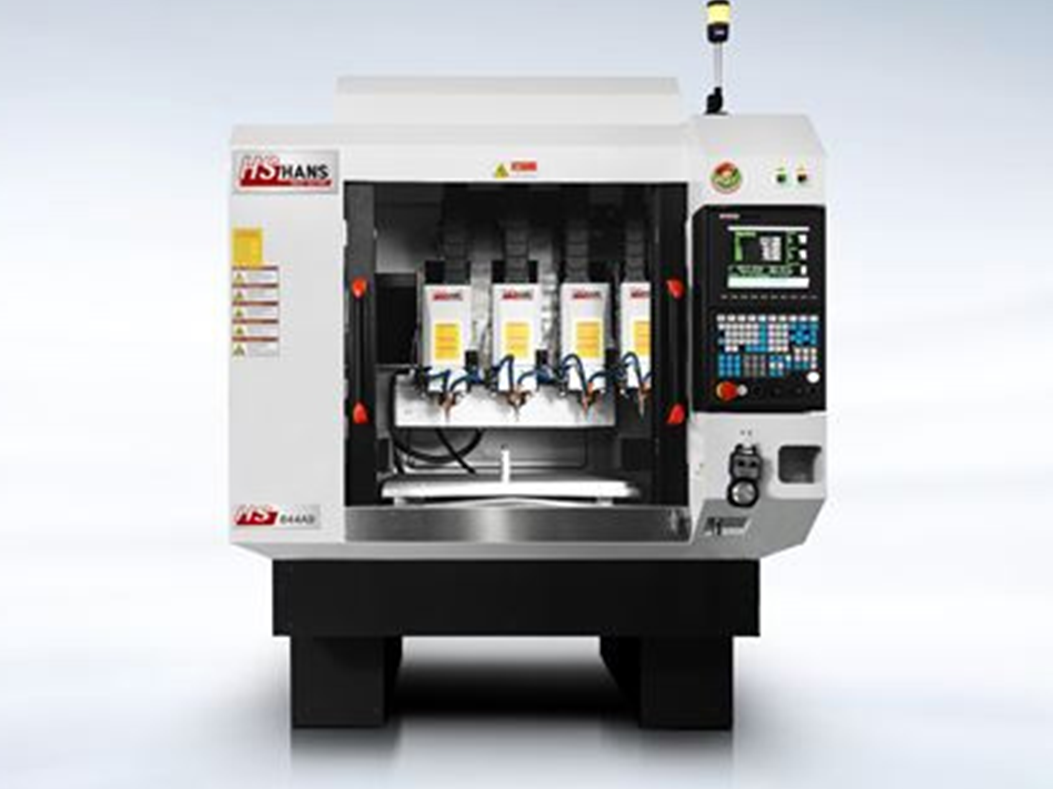
Carved machine
Factory Board
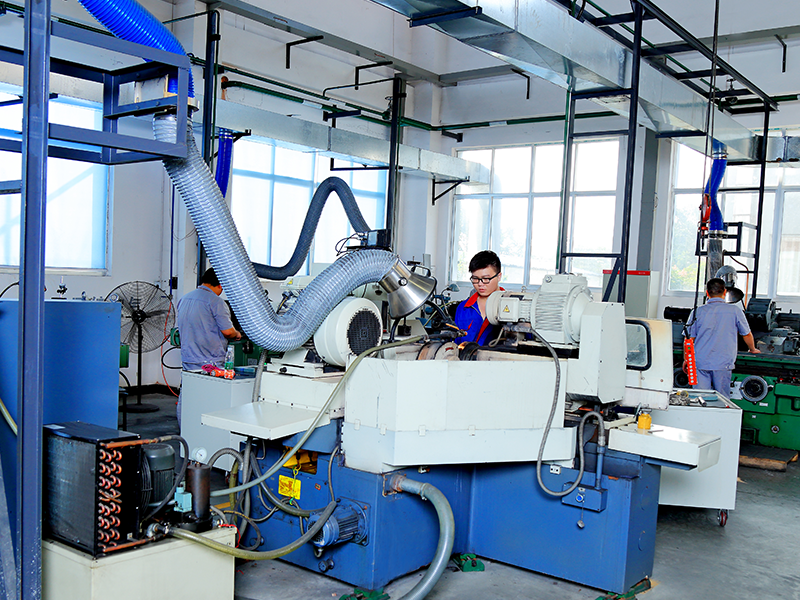
Factory Board
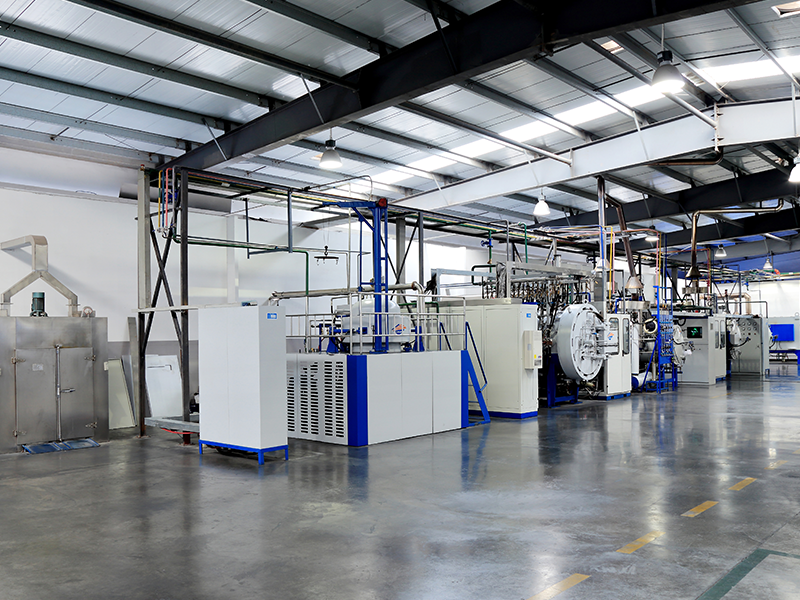
Factory Board
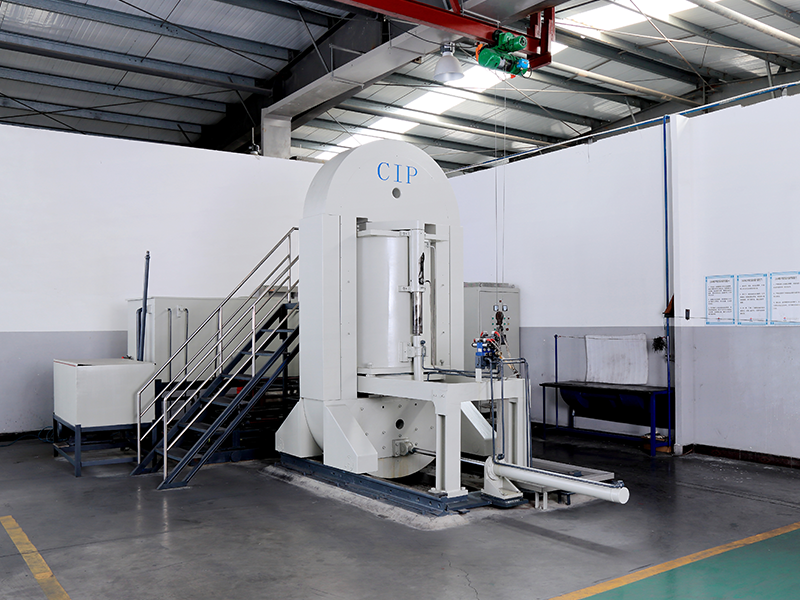
Factory Board
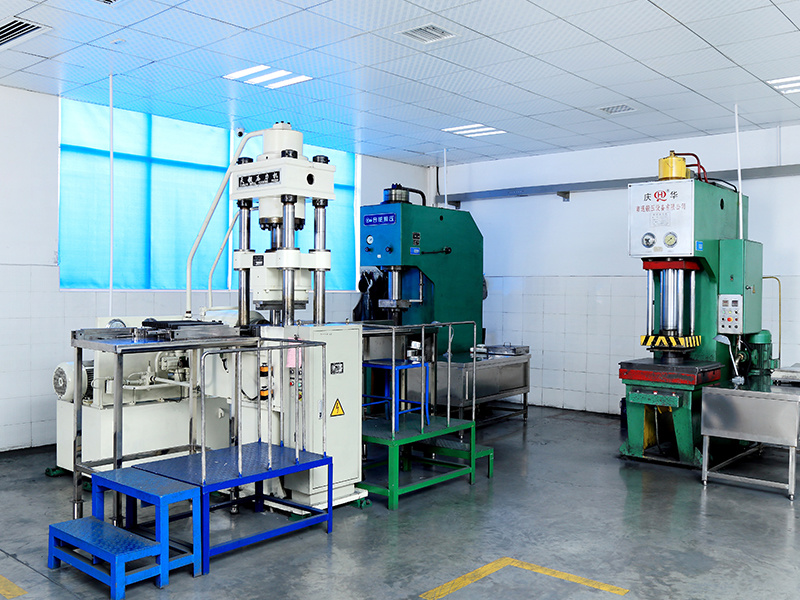
Factory Board
Recommended products


FAQ
2026-04-21
Common Issues in Machining Stainless Steel with Lizhou Turning Inserts
A detailed guide to LIZHOU cemented carbide turning inserts, covering naming conventions, types, selection of inserts specifically designed for roughing and finishing stainless steel, the differences between internal-bore and external-diameter inserts, and answers to frequently asked questions.
2026-04-21
Differences and Applications of Cobalt Drill Bits vs. Carbide Drill Bits
LiZhou Cemented Carbide provides a detailed comparison of cobalt-tipped drills and cemented carbide drills, covering material composition, hardness, tool life, suitable workpiece materials, and common issues to help you quickly select the right tool.
2026-03-31
What is the melting point of tungsten carbide? – Lizhou Cemented Carbide
This comprehensive analysis of Lizhou Cemented Carbide covers the melting point of tungsten carbide (2,870°C), a performance comparison, and industrial applications, explaining in detail why its high melting point makes cemented carbide highly resistant to high temperatures, wear, and deformation—making it ideally suited for tools, mining, steelmaking, and other demanding applications.
2026-03-28
How to Choose Positive and Negative Turning Inserts | LiZhou ISO Turning Tool Code Analysis
A Must-Read for Beginners! Lizhou Cemented Carbide Shows You How to Decode ISO Codes for Turning Inserts, Distinguish Between Positive- and Negative-Rake Inserts, Master the Three Key Selection Principles, and Resolve Common Issues Such as Poor Finish in Precision Turning and Work-Hardening When Machining Stainless Steel.
Hotline:
IPV4 / IPV6