


FAQ
SEKR face milling cutter
China Lizhou Hard Alloy Source Factory
Product Name: face milling cutter
Coating : PVD
Material:Tungsten steel
Classification :
Milling insert
keyword:
lizhou




SEKR1203AFTN Carbide Milling Insert – High-Performance Solution for Precision Machining
Introduction
In the field of modern machining, the demand for tools that can balance productivity, cost-efficiency, and durability continues to grow. Carbide inserts are the backbone of milling operations in industries ranging from automotive and aerospace to mold-making and general engineering. Among the wide variety of milling inserts, the SEKR1203AFTN stands out for its precision, reliability, and superior performance.
As a professional carbide manufacturer, our company has developed the SEKR1203AFTN insert to meet the requirements of demanding cutting operations. It is designed with advanced carbide substrates, innovative coatings, and optimized geometries to ensure high efficiency and consistent results in various machining environments.
This article provides a comprehensive overview of the SEKR1203AFTN carbide insert, including its code breakdown, performance analysis, application scenarios, features, precautions, and technical innovations, helping buyers and engineers make an informed choice.
Blade length | Cutting depth (mm) | Feed rate (mm/tooth ) | Workpiece material | K | P | H | M | S | |||||||
12- | 1.5-5.5 | 0.10-0.40 | Cast iron | Steel | Hardened steel | Stainless steel | Titanium nickel alloy | ||||||||
Type | Basic dimensions (mm) | CVD | PVD | ||||||||||||
I.C | S | r | d | LKC206 | LKP206 | LPP106 | LPP206 | LPP306 | LHP206 | LMP106 | LMP206 | LSP206 | |||
SEKR1203AFTN | 12.7 | 3.18 | 1.6 | 2.0 |
|
| ◎ | ◎ |
|
|
| ◎ |
| ||


1. Breaking Down the Code: SEKR1203AFTN
Carbide insert nomenclature follows international standards (ISO/ANSI), where each letter and number communicates a specific design feature. Let us decode SEKR1203AFTN step by step:
S – Insert Shape: Square insert, providing four cutting edges per side and eight edges in total for cost efficiency.
E – Relief Angle: 20° clearance angle, improving cutting edge sharpness and reducing cutting forces.
K – Tolerance Class: Medium precision insert, suitable for both general-purpose and precision milling.
R – Hole/Clamping System: Round hole, compatible with screw clamping systems, ensuring rigidity and stability.
12 – Size: 12 mm inscribed circle (IC), a common standard size for milling applications.
03 – Thickness: 3.97 mm (≈ 4 mm), making it versatile for both light and medium-duty milling.
A – Edge Preparation: Standard chamfer or honing for reinforced cutting edge strength.
F – Chipbreaker Design: Finishing geometry, optimized for fine surface quality and low cutting resistance.
TN – Application Style: Designed for milling operations, providing robust cutting edges and stable chip evacuation.
This classification ensures machinists, engineers, and procurement specialists can clearly understand the geometry, clamping system, and intended usage of the insert.
2. Advantages of Carbide Inserts (SEKR1203AFTN)
The SEKR1203AFTN insert is manufactured using premium tungsten carbide substrates with advanced CVD/PVD coatings, giving it several unique advantages:
High Hardness and Wear Resistance
Can withstand cutting speeds significantly higher than high-speed steel (HSS).
Excellent resistance against abrasive wear during high-volume production.
Thermal Stability
Maintains strength at high machining temperatures.
Suitable for dry and high-speed milling applications.
Edge Toughness
Optimized geometry reduces chipping risks.
Balanced toughness ensures stable performance in interrupted cuts.
Long Tool Life
Advanced coatings (TiAlN, AlTiN, or CVD multilayer) minimize crater wear and flank wear.
Extended insert life reduces downtime and tool change frequency.
Cost Efficiency
Multi-edge design provides up to 8 usable cutting edges per insert, lowering cost-per-part.
3. Performance Analysis of SEKR1203AFTN
The SEKR1203AFTN is a finishing-grade insert, but its versatility allows both finishing and semi-finishing in different materials.
Cutting Efficiency: The sharp edge geometry and 20° relief angle reduce cutting resistance, enabling high-speed operations.
Chip Control: The “F” chipbreaker design promotes smooth chip evacuation, avoiding chip re-cutting and improving surface quality.
Surface Finish: Provides fine surface finishes, ideal for precision components and mold applications.
Tool Life: Coatings and edge preparation significantly extend usable life, especially under stable cutting conditions.
Stability: Secure screw clamping ensures vibration resistance and consistent performance.
4. Application Scenarios
The SEKR1203AFTN carbide insert is widely used in multiple industries and machining operations:
Automotive Industry
Finishing of engine blocks, transmission housings, and brake components.
Aerospace Sector
Milling lightweight alloys and heat-resistant superalloys for turbine and structural parts.
Mold and Die Industry
Fine milling of mold cavities and surfaces requiring excellent dimensional accuracy.
General Engineering
Precision machining of steel, stainless steel, and cast iron parts.
Energy and Heavy Equipment
Precision milling in wind power hubs, compressors, and heavy machinery components.

5. Key Features and Benefits
Square Shape (S) → 8 cutting edges for maximum cost efficiency.
20° Relief Angle (E) → Sharp edges for smooth cutting and low resistance.
Finishing Geometry (F) → Superior surface quality.
Optimized Chip Control → Prevents chip clogging and heat buildup.
Versatility → Effective on steels, cast irons, stainless steels, and alloys.
Stable Clamping (R) → Secure screw system ensures rigidity in high-speed cutting.
6. Precautions and Best Practices
To achieve optimal results with SEKR1203AFTN, machinists should follow these guidelines:
Correct Cutting Parameters
Adjust cutting speed and feed per tooth according to material type.
For finishing, use higher spindle speeds with lower feed rates.
Insert Clamping
Ensure clean, rigid clamping to avoid insert movement or vibration.
Coolant Use
For steels and cast irons, dry cutting is possible.
For stainless steels and heat-resistant alloys, cutting fluid is recommended.
Inspection and Replacement
Replace inserts at early wear stages to prevent tool failure.
Proper Storage
Store in anti-moisture, anti-corrosion containers to preserve coatings and cutting edges.
7. Technological Innovations and Patents
Our carbide manufacturing expertise integrates advanced technologies into SEKR1203AFTN inserts:
Nano-Coating Technology – Extends tool life with superior heat resistance.
High-Pressure Sintering – Improves carbide substrate density and strength.
Edge Preparation Innovations – Reduces micro-chipping and enhances cutting consistency.
Patented Chipbreaker Designs – Custom geometries available for specialized customer needs.
OEM/ODM Solutions – Tailored geometries, coatings, and branding available for global partners.
8. Why Choose Us as Your Carbide Supplier
As a hard alloy manufacturer, we offer complete solutions, not just products:
Direct Factory Supply → Ensuring competitive pricing and stable availability.
Strict Quality Control → Each batch undergoes hardness, toughness, and coating performance tests.
Global Reach → Serving clients across Asia, South America, Africa, Europe, and the Middle East.
Engineering Support → Helping clients optimize machining parameters for better performance.
OEM/ODM Services → Providing customization for branding and application-specific needs.
Conclusion
The SEKR1203AFTN carbide milling insert is a high-performance, finishing-oriented square insert that offers outstanding wear resistance, reliable chip control, and excellent surface quality. Its 8 usable cutting edges, advanced carbide substrate, and precision geometry make it one of the most cost-effective solutions in modern machining.
Designed for precision applications in automotive, aerospace, mold-making, and engineering industries, this insert ensures long tool life, superior surface finishes, and stable cutting performance.
As a trusted carbide manufacturer, we are committed to delivering products like SEKR1203AFTN that not only meet but exceed industry expectations, supporting global manufacturers in achieving higher productivity and profitability.
Previous page
Next page
Use equipment
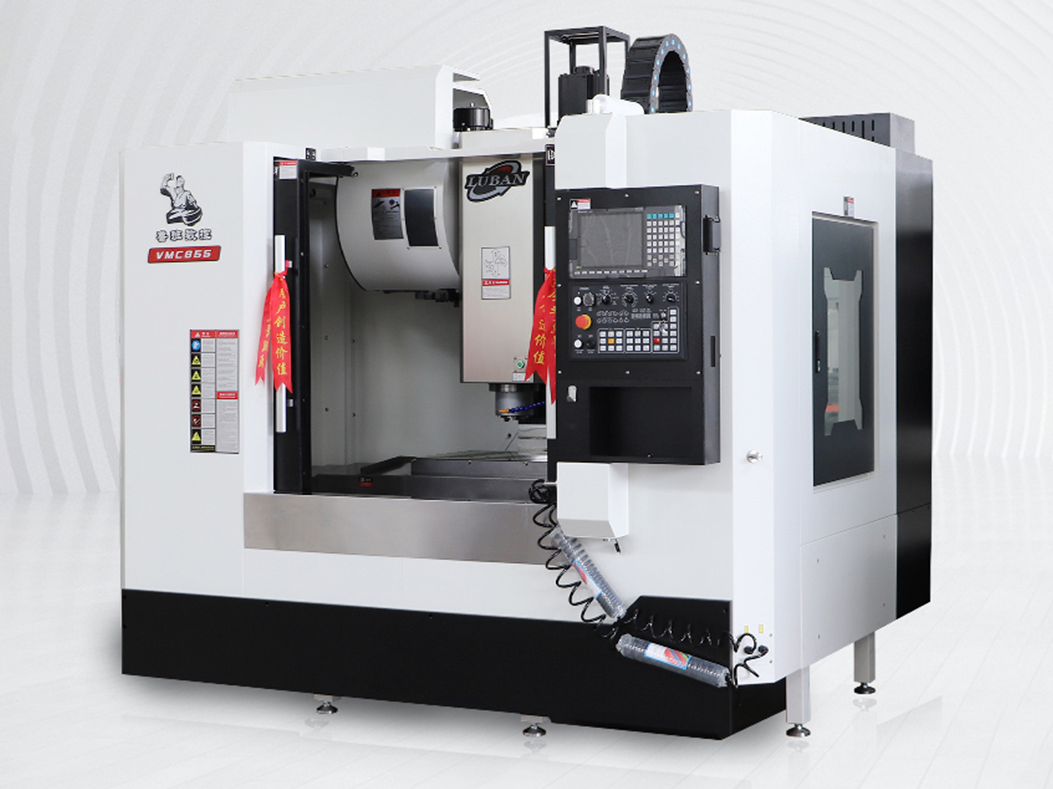
CNC machining centre
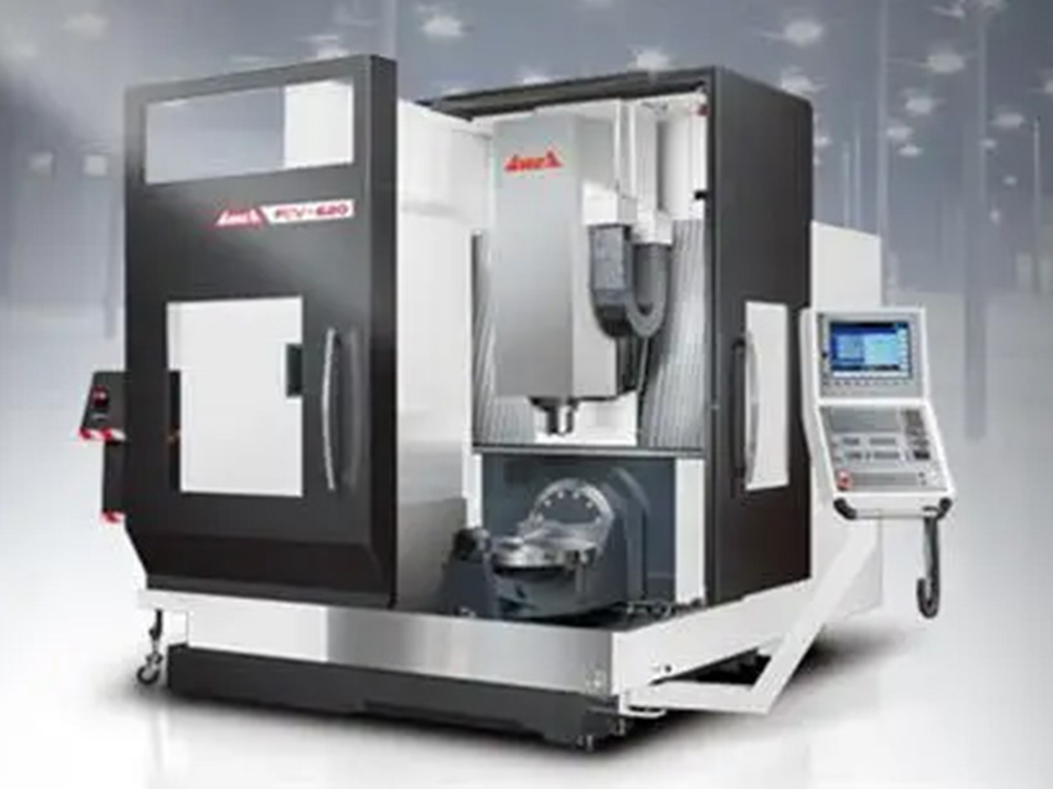
CNC machine tools
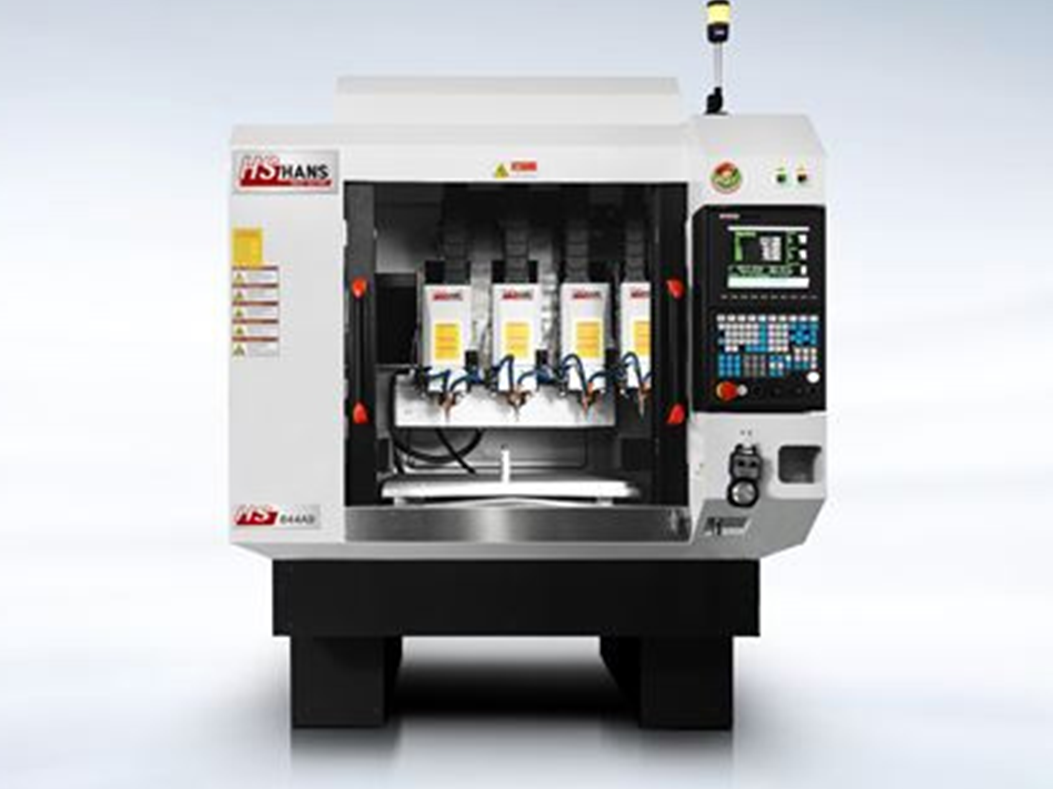
Carved machine
Factory Board
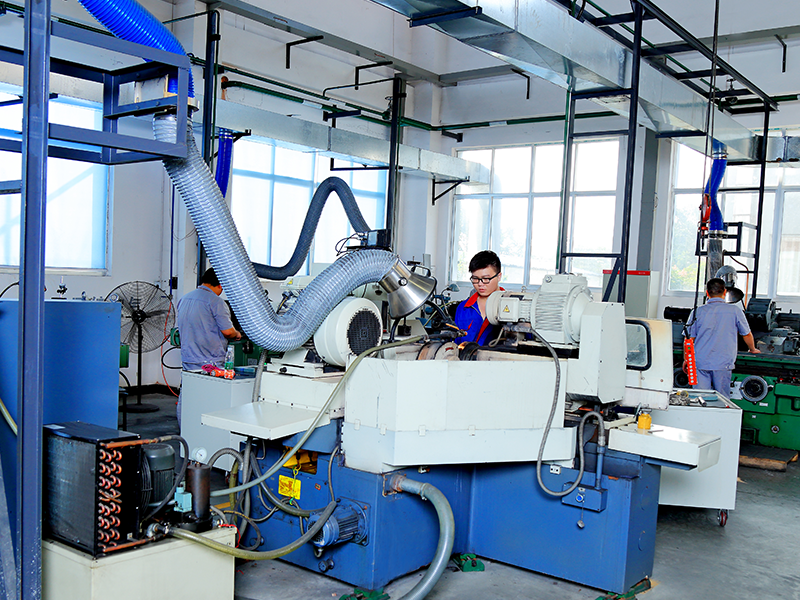
Factory Board

Factory Board
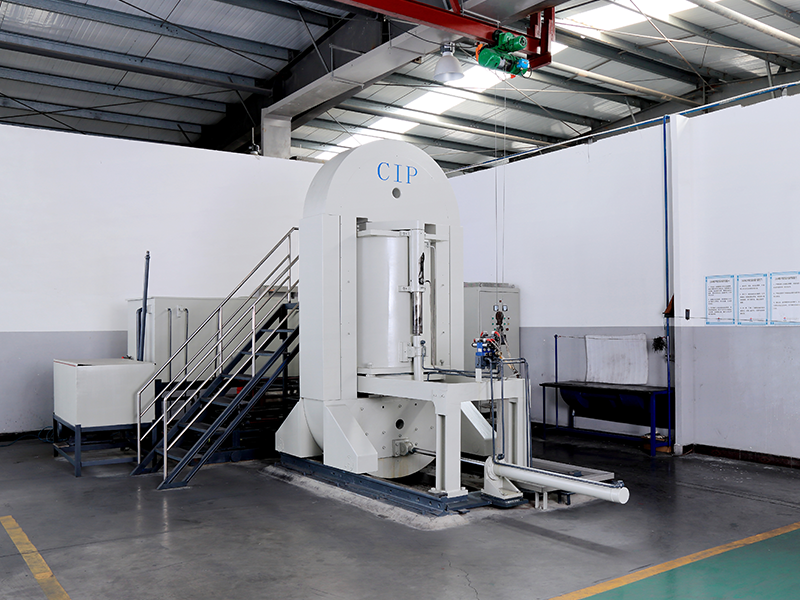
Factory Board
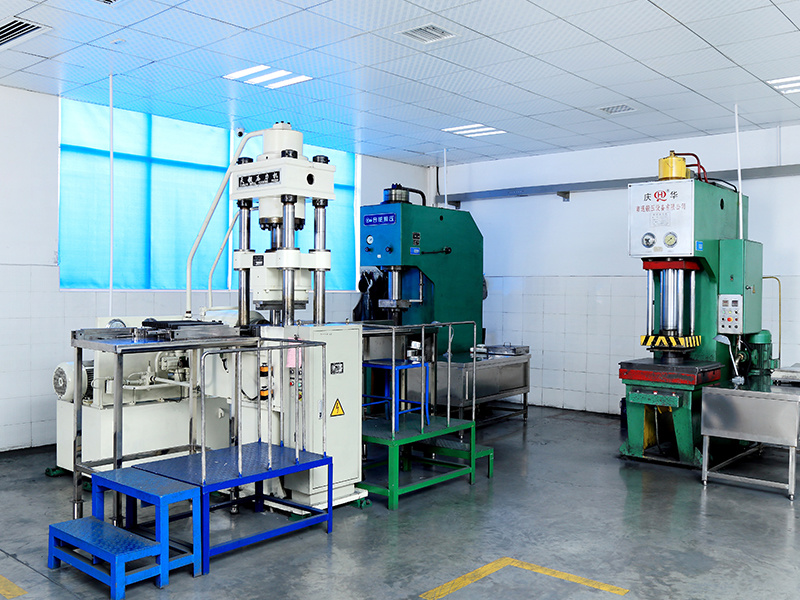
Factory Board
Recommended products

SEKN1203AFN Gantry milling blade,As a trusted hard alloy manufacturer, we are dedicated to providing inserts like the SEKN1203AFN that combine cutting-edge technology, strict quality control, and industry-specific expertise to help global manufacturers achieve higher efficiency and profitability.

SNMU1206ANEN\SNMU120508EN face milling cutter series,As a professional carbide manufacturer, we are committed to delivering world-class cutting tool solutions that meet the evolving needs of global industries. The SNMU1206ANTN insert is not only a tool but a strategic advantage in modern machining.

APKT150412-PM-Corn milling cutter,By choosing our APKT150412-PM inserts, manufacturers gain cost savings, improved productivity, and reliable machining performance backed by the strength of a professional carbide insert manufacturer.
FAQ
2026-04-21
Common Issues in Machining Stainless Steel with Lizhou Turning Inserts
A detailed guide to LIZHOU cemented carbide turning inserts, covering naming conventions, types, selection of inserts specifically designed for roughing and finishing stainless steel, the differences between internal-bore and external-diameter inserts, and answers to frequently asked questions.
2026-04-21
Differences and Applications of Cobalt Drill Bits vs. Carbide Drill Bits
LiZhou Cemented Carbide provides a detailed comparison of cobalt-tipped drills and cemented carbide drills, covering material composition, hardness, tool life, suitable workpiece materials, and common issues to help you quickly select the right tool.
2026-03-31
What is the melting point of tungsten carbide? – Lizhou Cemented Carbide
This comprehensive analysis of Lizhou Cemented Carbide covers the melting point of tungsten carbide (2,870°C), a performance comparison, and industrial applications, explaining in detail why its high melting point makes cemented carbide highly resistant to high temperatures, wear, and deformation—making it ideally suited for tools, mining, steelmaking, and other demanding applications.
2026-03-28
How to Choose Positive and Negative Turning Inserts | LiZhou ISO Turning Tool Code Analysis
A Must-Read for Beginners! Lizhou Cemented Carbide Shows You How to Decode ISO Codes for Turning Inserts, Distinguish Between Positive- and Negative-Rake Inserts, Master the Three Key Selection Principles, and Resolve Common Issues Such as Poor Finish in Precision Turning and Work-Hardening When Machining Stainless Steel.
Hotline:
IPV4 / IPV6
business license