


FAQ
Wu's Threaded Blade
China Lizhou Hard Alloy Source Factory
Product Name:Wyeth thread inserts
Coating : PVD
Brand number:LMP203
Classification :
Threading insert
keyword:
lizhou




Product Details: Wyeth Thread Blade
External thread |
Basic dimensions (mm) |
PVD |
|||||
Pitch |
I.C. |
S |
D |
LPP203 |
LMP203 |
||
16ER11W |
11
|
9.525
|
|
√ |
|||
16ER14W |
14
|
9.525
|
3.52
|
4.0
|
|
√ |
|
Type |
Internal thread |
Basic dimensions (mm) |
PVD |
||||
Pitch |
I.C. |
S |
D |
LPP203 |
LMP203 |
||
16IR11W |
11
|
9.525
|
3.52
|
4.0
|
|
√ |
|
16IR14W |
14
|
9.525
|
3.52
|
4.0
|
|
√ |
|
“Wyeth” at Wyeth Thread What does it mean in a threaded blade?
The Whipple thread blade originates from the thread standard designed in 1841. It was the world’s first standardized thread and holds significant historical importance.


What does the Wyeth thread blade model 16ER11W mean?
16 indicates: The diameter of the blade’s inscribed circle is 16 millimeters.
E indicates: Cutting type—“E” stands for external thread cutting inserts, and “I” stands for internal thread cutting inserts.
R represents : The cutting direction: “L” stands for left-hand thread, and “R” stands for right-hand thread.
11 indicates: a pitch of 11 inches.
W stands for: Whitworth thread
What are the advantages of Wyeth threaded blades?
1. High connection strength: This can reduce deformation caused by uneven stress distribution during the use of threads.
2. Excellent sealing performance: The thread accuracy of Whiteworth threads is strictly controlled, allowing the external and internal threads to fit together tightly.
3. Wide applicability: Excellent material compatibility, suitable for a variety of metallic and non-metallic materials.
Previous page
Next page
Use equipment
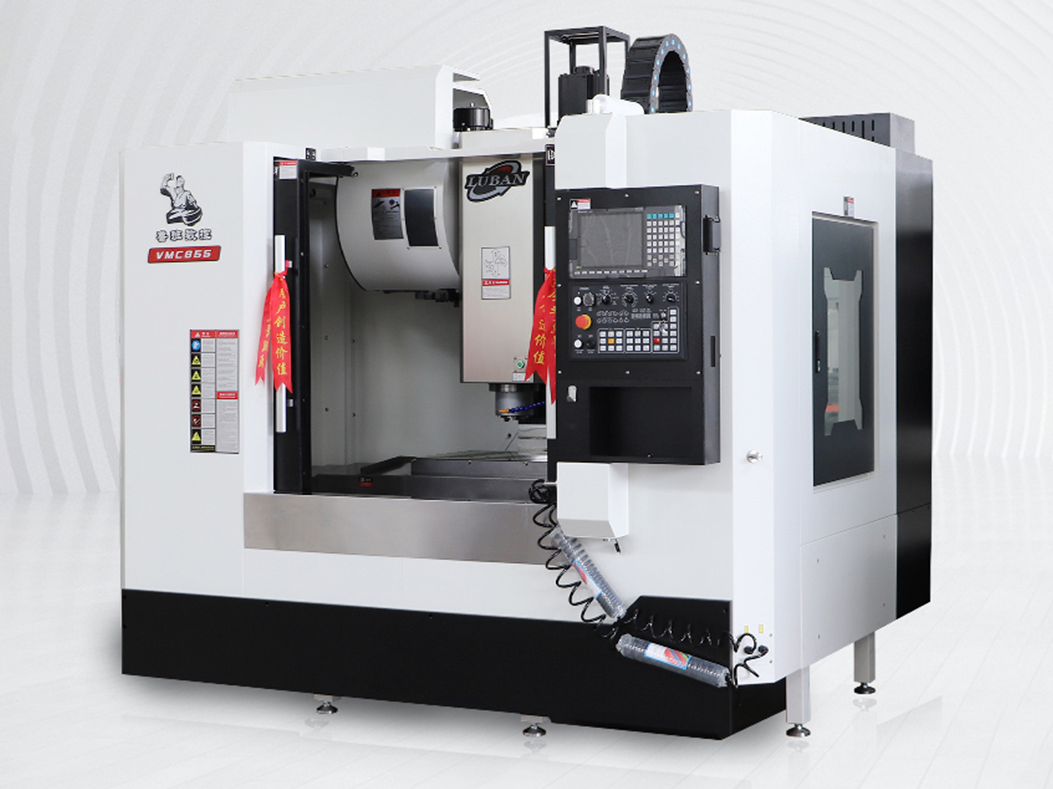
CNC machining centre
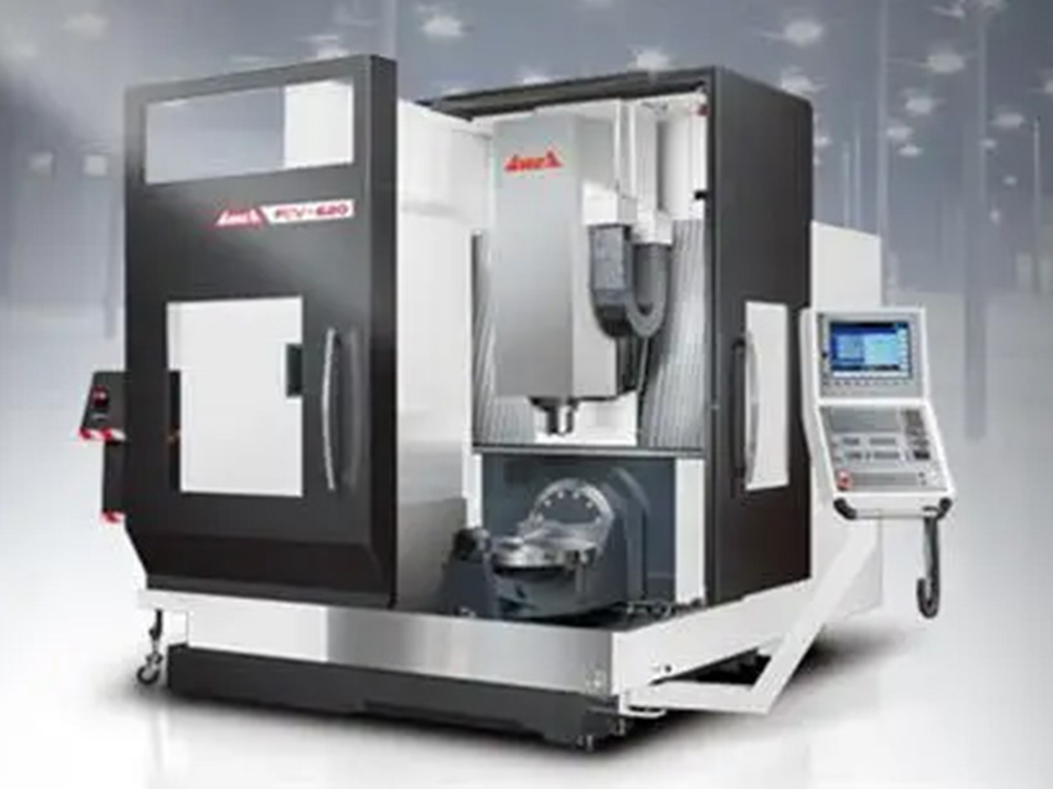
CNC machine tools
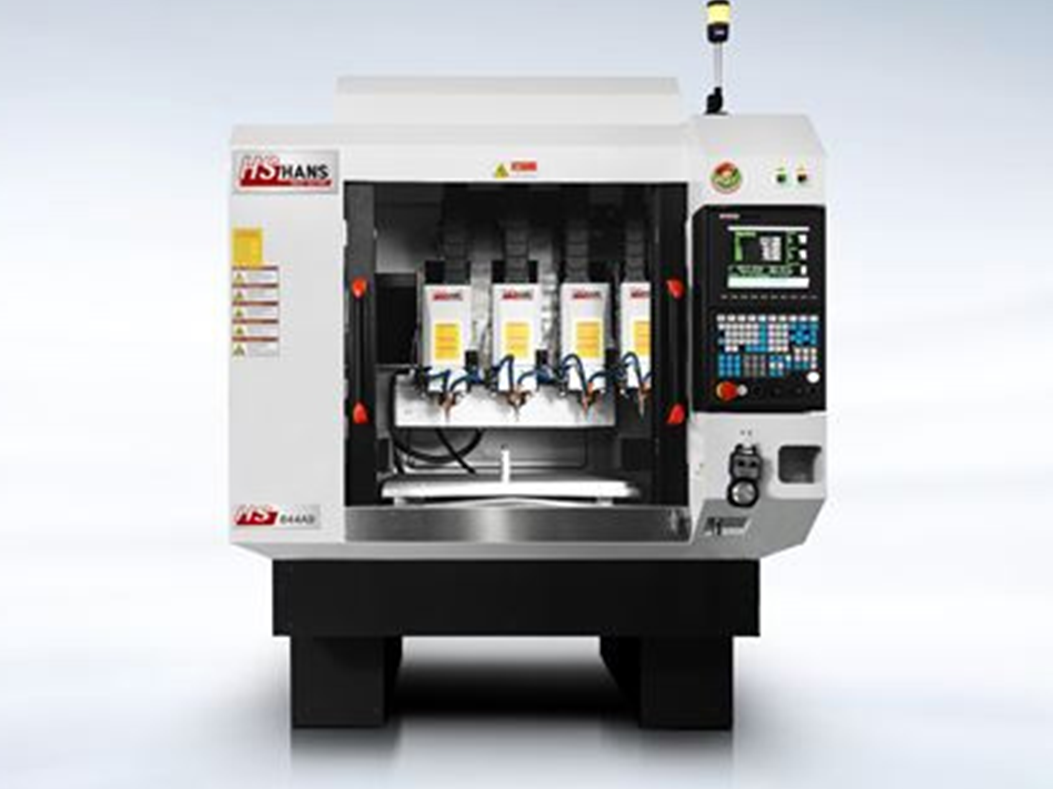
Carved machine
Factory Board
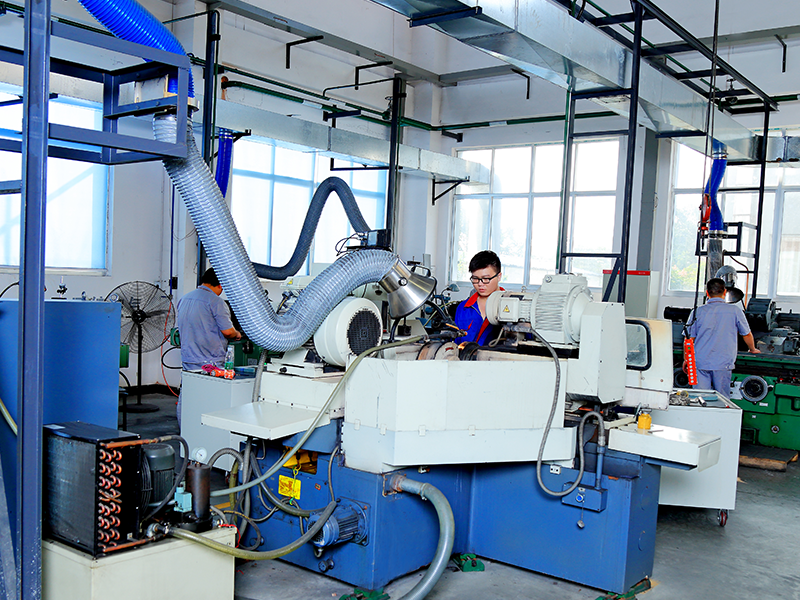
Factory Board
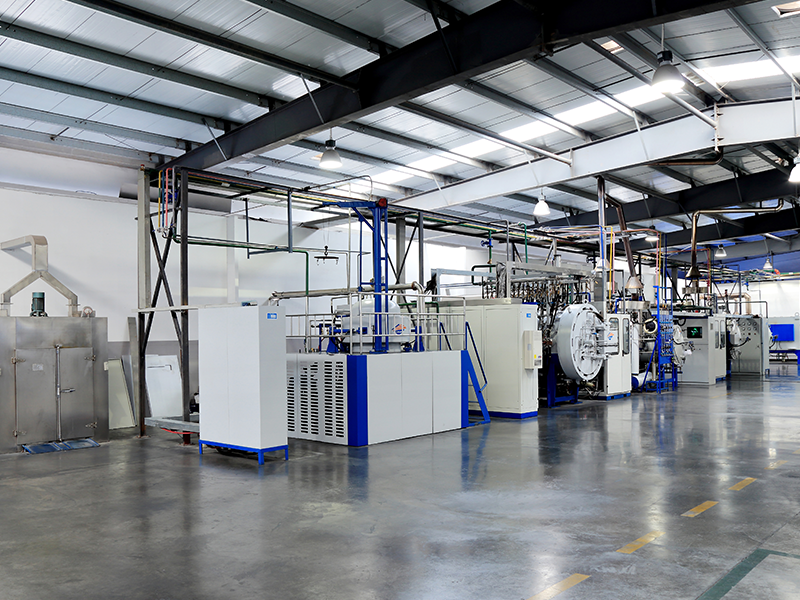
Factory Board
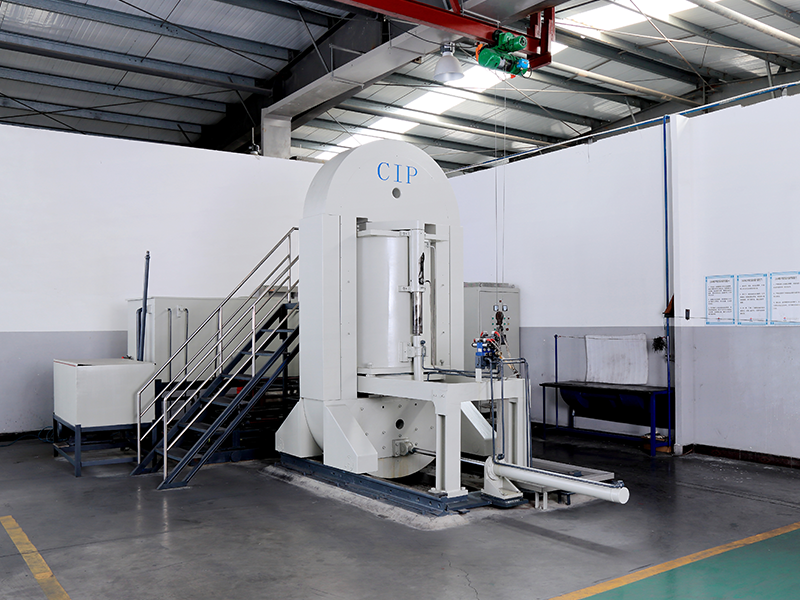
Factory Board
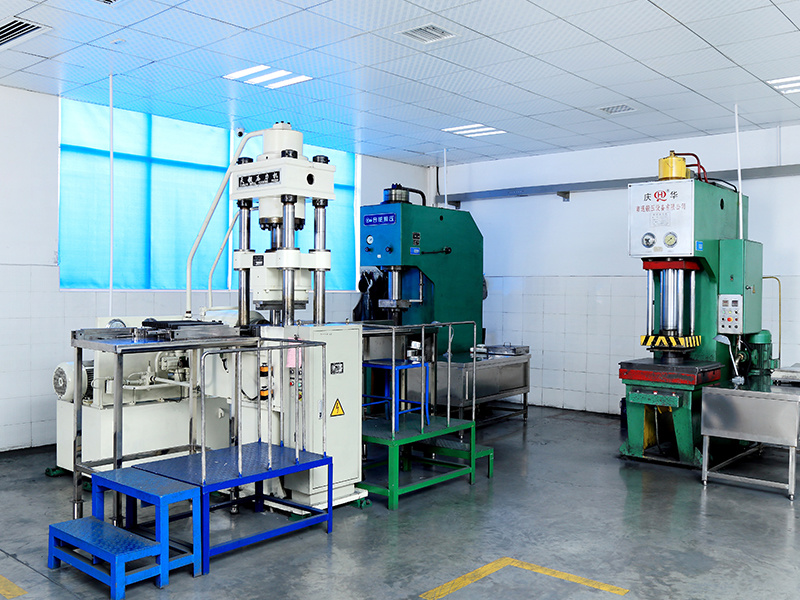
Factory Board
Recommended products


FAQ
2026-04-21
Common Issues in Machining Stainless Steel with Lizhou Turning Inserts
A detailed guide to LIZHOU cemented carbide turning inserts, covering naming conventions, types, selection of inserts specifically designed for roughing and finishing stainless steel, the differences between internal-bore and external-diameter inserts, and answers to frequently asked questions.
2026-04-21
Differences and Applications of Cobalt Drill Bits vs. Carbide Drill Bits
LiZhou Cemented Carbide provides a detailed comparison of cobalt-tipped drills and cemented carbide drills, covering material composition, hardness, tool life, suitable workpiece materials, and common issues to help you quickly select the right tool.
2026-03-31
What is the melting point of tungsten carbide? – Lizhou Cemented Carbide
This comprehensive analysis of Lizhou Cemented Carbide covers the melting point of tungsten carbide (2,870°C), a performance comparison, and industrial applications, explaining in detail why its high melting point makes cemented carbide highly resistant to high temperatures, wear, and deformation—making it ideally suited for tools, mining, steelmaking, and other demanding applications.
2026-03-28
How to Choose Positive and Negative Turning Inserts | LiZhou ISO Turning Tool Code Analysis
A Must-Read for Beginners! Lizhou Cemented Carbide Shows You How to Decode ISO Codes for Turning Inserts, Distinguish Between Positive- and Negative-Rake Inserts, Master the Three Key Selection Principles, and Resolve Common Issues Such as Poor Finish in Precision Turning and Work-Hardening When Machining Stainless Steel.
Hotline:
IPV4 / IPV6