


FAQ
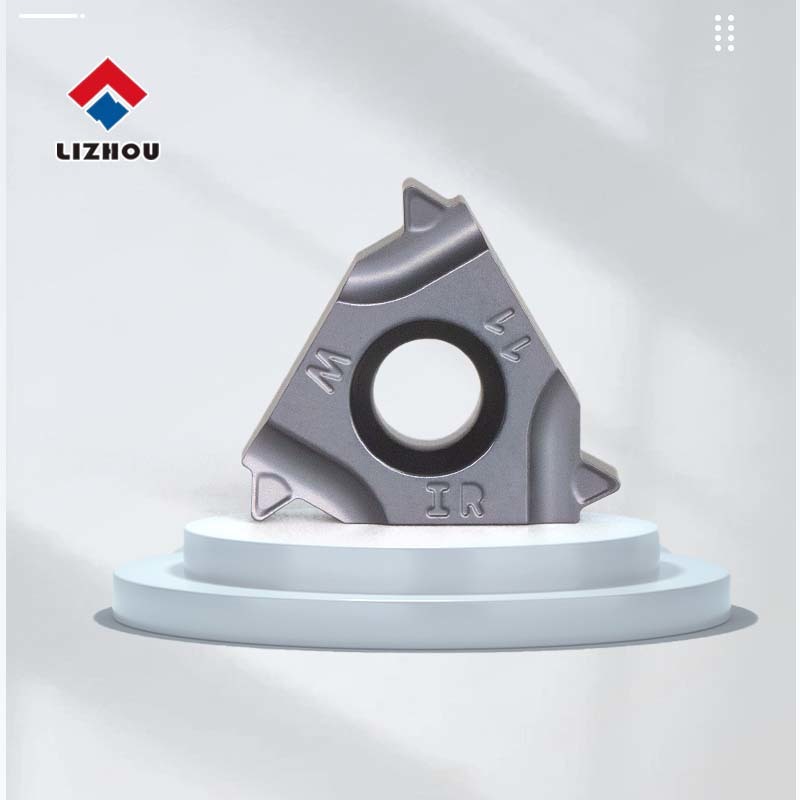
General-purpose threaded insert
China Lizhou Hard Alloy Source Factory
Product Name:Therading inserts
Coating : PVD
Brand number:LMP203
Classification :
Threading insert
keyword:
lizhou




General-Purpose Threaded Insert – Versatile Carbide Solution from LIZHOU
1. Introduction
Threading is a fundamental operation in modern machining. Whether it is creating precise threads in automotive components, aerospace fasteners, energy pipelines, or general machinery, the performance of the cutting tool determines the accuracy, durability, and reliability of the final product.
Among many tool options, general-purpose threaded inserts stand out for their versatility and ability to handle multiple thread profiles across a wide range of materials. LIZHOU, a professional cemented carbide manufacturer with more than 30 years of industry experience, has developed a full line of carbide threaded inserts designed to meet global threading requirements while providing exceptional tool life and cutting performance.
This article provides a detailed look at General-purpose Threaded Inserts from LIZHOU, covering their advantages, designation meaning, technical parameters, applications, role, features, usage precautions, and technological innovations.
Type | External thread | Basic dimensions (mm) | PVD | |||||
Pitch | I.C | S | D | a ° | LPP203 | LMP203 | ||
16ERAG55 | 0.5-3.0(48-8) | 9.525 | 3.52 | 4.0 | 55 ° |
| √ | |
16ERAG60 | 0.5-3.0(48-8) | 9.525 | 3.52 | 4.0 | 60 ° |
| √ | |
Type | Internal thread | Basic dimensions (mm) | PVD | |||||
Pitch | I.C | S | D | a ° | LPP203 | LMP203 | ||
16IRAG55 | 0.5-3.0(48-8) | 9.525 | 3.52 | 4.0 | 55 ° |
| √ | |
16IRAG60 | 0.5-3.0(48-8) | 9.525 | 3.52 | 4.0 | 60 ° |
| √ | |
2. Advantages of Carbide Threaded Inserts
Compared to traditional high-speed steel (HSS) or ground threading tools, LIZHOU’s carbide general-purpose threaded inserts offer several unique advantages:
High Wear Resistance – Cemented carbide substrates with ultra-fine grain size ensure outstanding durability, even in high-volume production.
Excellent Heat Resistance – With advanced PVD or CVD coatings, inserts maintain sharp cutting edges under elevated temperatures.
Precision Accuracy – Inserts are manufactured with micron-level tolerances, producing threads that fully comply with international standards.
Higher Productivity – Carbide inserts allow increased cutting speeds and feeds, drastically reducing cycle times.
Material Versatility – Suitable for carbon steel, stainless steel, alloy steel, cast iron, non-ferrous metals, and heat-resistant alloys.
Stable Chip Control – Optimized chipbreaker geometries reduce chip entanglement and protect the workpiece surface finish.
Cost Efficiency – Longer tool life reduces downtime and tooling costs, improving overall machining efficiency.


3. Decoding the Designation (Letters & Numbers)
General-purpose threaded inserts are identified by an alphanumeric code system that defines their geometry, thread type, and dimensional specifications. For example:
I / E → Internal threading (I) or External threading (E)
R / L → Right-hand or left-hand thread cutting direction
Pitch / TPI → Defines the thread spacing (e.g., 1.5 mm pitch or 14 TPI)
Thread Type → Metric, Unified (UN/UNC/UNF), NPT, BSP, Wyeth, or custom thread forms
Size Number (e.g., 16, 22) → Defines the insert’s inscribed circle (I.C.) dimension
Coating Type → PVD, CVD, or uncoated, depending on the application
This designation system allows machinists to quickly select the correct insert for general-purpose threading operations across industries.

4. Technical Parameters
Typical specifications of general-purpose carbide threaded inserts include:
Pitch Range: From fine pitch (0.5 mm / 40 TPI) to coarse pitch (6 mm / 4 TPI)
Inscribed Circle (I.C.): Standard sizes such as 9.525 mm (16-size) or 12.7 mm (22-size)
Thickness (S): 3.18 mm – 4.76 mm, depending on insert size
Hole Diameter (D): Typically 4.0 mm – 5.5 mm
Thread Angle (α): 55° (Whitworth) or 60° (Unified, Metric) depending on standard
Cutting Edge Geometry: Neutral, positive, or chipbreaker-modified edge design
Coating Options:
TiN for general steel applications
TiAlN / AlCrN for stainless steel and high-temperature alloys
Uncoated for soft materials such as aluminum or copper
These parameters ensure that LIZHOU inserts can be universally applied across a wide range of threading standards and machining conditions.
5. Application Scenarios
LIZHOU’s general-purpose threaded inserts are widely used in:
Automotive Industry – For cutting engine threads, suspension components, and precision fasteners.
Aerospace Industry – Threading titanium, aluminum, and nickel-based alloys in aircraft components.
Oil & Gas Industry – Producing precise sealing threads for pipes, valves, and connectors.
Energy & Power Generation – Threading in turbines, pumps, and high-pressure systems.
General Machining Workshops – Covering a broad range of threading tasks with fewer insert changes.
Their versatility makes them a must-have tool for workshops seeking flexibility in handling different materials and thread forms with one product family.

6. Role and Functions
The role of a general-purpose threaded insert goes beyond just cutting threads. It provides:
Dimensional Accuracy – Ensures threads match standardized gauges and specifications.
Operational Stability – Reduces chatter and maintains consistency during high-speed threading.
Universal Compatibility – One insert family can cover multiple thread standards.
Reduced Tool Inventory – Shops can handle diverse threading needs without stocking multiple specialized inserts.
7. Key Features of LIZHOU General-Purpose Inserts
Universal Application – Compatible with metric, unified, pipe, and other global thread standards.
Fine-Grain Carbide Substrate – Balances toughness and hardness for both general and high-performance threading.
Advanced Coatings – PVD and CVD layers extend tool life and provide smooth chip evacuation.
Optimized Edge Preparation – Honed cutting edges improve resistance to chipping.
Precision Manufacturing – Strict QC ensures pitch and angle tolerances within international standards.
Custom Engineering – Inserts can be designed for customer-specific materials or threading requirements.

8. Usage Precautions
To achieve the best performance from general-purpose threaded inserts, machinists should consider:
Toolholder Selection – Match the correct clamping system to minimize vibration.
Cutting Parameters – Adjust cutting speed, feed, and depth of cut based on workpiece material.
Lubrication & Cooling – Use coolant for stainless steel and titanium; dry machining is possible for cast iron.
Avoid Interrupted Cuts – Continuous threading prevents premature edge wear.
Inspection & Replacement – Replace inserts before excessive flank wear develops to maintain thread accuracy.
9. Technological and Patent Innovations
LIZHOU integrates research-driven innovations into its general-purpose threaded inserts:
Nano-structured Coatings – Provide superior adhesion strength and oxidation resistance.
Grain Refinement Technology – Enhances carbide density for improved toughness.
Edge Micro-Honing – Prevents micro-chipping at the cutting edge.
Chipbreaker Optimization – Ensures smooth evacuation in both internal and external threading.
Patent-Protected Geometries – Proprietary insert designs registered under intellectual property rights.
These innovations ensure that LIZHOU inserts are not only durable but also competitively advanced in global markets.\

10. Why Choose LIZHOU General-Purpose Threaded Inserts?
33 Years of Manufacturing Expertise – Proven reliability in carbide production.
Factory Direct Supply – Competitive pricing with guaranteed quality control.
Flexible Solutions – Standard inserts or customized designs upon request.
Global Standards Compliance – Conforming to ISO, ANSI, DIN, and JIS threading requirements.
Trusted by Global Clients – Widely supplied to industries in Asia, Europe, South America, and Africa.
Conclusion
The General-purpose Threaded Insert from LIZHOU Carbide offers unmatched versatility, durability, and precision for global threading applications. With a robust carbide substrate, advanced coatings, and optimized cutting edge design, these inserts guarantee excellent thread quality across a wide range of materials and standards.
For manufacturers seeking a cost-effective, universal threading solution, LIZHOU’s inserts eliminate the need for multiple specialized tools while delivering consistent performance and longer tool life.
In today’s competitive machining world, investing in LIZHOU General-purpose Threaded Inserts means choosing reliability, efficiency, and global compatibility.
Previous page
Next page
Use equipment
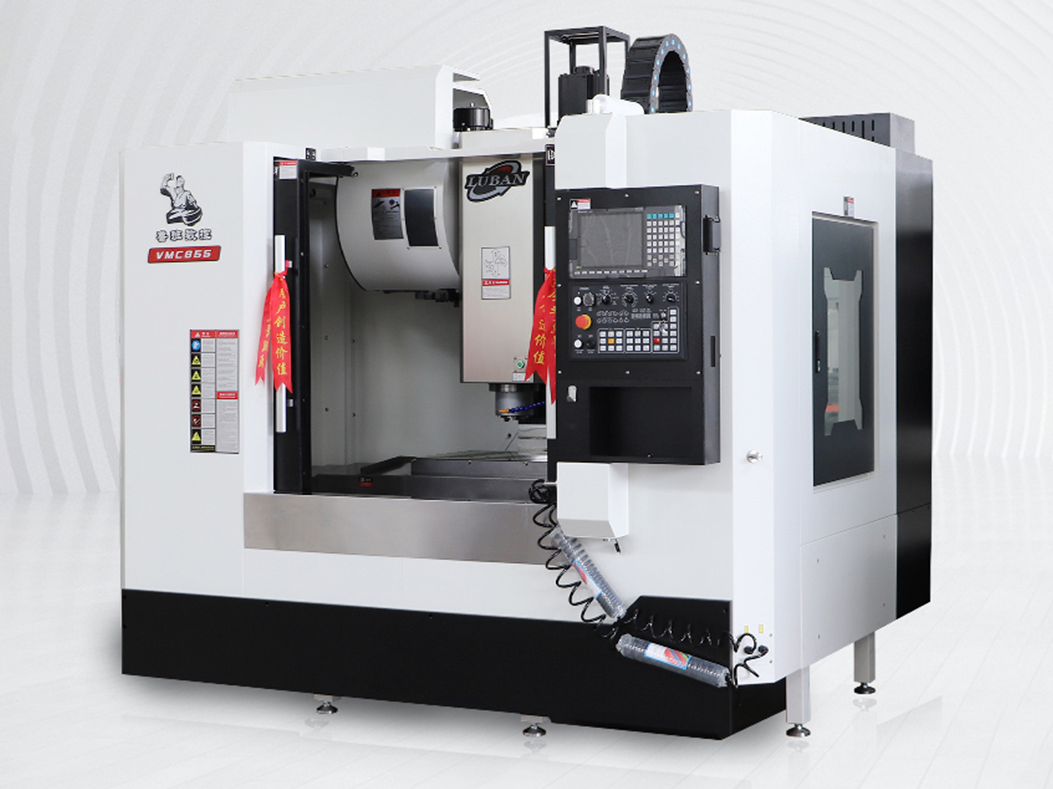
CNC machining centre
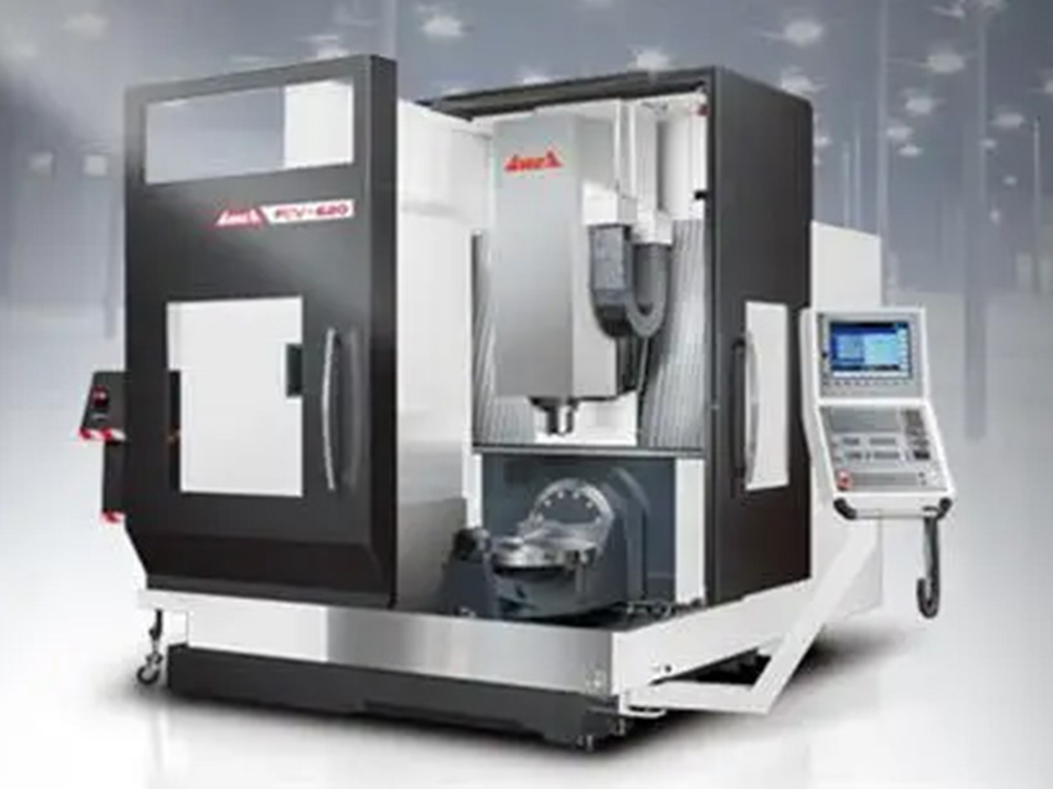
CNC machine tools
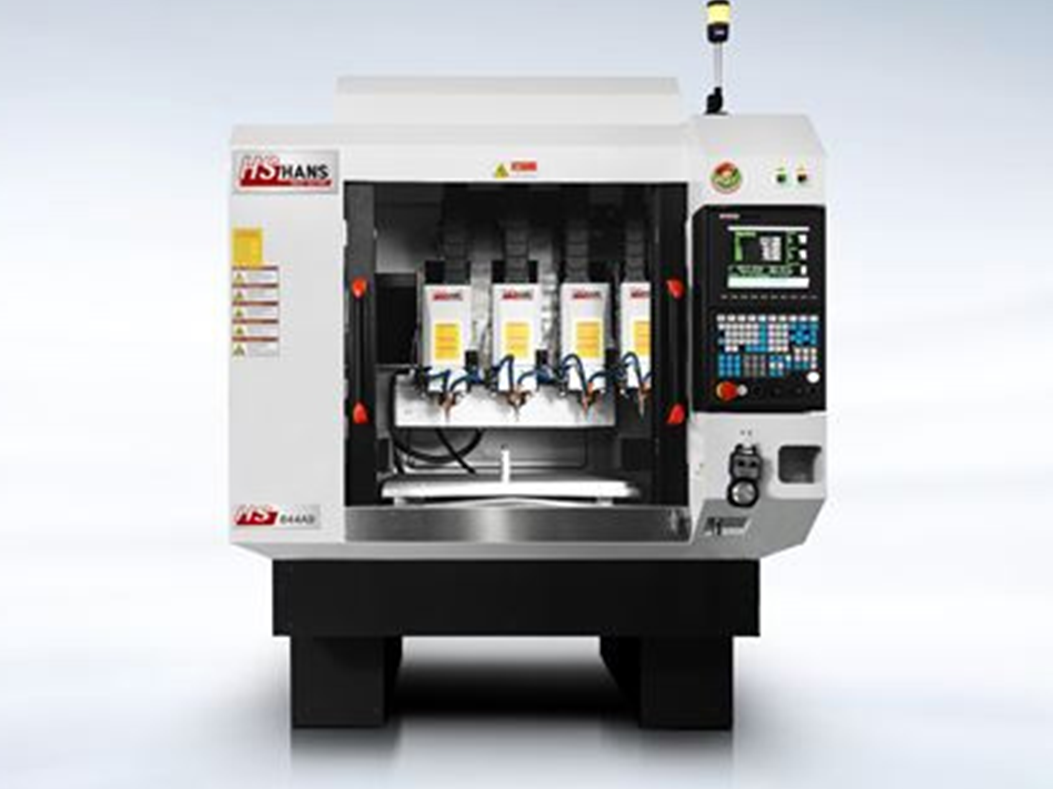
Carved machine
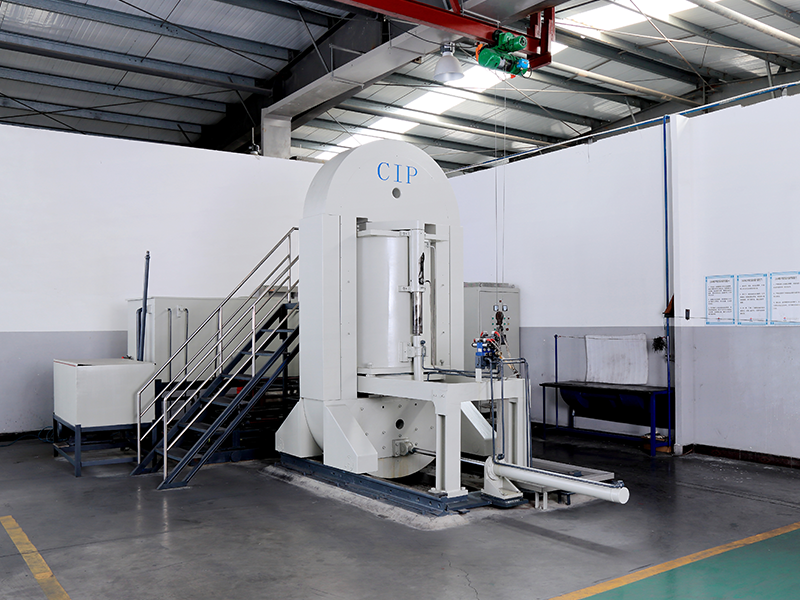
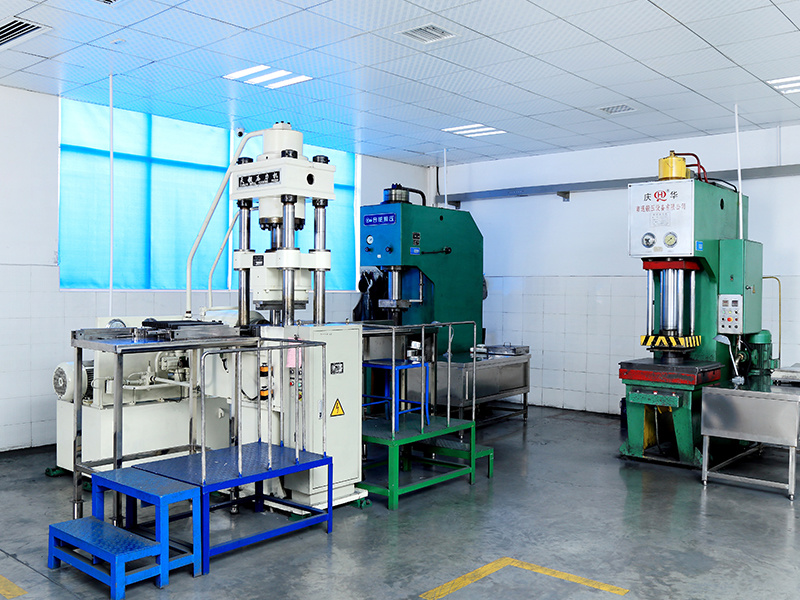
Factory Board
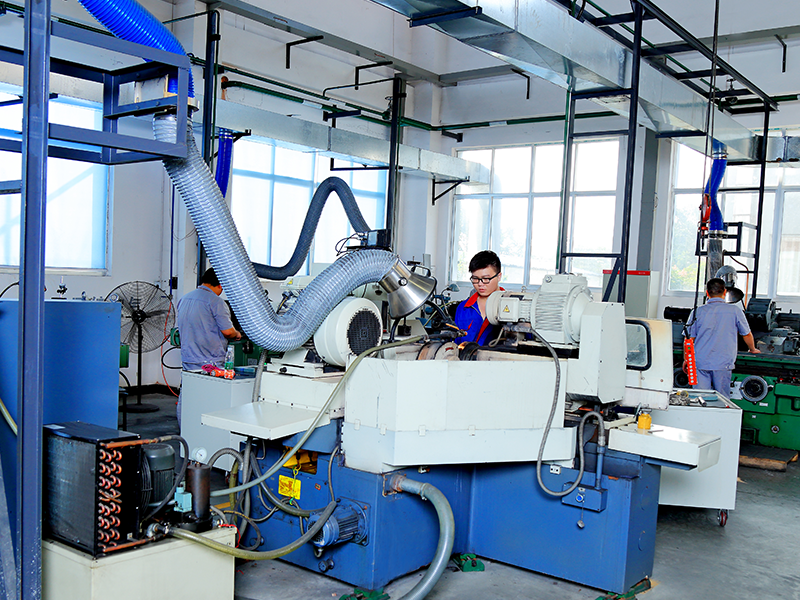
Factory Board

Factory Board
Factory Board
Factory Board
Recommended products


FAQ
2026-04-21
Common Issues in Machining Stainless Steel with Lizhou Turning Inserts
A detailed guide to LIZHOU cemented carbide turning inserts, covering naming conventions, types, selection of inserts specifically designed for roughing and finishing stainless steel, the differences between internal-bore and external-diameter inserts, and answers to frequently asked questions.
2026-04-21
Differences and Applications of Cobalt Drill Bits vs. Carbide Drill Bits
LiZhou Cemented Carbide provides a detailed comparison of cobalt-tipped drills and cemented carbide drills, covering material composition, hardness, tool life, suitable workpiece materials, and common issues to help you quickly select the right tool.
2026-03-31
What is the melting point of tungsten carbide? – Lizhou Cemented Carbide
This comprehensive analysis of Lizhou Cemented Carbide covers the melting point of tungsten carbide (2,870°C), a performance comparison, and industrial applications, explaining in detail why its high melting point makes cemented carbide highly resistant to high temperatures, wear, and deformation—making it ideally suited for tools, mining, steelmaking, and other demanding applications.
2026-03-28
How to Choose Positive and Negative Turning Inserts | LiZhou ISO Turning Tool Code Analysis
A Must-Read for Beginners! Lizhou Cemented Carbide Shows You How to Decode ISO Codes for Turning Inserts, Distinguish Between Positive- and Negative-Rake Inserts, Master the Three Key Selection Principles, and Resolve Common Issues Such as Poor Finish in Precision Turning and Work-Hardening When Machining Stainless Steel.
Hotline:
IPV4 / IPV6