


FAQ
VNMG-TSF\TM Steel Turning Insert
China Lizhou Hard Alloy Source Factory
Product Name:Steel Turning Inserts
Coating : CVD
Brand number:LPC202
Classification :
Turning insert
keyword:
lizhou




VNMG-TSF/TM Steel Turning Insert – Complete Product Guide
Introduction
With more than 33 years of expertise in carbide manufacturing, LIZHOU Carbide delivers world-class cutting tool solutions for industries around the globe. Among our premium range of turning inserts, the VNMG-TSF/TM steel turning inserts stand out for their precision, durability, and adaptability in high-demand machining environments. This guide explores the technical details, performance advantages, application fields, and innovations behind the VNMG-TSF/TM inserts.
TYPE | Basic size(mm) | Cutting data | CVD | ||||||
I.C | S | D | R | Depth of cut(mm) | Feed(mm/tooth) | LPC102 | LPC202 | LPC102 | |
VNMG160404-TM | 9.525 | 4.76 | 3.81 | 0.4 | 0.80-3.00 | 0.15-0.35 |
| ⚪ |
|
VNMG160408-TM | 9.525 | 4.76 | 3.81 | 0.8 | 1.00-3.00 | 0.17-0.35 |
| ⚪ |
|
VNMG160408-TM | 9.525 | 4.76 | 3.81 | 1.2 | 1.20-3.00 | 0.19-0.35 |
| ⚪ |
|
VNMG160404-43 | 9.525 | 4.76 | 3.81 | 0.4 | 0.80-3.00 | 0.15-0.35 |
| ⚪ |
|
VNMG160408-43 | 9.525 | 4.76 | 3.81 | 0.8 | 1.00-3.00 | 0.17-0.35 |
| ⚪ |
|
VNMG160408-43 | 9.525 | 4.76 | 3.81 | 1.2 | 1.20-3.00 | 0.19-0.35 |
| ⚪ |
|
1. Why Carbide Inserts Are Essential in Modern Machining
Carbide inserts outperform traditional high-speed steel tools due to their ability to handle tough materials and sustain higher cutting speeds. The VNMG-TSF/TM series exemplifies the following key benefits:
High cutting efficiency – reduces machining time without compromising quality.
Superior heat resistance – stable performance even under high temperatures.
Extended tool life – fewer insert changes mean reduced downtime.
Excellent surface finish – crucial for precision steel components.
Optimized cost efficiency – multiple cutting edges per insert lower the overall cost per part.
These advantages make carbide inserts the industry standard for steel turning.

2. Understanding the VNMG-TSF/TM Designation
Each character in the VNMG code reflects specific insert features:
V – Rhombic insert with 35° angle, ideal for profiling and finishing.
N – Relief angle of 0°, maximizing edge strength.
M – Medium tolerance class, providing balance between accuracy and versatility.
G – Double-sided insert with hole for secure clamping.
TSF – Chipbreaker geometry designed for fine to medium finishing with superior chip control.
TM – Chipbreaker geometry for medium cutting, ensuring excellent stability and chip evacuation.
This designation system helps machinists quickly identify the correct insert for specific operations.

3. Key Specifications and Parameters
The VNMG-TSF/TM turning inserts conform to ISO standards and are available in multiple variations. Common parameters include:
Insert shape: 35° rhombic
Insert size (IC): 16 mm (typical, depending on type)
Thickness: 4.76 mm
Hole diameter: 3.81 mm
Relief angle: 0°
Cutting edges: 4 per insert
Nose radius options: 0.2 mm, 0.4 mm, 0.8 mm, and 1.2 mm
Grades available: Coated and uncoated carbide grades for steel and stainless steel
Coating options:
CVD coatings (TiCN, Al₂O₃, TiN) for superior wear resistance
PVD coatings (TiAlN, TiCN) for high-toughness operations
These variations allow machinists to select the most suitable insert based on cutting conditions.

4. Application Scenarios
The VNMG-TSF/TM inserts are widely used across industries that demand precision and efficiency in steel machining:
Automotive – crankshafts, engine parts, transmission housings
Aerospace – structural steel components requiring tight tolerances
Oil and gas – pipes, valves, and heavy-duty steel equipment
General engineering – shafts, flanges, and fittings
Tool and die manufacturing – semi-finishing and finishing of precision molds
TSF Geometry: Best for light finishing operations on steel and stainless steel, ensuring smooth surfaces and controlled chip evacuation.
TM Geometry: Tailored for medium cutting operations, balancing chip control with robustness in interrupted cuts.
5. Advantages of VNMG-TSF/TM Inserts
The VNMG series provides distinct performance advantages:
Four effective cutting edges, extending tool life and reducing costs.
Slim 35° design, excellent for profiling and fine detail work.
Specialized chipbreakers – TSF for finishing, TM for medium operations.
Coating versatility, ensuring optimal wear resistance and heat stability.
Reliable clamping system, minimizing vibration during machining.
Superior surface finish, even on difficult-to-machine steels.
These qualities make the VNMG inserts a preferred choice in precision steel turning.

VNMG160404-TM FAQ:
Q1: What materials are suitable for VNMG blades?
Core advantage materials: stainless steel (304/316), alloy steel (42CrMo/40Cr), titanium alloy
Not recommended materials: hardened steel (HRC>50), cast iron
Q2: What is the minimum order quantity (MOQ)?
Standard MOQ: 10 boxes (100 pieces), sample orders (1 box minimum order) are supported.
Packaging and warranty commitment
Standard packaging: 10 pieces/box, customization is supported.
Logistics solution: global air/sea transportation, DDP to door service is provided.

6. Usage Recommendations and Precautions
To maximize the performance and lifespan of VNMG-TSF/TM inserts, consider the following guidelines:
Select TSF chipbreaker for finishing and TM chipbreaker for medium cutting.
Use rigid and stable tool holders to avoid vibration.
Apply cutting fluid when machining stainless steel to reduce heat and improve tool life.
Monitor wear patterns and index the insert before excessive flank wear develops.
Avoid improper clamping torque that could compromise insert stability.
Following these recommendations ensures consistent results and prolonged insert service.
7. LIZHOU’s Technological Innovation
As a carbide manufacturer, LIZHOU integrates research-driven innovation into every VNMG insert:
Micro-grain carbide substrates for toughness and hardness balance.
Advanced nano-layer coatings to withstand extreme cutting temperatures.
Precision chipbreaker designs, developed using computer simulations.
Edge preparation technology, lowering cutting resistance while improving tool stability.
Proprietary coating processes, increasing tool life under high-speed operations.
Through these technologies, LIZHOU Carbide ensures that the VNMG-TSF/TM inserts remain globally competitive and aligned with the evolving needs of modern steel machining.
Conclusion
The VNMG-TSF/TM steel turning inserts are designed to provide machinists with precision, durability, and flexibility in steel cutting operations. Featuring a slim rhombic profile, multiple cutting edges, and advanced chipbreaker geometries, these inserts excel in both finishing and medium machining tasks.
As a trusted carbide manufacturer, LIZHOU Carbide is committed to supplying world-class turning solutions that improve productivity, reduce costs, and deliver superior machining performance. The VNMG-TSF/TM series is a testament to this commitment—engineered for excellence in steel turning.
Previous page
Next page
Use equipment
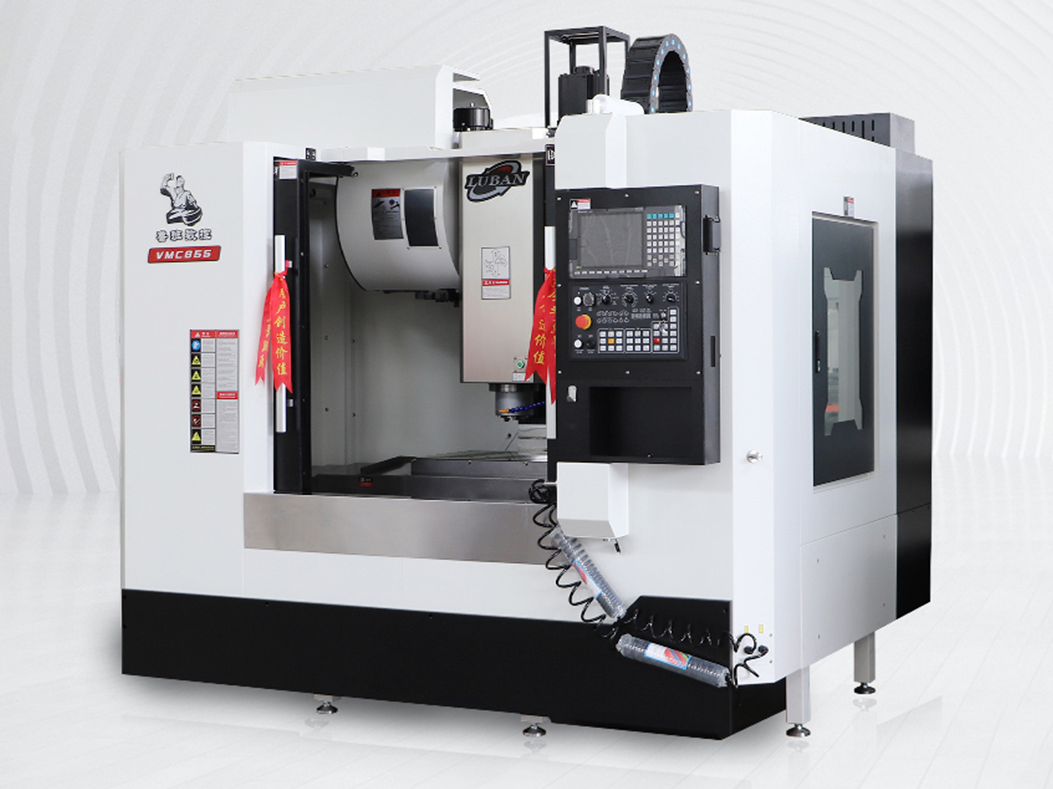
CNC machining centre
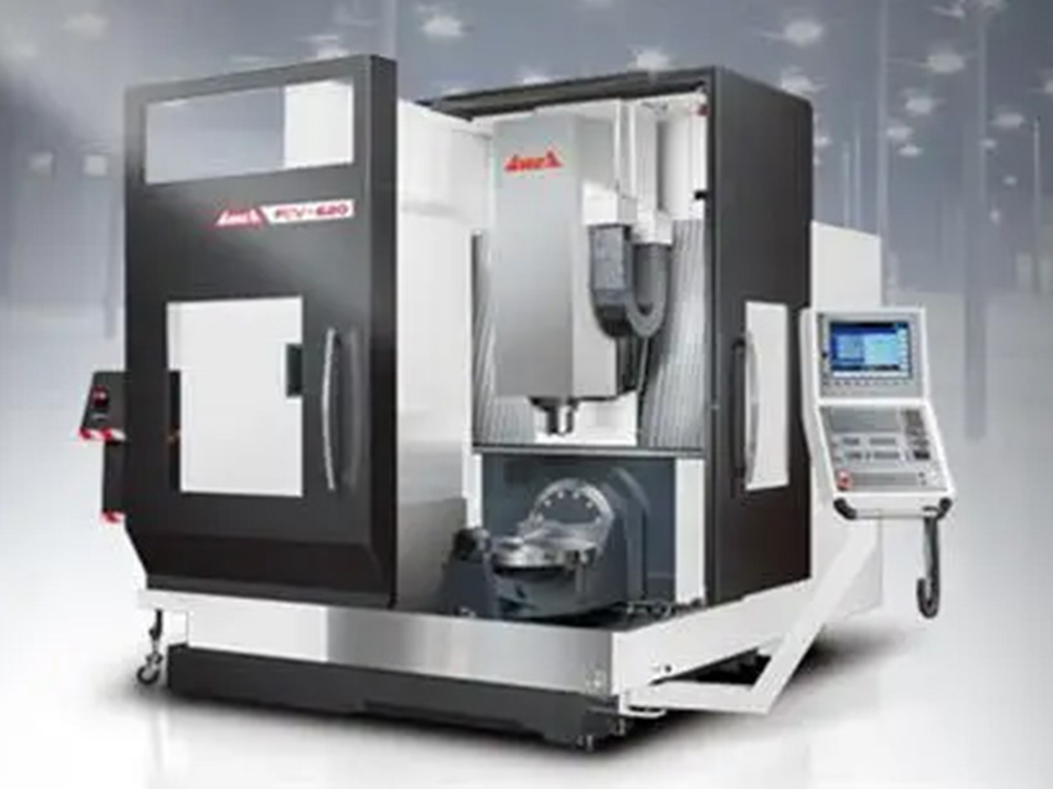
CNC machine tools
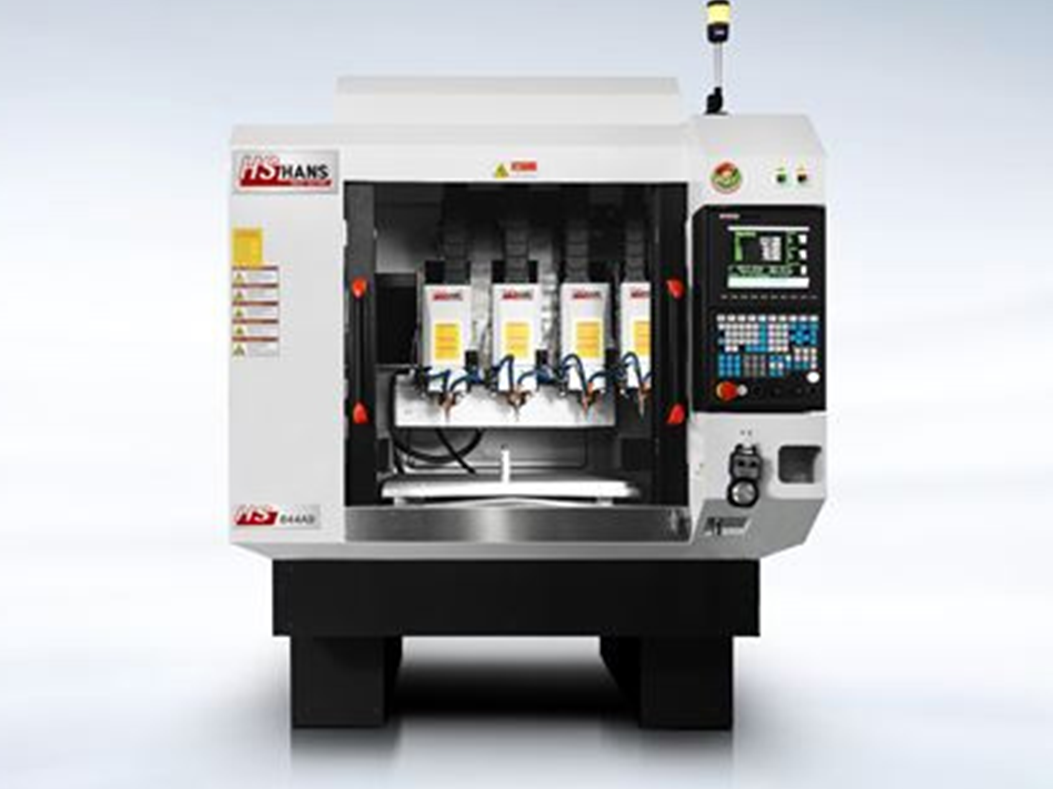
Carved machine
Factory Board
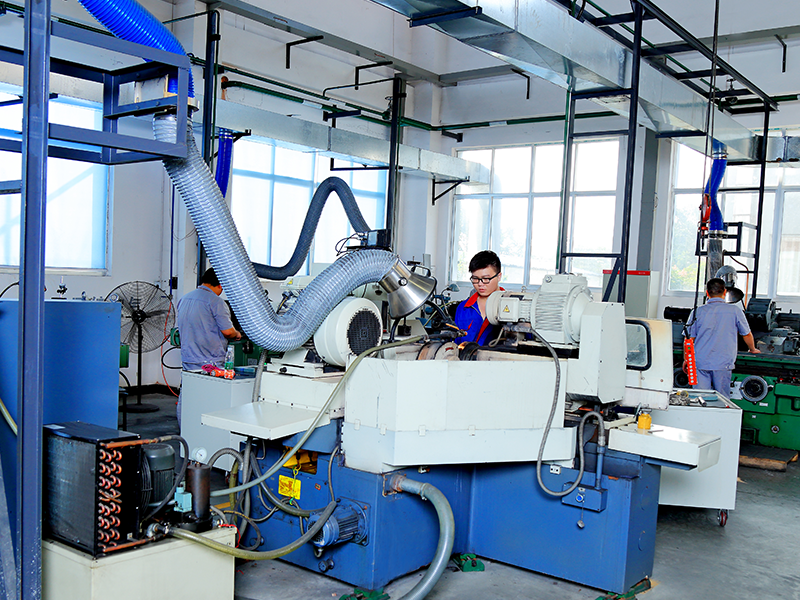
Factory Board

Factory Board
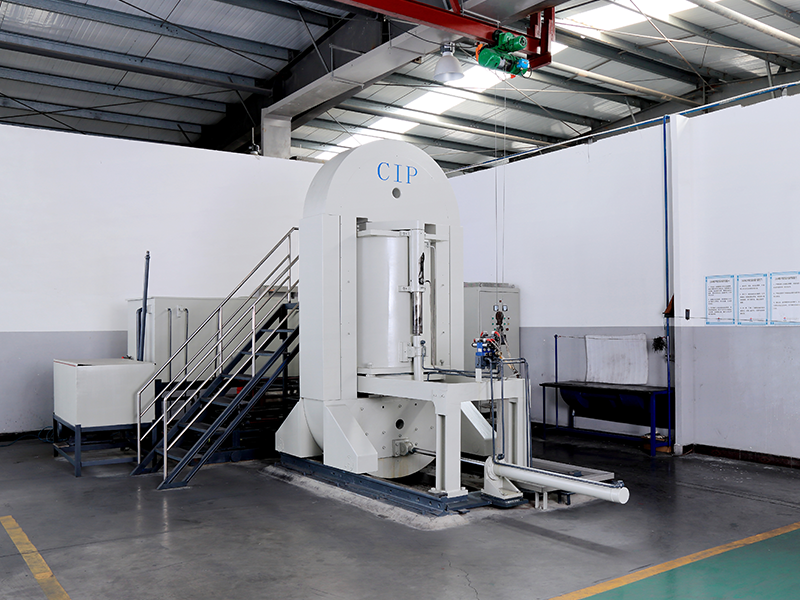
Factory Board
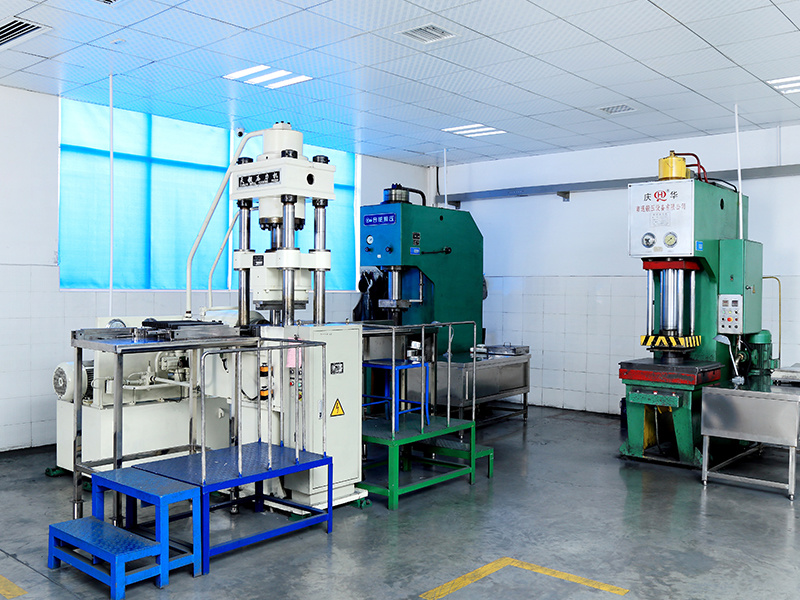
Factory Board
Recommended products


FAQ
2026-04-21
Common Issues in Machining Stainless Steel with Lizhou Turning Inserts
A detailed guide to LIZHOU cemented carbide turning inserts, covering naming conventions, types, selection of inserts specifically designed for roughing and finishing stainless steel, the differences between internal-bore and external-diameter inserts, and answers to frequently asked questions.
2026-04-21
Differences and Applications of Cobalt Drill Bits vs. Carbide Drill Bits
LiZhou Cemented Carbide provides a detailed comparison of cobalt-tipped drills and cemented carbide drills, covering material composition, hardness, tool life, suitable workpiece materials, and common issues to help you quickly select the right tool.
2026-03-31
What is the melting point of tungsten carbide? – Lizhou Cemented Carbide
This comprehensive analysis of Lizhou Cemented Carbide covers the melting point of tungsten carbide (2,870°C), a performance comparison, and industrial applications, explaining in detail why its high melting point makes cemented carbide highly resistant to high temperatures, wear, and deformation—making it ideally suited for tools, mining, steelmaking, and other demanding applications.
2026-03-28
How to Choose Positive and Negative Turning Inserts | LiZhou ISO Turning Tool Code Analysis
A Must-Read for Beginners! Lizhou Cemented Carbide Shows You How to Decode ISO Codes for Turning Inserts, Distinguish Between Positive- and Negative-Rake Inserts, Master the Three Key Selection Principles, and Resolve Common Issues Such as Poor Finish in Precision Turning and Work-Hardening When Machining Stainless Steel.
Hotline:
IPV4 / IPV6