


FAQ
DNMG-MA stainless steel turning insert
China Lizhou Hard Alloy Source Factory
Product Name:Stainless steel turning insert
Coating : PVD
Brand number:LMP202
Classification :
Turning insert
keyword:
lizhou




DNMG150408-MA Carbide Turning Insert: Complete Product Guide
As a professional carbide manufacturer with decades of industry experience, we proudly introduce the DNMG150408-MA carbide turning insert. This product is designed to deliver superior cutting performance, long service life, and versatile machining applications. In this guide, we will break down the insert’s code meaning, geometry, technical parameters, performance advantages, application fields, operating precautions, and innovative technologies. This detailed explanation not only supports industrial buyers but also aligns with Google search intent for carbide turning insert research.
Type | Basic Dimensions (mm) | Cutting Data | PVD | ||||||
I.C | S | D | R | Cutting Depth (mm) | Feed ( mm/tooth ) | LMP102 | LMP202 | LSP102 | |
DNMG150404- MA | 12.70 | 4.76 | 5.2 | 0.4 | 0.50-2.00 | 0.05-0.30 |
| ⚪ |
|
DNMG150408-MA | 12.70 | 4.76 | 5.2 | 0.8 | 0.50-2.00 | 0.07-0.30 |
| ⚪ |
|
DNMG150404-MA | 12.70 | 6.35 | 5.2 | 0.4 | 0.50-5.00 | 0.10-0.50 |
| ⚪ |
|
DNMG150408-MA | 12.70 | 6.35 | 5.2 | 0.8 | 0.50-5.00 | 0.12-0.50 |
| ⚪ |
|
1. Understanding the Code: DNMG150408-MA
Each letter and number in DNMG150408-MA follows ISO standards and provides detailed information about the insert:
D – Insert shape: 55° rhombic diamond, ideal for profiling and finishing.
N – Relief angle: 0°, providing strength and edge stability.
M – Tolerance: Medium tolerance class, balancing precision and productivity.
G – Insert type: With hole and chipbreaker, single-sided.
15 – Inscribed circle size: 15.875 mm (5/8 inch), representing the insert’s diameter.
04 – Insert thickness: 4.76 mm, providing rigidity and durability.
08 – Nose radius: 0.8 mm, balancing edge strength with fine surface finish.
MA – Chipbreaker type: Designed for medium cutting with excellent chip evacuation and surface quality.


Stainless Steel Turning Inserts
2. Performance Advantages of DNMG Carbide Inserts
Carbide turning inserts such as DNMG150408-MA outperform conventional cutting tools due to their optimized material and geometry.
High hardness (above 90 HRA) ensures efficient cutting of steels, stainless steels, and cast irons.
Superior wear resistance prolongs tool life, even under high-speed cutting conditions.
Excellent heat resistance allows machining at elevated cutting speeds without deformation.
Balanced toughness minimizes chipping in interrupted cuts or roughing operations.
Coating technology (CVD/PVD) provides anti-oxidation, low friction, and higher tool longevity.

DNMG150404-MA Turning Inserts
3. Applications and Use Cases
The DNMG150408-MA is widely applied in medium-duty turning operations. Its versatility makes it suitable for:
Steel machining – Roughing and finishing of carbon steel, alloy steel, and tool steel.
Stainless steel – Stable chip control in difficult-to-cut materials with work hardening tendencies.
Cast iron – Smooth turning and reduced tool wear.
Non-ferrous alloys – Controlled chip evacuation and surface finish.
Industries benefiting from DNMG150408-MA:
Automotive (shafts, bearings, gears, housings).
Aerospace (precision profiles in nickel alloys).
Oil & gas (stainless steel and superalloy components).
General machinery (shafts, bushings, flanges, and pipes).
4. Technical Features of DNMG150408-MA
Optimized 55° shape – Provides flexibility for profiling and finishing in external and internal turning.
MA chipbreaker – Designed for medium cutting, ensuring stable chip flow and preventing entanglement.
Nose radius (0.8 mm) – Ideal balance between surface quality and cutting edge strength.
Strong edge stability – Zero-relief angle (N) offers high resistance against chipping.
Reduced cutting forces – Lower spindle load, saving energy and increasing machine life.
Compatibility – Fits standard toolholders and CNC lathes.
5. Cutting Parameters (Recommended)
Cutting speed (Vc): 150–350 m/min (depending on workpiece material).
Feed rate (f): 0.1–0.35 mm/rev.
Depth of cut (ap): 0.5–4.0 mm.
Coolant: Use high-pressure coolant when machining stainless steel and heat-resistant alloys.
These parameters ensure optimum tool life and machining performance.

6. Operational Precautions
To maximize tool life and efficiency, users should consider the following:
Correct chipbreaker selection – MA is best for medium cutting conditions.
Avoid excessive vibration – Secure clamping prevents insert chipping.
Monitor tool wear – Replace before excessive wear to avoid poor surface finish.
Match insert to material – Adjust feed and speed when machining tough alloys.
Proper coolant application – Improves chip evacuation and reduces heat buildup.
7. Innovations and Technology
Our DNMG150408-MA inserts integrate cutting-edge manufacturing and coating technologies:
Nano-composite coatings – CVD/PVD multilayer coatings for extreme wear and oxidation resistance.
Grain-refined carbide substrate – Combines hardness and fracture toughness.
Edge honing technology – Reduces micro-chipping, enhancing cutting stability.
Patented chipbreaker design – Provides excellent chip control across a range of feeds and speeds.
Eco-friendly production – Coating and sintering processes minimize environmental impact.
8. Competitive Advantages Over Conventional Inserts
Compared to standard inserts, DNMG150408-MA offers:
Longer tool life (up to 40% improvement under medium cutting).
Superior surface finish due to optimized chipbreaker design.
Cost efficiency with reduced tool changes and downtime.
Versatility across different workpiece materials.
Reliability in both CNC and manual turning applications.
9. Why Choose Our DNMG150408-MA Inserts?
As a hard alloy manufacturer with 33 years of expertise, we ensure:
Strict quality control from raw material to final inspection.
Wide range of geometries and chipbreakers to suit various applications.
OEM/ODM customization services.
Technical support for optimizing machining performance.
Consistent supply and competitive pricing.
Conclusion
The DNMG150408-MA carbide turning insert is a versatile, durable, and high-performance cutting tool engineered for medium turning operations across steel, stainless steel, and cast iron. With its robust geometry, advanced coatings, and chipbreaker design, it provides longer tool life, smoother chip evacuation, and excellent surface quality.
For industries demanding efficiency, precision, and cost savings, the DNMG150408-MA is an essential solution that improves productivity while lowering machining costs.
Previous page
Next page
Use equipment
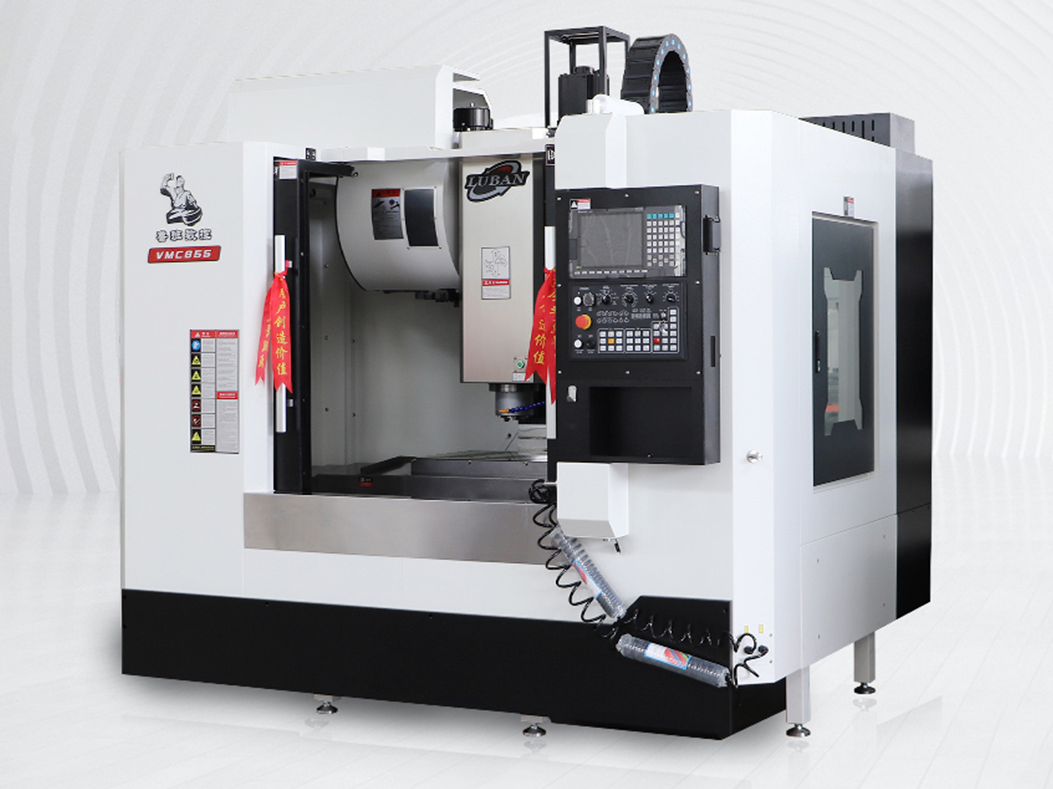
CNC machining centre
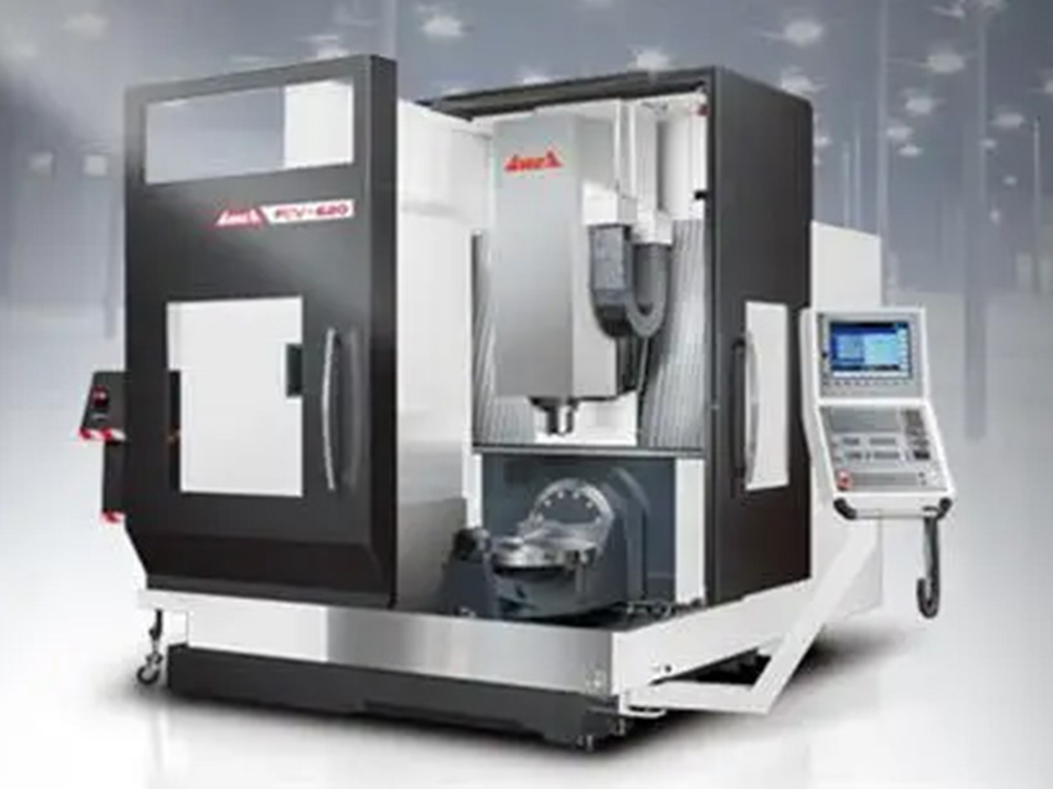
CNC machine tools
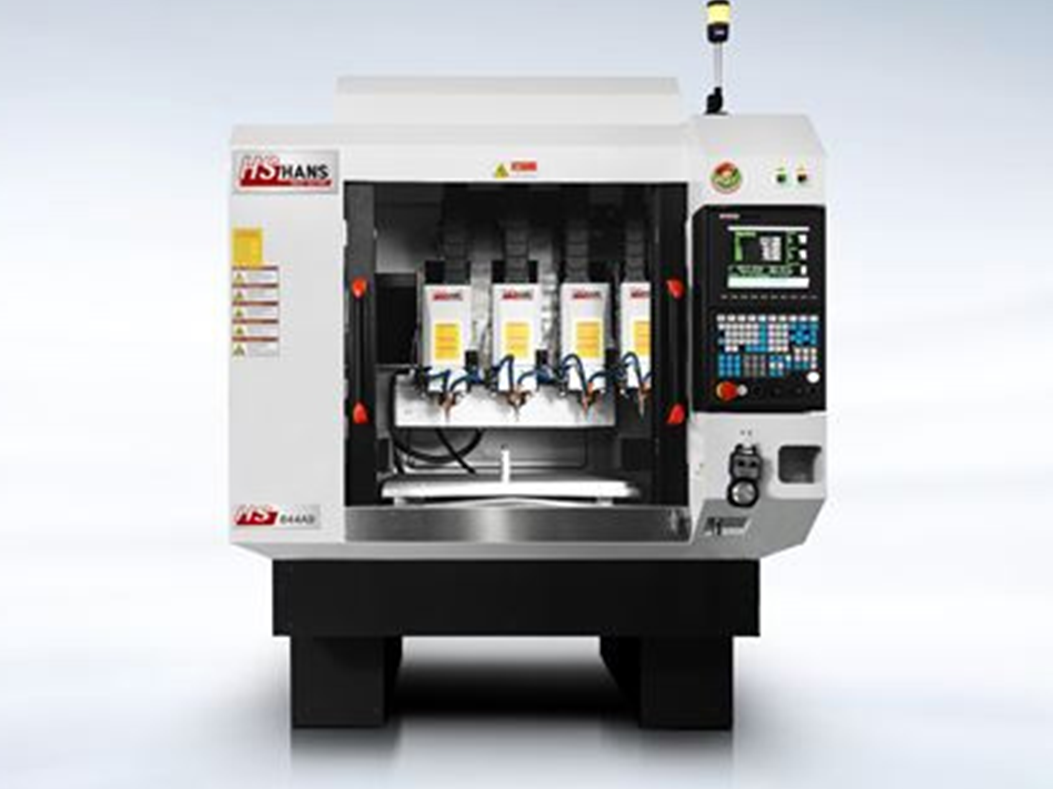
Carved machine
Factory Board
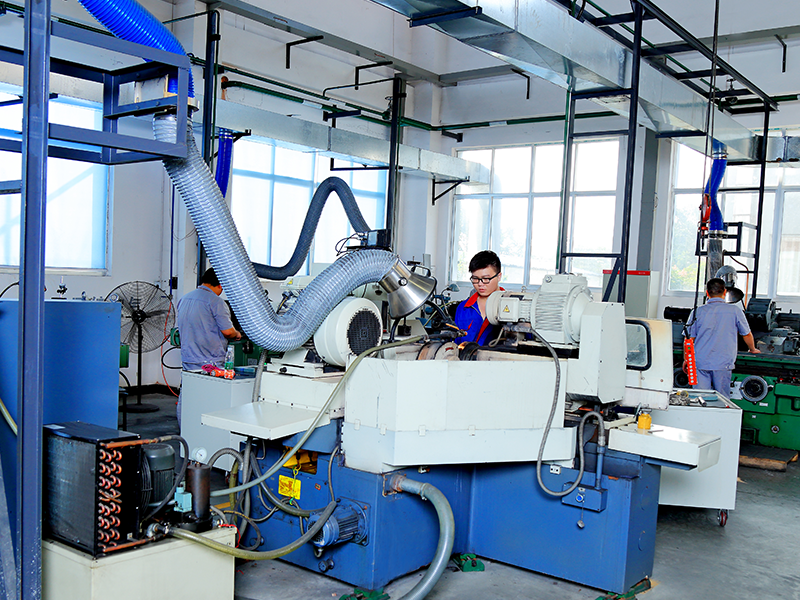
Factory Board
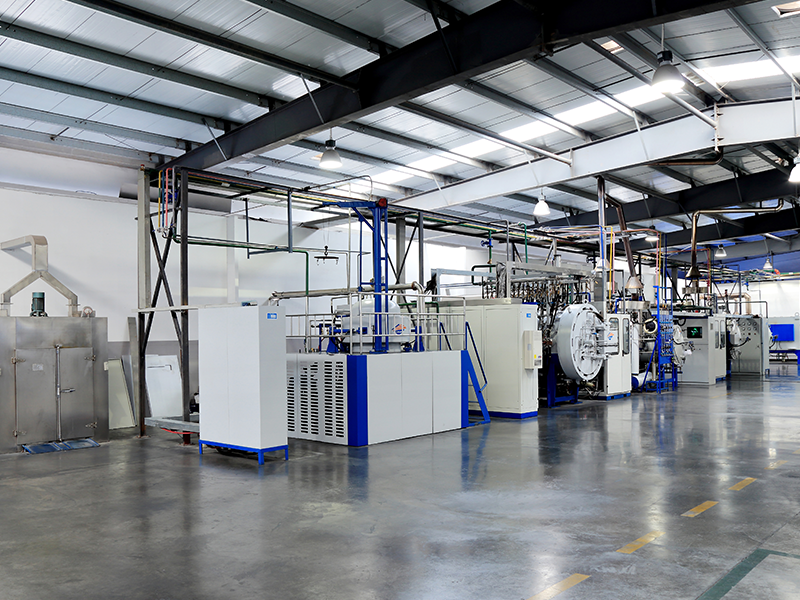
Factory Board
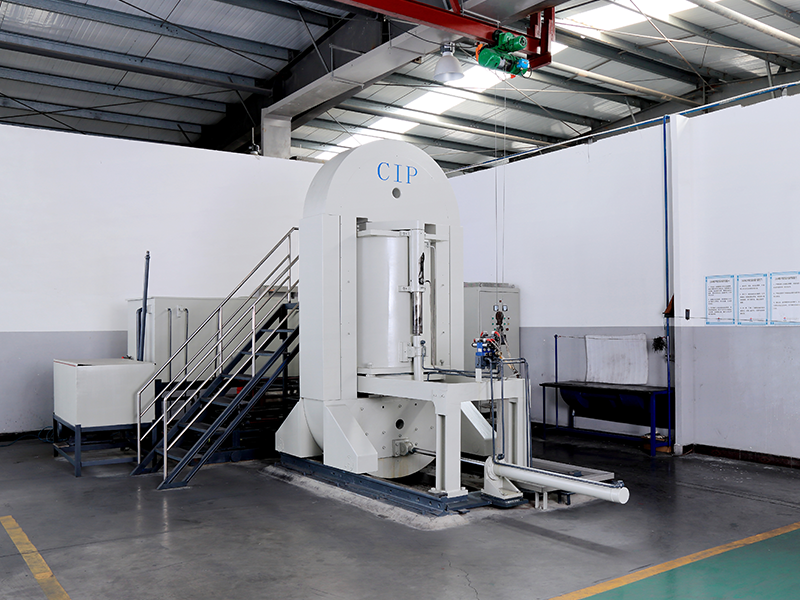
Factory Board
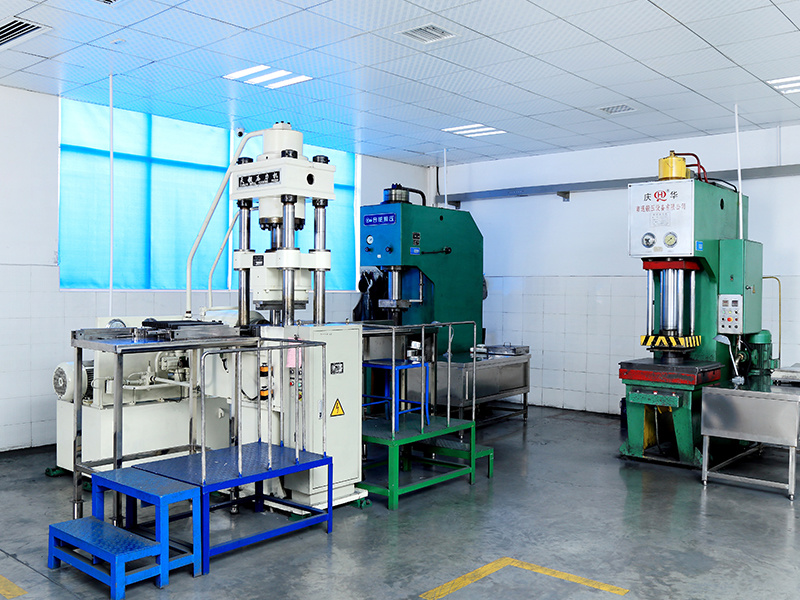
Factory Board
Recommended products


FAQ
2026-04-21
Common Issues in Machining Stainless Steel with Lizhou Turning Inserts
A detailed guide to LIZHOU cemented carbide turning inserts, covering naming conventions, types, selection of inserts specifically designed for roughing and finishing stainless steel, the differences between internal-bore and external-diameter inserts, and answers to frequently asked questions.
2026-04-21
Differences and Applications of Cobalt Drill Bits vs. Carbide Drill Bits
LiZhou Cemented Carbide provides a detailed comparison of cobalt-tipped drills and cemented carbide drills, covering material composition, hardness, tool life, suitable workpiece materials, and common issues to help you quickly select the right tool.
2026-03-31
What is the melting point of tungsten carbide? – Lizhou Cemented Carbide
This comprehensive analysis of Lizhou Cemented Carbide covers the melting point of tungsten carbide (2,870°C), a performance comparison, and industrial applications, explaining in detail why its high melting point makes cemented carbide highly resistant to high temperatures, wear, and deformation—making it ideally suited for tools, mining, steelmaking, and other demanding applications.
2026-03-28
How to Choose Positive and Negative Turning Inserts | LiZhou ISO Turning Tool Code Analysis
A Must-Read for Beginners! Lizhou Cemented Carbide Shows You How to Decode ISO Codes for Turning Inserts, Distinguish Between Positive- and Negative-Rake Inserts, Master the Three Key Selection Principles, and Resolve Common Issues Such as Poor Finish in Precision Turning and Work-Hardening When Machining Stainless Steel.
Hotline:
IPV4 / IPV6