


FAQ
4-Flute Flat End Mill
China Lizhou Hard Alloy Source Factory
Blade count and type: 4 insert flat head
Product model (brand):MS-4E
Suitable for processing materials:Cast iron, steel, stainless steel
Classification :
Carbide End Mill Featured Products
keyword:
lizhou




Carbide 3-Flute Flat End Mill: Comprehensive Guide, Applications, and Advantages
Introduction
In modern machining and precision manufacturing, carbide cutting tools have become the backbone of efficiency, accuracy, and durability. Among the many variants, the Carbide 3-Flute Flat End Mill stands out as a versatile and reliable tool designed for processing a wide range of materials, especially steels, stainless steels, aluminum alloys, titanium, and hardened materials.
As a professional carbide tooling manufacturer, our company specializes in developing high-performance solid carbide tools that combine innovation, precision engineering, and material science to meet the demands of industries such as aerospace, automotive, die and mold, and general machining.
This article provides a detailed introduction to the Carbide 3-Flute Flat End Mill, covering its advantages, usage scenarios, product features, innovative technologies, and best practices for achieving optimal machining performance.


Product detail drawing

 1. What is a Carbide 3-Flute Flat End Mill?
A Carbide 3-Flute Flat End Mill is a solid carbide cutting tool designed with three helical cutting edges (flutes) and a flat cutting end. Unlike ball nose end mills, which produce curved surfaces, flat end mills are optimized for machining sharp-edged slots, pockets, contours, and flat-bottomed cavities.
Key characteristics:
Material: Made of fine-grain tungsten carbide with cobalt binder.
Flute count: Three flutes, balancing cutting edge strength and chip evacuation.
Cutting geometry: Flat end with sharp edges for precision milling.
Applications: Roughing, semi-finishing, and finishing of metals and non-metallic materials.


2. Advantages of Carbide 3-Flute Flat End Mill
2.1 Material Advantages of Solid Carbide
High hardness: Carbide tools are harder than HSS (High-Speed Steel), ensuring excellent wear resistance.
Heat resistance: Maintains hardness and cutting edge sharpness at high temperatures.
Longer tool life: Carbide end mills typically last 2–5 times longer than HSS tools.
Dimensional stability: Less tool deflection under heavy cutting loads, ensuring higher accuracy.
2.2 Performance Advantages of 3 Flutes
Optimized balance: Compared with 2-flute mills (good for aluminum) and 4-flute mills (good for steel), the 3-flute design provides a balance between chip clearance and cutting edge strength.
Efficient chip evacuation: Larger flute spaces than 4-flute tools allow smooth chip removal, reducing the risk of tool clogging.
Versatility: Performs well across a variety of materials, including steel and aluminum alloys.
Higher feed rates: More cutting edges engage the material compared with 2-flute mills, improving productivity.
2.3 Cutting Edge Benefits
Flat-bottom machining: Ensures accurate surface finish in pockets, slots, and shoulders.
Reduced chatter: Balanced cutting geometry lowers vibration and ensures stable milling performance.
Excellent surface finish: Capable of achieving high-quality surfaces with fewer secondary finishing operations.
3. Applications of Carbide 3-Flute Flat End Mill
The Carbide 3-Flute Flat End Mill is widely used in industries requiring high precision and efficiency.
3.1 Aerospace Industry
Machining titanium alloys, Inconel, and stainless steel for turbine blades, structural components, and aerospace fasteners.
Ensures high dimensional accuracy for complex geometries.
3.2 Automotive Industry
Milling engine components, transmission parts, molds for automotive plastics, and chassis structures.
Provides efficient material removal for both soft and hardened steels.
3.3 Mold & Die Industry
Tool and die machining for injection molds, stamping dies, and die-casting components.
Excellent for finishing flat surfaces and contour milling.
3.4 General Machining
Suitable for slotting, pocketing, contouring, and side milling.
Works on a variety of materials: carbon steel, stainless steel, aluminum, copper, and plastics.
4. Features of Carbide 3-Flute Flat End Mill
4.1 Design Features
Helical flute design: Enhances chip flow and reduces cutting resistance.
Sharp cutting edges: Achieve smooth and precise cutting.
Flat cutting end: Ideal for accurate depth machining with clean bottoms.
4.2 Coating Options
TiAlN (Titanium Aluminum Nitride): High heat resistance, excellent for stainless steel and hardened steel.
TiCN (Titanium Carbonitride): Lower friction and longer tool life in general steel machining.
DLC (Diamond-Like Carbon): Excellent for aluminum and non-ferrous alloys, reducing built-up edge formation.
4.3 Available Sizes
Diameter range: 1mm to 25mm (customization available).
Shank type: Straight shank, Weldon shank, or customized.
Length: Standard and extended versions for deep cavity milling.
5. Technical Innovations and Patents
Our carbide 3-flute end mills incorporate advanced R&D-driven innovations to deliver superior performance:
Nano-grain carbide substrate: Enhances toughness and resistance to edge chipping.
Advanced coating technologies: PVD and CVD coatings extend tool life by 50–200%.
Optimized helix angle: Reduces cutting forces and prevents vibration during high-speed machining.
Coolant-through design (optional): Internal coolant channels for improved chip evacuation and heat reduction.
Proprietary flute polishing technology: Prevents chip sticking and improves surface finish.
We continuously file patents for flute geometry design and cutting edge preparation to ensure our tools stay at the forefront of machining technology.
6. Best Practices and Usage Guidelines
6.1 Cutting Parameters
For Steel (35–55 HRC):
Cutting speed: 60–120 m/min
Feed rate: 0.03–0.10 mm/tooth
For Stainless Steel:
Cutting speed: 50–100 m/min
Feed rate: 0.02–0.08 mm/tooth
For Aluminum Alloys:
Cutting speed: 150–300 m/min
Feed rate: 0.05–0.20 mm/tooth
6.2 Usage Tips
Always use rigid clamping to prevent tool deflection.
Apply coolant when machining stainless steel or titanium to reduce tool wear.
For aluminum, use air blast or mist lubrication to prevent built-up edge.
Avoid overloading; follow recommended cutting parameters.
6.3 Maintenance Tips
Inspect cutting edges regularly for wear.
Store in a dry, dust-free environment.
Use tool presetters for accurate setup and longer tool life.
7. Why Choose Our Carbide 3-Flute Flat End Mill?
OEM & ODM service: We customize flute geometry, coatings, and dimensions for specific applications.
High precision manufacturing: Tolerances within ±0.005mm.
Cost-effectiveness: Competitive price-performance ratio compared with international brands.
Strict quality control: ISO-certified production with full traceability.
Global export experience: Trusted by clients across Europe, Southeast Asia, Africa, and South America.
Conclusion
The Carbide 3-Flute Flat End Mill is an essential tool for high-efficiency machining, offering superior performance across steels, stainless steels, aluminum, and exotic alloys. With the combined advantages of solid carbide material, optimized 3-flute design, advanced coatings, and precision engineering, it is the ideal solution for manufacturers seeking longer tool life, improved productivity, and consistent machining accuracy.
By integrating our technical innovations, R&D-driven designs, and strict quality standards, we provide carbide end mills that help our customers stay competitive in today’s demanding manufacturing landscape.
Whether you are in aerospace, automotive, mold & die, or general machining, our Carbide 3-Flute Flat End Mills are engineered to deliver efficiency, durability, and precision at every step of your production process.
Previous page
Next page
Use equipment
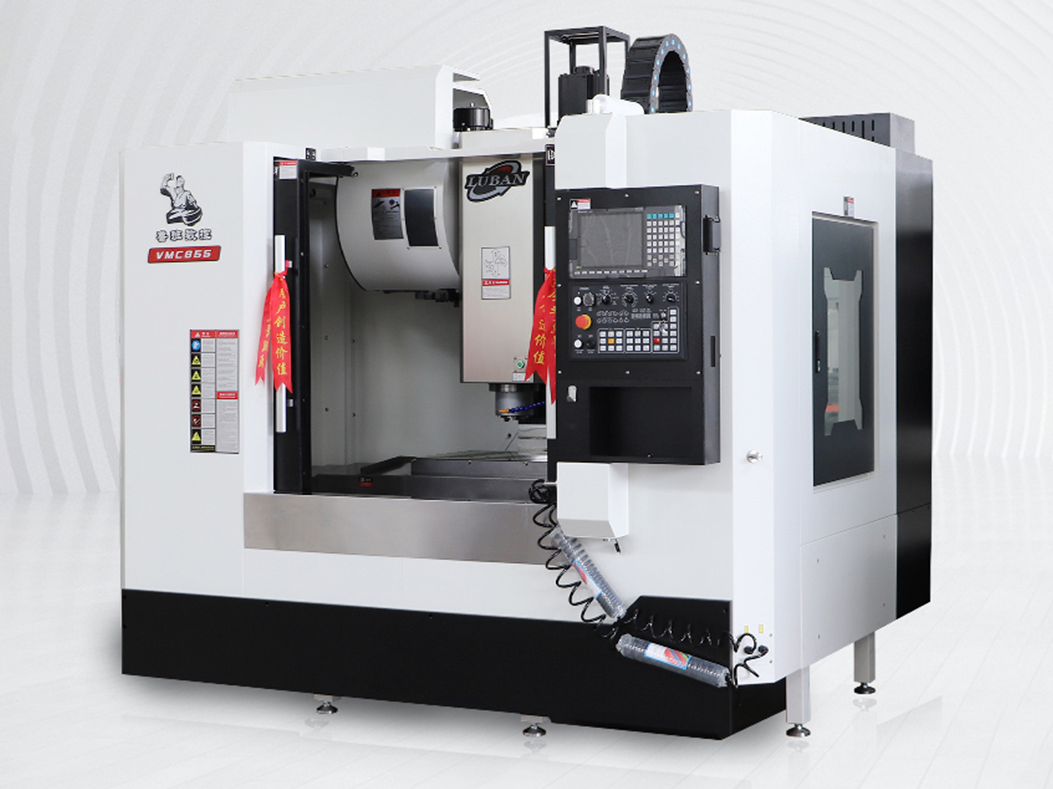
CNC machining centre
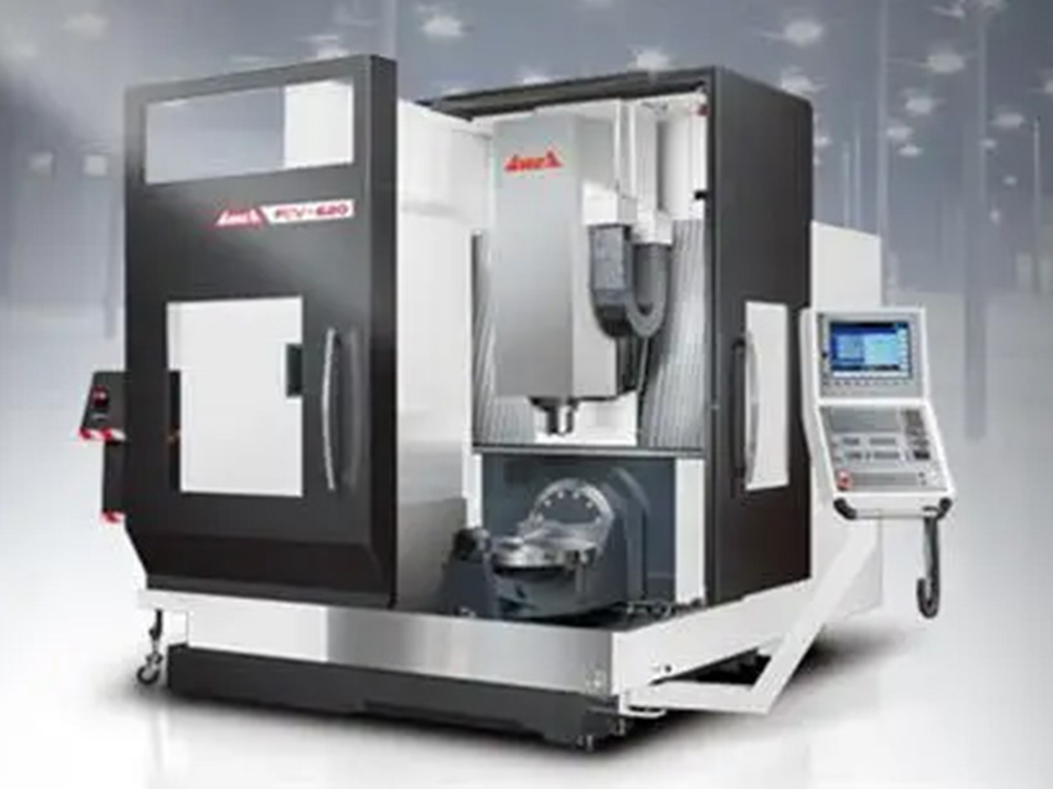
CNC machine tools
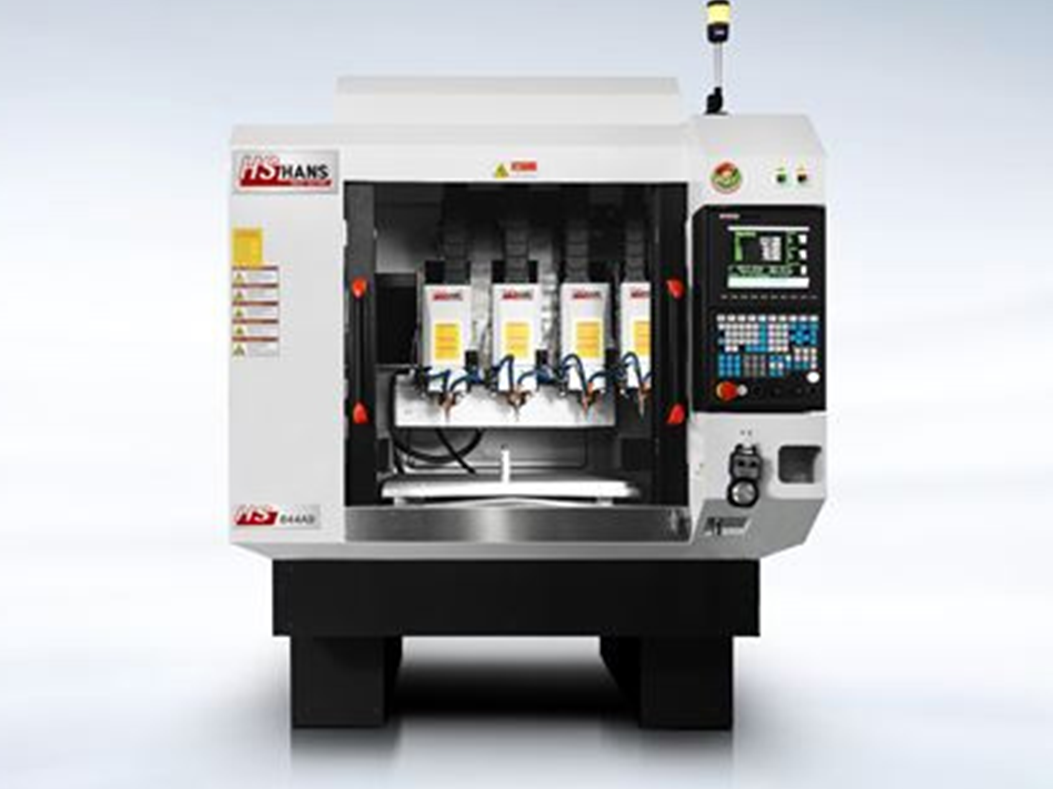
Carved machine
Factory Board

Factory Board

Factory Board
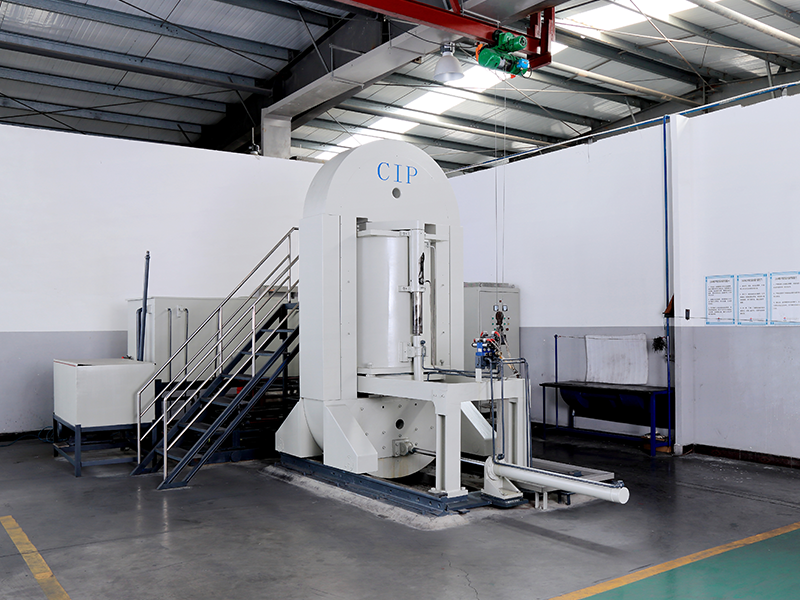
Factory Board

Factory Board
Recommended products


FAQ
2026-04-21
Common Issues in Machining Stainless Steel with Lizhou Turning Inserts
A detailed guide to LIZHOU cemented carbide turning inserts, covering naming conventions, types, selection of inserts specifically designed for roughing and finishing stainless steel, the differences between internal-bore and external-diameter inserts, and answers to frequently asked questions.
2026-04-21
Differences and Applications of Cobalt Drill Bits vs. Carbide Drill Bits
LiZhou Cemented Carbide provides a detailed comparison of cobalt-tipped drills and cemented carbide drills, covering material composition, hardness, tool life, suitable workpiece materials, and common issues to help you quickly select the right tool.
2026-03-31
What is the melting point of tungsten carbide? – Lizhou Cemented Carbide
This comprehensive analysis of Lizhou Cemented Carbide covers the melting point of tungsten carbide (2,870°C), a performance comparison, and industrial applications, explaining in detail why its high melting point makes cemented carbide highly resistant to high temperatures, wear, and deformation—making it ideally suited for tools, mining, steelmaking, and other demanding applications.
2026-03-28
How to Choose Positive and Negative Turning Inserts | LiZhou ISO Turning Tool Code Analysis
A Must-Read for Beginners! Lizhou Cemented Carbide Shows You How to Decode ISO Codes for Turning Inserts, Distinguish Between Positive- and Negative-Rake Inserts, Master the Three Key Selection Principles, and Resolve Common Issues Such as Poor Finish in Precision Turning and Work-Hardening When Machining Stainless Steel.
Hotline:
IPV4 / IPV6