


FAQ
6-Flute Flat End Mill
China Lizhou Hard Alloy Source Factory
Blade count and type: 6 flute flat end mill
Product model (brand):MS-6E
Suitable for processing materials:Cast iron, steel, stainless steel
Classification :
Flat End Mill
keyword:
lizhou




Introduction
In modern machining, the demand for precision, speed, and durability continues to grow across industries such as aerospace, mold manufacturing, automotive, energy, and general engineering. Among the wide range of cutting tools available, carbide end mills have emerged as the standard for high-performance milling operations.
Within this family of tools, the carbide 6-flute flat end mill stands out as a reliable solution designed for heavy-duty, high-efficiency milling applications. Combining advanced carbide substrate technology with optimized geometry, the 6-flute end mill provides enhanced productivity, longer tool life, and superior surface finishes.
This article explores the advantages, applications, functions, features, precautions, and technical innovations behind the carbide 6-flute flat end mill.


Advantages of square end milling cutter as a Material
Carbide, also known as tungsten carbide (WC), is a hard material made by powder metallurgy. When used in cutting tools, it offers several unique advantages:
Extreme Hardness and Wear Resistance
Carbide has a hardness of approximately 90 HRA, significantly higher than high-speed steel (HSS). This ensures outstanding resistance against wear and deformation under extreme cutting conditions.
High Red Hardness
Carbide retains its hardness at elevated temperatures (up to 1000°C). This allows the 6-flute end mill to perform well in high-speed machining without losing cutting ability.
Excellent Tool Life
Due to its superior hardness and thermal stability, carbide tools generally last 5–10 times longer than HSS tools, reducing downtime and tool replacement costs.
Tight Dimensional Accuracy
Carbide tools allow precise machining with tolerances in the micrometer range, ensuring consistency in high-value manufacturing.


Why Choose a 6-Flute Flat End Mill?
The geometry of the cutting tool determines its suitability for different machining operations. Compared to 2-flute, 3-flute, or 4-flute end mills, the 6-flute flat end mill offers distinct advantages:
Higher Metal Removal Rate (MRR)
With six cutting edges engaged, the tool removes more material per revolution, enhancing machining efficiency.
Better Surface Finish
The additional flutes distribute cutting forces more evenly, reducing chatter and producing smoother surfaces.
Longer Tool Life
Cutting loads are shared across six edges instead of fewer flutes, which reduces tool wear and extends service life.
Optimized for Hard Materials
6-flute designs are particularly effective for machining hardened steels, titanium alloys, and superalloys, where higher rigidity and stability are required.
Improved Stability
The higher flute count reduces tool deflection, making it ideal for applications requiring dimensional precision.
Applications of the Carbide 6-Flute Flat End Mill
The 6-flute carbide flat end mill finds applications in multiple industries due to its versatility and robustness. Key application areas include:
Aerospace Industry
Machining titanium alloys, nickel-based superalloys, and aluminum parts.
Used for structural components requiring tight tolerances.
Automotive Manufacturing
Precision machining of engine components, transmission parts, and mold tools.
High-speed milling of hardened steels for dies and molds.
Mold & Die Industry
Used in roughing and finishing operations for injection molds and stamping dies.
Suitable for hardened steels (45–65 HRC).
General Engineering
Milling of stainless steel, cast iron, copper, and composite materials.
Fabrication of precision components in medical equipment and electronics.
Functions of the 6-Flute Flat End Mill
The carbide 6-flute flat end mill is designed for multiple milling operations:
Slotting – Creating accurate, flat-bottom slots.
Side Milling – Machining vertical or horizontal walls with precision.
Contour Milling – Following complex paths and 3D shapes.
Pocket Milling – Removing material within cavities.
Facing – Producing flat, smooth surfaces.
High-Efficiency Milling (HEM) – Removing material at high speeds while minimizing heat buildup.
Key Features
High-Performance Carbide Substrate
Manufactured with ultra-fine carbide particles to balance toughness and hardness.
Advanced Coatings (Optional)
TiAlN (Titanium Aluminum Nitride) for high-temperature resistance.
AlTiN (Aluminum Titanium Nitride) for excellent hardness and oxidation resistance.
DLC (Diamond-Like Coating) for non-ferrous applications.
Optimized Flute Design
Six flutes ensure smooth chip evacuation and reduced cutting forces.
Flat End Geometry
Enables sharp and clean bottom surfaces when slotting or pocketing.
Precision Manufacturing
Ground to exact tolerances with advanced CNC tool grinding equipment.
Precautions for Using Carbide 6-Flute End Mills
To maximize tool performance, users must follow certain precautions:
Machine Stability
Use rigid machines and fixtures to prevent chatter and tool breakage.
Correct Cutting Parameters
Use higher cutting speeds (Vc) compared to HSS tools.
Apply appropriate feed per tooth (fz) to avoid tool overload.
Coolant Usage
For steels and alloys, use coolant to reduce thermal stress.
For aluminum, apply minimum quantity lubrication (MQL) or air blast for chip evacuation.
Avoid Overloading
Do not use the 6-flute design for deep slotting in soft materials, as chips may clog the flutes.
Regular Inspection
Check for tool wear, edge chipping, or coating damage to maintain consistent machining quality.
Technical and Innovative Aspects
The development of carbide 6-flute end mills has evolved with technological advancements:
Nano-Grain Carbide
Ultra-fine carbide substrates improve toughness and reduce micro-chipping.
Advanced Coating Technologies
PVD and CVD coatings significantly increase wear resistance and extend tool life.
Variable Helix and Variable Pitch Designs
Reduce vibration and improve stability during high-speed milling.
Chipbreaker Geometries
Innovative flute geometries enhance chip evacuation in difficult-to-machine materials.
Patented Cooling Channels (Optional)
Some advanced designs feature internal coolant holes to deliver fluid directly to the cutting edge.
Conclusion
The carbide 6-flute flat end mill is a premium cutting tool designed to meet the demands of modern machining industries. With its durable carbide substrate, optimized geometry, and advanced coatings, it ensures long tool life, high productivity, and superior surface finishes.
From aerospace to automotive and mold manufacturing, this tool provides a competitive edge by delivering efficiency, accuracy, and reliability. By following best practices and using appropriate cutting parameters, manufacturers can maximize the performance of their 6-flute end mills and achieve significant cost savings.
Previous page
Next page
Use equipment
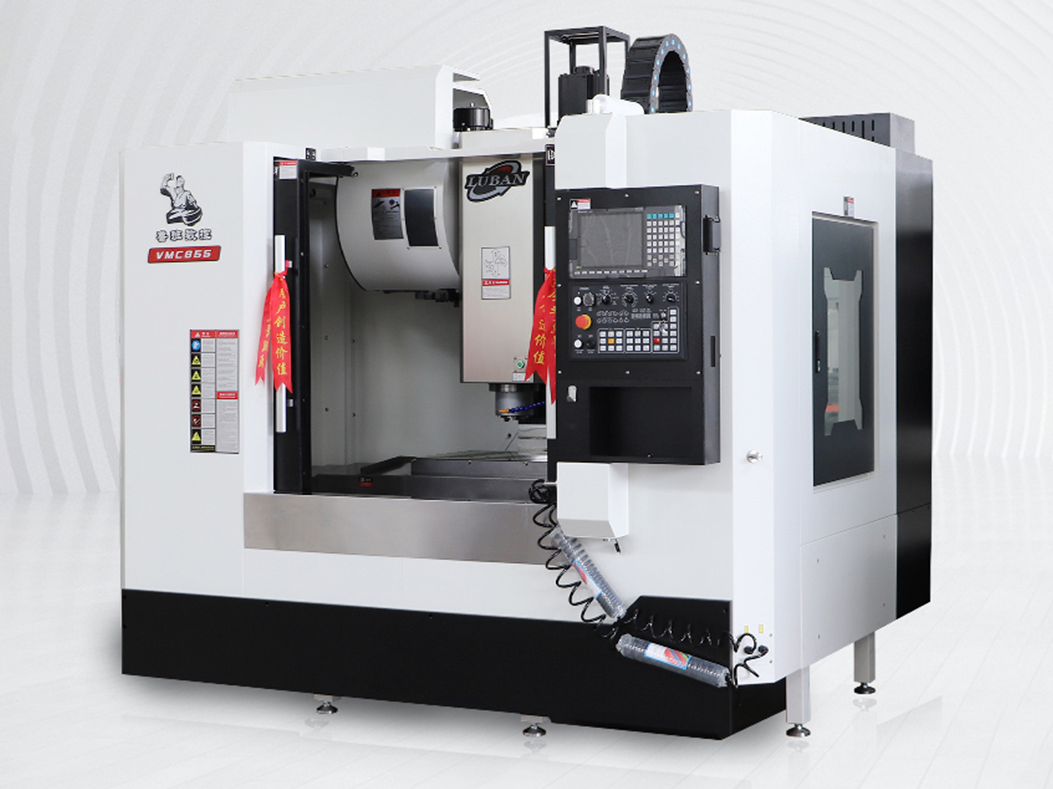
CNC machining centre
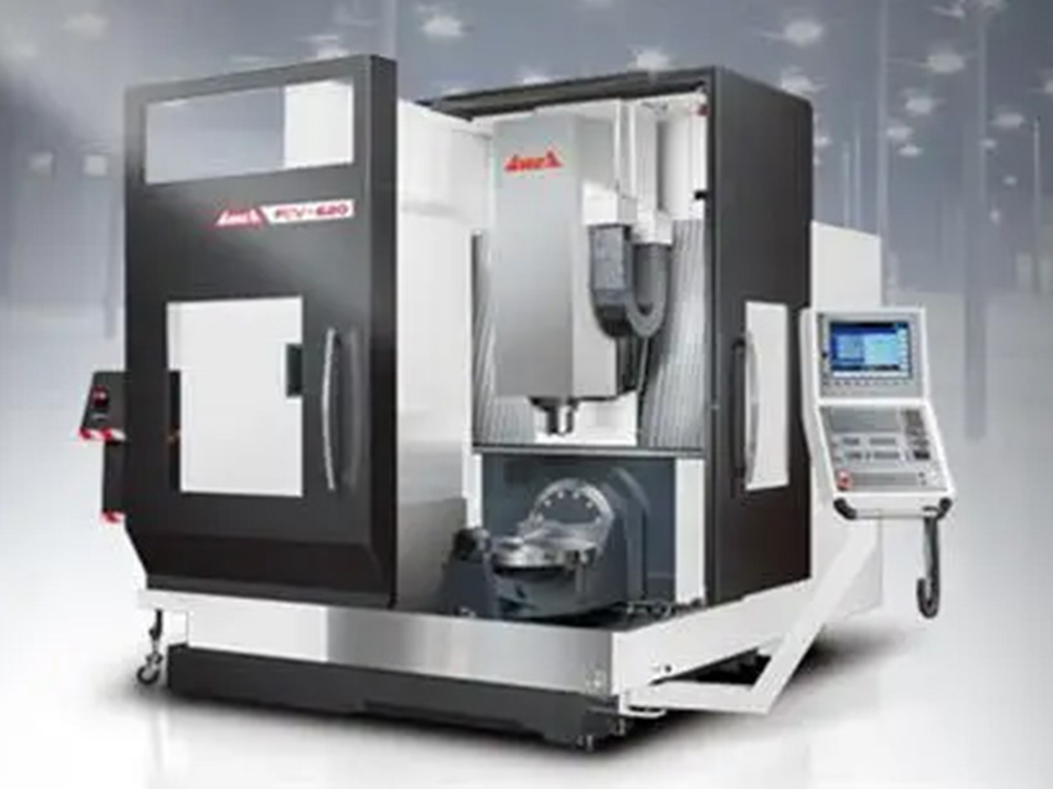
CNC machine tools
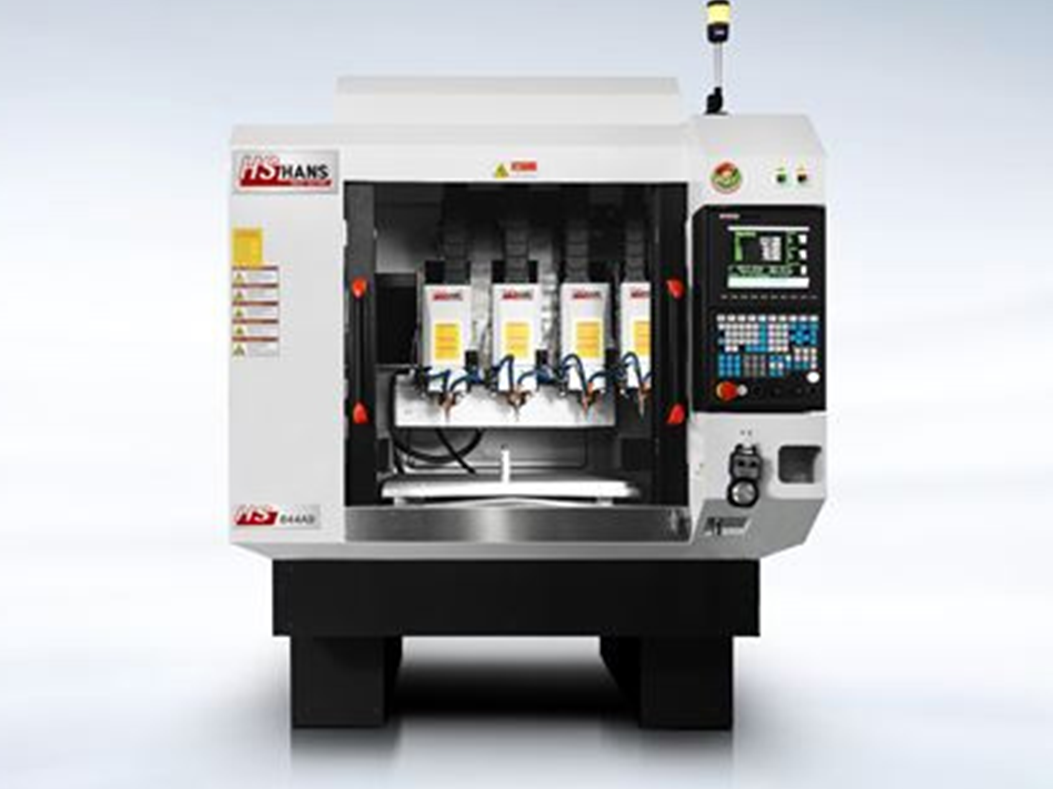
Carved machine
Factory Board

Factory Board

Factory Board
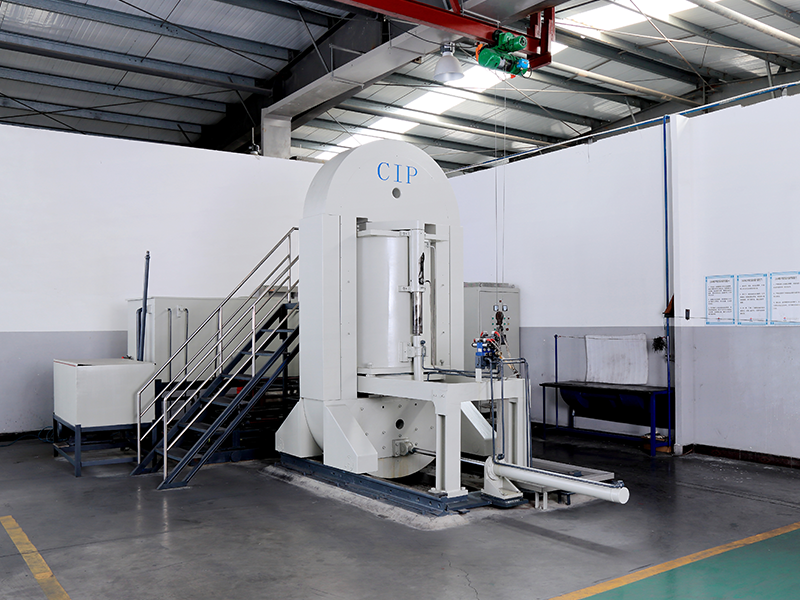
Factory Board

Factory Board
Recommended products


FAQ
2026-04-21
Common Issues in Machining Stainless Steel with Lizhou Turning Inserts
A detailed guide to LIZHOU cemented carbide turning inserts, covering naming conventions, types, selection of inserts specifically designed for roughing and finishing stainless steel, the differences between internal-bore and external-diameter inserts, and answers to frequently asked questions.
2026-04-21
Differences and Applications of Cobalt Drill Bits vs. Carbide Drill Bits
LiZhou Cemented Carbide provides a detailed comparison of cobalt-tipped drills and cemented carbide drills, covering material composition, hardness, tool life, suitable workpiece materials, and common issues to help you quickly select the right tool.
2026-03-31
What is the melting point of tungsten carbide? – Lizhou Cemented Carbide
This comprehensive analysis of Lizhou Cemented Carbide covers the melting point of tungsten carbide (2,870°C), a performance comparison, and industrial applications, explaining in detail why its high melting point makes cemented carbide highly resistant to high temperatures, wear, and deformation—making it ideally suited for tools, mining, steelmaking, and other demanding applications.
2026-03-28
How to Choose Positive and Negative Turning Inserts | LiZhou ISO Turning Tool Code Analysis
A Must-Read for Beginners! Lizhou Cemented Carbide Shows You How to Decode ISO Codes for Turning Inserts, Distinguish Between Positive- and Negative-Rake Inserts, Master the Three Key Selection Principles, and Resolve Common Issues Such as Poor Finish in Precision Turning and Work-Hardening When Machining Stainless Steel.
Hotline:
IPV4 / IPV6