


FAQ
2-Flute Deep Groove Flat End Mill
China Lizhou Hard Alloy Source Factory
Blade count and type: 2 flute deep grooving
Product model (brand):MS-2E
Suitable for processing materials:Cast iron, steel, stainless steel
Classification :
Flat End Mill
keyword:
lizhou




Carbide 2-Flute Deep Groove Flat End Mill for Aluminum Machining – High Performance Cutting Tool for Precision Manufacturing
Introduction
In modern precision machining, choosing the right cutting tool directly impacts productivity, surface finish, and tool life. For industries such as aerospace, automotive, die and mold, and electronics, aluminum is one of the most commonly machined materials due to its lightweight properties and excellent machinability. However, machining aluminum requires specialized tools that can deliver fast chip removal, minimal built-up edge, and outstanding surface finish.
This is where the Carbide 2-Flute Deep Groove Flat End Mill for Aluminum comes into play. As a product designed and manufactured by a professional hard alloy (carbide) company, this end mill leverages the inherent strength and wear resistance of tungsten carbide, combined with geometry optimized for aluminum, to provide exceptional cutting performance.


Product detail drawing

Widely used, can be used for step processing, right Angle groove processing, etc., can also be drilling and milling processing, but the less the number of blades, the better the effect
Why Choose Carbide as the Base Material?
Hard alloy, also known as tungsten carbide, has become the material of choice for modern end mills. Compared to traditional high-speed steel (HSS), carbide offers the following significant advantages:
Superior Hardness and Wear Resistance
Carbide has a hardness of approximately 90 HRA, much higher than HSS. This ensures longer tool life and consistent performance even under high-speed and high-load cutting conditions.
High Red Hardness
Carbide retains its hardness and cutting edge strength at elevated temperatures, allowing stable performance in high-speed machining of aluminum alloys.
Excellent Abrasion and Deformation Resistance
Carbide tools resist abrasion from aluminum’s sometimes abrasive alloys and minimize plastic deformation of the cutting edge.
Enhanced Productivity
The ability to cut at higher speeds with less frequent tool changes improves overall machining efficiency and reduces production costs.

Product Overview: Carbide 2-Flute Deep Groove Flat End Mill
The Carbide 2-Flute Deep Groove Flat End Mill is engineered specifically for aluminum machining, with the following core features:
2-Flute Design: Wide flute space ensures smooth chip evacuation, minimizing chip clogging.
Deep Groove Geometry: Provides ample room for large volume chip removal, especially useful for slotting, pocketing, and deep cavity milling in aluminum.
Flat End Cutting Edge: Delivers sharp, precise cutting with excellent flat-bottom profiles.
Polished Flutes: Mirror-like polished surfaces reduce built-up edge formation, improve chip flow, and enhance surface finish.
High-Performance Carbide Substrate: Ensures strength, wear resistance, and extended tool life.
Optional Coatings: Advanced coatings such as DLC (Diamond-Like Carbon) or TiB2 can be applied for extra anti-sticking properties in aluminum machining.
Applications and Use Cases
The Carbide 2-Flute Deep Groove Flat End Mill is widely used in industries that process aluminum and non-ferrous materials. Some of the main applications include:
Aerospace Industry
Machining structural aluminum components such as aircraft frames, wing ribs, and brackets.
Producing deep cavities in lightweight alloys with minimal tool deflection.
Automotive Industry
Manufacturing engine housings, transmission components, and lightweight aluminum parts.
Ensuring high productivity in mass production with excellent dimensional accuracy.
Electronics and Precision Components
Machining aluminum heat sinks, casings, and connectors.
Achieving fine surface finishes for high-precision parts.
Die and Mold Making
Aluminum molds for plastics and composite materials.
Deep groove milling with reduced chatter and efficient chip removal.
Key Features and Advantages
Optimized for Aluminum Machining
Large flute clearance for fast chip evacuation
Highly polished cutting edges prevent aluminum from stiching.
Deep Groove Geometry
Suitable for slotting and cavity machining
Prevents chip packing in deep cuts
High-Speed Capability
Ideal for CNC machining centers operating at high RPM
Maintains tool integrity even under aggressive cutting parameters.
Outstanding Surface Finish
Produces smooth,burr-free aluminum surfaces.
Reduces secondary polishing or finishing operations
Cost-Effective Productivity
Longer tool life reduces downtime for tool changes
Higher feed rates and speeds increase output.
Technical Considerations & Usage Guidelines
To maximize the performance of the Carbide 2-Flute Deep Groove Flat End Mill, several usage guidelines should be followed:
Cutting Parameters
Recommended cutting speed for aluminum: 200–600 m/min, depending on alloy and machine capability.
Feed per tooth: 0.01–0.05 mm/tooth for fine finishing, 0.05–0.15 mm/tooth for roughing.
Coolant Use
Use of water-soluble cutting fluid or mist lubrication is recommended to prevent built-up edge and improve surface finish.
Machine Tool Requirements
CNC machines with high spindle RPM and stable rigidity provide best results.
Proper tool holding system (collet, shrink fit, or hydraulic chuck) ensures concentricity and reduces runout.
Chip Evacuation
Compressed air or coolant should be directed into the cutting zone to assist in chip removal, especially for deep groove milling.
Avoiding Tool Wear
Inspect tools regularly for flank wear or edge chipping.
Replace before excessive wear leads to dimensional inaccuracies.
Technological Innovations and Patents
Our carbide 2-flute deep groove end mills incorporate several innovative technologies:
Ultra-Fine Grain Carbide Substrate
Provides higher toughness and wear resistance.
Polished Flute Technology
Proprietary polishing process reduces friction and improves chip evacuation.
Advanced Coating Options
DLC (Diamond-Like Carbon) Coating: Extremely low friction, ideal for non-ferrous machining.
TiB2 Coating: Enhances anti-sticking properties and prolongs tool life.
Patented Groove Geometry (if applicable)
Special flute design reduces vibration and tool deflection during deep slotting.
Advantages Over Conventional End Mills
Compared to 4 flute or multi- flute end mills ,the 2- flute deep groove design offers larger chip clearance,making it the ideal choice for soft and sticky materials like aluminum.
Outperforms HSS end mills in terms of cutting speed ,tool life ,and precision.
Provides faster machining and smoother surfaces compared to conventional flat end mills not optimized for aluminum.
Conclusion
The Carbide 2-Flute Deep Groove Flat End Mill for Aluminum is a specialized, high-performance cutting tool designed to meet the needs of industries that rely heavily on aluminum machining. Its carbide material advantages, optimized flute geometry, deep groove capacity, and polished cutting edges make it the perfect solution for applications requiring fast chip removal, high precision, and excellent surface finishes.
By choosing our hard alloy carbide tools, manufacturers can achieve:
Higher productivity through faster machining speeds.
Lower costs due to extended tool life.
Better product quality with superior surface finishes.
Reliability in demanding industrial applications.
With continued innovation in carbide substrate technology, flute design, and surface coatings, our company remains at the forefront of precision tool manufacturing, offering end mills that empower manufacturers to stay competitive in today’s fast-paced global market.
Previous page
Next page
Use equipment
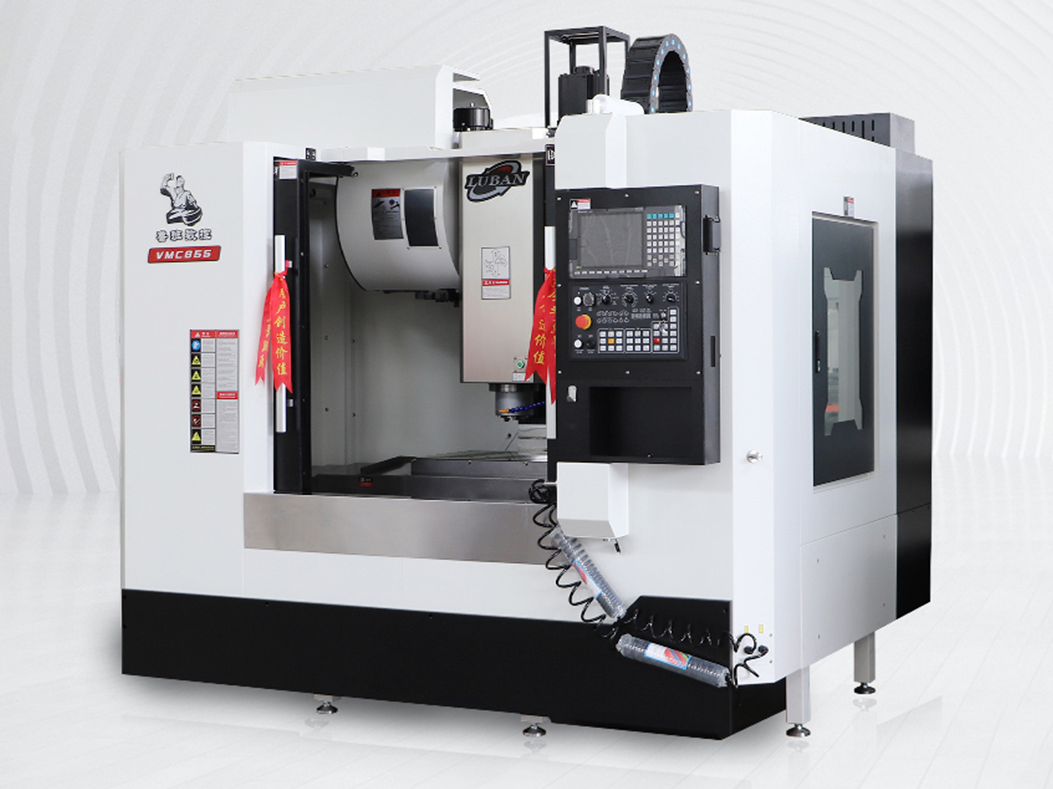
CNC machining centre
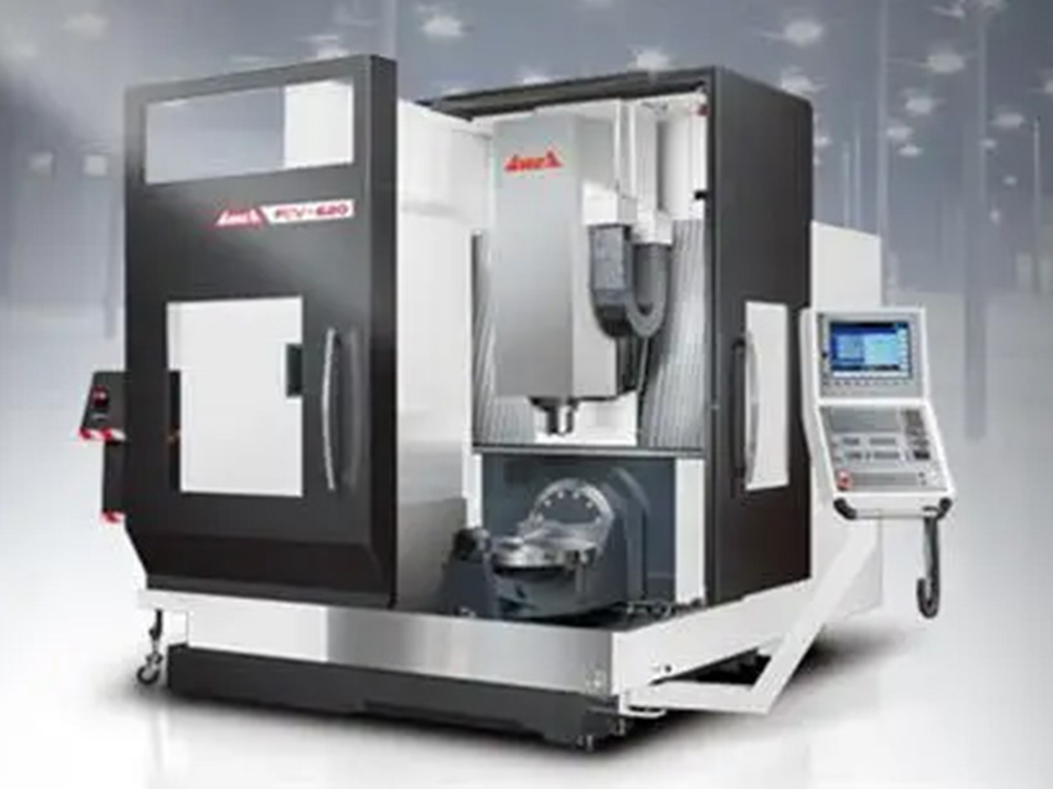
CNC machine tools
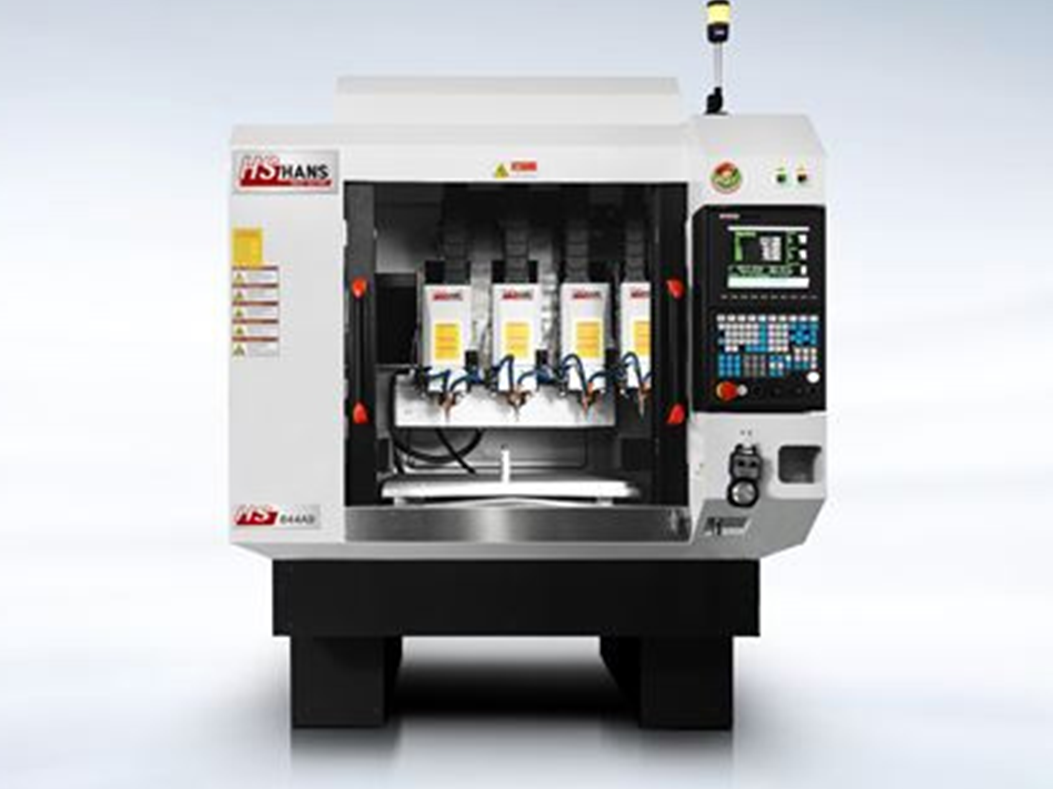
Carved machine
Factory Board
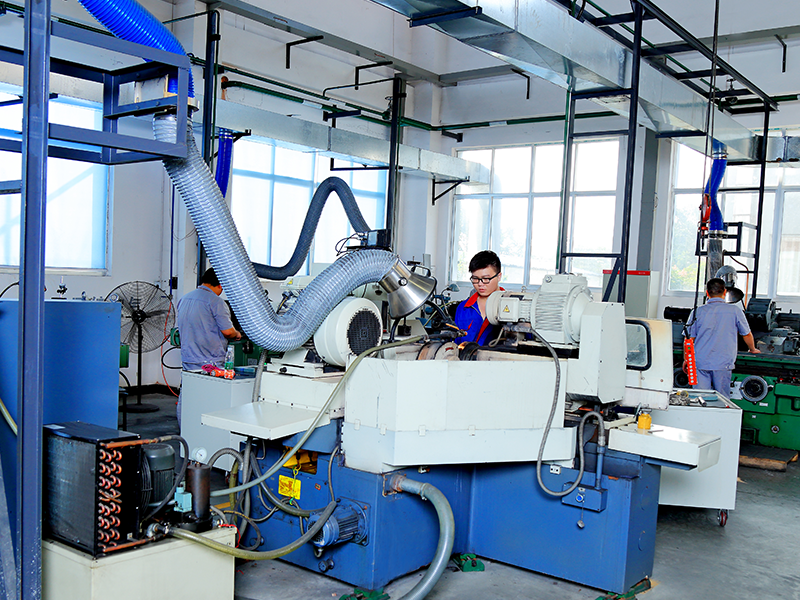
Factory Board

Factory Board
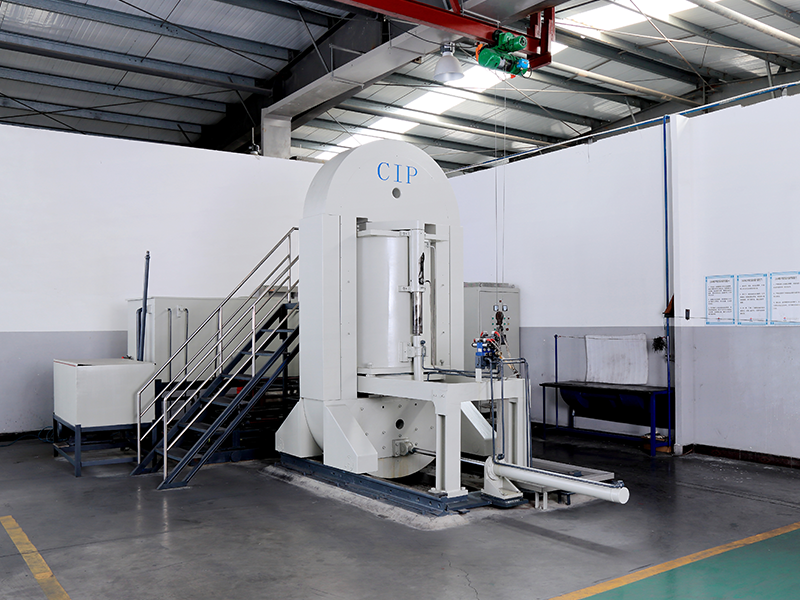
Factory Board
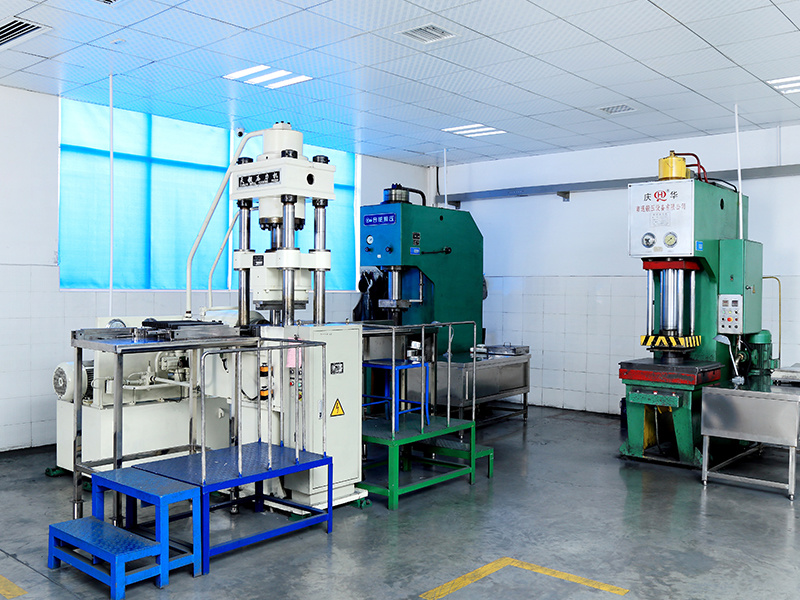
Factory Board
Recommended products


FAQ
2026-04-21
Common Issues in Machining Stainless Steel with Lizhou Turning Inserts
A detailed guide to LIZHOU cemented carbide turning inserts, covering naming conventions, types, selection of inserts specifically designed for roughing and finishing stainless steel, the differences between internal-bore and external-diameter inserts, and answers to frequently asked questions.
2026-04-21
Differences and Applications of Cobalt Drill Bits vs. Carbide Drill Bits
LiZhou Cemented Carbide provides a detailed comparison of cobalt-tipped drills and cemented carbide drills, covering material composition, hardness, tool life, suitable workpiece materials, and common issues to help you quickly select the right tool.
2026-03-31
What is the melting point of tungsten carbide? – Lizhou Cemented Carbide
This comprehensive analysis of Lizhou Cemented Carbide covers the melting point of tungsten carbide (2,870°C), a performance comparison, and industrial applications, explaining in detail why its high melting point makes cemented carbide highly resistant to high temperatures, wear, and deformation—making it ideally suited for tools, mining, steelmaking, and other demanding applications.
2026-03-28
How to Choose Positive and Negative Turning Inserts | LiZhou ISO Turning Tool Code Analysis
A Must-Read for Beginners! Lizhou Cemented Carbide Shows You How to Decode ISO Codes for Turning Inserts, Distinguish Between Positive- and Negative-Rake Inserts, Master the Three Key Selection Principles, and Resolve Common Issues Such as Poor Finish in Precision Turning and Work-Hardening When Machining Stainless Steel.
Hotline:
IPV4 / IPV6