


Blog
FAQ
Characteristics and Common Issues of Indexable Milling Cutters
time:
2026-06-08 11:49
source:
Lizhou


Indexable inserts are a critical selection criterion that many machining shops simply cannot overlook. Many workshops struggle with high tool wear, frequent tool changes, and elevated production costs—switching to indexable milling cutters can directly reduce these expenses. Today, drawing on real‑world machining scenarios, we’ll explain the key features and core advantages of indexable milling cutters while addressing common questions encountered in everyday operations, helping you avoid unnecessary detours.
Content
- What is an indexable milling cutter?
- The difference between indexable milling cutters and solid end mills
- Why are indexable milling cutters so popular?
- Advantages of Indexable Milling Cutters
- What is a practical milling cutter?
- What is a dividing milling cutter?
- Common Issues with Indexable Milling Cutters

I. What is a Indexable Milling Cutter?
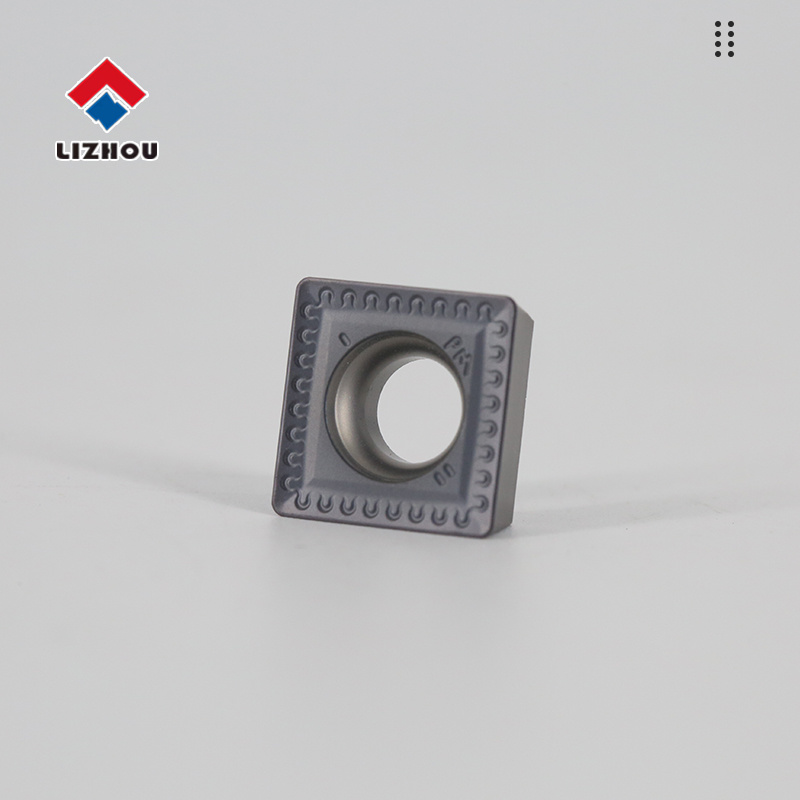
Indexable milling cutters are currently the mainstream CNC cutting tools used in machining centers. They consist of a cutter body and replaceable carbide inserts, making them detachable, indexable, and reusable milling tools. Unlike conventional tools, when the insert wears or chatters, the operator can simply rotate the insert to a fresh cutting edge or replace the entire insert, allowing machining to continue.
This cutting tool is compatible with the vast majority of CNC machining processes, covering high-speed machining and high-feed milling. It can handle end-face milling, shoulder milling, slotting, contour milling, heavy‑duty roughing, and other full‑process operations. It features roughing inserts, semi‑finishing inserts, and finishing inserts, and is suitable for machining a wide range of materials, including steel, stainless steel, aluminum, and cast iron.
II. Differences Between Indexable Milling Cutters and Solid End Mills
Many beginners tend to confuse these two types of knives, but their intended applications, costs, and performance characteristics differ markedly.
Solid end mills feature an integral design, with the shank and cutting edges formed as a single unit. Once worn, they must be either resharpened as a whole or discarded, resulting in high consumable costs. Their impact resistance is moderate, and they are prone to breakage under heavy‑load machining conditions.
Indexable milling cutters: featuring a modular design, the cutter body can be reused repeatedly, with blade replacement being all that’s required. The indexable version offers enhanced rigidity, and when paired with dedicated roughing inserts, it is perfectly suited for heavy‑duty roughing operations, delivering excellent performance in high‑volume production, mold‑making roughing, and superior stability.
III. Why are indexable milling cutters so popular?
The core reasons for the popularity of indexable milling cutters: they meet mass‑production requirements, save money, and deliver consistent performance.
First, the process portfolio is comprehensive: whether it’s high-speed finish milling, high-feed efficient machining, heavy‑load rough milling, or complex contour machining, each can be matched with the appropriate inserts and cutting parameters.
Secondly, there is no need to frequently replace the entire tool set, significantly reducing machine downtime and improving equipment utilization.
In addition, it offers tailored tool selection: impact‑resistant for roughing with rapid chip evacuation, and designed to ensure surface finish in finishing operations. For semi‑finishing, versatile inserts can be used, enabling a single machine to handle multiple applications and perfectly meeting the diverse machining needs of the shop floor—whether for small or large batch production orders.
IV. Advantages of Indexable Milling Cutters
1. Cost Advantage
The tool body is reusable for life; only the consumable cutting inserts need to be replaced, making it ideal for long‑term mass production.
2. Coverage of processing scenarios
It can handle high‑efficiency rapid feed and high‑speed finishing, as well as high‑speed precision milling—whether for planar surfaces, end faces, side‑wall shoulder milling, slotting, curved‑surface contouring, or heavy‑load roughing—delivering stable machining performance across the board.
3. High adaptability
Can be freely combined according to the material being processed. PVD 、 CVD Coated inserts address common issues such as steel‑workpiece wear and stainless‑steel galling, delivering enhanced machining stability.
V. What is a practical milling cutter?
In short, a utility milling cutter is a versatile, cost-effective tool that meets the essential needs of workshops and is suitable for a wide range of applications.
These cutting tools do not prioritize specialized performance; instead, they emphasize practicality, low failure rates, and compatibility with standard roughing and finishing milling operations. They are well-suited for routine shop‑floor milling, slotting, and surface machining of steel, cast iron, and aluminum. With their versatility, indexable milling cutters serve as the workhorse for day‑to‑day production in small and medium‑sized machining shops.
6. What is a dividing milling cutter?
Indexable milling cutters are indexable tools featuring evenly spaced cutting edges. The cutter body and teeth are arranged with uniform angular indexing, resulting in more balanced cutting forces and reduced vibration. This design effectively disperses cutting stresses, yielding superior surface flatness and minimizing issues such as chatter marks, making it well suited for stable, high‑volume production environments.
VII. Common Issues with Indexable Milling Inserts
Q1: What should you do if indexable milling cutters are prone to chatter and produce poor surface finish?
A: In most cases, the issue stems from improper tool‑insert selection—using finish‑cutting inserts in heavy‑load conditions or standard inserts in high‑feed applications. Roughing and finishing operations require appropriately matched cutting parameters.
Q2: What’s the reason for the lack of improvement in machining efficiency?
A: To achieve efficient high-feed machining, you need to use dedicated high-feed inserts and optimize the parameters for shallow depth of cut and rapid traverse. Standard inserts cannot handle high feed rates; not only is the process inefficient, but they are also prone to wear and chipping.
Q3: Are indexable milling cutters suitable for precision finish machining?
A: Fully suitable; when paired with high-precision grinding and finishing, and operated at an appropriate spindle speed and feed rate, it can reliably perform precision contouring and end-face finishing, meeting the stringent surface‑finish requirements of the workpiece.
Q4: Compared with solid carbide end mills, in which applications is it essential to use indexable milling cutters?
A: For high-volume production, heavy‑load roughing, and large‑area face milling, prioritize indexable carbide end mills to achieve the most significant cost reduction and efficiency gains.
In summary, indexable milling cutters, with their high versatility, low cost, and broad process compatibility, have become the cornerstone of modern CNC machining. Selecting the right insert grade and matching it to the specific machining process not only prevents issues such as chipping, excessive wear, and poor surface finish, but also maximizes shop‑floor productivity and reduces overall manufacturing costs.
next page
Recommended products


Hotline:
IPV4 / IPV6