


FAQ
2-Flute Deep Groove Ball End Mill
China Lizhou Hard Alloy Source Factory
Blade count and type: 2 Flute deep groove ball end mill
Product model (brand):MS-2B
Suitable for processing materials:Cast iron, steel, stainless steel
Classification :
Ball End Mill
keyword:
lizhou




2-Flute Deep Groove Ball End Mill: Precision Carbide Cutting Tool for Advanced Machining
Introduction
In modern machining and manufacturing industries, the demand for high-precision, durable, and efficient cutting tools is greater than ever. Among the wide range of milling tools, the 2-Flute Deep Groove Ball End Mill has emerged as one of the most versatile and essential solutions for machining deep slots, curved profiles, and 3D surfaces. When manufactured from premium carbide materials, this tool combines hardness, toughness, and wear resistance to deliver superior performance across a variety of applications.
This detailed guide introduces the advantages of carbide, the unique role of the 2-flute deep groove ball end mill, its applications, features, and innovative technologies that make it indispensable for industries such as aerospace, mold making, automotive, precision engineering, and electronics.


1. The Advantage of Carbide as a Cutting Material
1.1 Superior Hardness and Strength
Carbide, primarily composed of tungsten carbide (WC) and cobalt binder, is significantly harder than high-speed steel (HSS) or cobalt alloys. This exceptional hardness allows the end mill to cut through tough materials with minimal deformation and maintain sharp cutting edges over extended periods.
1.2 Wear Resistance
Carbide end mills provide outstanding resistance to abrasive wear and edge chipping. This ensures long tool life even under high-speed, high-feed machining conditions, which is crucial for deep groove and ball end applications that require precision and consistency.
1.3 High-Temperature Stability
Unlike HSS tools, carbide can maintain its hardness and cutting performance at elevated temperatures generated during high-speed machining. This enables higher cutting speeds, reducing cycle times and improving productivity.
1.4 Surface Finish Quality
The rigidity and sharpness of carbide cutting edges lead to superior surface finishes, especially important when machining 3D contoured surfaces and deep cavities where rework or polishing is costly and time-consuming.

2. What is a 2-Flute Deep Groove Ball End Mill?
A 2-Flute Deep Groove Ball End Mill is a specialized milling cutter featuring two cutting flutes and a hemispherical ball-shaped tip. The "deep groove" design allows it to reach further into the workpiece, making it suitable for machining deep slots, cavities, and complex 3D geometries.
Unlike flat end mills, which are used for simple slotting and side milling, ball end mills are designed to create curved contours and precision sculpting of materials. The 2-flute design optimizes chip evacuation and reduces heat buildup, particularly beneficial when machining soft or sticky materials such as aluminum and copper.
3. Applications of 2-Flute Deep Groove Ball End Mills
3.1 Aerospace Industry
Used for machining turbine blades, structural parts, and complex aerodynamic profiles where high precision and smooth finishes are critical.
3.2 Mold and Die Making
Essential for producing deep cavities, 3D surfaces, and intricate details in mold steels, aluminum molds, and graphite electrodes.
3.3 Automotive Components
Applied in machining engine components, transmission molds, and structural aluminum parts where high efficiency and durability are needed.
3.4 Electronics and Precision Engineering
Ideal for micro-machining applications in electronic housings, connectors, and intricate designs requiring exact geometries.
3.5 General Metalworking
Versatile enough for use in prototyping, tool shops, and general CNC machining where deep grooves or sculpted profiles are required.
4. Key Features of the 2-Flute Deep Groove Ball End Mill
4.1 Deep Groove Capability
The extended cutting length allows the tool to reach into deep cavities without compromising rigidity or accuracy.
4.2 Two-Flute Design
Provides excellent chip evacuation.
Reduces heat generation during machining.
Minimizes clogging when working with soft or gummy materials such as aluminum.
4.3 Ball End Geometry
The hemispherical cutting edge enables smooth contouring and machining of 3D surfaces, making it essential for mold making and surface finishing.
4.4 High-Precision Cutting Edges
Manufactured using advanced grinding technology, the cutting edges remain sharp, providing consistent accuracy and improved tool life.
4.5 Versatility
Capable of performing multiple operations including slotting, contouring, pocketing, engraving, and surface finishing.
5. Advantages of Using Carbide 2-Flute Deep Groove Ball End Mills
Longer tool Life - carbide 's hardness ensures durability and resistance to wear
Higher Cutting Speeds- supports high RPM machining ,reducing cycle times.
Improved Chip Evacuation-two-flute design minimizes chip re-cutting and improves surface quality.
Superior surface finish-Ball end geometry ensures smoth transitions on curved surfaces.
Reduced tool changes-Extended tool life lowers downtime and improves efficiency.
Cost-effective in long -term-while carbide tools higher initial costs,the reduced tool wear and replacement frequency result in overall cost savings.
6. Best Practices and Usage Guidelines
6.1 Material Compatibility
Ideal for aluminum, copper, brass, plastics, graphite, and softer steels.
Specialized coatings (TiAlN, DLC, AlCrN) allow use on harder alloys.
6.2 Cutting Parameters
Use appropriate spindle speeds and feed rates to maximize performance.
High-speed machining is recommended for softer materials.
6.3 Coolant and Lubrication
Air blast or coolant recommended to improve chip evacuation and prolong tool life.
For aluminum, minimal lubrication reduces built-up edge (BUE).
6.4 Tool Holding
Use precision collets or shrink-fit holders to minimize runout and maximize tool stability.
6.5 Avoid Overloading
Avoid aggressive depth of cut that exceeds tool capability, especially when machining deep grooves.
7. Technological Innovations and Coatings
Modern carbide 2-flute deep groove ball end mills incorporate advanced technologies that enhance performance:
7.1 Nano-Coatings
TiAlN (Titanium Aluminum Nitride): Increases wear resistance and heat tolerance.
DLC (Diamond-Like Carbon): Reduces friction, ideal for non-ferrous metals.
AlTiN / AlCrN: Suitable for high-speed machining of hardened steels.
7.2 Precision Grinding Technology
Ensures sharper cutting edges and consistent flute geometry, resulting in precise and smooth finishes.
7.3 Patent-Protected Designs
Some carbide manufacturers develop proprietary flute geometries and chip-breaking designs that enhance chip flow and extend tool life.
7.4 Cryogenic Treatment
Advanced thermal processing techniques further enhance carbide toughness and durability.
8. Why Choose Our Carbide Tools Company
As a specialized carbide cutting tool manufacturer, our company is committed to delivering high-performance, innovative, and reliable tools to global industries. Our advantages include:
In-House Carbide Production: Ensuring consistent quality and supply.
Customized Tooling Solutions: Tailored ball end mills designed for specific industries.
Strict Quality Control: Each tool undergoes precision testing for geometry and performance.
R&D and Innovation: Patented designs and coatings that set new benchmarks in cutting tool technology.
Global Reach: Trusted by clients across aerospace, automotive, mold making, and electronics industries.
Conclusion
The 2-Flute Deep Groove Ball End Mill made from premium carbide material represents the perfect synergy of strength, precision, and efficiency. Its deep groove design, ball end geometry, and superior carbide properties make it an essential tool for machining complex 3D surfaces, deep cavities, and high-precision components.
For manufacturers seeking to improve productivity, reduce costs, and achieve superior machining quality, investing in carbide-based ball end mills is a clear choice. With continuous innovation in coatings, geometry, and manufacturing processes, these tools are setting new standards for performance and reliability in CNC machining.
Previous page
Next page
Use equipment
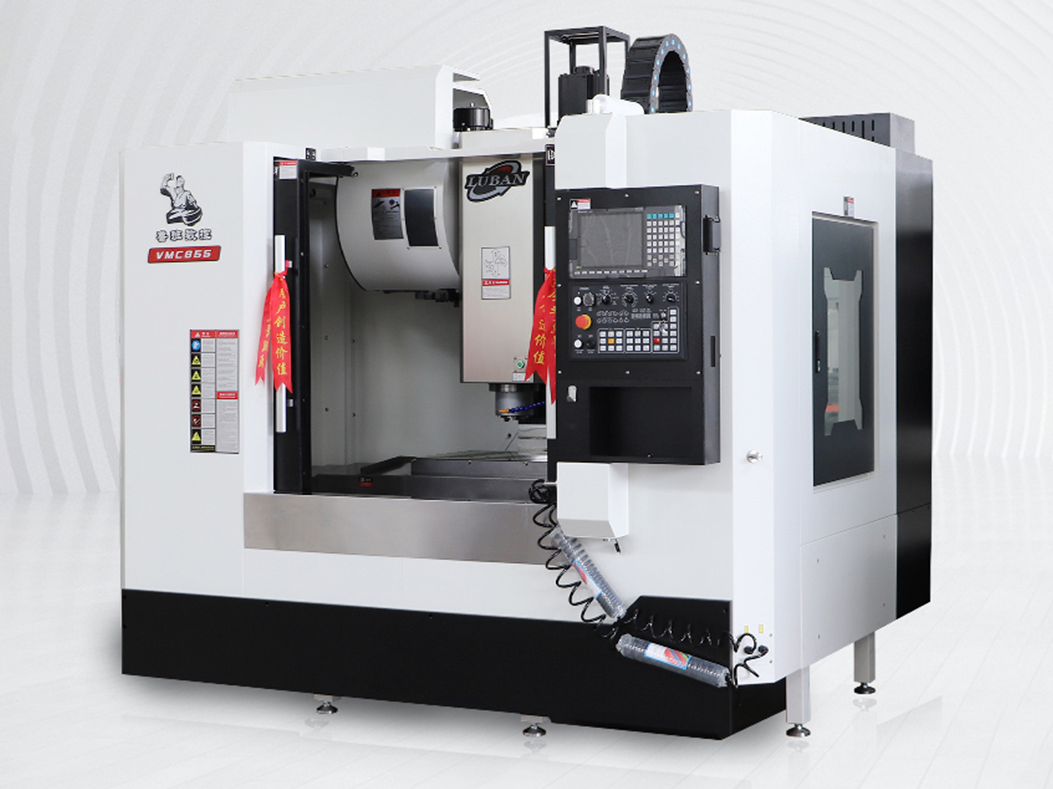
CNC machining centre
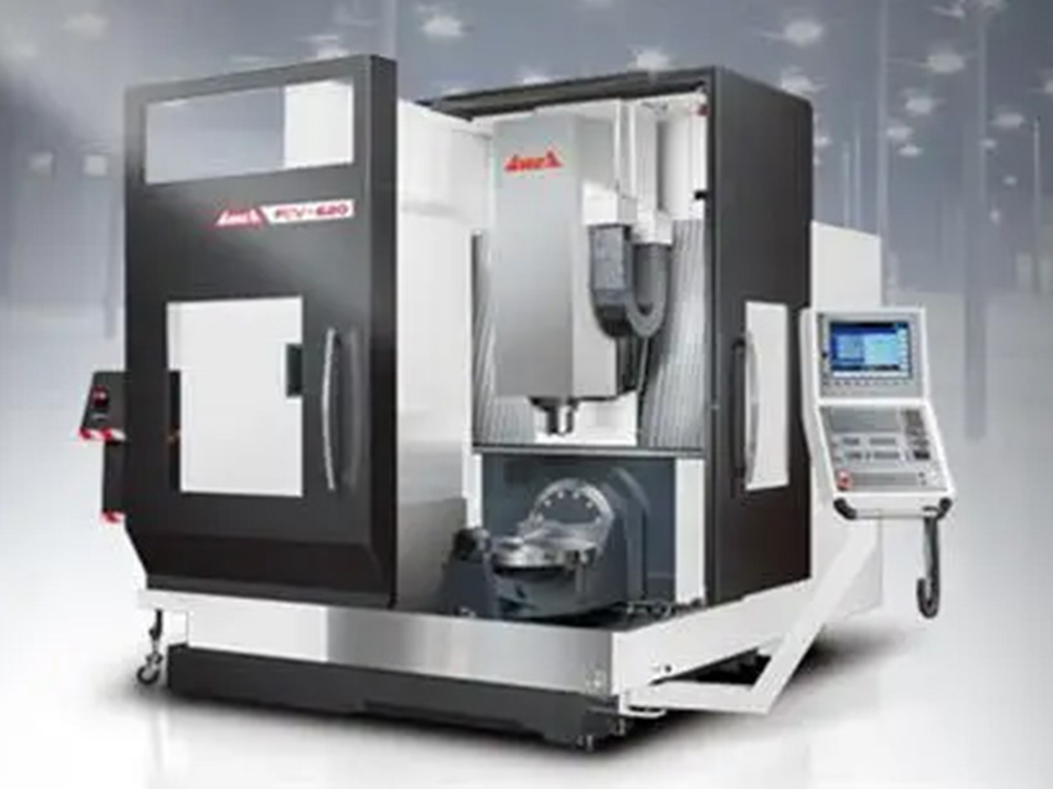
CNC machine tools
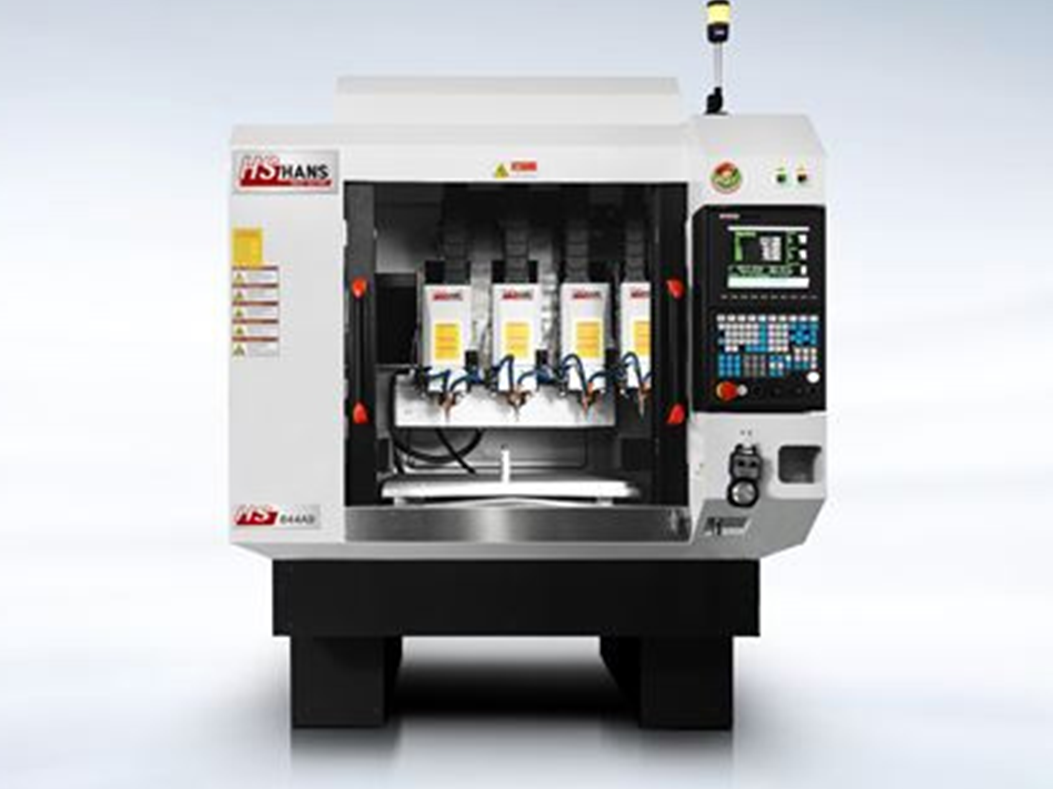
Carved machine
Factory Board
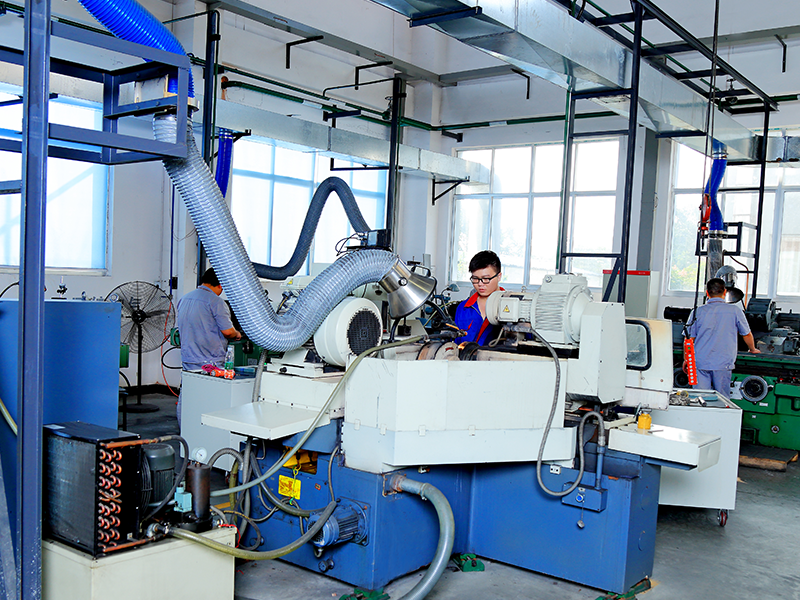
Factory Board

Factory Board
Factory Board

Factory Board
Recommended products


FAQ
2026-04-21
Common Issues in Machining Stainless Steel with Lizhou Turning Inserts
A detailed guide to LIZHOU cemented carbide turning inserts, covering naming conventions, types, selection of inserts specifically designed for roughing and finishing stainless steel, the differences between internal-bore and external-diameter inserts, and answers to frequently asked questions.
2026-04-21
Differences and Applications of Cobalt Drill Bits vs. Carbide Drill Bits
LiZhou Cemented Carbide provides a detailed comparison of cobalt-tipped drills and cemented carbide drills, covering material composition, hardness, tool life, suitable workpiece materials, and common issues to help you quickly select the right tool.
2026-03-31
What is the melting point of tungsten carbide? – Lizhou Cemented Carbide
This comprehensive analysis of Lizhou Cemented Carbide covers the melting point of tungsten carbide (2,870°C), a performance comparison, and industrial applications, explaining in detail why its high melting point makes cemented carbide highly resistant to high temperatures, wear, and deformation—making it ideally suited for tools, mining, steelmaking, and other demanding applications.
2026-03-28
How to Choose Positive and Negative Turning Inserts | LiZhou ISO Turning Tool Code Analysis
A Must-Read for Beginners! Lizhou Cemented Carbide Shows You How to Decode ISO Codes for Turning Inserts, Distinguish Between Positive- and Negative-Rake Inserts, Master the Three Key Selection Principles, and Resolve Common Issues Such as Poor Finish in Precision Turning and Work-Hardening When Machining Stainless Steel.
Hotline:
IPV4 / IPV6